 EN
How to Reduce Film Waste with a Premade Pouch Packaging Machine?
2026/09/20
Premade Pouch Machines: Reduce Film Waste, Cut TCO & Achieve Faster ROI

2026/09/20

Modern manufacturing facilities face constant pressure to increase production speed while maintaining quality and controlling costs. A premade pouch packaging machine represents a transformative solution for businesses looking to optimize their packaging workflows. By automating the filling, sealing, and handling of pre-made pouches, a premade pouch packaging machine dramatically reduces manual labor requirements and accelerates output. Understanding how this technology enhances operational efficiency is essential for companies seeking competitive advantage in today's fast-paced market environment.
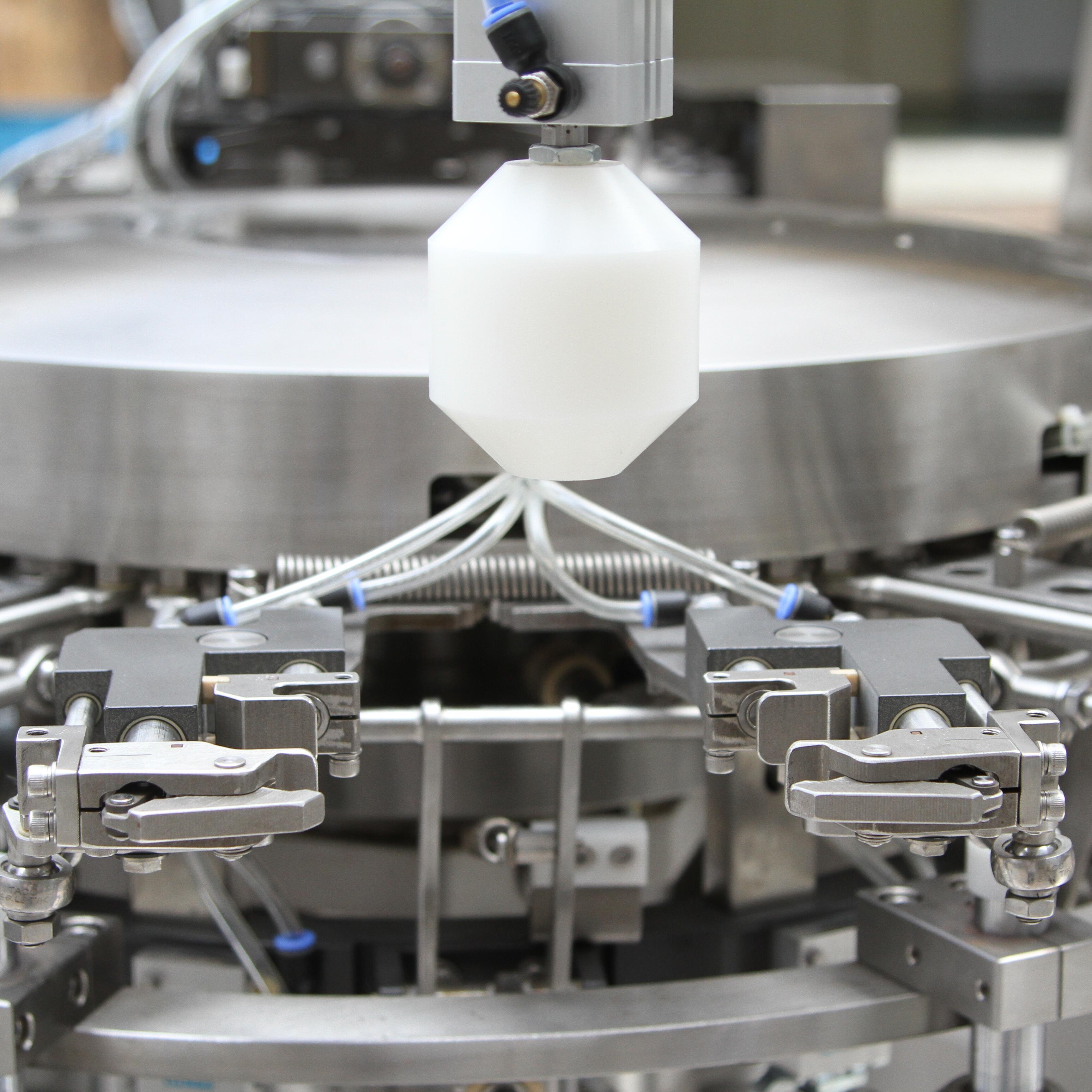
The efficiency gains delivered by a premade pouch packaging machine extend far beyond simple speed improvements. These machines integrate precision filling systems, automated sealing mechanisms, and intelligent control systems that work together to minimize product waste, ensure consistent package quality, and reduce operator intervention throughout the production cycle. When businesses invest in a premade pouch packaging machine, they gain access to technology that fundamentally reshapes their production capacity and operational economics.
A premade pouch packaging machine operates at speeds that far exceed manual or semi-automated alternatives. While traditional hand-packaging methods might achieve 30 to 50 units per minute, a modern premade pouch packaging machine can handle 200 to 300 units per minute or higher, depending on pouch size and product characteristics. This dramatic acceleration directly translates into higher daily output without requiring proportional increases in facility space or staffing levels. For manufacturers processing foods, beverages, pharmaceuticals, or household chemicals, the throughput advantage of a premade pouch packaging machine becomes a critical competitive factor.
Beyond raw speed, a premade pouch packaging machine delivers remarkable consistency in cycle timing. Each pouch receives identical treatment, with precise filling volumes, uniform dwell times for sealing, and standardized cooling periods. This consistency eliminates the variability inherent in manual operations, where operator fatigue, attention span, or technique differences cause quality fluctuations. A premade pouch packaging machine ensures that every unit leaving the line meets specification, reducing reject rates and rework expenses that drain profitability.
One of the most immediately visible benefits of deploying a premade pouch packaging machine is the substantial reduction in direct labor hours required for packaging operations. Where a manual line might require six to eight operators working full shifts, a premade pouch packaging machine typically needs only one or two technicians for feeding, monitoring, and changeover tasks. This labor displacement translates directly into cost savings, with the investment in a premade pouch packaging machine often recovering within 18 to 36 months through labor expense reduction alone. For facilities operating in high-wage regions or facing skilled labor shortages, this efficiency becomes even more valuable.
Rather than eliminating jobs entirely, a premade pouch packaging machine allows facilities to redeploy packaging workers into higher-value activities. Operators transition from repetitive manual filling to machine monitoring, quality inspection, and production scheduling roles. This shift improves employee satisfaction by offering more skilled, varied work while simultaneously enhancing product quality through focused human oversight. Companies using a premade pouch packaging machine report improved employee retention and reduced turnover in their packaging departments, offsetting some labor-related concerns with better workforce stability.
A premade pouch packaging machine incorporates advanced fill-weight control systems that deliver exact quantities into each pouch, typically with variations of less than one percent. This precision directly reduces product giveaway, where overfilling occurs in manual operations to ensure compliance with minimum-weight requirements. Over millions of units annually, even marginal improvements in fill accuracy translate into substantial cost savings. The fill-control features of a premade pouch packaging machine also minimize spillage and environmental contamination, supporting both economic performance and regulatory compliance objectives.
The sealing mechanisms in a premade pouch packaging machine apply consistent heat, pressure, and dwell time to create uniform, reliable seals across every unit. Superior seal integrity extends product shelf life, reduces spoilage claims, and strengthens brand reputation in the marketplace. A premade pouch packaging machine ensures that oxygen barriers, moisture seals, and tamper-evident features function optimally, protecting product quality throughout distribution and storage. For premium products, food items, and regulated industries, the seal quality delivered by a premade pouch packaging machine becomes a competitive differentiator and risk mitigation asset.
Modern designs of a premade pouch packaging machine support quick changeovers between different pouch sizes, product types, and filling requirements. Quick-change fill nozzles, interchangeable sealing jaws, and software-driven parameter adjustments allow operators to transition production between SKUs in minutes rather than hours. This flexibility makes a premade pouch packaging machine particularly valuable for contract packagers, manufacturers of multiple product lines, and businesses responding to seasonal demand variations. The ability to switch production efficiently without lengthy downtime directly improves overall equipment effectiveness and facility utilization rates.
Advanced versions of a premade pouch packaging machine include integrated sensors, data logging, and connectivity features that capture real-time production metrics. These systems track fill weights, seal temperatures, cycle times, and fault occurrences, enabling continuous process optimization and predictive maintenance scheduling. By analyzing data from a premade pouch packaging machine, manufacturers identify efficiency bottlenecks, anticipate component wear, and implement targeted improvements. This data-driven approach transforms packaging from a cost center into a strategic optimization opportunity where incremental improvements compound into significant competitive advantages.
The financial case for investing in a premade pouch packaging machine typically demonstrates strong returns within the first few years of operation. Labor cost savings, reduced material waste, and improved production volume create multiple revenue streams that offset capital expenditure. Many facilities calculate that a premade pouch packaging machine achieves payback in 18 to 30 months, after which all subsequent production benefits flow directly to profitability. This financial trajectory makes capital investment in a premade pouch packaging machine an attractive option for growth-focused manufacturers.
A premade pouch packaging machine provides a scalable foundation for business growth without requiring proportional increases in facility overhead or staffing. As production demands increase, a single premade pouch packaging machine can often absorb growth through longer operating hours or minor efficiency enhancements. When capacity limits are reached, a premade pouch packaging machine architecture allows parallel installation of additional units, enabling modular expansion. This scalability ensures that initial investment in a premade pouch packaging machine supports strategic growth initiatives for years beyond the initial implementation.
A premade pouch packaging machine accommodates a wide variety of products including powders, granules, liquids, pastes, snacks, and frozen items. The specific capability depends on fill head design and control systems within the premade pouch packaging machine. Manufacturers can configure a premade pouch packaging machine with multi-head systems for free-flowing products or with specialized nozzles for viscous materials. Most industrial premade pouch packaging machine models support changeable components that enable processing of different product categories with minimal equipment modification.
A premade pouch packaging machine typically requires routine preventive maintenance including daily cleaning, weekly calibration checks, and monthly component inspections. Predictive maintenance systems in modern premade pouch packaging machine models alert operators to wear patterns before failures occur, minimizing unexpected downtime. Scheduled component replacement follows manufacturer guidelines, and many suppliers offer service agreements for premade pouch packaging machine systems. Total maintenance investment usually represents 3 to 5 percent of equipment purchase price annually, a reasonable cost given the consistent output value delivered by a well-maintained premade pouch packaging machine.
Most premade pouch packaging machine models are designed with integration capabilities that allow connection to upstream filling systems, conveyors, and downstream packaging equipment. A premade pouch packaging machine can receive pre-filled pouches from other machinery or feed output to case-packing and palletizing systems. Electrical interfaces, mechanical mounting provisions, and control system compatibility are standard in industrial premade pouch packaging machine designs. Manufacturers typically assess facility layouts and production workflows to ensure seamless premade pouch packaging machine integration that optimizes overall line efficiency.

2026/09/20
Premade Pouch Machines: Reduce Film Waste, Cut TCO & Achieve Faster ROI

2026/09/20
Cut Premade Pouch Machine Changeover Time by 40% with Proven Best Practices

2026/09/20
Premade Pouch Machines: Boost Throughput, Cut Waste & Improve ROI

2026/09/20
Rotary vs Inline Premade Pouch Machines: Speed, ROI & Scalability Compared

2026/09/21
Premade Pouch Machine: Pouch Types, Materials & Filling Guide

