 EN
How to Reduce Film Waste with a Premade Pouch Packaging Machine?
2026/09/20
Premade Pouch Machines: Reduce Film Waste, Cut TCO & Achieve Faster ROI

2026/09/21

A premade pouch packaging machine represents a critical investment for food, beverage, pharmaceutical, and consumer goods manufacturers seeking to streamline production efficiency and reduce labor costs. Understanding the range of pouch types that your premade pouch packaging machine can handle is essential for maximizing equipment utilization, maintaining product quality, and ensuring packaging consistency across your production line. This knowledge directly impacts your ability to scale production, adapt to market demands, and optimize your supply chain logistics.
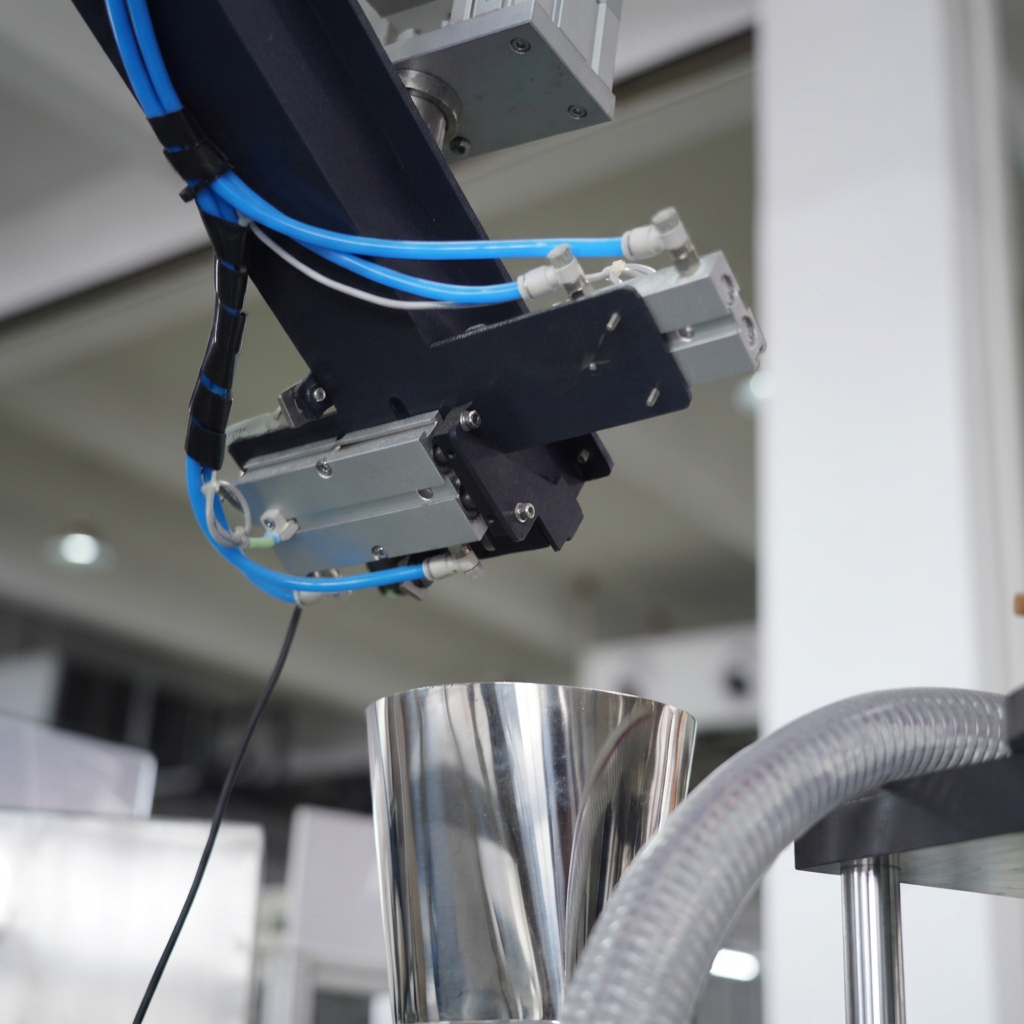
The versatility of a premade pouch packaging machine depends on its mechanical design, filling mechanisms, and control systems. Different pouch configurations require specific handling capabilities, seal specifications, and material compatibility features. Industrial operators must understand these technical parameters to configure their premade pouch packaging machine correctly, avoid product waste, and achieve consistent seal quality that meets industry standards and regulatory compliance requirements.
Flat bottom pouches represent one of the most common formats handled by a premade pouch packaging machine. These pouches feature a sealed bottom with flat, parallel side panels that provide excellent shelf visibility and consumer appeal. A premade pouch packaging machine designed for flat pouches typically incorporates precision positioning systems that align the pouch opening accurately with filling nozzles, ensuring minimal spillage and maximum fill accuracy. The machine's griptape or servo-driven positioning mechanism must reliably hold the pouch in place during high-speed filling operations, preventing movement that could result in misalignment or seal contamination.
The premade pouch packaging machine must accommodate varying flat pouch dimensions, typically ranging from small 50-millimeter widths used in portion control to larger 300-millimeter widths for bulk products. Dimension flexibility requires adjustable guideways, modular filling head configurations, and programmable control systems that adapt quickly to different pouch specifications. Operating a premade pouch packaging machine with flat pouches demands attention to pouch moisture content, material texture, and seal strip positioning to ensure optimal seal quality and shelf-life integrity.
Stand-up pouches, featuring a gussetted bottom that enables independent standing, demand specialized positioning on a premade pouch packaging machine. These pouches require robust support systems that maintain structural integrity during filling and sealing operations, as the gusset expansion creates unique mechanical stresses. A premade pouch packaging machine equipped for stand-up pouches typically includes reinforced support fingers or vacuum-assist positioning that cradles the pouch bottom while maintaining proper opening alignment at the fill height.
The premade pouch packaging machine must handle gusset expansion dynamics, as the pouch bottom expands during filling before final sealing occurs. This requires precise timing coordination between fill volume, gusset accommodation, and seal application. Stand-up pouches present increased complexity compared to flat pouches because the premade pouch packaging machine must maintain vertical stability while accommodating product weight distribution and preventing premature gusset seal separation during the filling cycle.
Side-gusset pouches, featuring expandable side seals rather than bottom gussets, require the premade pouch packaging machine to manage increased width accommodation as the pouches fill. These pouches demand flexible guide systems and wider working envelopes within the machine frame. A premade pouch packaging machine engineered for side-gusset compatibility must feature adjustable width positioning and precise gusset fold recognition to prevent seal contamination or incomplete sealing along the gusset edges.
Three-side-seal pouches, which lack a bottom gusset and present fixed dimensions, offer simpler handling for a premade pouch packaging machine compared to gusseted alternatives. These rectangular pouches work well with standard filling and sealing mechanisms, making them ideal for facilities operating a premade pouch packaging machine with limited format flexibility. The consistent pouch geometry reduces setup time and calibration requirements, enabling faster changeovers and improved productivity when running standardized product batches.
A premade pouch packaging machine must handle diverse material compositions, including polyethylene, polypropylene, metallized films, kraft materials, and multilayer barrier films. Each material presents distinct sealing temperature requirements, friction characteristics, and heat-sealing performance profiles that influence premade pouch packaging machine setup parameters. Operators must understand how seal strip position, heat application duration, and pressure intensity affect final seal strength across different film types.
Laminated and multilayer films require careful attention when operating a premade pouch packaging machine, as inconsistent heat distribution or excessive pressure can cause layer delamination or seal failure. The premade pouch packaging machine's thermal control system must maintain precise temperature consistency across the seal jaw surface to achieve uniform bonding between film layers. Material thickness variations, commonly ranging from 50 to 200 microns, demand adjustable seal pressure settings that the premade pouch packaging machine can accommodate without compromising seal integrity or creating wrinkles.
The premade pouch packaging machine must accommodate varying fill volumes while maintaining consistent pouch dimensions and seal quality. Typical fill volume ranges span from small portions of 10 milliliters to large quantities exceeding 2 liters, requiring the premade pouch packaging machine to adjust fill depth without repositioning the entire pouch assembly. Many modern premade pouch packaging machine models feature servo-controlled filling systems that allow rapid fill volume adjustment through software programming rather than physical component changes.
When operating a premade pouch packaging machine across diverse fill volumes, headspace management becomes critical to prevent seal contamination, product leakage, or incomplete seal formation. The premade pouch packaging machine must provide sufficient clearance between the fill level and pouch top edge, typically 15 to 30 millimeters depending on product viscosity and pouch material. Larger fill volumes demand stronger seal pressure and potentially longer seal application time, parameters that the premade pouch packaging machine must adjust automatically or through operator configuration.
Different product types require specialized nozzle configurations that the premade pouch packaging machine operator must select based on product viscosity, density, and flowability characteristics. Liquid products demand vacuum or sealed fill systems within the premade pouch packaging machine to prevent product spillage and maintain pouch placement stability. Thick pastes, granules, or powdered products may require auger-based filling mechanisms or vibration-assisted pouch handling that the premade pouch packaging machine can provide through optional equipment modules.
The premade pouch packaging machine's fill nozzle positioning directly influences product distribution within the pouch and final weight consistency. Operators must verify that the premade pouch packaging machine's nozzle clearance accommodates various pouch opening sizes and seal strip heights without causing interference or product bypass. Regular maintenance and cleaning of the premade pouch packaging machine's filling components ensure accurate measurement and prevent cross-contamination between product batches.
Most modern premade pouch packaging machine models offer modular design that accommodates format changes through adjustable guideways, quick-change nozzles, and programmable control systems. However, significant pouch geometry differences—such as switching between flat pouches and side-gusset pouches—may require physical adjustments or optional hardware additions to your premade pouch packaging machine. The extent of modification depends on your specific machine model and the range of pouch specifications you intend to process.
The premade pouch packaging machine operator must adjust seal pressure based on material thickness and composition, as thicker films generally require higher pressure to achieve complete layer bonding. Most premade pouch packaging machine models provide adjustable pressure settings ranging from 50 to 200 kilograms per centimeter squared. Testing and calibration are essential when the premade pouch packaging machine processes new material types to establish optimal settings that produce consistent seals without damaging the film or creating wrinkles.
Product viscosity directly affects the premade pouch packaging machine's fill speed, nozzle selection, and headspace management requirements. Thin liquids demand faster fill cycles and potentially vacuum assistance within the premade pouch packaging machine to prevent spillage and maintain pouch stability. Thick pastes or viscous products require slower fill rates, larger fill nozzles, and increased pouch support on the premade pouch packaging machine to prevent shifting and ensure accurate weight distribution. Your premade pouch packaging machine's automation settings must adapt to product characteristics to maintain consistency and prevent waste.

2026/09/20
Premade Pouch Machines: Reduce Film Waste, Cut TCO & Achieve Faster ROI

2026/09/20
Cut Premade Pouch Machine Changeover Time by 40% with Proven Best Practices

2026/09/20
Premade Pouch Machines: Boost Throughput, Cut Waste & Improve ROI

2026/09/20
Rotary vs Inline Premade Pouch Machines: Speed, ROI & Scalability Compared

2026/09/20
Premade Pouch Machine: Boost Throughput, Cut Labor Costs & Improve Seal Integrity

