 EN
How to Reduce Film Waste with a Premade Pouch Packaging Machine?
2026/09/20
Premade Pouch Machines: Reduce Film Waste, Cut TCO & Achieve Faster ROI

2026/10/13
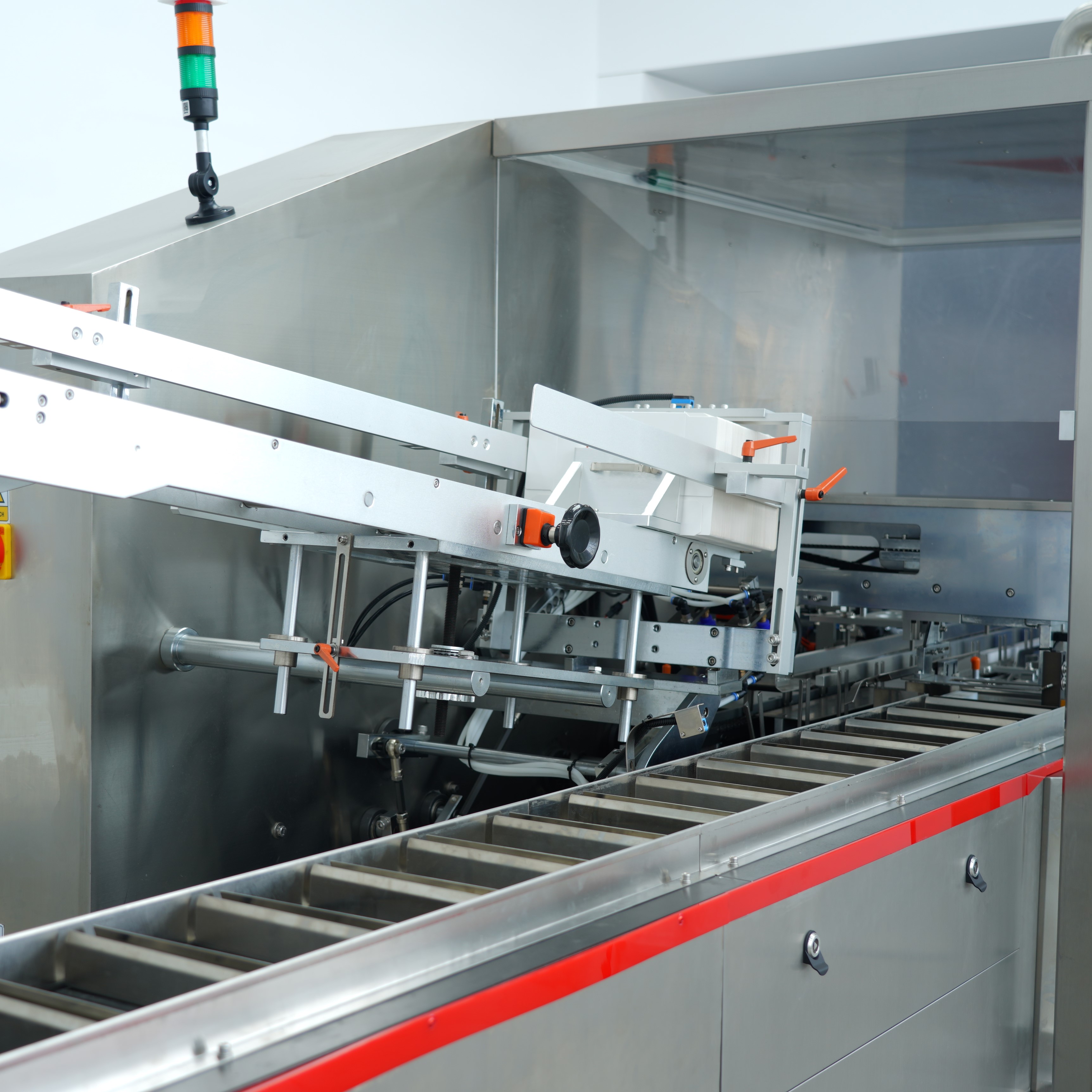
Selecting the right box cartoner for blister packs requires understanding both your production requirements and the technical capabilities that drive efficient, reliable packaging. A box cartoner is a specialized machine designed to load blister packs into corrugated boxes at high speeds, and choosing the appropriate system can significantly impact your operational efficiency, product quality, and long-term profitability. Whether you operate a small pharmaceutical line or a large-scale manufacturing facility, the decision to invest in a box cartoner demands careful evaluation of multiple factors that extend beyond initial cost considerations.
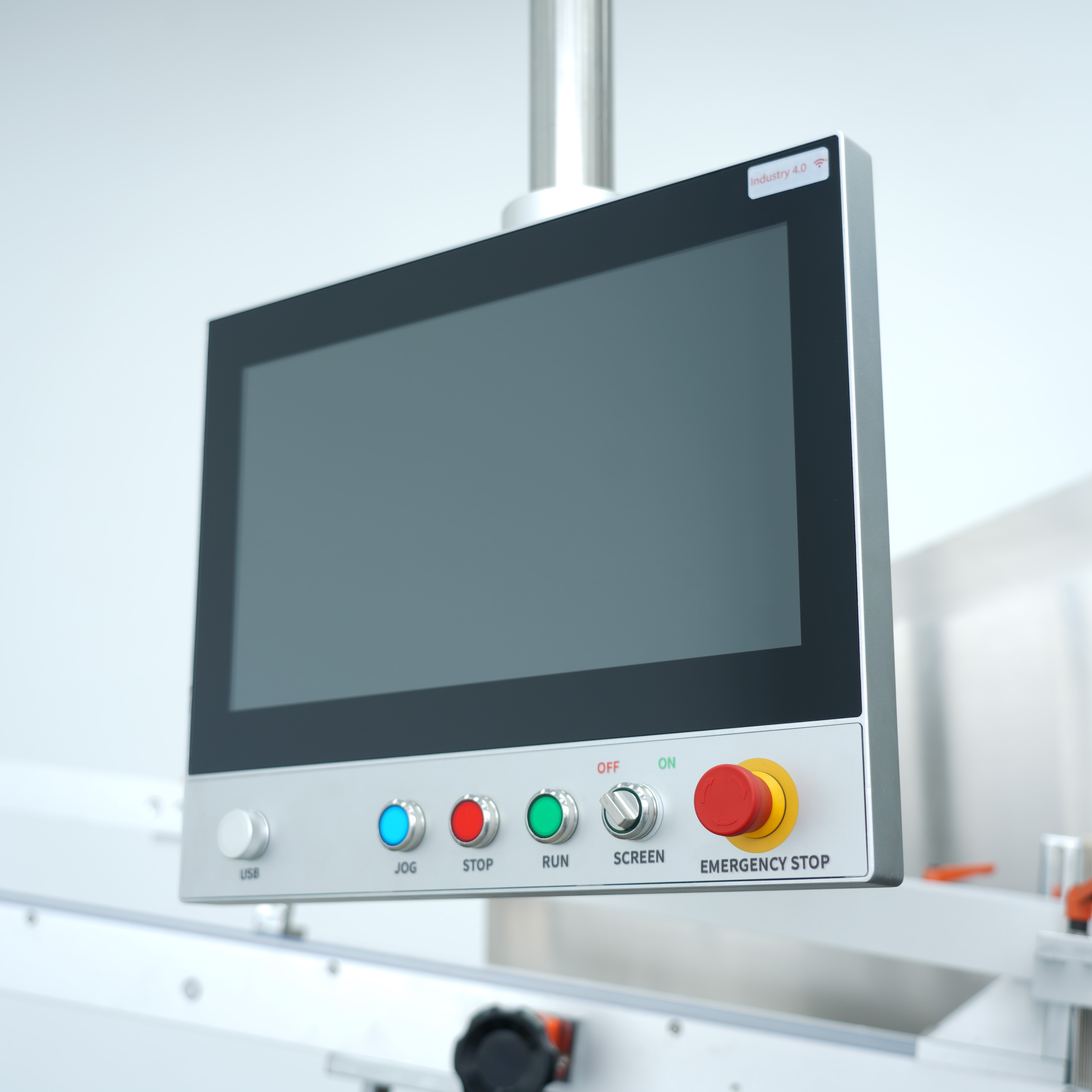
The pharmaceutical and healthcare industries depend on consistent, compliant packaging to protect product integrity and meet regulatory standards. A box cartoner designed specifically for blister packs must balance speed, precision, and reliability while accommodating the delicate handling requirements of blister pack materials. Understanding the critical specifications and operational features of a box cartoner will empower you to make an informed decision that aligns with your production goals, budget constraints, and quality mandates.
Production speed is often the first consideration when evaluating a box cartoner. The throughput capacity of a box cartoner is typically measured in cartons per minute, and this metric must align with your upstream production equipment and downstream packaging requirements. If your primary filling and sealing line produces blister packs at 120 units per minute, your box cartoner must match or exceed that speed to prevent bottlenecks. Oversizing speed capacity adds unnecessary cost, while undersizing creates production delays that reduce overall line efficiency.
A quality box cartoner should handle multiple carton sizes and blister pack configurations without extensive mechanical changeovers. Modern systems offer quick-change tooling that allows operators to switch between different product formats in minutes rather than hours. When evaluating a box cartoner, verify the range of carton dimensions it can process, the adjustment mechanisms required for format changes, and the estimated changeover time. The ability to run different products on the same box cartoner reduces capital expenditure and increases asset utilization across your facility.
A box cartoner must consistently position blister packs into cartons with high precision to meet labeling requirements, ensure proper closure, and maintain aesthetic standards. Most pharmaceutical customers expect cartoning accuracy within 2–3 millimeters, and your box cartoner should deliver this level of precision repeatedly. Vision systems and servo-driven positioning mechanisms are common features in modern box cartoners that enhance accuracy and reduce manual rework. When selecting a box cartoner, ask the supplier for documented accuracy specifications and request trial runs with your specific blister pack format to verify performance.
Blister packs contain sensitive pharmaceuticals, and the box cartoner must handle them without causing damage, compression, or separation of the blister from its backing. Soft-touch infeed systems, cushioned gripper pads, and controlled acceleration profiles are design features that protect blister integrity during the cartoning process. The box cartoner should include adjustable speed profiles that allow slower, gentler handling for particularly fragile products while maintaining acceptable throughput. Evaluate whether the machine uses rubber-coated or silicone-padded contact surfaces and whether infeed systems can be customized to your specific blister pack thickness and material composition.
A box cartoner must integrate smoothly with your existing production line, including blister pack feeders, case erecting equipment, and sealing systems. The interface points between your box cartoner and adjacent machinery should allow smooth product transfer without manual intervention or excessive dwell time. Mechanical interfaces, pneumatic connections, and electrical communication protocols must be compatible with your existing infrastructure. When evaluating a box cartoner, request detailed drawings of connection points and verify that the supplier can provide integration support, including control system programming if necessary.
Pharmaceutical operations require equipment that meets FDA, GMP, and industry-specific compliance standards. Your box cartoner should comply with 21 CFR Part 11 requirements for electronic records if it collects production data, and it must support batch traceability and recall procedures. The machine should be cleanable or have washdown-rated components if your facility requires regular sanitation protocols. Request compliance certifications, documentation of materials in contact with product, and evidence that the box cartoner has been validated in similar pharmaceutical applications. The total cost of ownership extends beyond purchase price to include maintenance contracts, spare parts availability, training programs, and technical support response times.
A modern box cartoner should feature an intuitive control interface, real-time production monitoring, and diagnostic tools that enable your operators to troubleshoot issues quickly. Touchscreen displays, historical data logging, and alarm systems that identify specific fault conditions reduce unplanned downtime and support predictive maintenance efforts. The box cartoner should allow recipes to be saved and recalled for different product formats, streamlining changeovers and reducing setup errors. Evaluate the control system's interface with your MES or ERP system to enable automatic production reporting and quality data capture.
The durability and reliability of a box cartoner depend on component quality, design robustness, and the supplier's spare parts support infrastructure. Premium servo motors, precision bearings, and stainless steel or corrosion-resistant materials in contact with the product environment extend equipment life and reduce maintenance costs. The box cartoner design should allow easy access to wear components and critical adjustment points without extensive disassembly. Verify that the supplier maintains a readily available inventory of common wear parts such as drive belts, gripper pads, and sensor modules. Long-term reliability depends as much on the supplier's commitment to supporting the machine throughout its operational life as it does on initial design quality.
A versatile box cartoner should handle carton lengths from approximately 80 millimeters to 320 millimeters and widths from 60 millimeters to 220 millimeters, accommodating most standard pharmaceutical packaging formats. However, your specific requirements depend on your product portfolio. When selecting a box cartoner, define your current and anticipated future product formats and verify that the machine's working envelope covers those dimensions. Requesting custom tooling or multiple cartoning heads adds cost, so choose a box cartoner with a size range that covers at least 80 percent of your planned product mix.
Most manufacturers recommend preventive maintenance on a box cartoner every 500 to 1000 operating hours, which translates to monthly or quarterly service depending on your run schedule. Routine maintenance typically includes cleaning, bearing lubrication, inspection of gripper pads and belts, and sensor calibration. The box cartoner supplier should provide detailed maintenance manuals and training for your maintenance team. Establish a preventive maintenance schedule aligned with your production volume and follow the equipment manufacturer's recommendations to maximize equipment reliability and minimize unexpected failures.
Many modern box cartoners include adjustable infeed systems, configurable gripper spacing, and flexible positioning logic that accommodate varying blister pack depths and configurations without major mechanical changeovers. However, the box cartoner's capability depends on its design and the range of variations between products. Standard pharmaceutical blister packs typically vary within a range of 10–30 millimeters in depth, and a well-designed box cartoner can manage this variation through software adjustment and quick-change gripper elements. Before purchasing, test your specific blister pack samples on the box cartoner under consideration to confirm that it can handle your product variations reliably.

2026/09/20
Premade Pouch Machines: Reduce Film Waste, Cut TCO & Achieve Faster ROI

2026/09/20
Cut Premade Pouch Machine Changeover Time by 40% with Proven Best Practices

2026/09/20
Premade Pouch Machines: Boost Throughput, Cut Waste & Improve ROI

2026/09/20
Rotary vs Inline Premade Pouch Machines: Speed, ROI & Scalability Compared

2026/09/20
Premade Pouch Machine: Boost Throughput, Cut Labor Costs & Improve Seal Integrity

2026/09/21
Premade Pouch Machine: Pouch Types, Materials & Filling Guide

