 EN
How to Reduce Film Waste with a Premade Pouch Packaging Machine?
2026/09/20
Premade Pouch Machines: Reduce Film Waste, Cut TCO & Achieve Faster ROI

2026/10/12
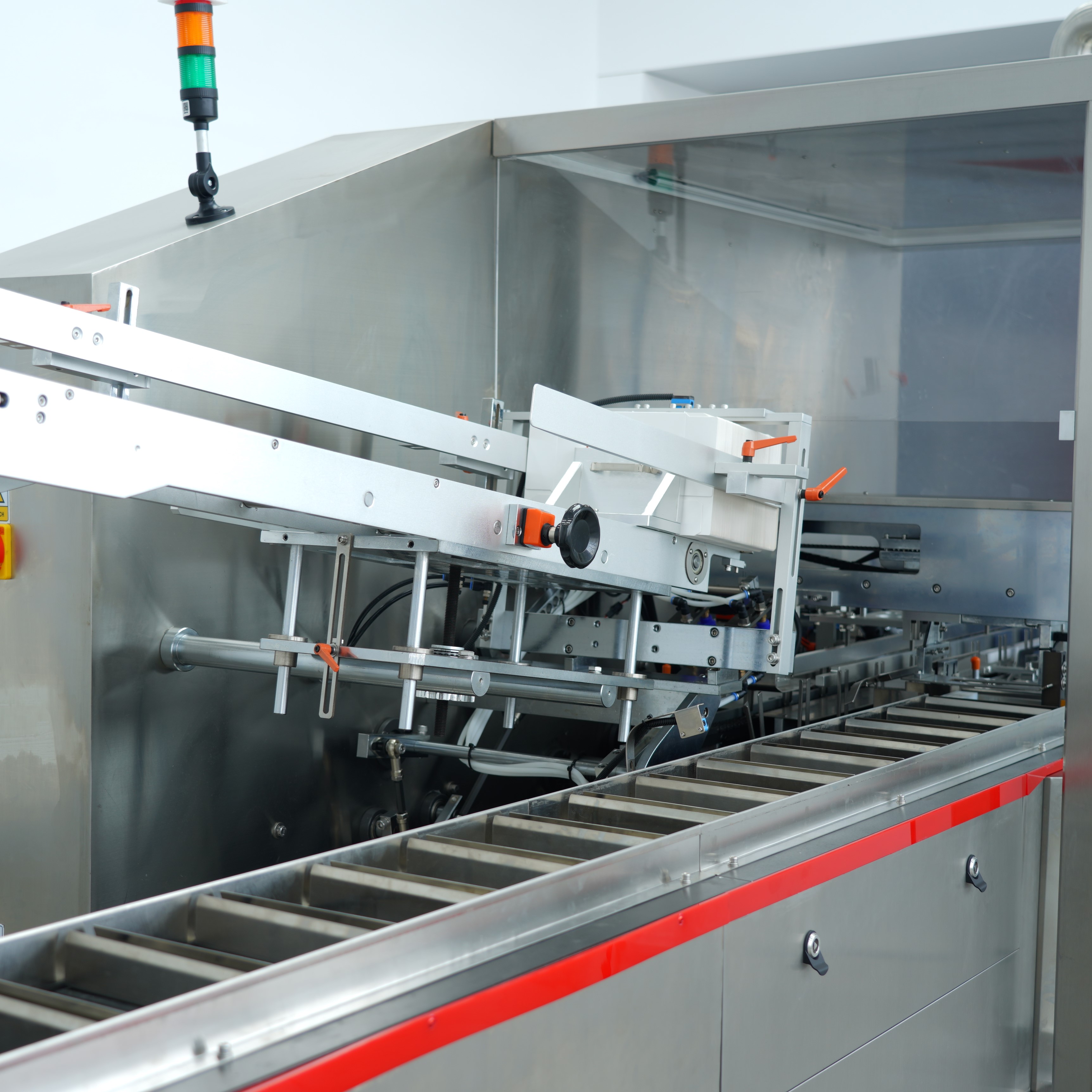
The modern manufacturing environment demands more from packaging equipment than ever before. A box cartoner must deliver high throughput while maintaining the flexibility to handle product variations, format changes, and market demands. This dual requirement creates a fundamental tension: speed and flexibility often feel like opposing forces. However, the right approach to balancing these capabilities can unlock significant competitive advantage for your operation.
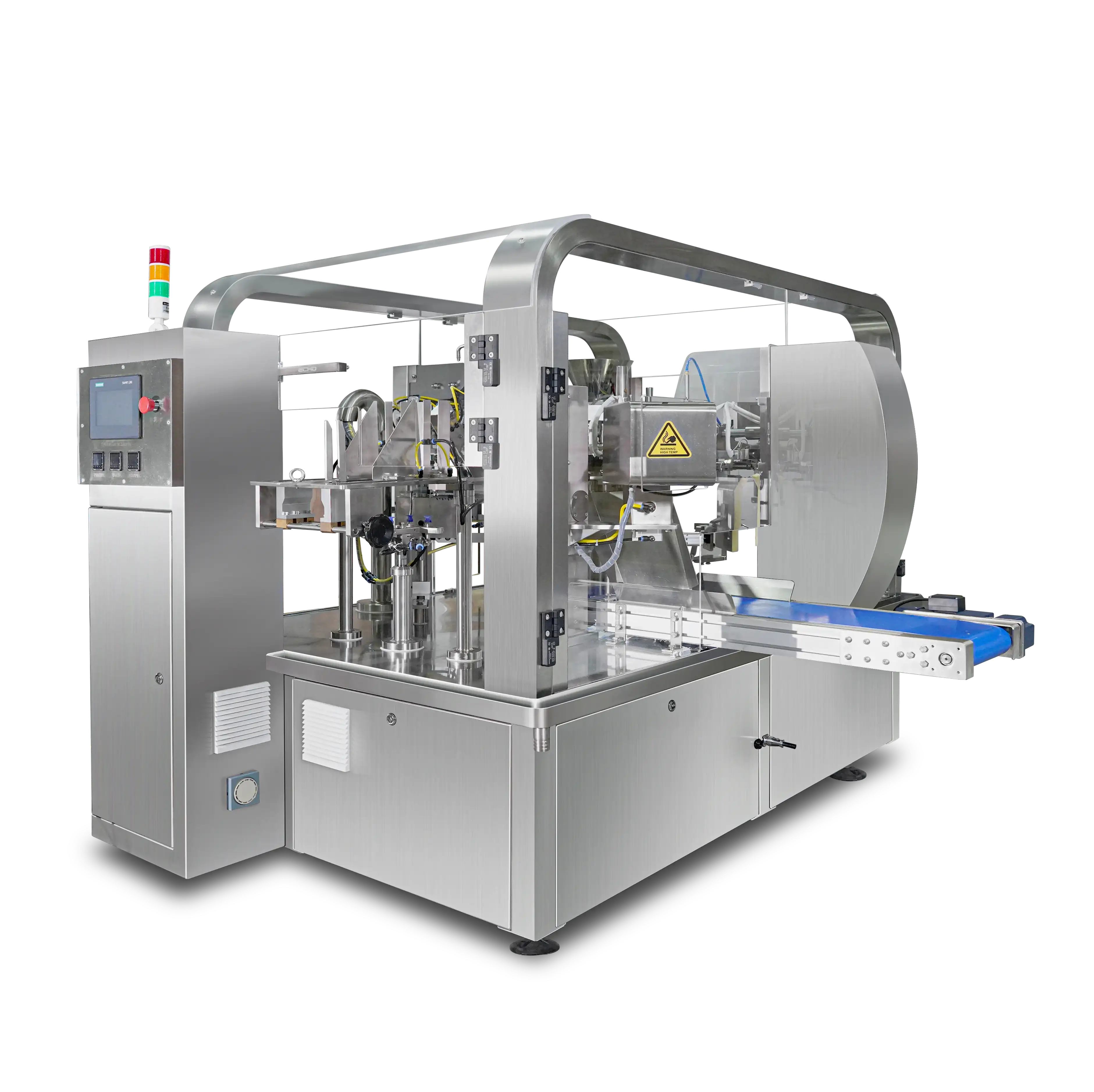
Understanding the interplay between box cartoner speed capabilities and operational flexibility is essential for making informed equipment decisions. Many manufacturers believe they must choose between a specialized high-speed system that handles one product format efficiently or a slower, more versatile solution. In reality, modern box cartoner technology offers a middle ground that combines meaningful productivity gains with genuine adaptability, allowing your packaging line to remain responsive without constant equipment reconfiguration.
Every facility has specific throughput targets based on market demand, product portfolio, and growth projections. A box cartoner's speed directly impacts your ability to meet these targets without excessive labor or multiple shifts. Speed is measured in cartons per minute, and this metric varies widely depending on box size, product type, and the sophistication of the box cartoner system. Understanding your baseline speed requirements is the first step toward balancing performance with flexibility.
When evaluating a box cartoner for speed, consider your peak production scenarios, not just average demand. Peak periods reveal whether your equipment can handle demand spikes without creating bottlenecks. A box cartoner that barely meets average throughput will struggle during seasonal peaks or unexpected demand surges, forcing you to run extra shifts or defer production. Conversely, oversizing speed capacity can lead to unnecessary capital expenditure and reduced flexibility in format changeovers.
Physical constraints within the box cartoner mechanism determine maximum achievable speed. Servo-driven systems, mechanical indexing, and product handling precision all contribute to how fast a box cartoner can reliably operate. Faster machines require more precise engineering, better vibration dampening, and more sophisticated control systems. These technical requirements directly impact equipment cost, maintenance complexity, and the time needed to adjust settings during format changes.
A box cartoner operating at maximum speed often requires optimal conditions: consistent product dimensions, stable carton quality, and minimal format variations. When these conditions change, speed often must decrease to maintain reliability and quality. Understanding these technical limitations helps you set realistic expectations and avoid overspecifying speed when flexibility might better serve your business.
Flexibility in a box cartoner system refers to its ability to efficiently handle different product sizes, shapes, carton formats, and packaging configurations. Modern market dynamics often require packaging equipment to accommodate multiple SKUs, batch sizes, and seasonal variations. A box cartoner with genuine flexibility reduces downtime during format changes and enables your facility to serve diverse customer segments without separate equipment investments.
The relationship between a box cartoner's flexibility and its speed is complex. Systems designed for maximum flexibility often incorporate adjustable components, multiple servo axes, and sophisticated sensor arrays that enable rapid format recognition and adjustment. However, these same features can introduce additional complexity that increases changeover time if not properly engineered. A well-designed box cartoner minimizes this tradeoff by using intuitive adjustment mechanisms and quick-change components that enable format transitions in minutes rather than hours.
In markets with frequent product launches, evolving consumer preferences, or seasonal demand shifts, a box cartoner's flexibility directly impacts your competitive positioning. Equipment that can quickly adapt to new formats allows you to enter new markets, respond to competitor moves, and capitalize on emerging opportunities without capital-intensive equipment upgrades. This responsiveness is particularly valuable for contract packagers, private label manufacturers, and brands with diverse product portfolios.
A box cartoner that forces lengthy changeovers or requires operator expertise for format adjustments becomes a bottleneck during format transitions. This constraint can make the equipment unsuitable for environments where format changes occur weekly or even daily. Conversely, excessive flexibility sometimes comes with reduced speed due to more complex mechanisms. The key is selecting a box cartoner where flexibility features do not meaningfully compromise speed performance in your typical operating scenarios.
Effective balancing begins with honest assessment of your operational reality. Analyze your product portfolio, including current SKUs and anticipated additions. Determine what percentage of your production volume involves format changes, and how frequently these changes occur. This analysis reveals whether your primary challenge is achieving peak throughput or maintaining flexibility, or whether both factors matter equally. A box cartoner specified for maximum speed might be ideal if your facility runs extended production campaigns with infrequent format changes, while a more modular box cartoner might be preferable if you handle 20 different formats weekly.
When evaluating equipment options, request demonstrations using your actual products, cartons, and packaging configurations. Laboratory demonstrations using ideal conditions do not reflect real-world performance of your box cartoner during rapid format changes or with product variations. Real-world testing reveals whether speed claims hold during the flexibility scenarios you actually encounter.
Once a box cartoner is installed, balancing speed and flexibility becomes an ongoing operational challenge. Training operators on efficient changeover procedures, maintaining equipment in peak condition, and continuously optimizing format-specific settings can significantly improve both metrics simultaneously. Many facilities discover that their box cartoner performs better after implementing structured changeover protocols and preventive maintenance programs.
Modern control systems in advanced box cartoner equipment often include recipe management, which stores optimized settings for each format or product type. This feature dramatically reduces changeover time by enabling operators to load pre-configured parameters rather than manually adjusting each setting. Additionally, data collection from your box cartoner provides insights into speed performance across different formats, revealing which combinations are most efficient and which require optimization.
Investing in a box cartoner with modular design and scalable control architecture provides pathway for future adaptability without replacing core equipment. Systems that separate speed-critical components from flexibility-enabling modules allow you to upgrade capabilities as market demands evolve. A box cartoner with integrated data analytics, predictive maintenance, and format-learning capabilities becomes smarter and more efficient over its operational life, improving both speed consistency and changeover efficiency.
The most successful box cartoner implementations recognize that speed and flexibility serve different business objectives. Maximum speed is valuable during high-volume production campaigns, while flexibility matters during format transitions. A properly balanced box cartoner delivers meaningful speed for your core products while maintaining sufficient flexibility for market responsiveness. This balance creates a system that supports both operational efficiency and business agility.
Complete optimization for both metrics simultaneously is theoretically impossible due to fundamental engineering tradeoffs. However, modern box cartoner designs can achieve very good performance in both areas through thoughtful engineering. The key is understanding your specific operational priorities. If flexibility needs are truly occasional, you might accept slightly reduced speed to gain format adaptability. Conversely, if your box cartoner runs largely stable formats, speed optimization becomes the primary focus. Strategic specification based on realistic operational scenarios allows you to achieve excellent balance rather than trying to maximize both simultaneously.
The answer depends entirely on your production mix and business model. If 80% of your volume involves two stable formats, accepting 5-10% speed reduction to enable rapid changeovers for the remaining 20% is typically worthwhile. Conversely, if your box cartoner must handle 15 different formats equally, accepting 15-20% speed reduction to achieve true flexibility makes sense. Calculate the cost of downtime during format changes and compare it against the cost of lost speed throughput. This analysis reveals the optimal balance point for your specific box cartoner application.
Superior box cartoner designs include quick-change tooling, intuitive format adjustment mechanisms, recipe-based control systems, and modular components that minimize changeover time. Look for machines with servo-driven adjustment systems rather than purely mechanical alternatives, as servo systems adapt faster to format variations. Additionally, digital interfaces that display real-time performance metrics across different formats help operators identify optimization opportunities. A box cartoner with integrated diagnostics and format-specific recommendations indicates engineering thoughtfulness about balancing your competing needs. Request detailed changeover time specifications and performance comparisons across your specific format range to verify that box cartoner capabilities truly match your operational requirements.

2026/09/20
Premade Pouch Machines: Reduce Film Waste, Cut TCO & Achieve Faster ROI

2026/09/20
Cut Premade Pouch Machine Changeover Time by 40% with Proven Best Practices

2026/09/20
Premade Pouch Machines: Boost Throughput, Cut Waste & Improve ROI

2026/09/20
Rotary vs Inline Premade Pouch Machines: Speed, ROI & Scalability Compared

2026/09/20
Premade Pouch Machine: Boost Throughput, Cut Labor Costs & Improve Seal Integrity

2026/09/21
Premade Pouch Machine: Pouch Types, Materials & Filling Guide

