EN
How to Reduce Film Waste with a Premade Pouch Packaging Machine?
2026/09/20
Premade Pouch Machines: Reduce Film Waste, Cut TCO & Achieve Faster ROI

2026/10/11
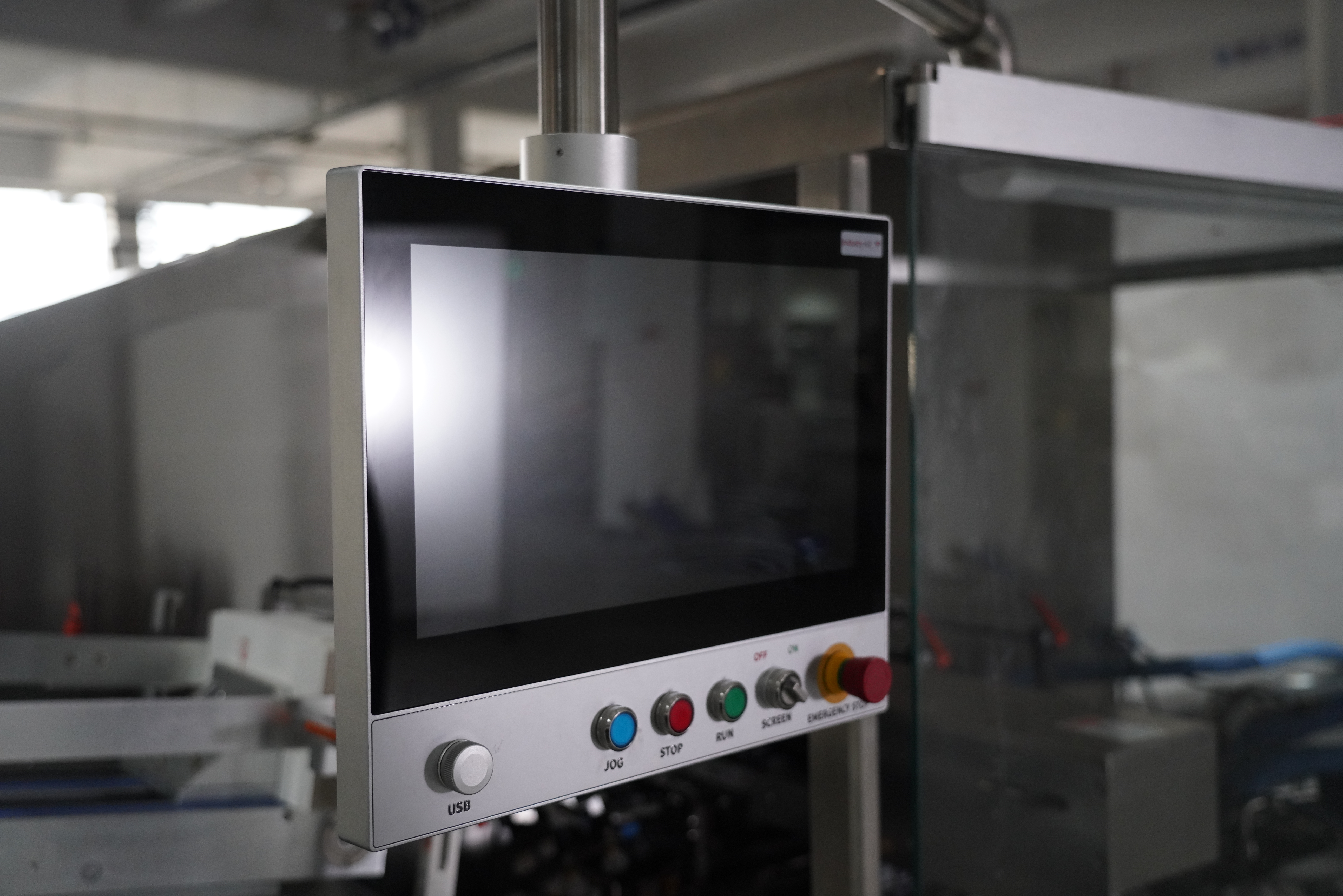
A box cartoner and a case packer are two distinct packaging machines that serve different production environments and product types, yet many manufacturers struggle to understand which solution fits their operation best. While both machines automate the packaging process, their design, function, and application scope differ significantly. Understanding these differences is essential for making the right investment decision and optimizing your production line efficiency.
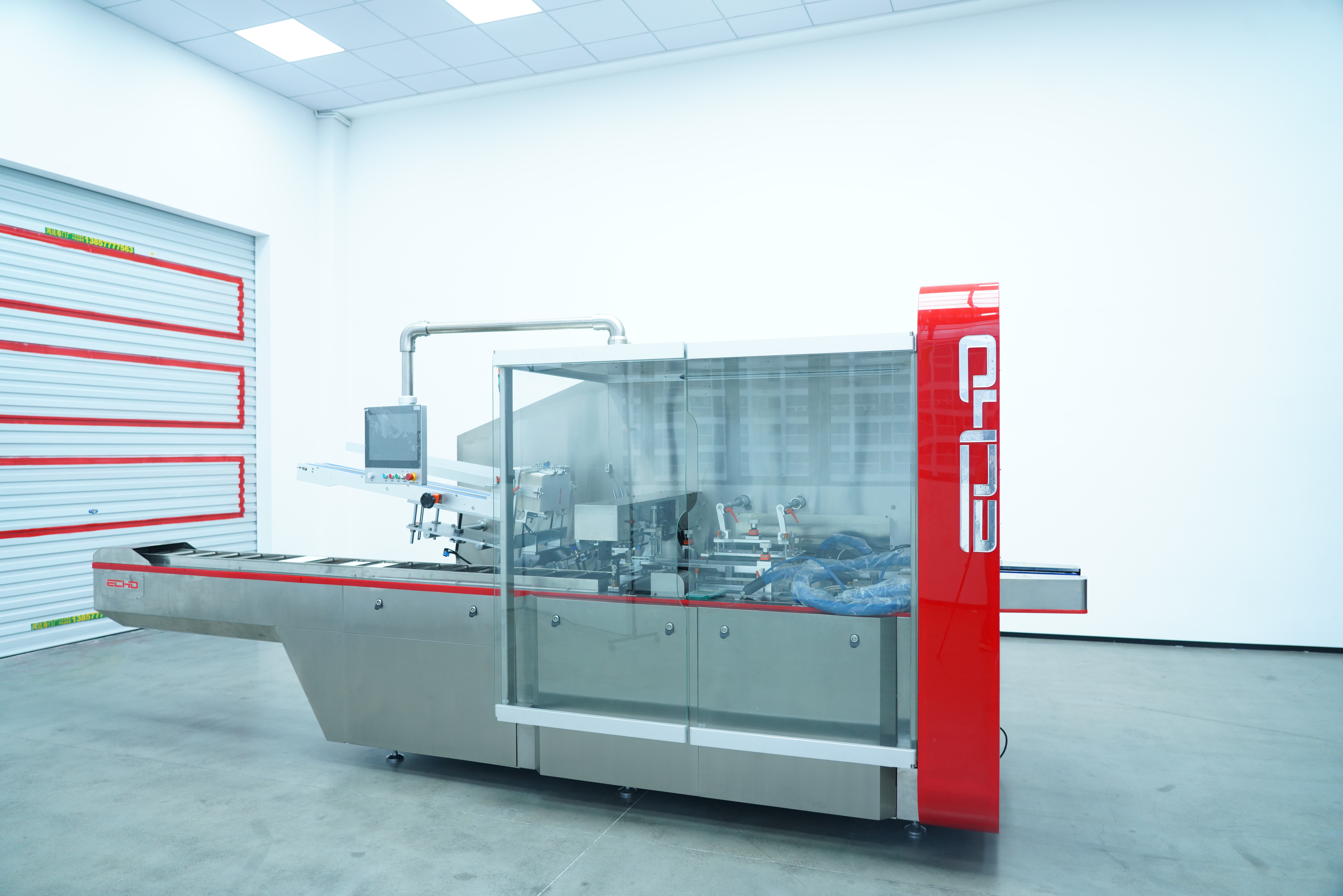
Selecting between a box cartoner and a case packer requires understanding your product characteristics, production volume, and packaging material preferences. Each machine type offers unique advantages and operates under specific conditions that make it ideal for particular industries and packaging scenarios. This guide explores the fundamental differences between these two essential packaging technologies to help you choose the right equipment for your manufacturing needs.
A box cartoner is a specialized packaging machine designed to automatically load products into paperboard cartons or folding boxes. The box cartoner operates by taking pre-formed or flat cartons, opening them if necessary, loading individual products or groups of products into the carton, and then closing and sealing the box. This machine excels with lightweight to medium-weight items such as pharmaceuticals, cosmetics, food products, and consumer goods. The box cartoner performs precise placement of products, handles delicate items with care, and maintains high-speed operation when configured properly.
A case packer, by contrast, is engineered to pack products into larger corrugated cases or shipping containers. The case packer handles heavier loads and higher-volume bulk packaging compared to a box cartoner. Rather than placing individual items into small boxes, a case packer groups multiple products together and loads them into protective corrugated cases designed for shipping and storage. The case packer typically operates at a larger scale, managing bigger containers and supporting the distribution phase of product movement rather than the retail packaging phase.
A box cartoner achieves varying speeds depending on the product type and carton design, typically ranging from 40 to 200 cartons per minute in industrial settings. The speed of a box cartoner is determined by factors including product transfer mechanisms, carton feeding systems, and the complexity of product orientation. Modern box cartoner systems with advanced servo technology and optimized workflows can reach higher speeds without compromising accuracy. The box cartoner is ideal for operations requiring moderate to high-speed packaging of relatively lightweight items in standardized carton formats.
Case packers generally operate at lower speeds compared to a box cartoner, typically handling 20 to 60 cases per minute. However, each case packer cycle moves considerably more product volume since cases contain multiple cartons or grouped items. The case packer's throughput is measured by cases handled rather than individual boxes, making the total product movement significant despite the slower cycle rate. This makes case packers suitable for high-volume distribution operations where bulk packaging efficiency matters more than individual unit speed.
A box cartoner works best with smaller products requiring individual or small-group packaging such as pharmaceuticals, vitamins, cosmetic items, food bars, and consumer packaged goods. The box cartoner handles fragile items, oddly-shaped products, and products that require protective placement within the carton. Industries using a box cartoner include pharmaceuticals, nutraceuticals, cosmetics, confectionery, and specialty food manufacturing. The box cartoner provides the precision necessary when product presentation, protection, and accurate counting are critical for brand reputation and regulatory compliance.
Case packers suit operations handling multiple cartons of the same or similar products destined for warehouse storage and distribution channels. Case packers work well with heavier items, bulk quantities of pre-packaged products, and scenarios where products have already been individually packaged in smaller containers. Common applications include beverage bottling operations, snack food distribution, retail cases of individual products, and warehousing operations. The case packer focuses on speed and efficiency at the bulk packaging stage rather than individual product presentation.
A box cartoner typically requires a moderate to substantial capital investment, ranging based on complexity, speed, and customization requirements. The box cartoner demands regular maintenance, skilled operator training, and adjustments when product types or carton sizes change. Operating costs for a box cartoner include energy consumption, replacement parts, and the labor needed for setup and monitoring. box cartoner systems with servo drives and advanced controls offer better efficiency but command higher initial costs than basic mechanical models.
A box cartoner occupies moderate floor space, typically requiring a footprint of 8 to 15 square meters depending on the model and configuration. The box cartoner integrates readily into existing production lines, positioning itself between product supply systems and finished goods conveyors. Case packers generally require larger floor space due to their handling of bigger cases and support equipment. A box cartoner offers flexibility for facilities with space constraints, while case packers suit operations with dedicated high-volume packaging zones. Installation timelines for a box cartoner average 4 to 8 weeks, including equipment setup, line integration, and operator training.
A box cartoner provides significant customization potential for different carton sizes, product types, and packaging styles. Modern box cartoner designs use quick-change tooling and adjustable mechanisms, allowing operators to transition between different carton formats with minimal downtime. The box cartoner can be configured for various product orientations, stacking patterns, and multi-product combinations within a single carton. This flexibility makes a box cartoner valuable for manufacturers supporting multiple product lines or brands from a single facility, reducing the need for additional equipment.
Modern box cartoner systems integrate with Industry 4.0 technologies including real-time monitoring, data logging, and predictive maintenance capabilities. A box cartoner equipped with vision systems, weight verification, and barcode application adds value through quality assurance and traceability. The box cartoner easily connects to manufacturing execution systems, enabling remote diagnostics and performance optimization. Choosing a box cartoner with modern control architecture ensures your packaging line remains competitive as technology standards evolve and customer demands change.
A box cartoner and case packer serve different stages of the packaging workflow. A box cartoner packages individual or small quantities of products into smaller retail or pharmaceutical cartons, while a case packer groups already-packaged cartons into larger shipping cases. A box cartoner cannot effectively replace a case packer when bulk case packing is required, though both machines may process the same product type at different packaging levels in the same facility.
A box cartoner investment typically makes economic sense at volumes exceeding 10,000 to 20,000 cartons daily, depending on labor costs and existing manual packaging processes. Below these thresholds, manual or semi-automatic packaging may be more cost-effective. A box cartoner becomes increasingly valuable as production volume grows, providing significant labor savings, consistency improvements, and reduced packaging waste over manual operations at high-speed facilities.
A box cartoner requires regular maintenance of moving components, servo motors, sensors, and pneumatic systems, typically scheduled quarterly or semi-annually depending on usage intensity. Case packers involve similar maintenance routines but often require more robust servicing due to handling heavier loads. A box cartoner maintenance programs should include operator training on basic troubleshooting and quick-change procedures to maximize uptime and minimize production disruptions during equipment adjustments.
2026/09/20
Premade Pouch Machines: Reduce Film Waste, Cut TCO & Achieve Faster ROI
2026/09/20
Cut Premade Pouch Machine Changeover Time by 40% with Proven Best Practices
2026/09/20
Premade Pouch Machines: Boost Throughput, Cut Waste & Improve ROI
2026/09/20
Rotary vs Inline Premade Pouch Machines: Speed, ROI & Scalability Compared
2026/09/20
Premade Pouch Machine: Boost Throughput, Cut Labor Costs & Improve Seal Integrity
2026/09/21
Premade Pouch Machine: Pouch Types, Materials & Filling Guide