EN
How to Reduce Film Waste with a Premade Pouch Packaging Machine?
2026/09/20
Premade Pouch Machines: Reduce Film Waste, Cut TCO & Achieve Faster ROI

2026/10/10
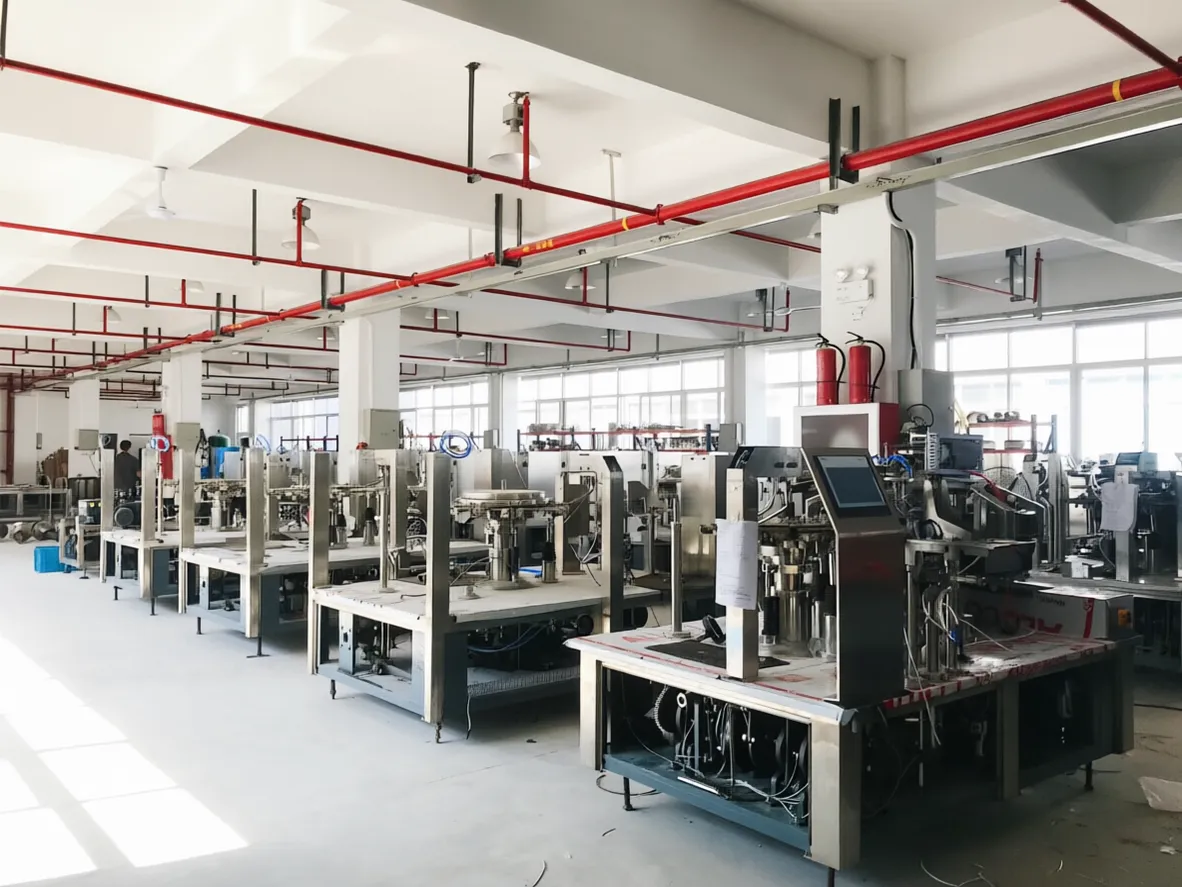
Selecting the right carton box packing machine for food production is a critical investment decision that directly impacts your operational efficiency, product quality, and bottom line. The food industry demands precision, hygiene, and reliability from every piece of packaging equipment, and a carton box packing machine must meet stringent food safety standards while maintaining consistent output speeds. Understanding what to consider when evaluating a carton box packing machine ensures you choose equipment that aligns with your production volume, product specifications, and long-term business goals.
Production capacity is one of the most fundamental considerations when selecting a carton box packing machine for your food operation. The carton box packing machine you choose must align with your current production demands while accounting for anticipated growth over the next three to five years. Undersizing your carton box packing machine creates bottlenecks that limit revenue potential, while oversizing leads to unnecessary capital expenditure and inefficient operation at low speeds, which compromises both quality and profitability.
Most food manufacturers measure carton box packing machine performance in packs per minute, and this specification must match your line's overall bottleneck capacity. If your production line processes 200 units per minute but your carton box packing machine can only handle 120 packs per minute, you have identified a critical constraint. Additionally, the carton box packing machine must achieve consistent speeds throughout the operational day without thermal degradation or mechanical wear that reduces output during extended shifts.
Modern food businesses rarely run a single product continuously; most require a carton box packing machine capable of handling multiple SKUs with minimal changeover time. When evaluating a carton box packing machine, assess how quickly and easily operators can reconfigure the system for different carton dimensions, product types, or packing patterns. A carton box packing machine with tool-free changeovers or quick-change components can reduce downtime from one to two hours to just fifteen or thirty minutes, which translates directly to increased output and reduced labor costs.
Food industry regulations demand that your carton box packing machine meet strict sanitation and safety standards established by regulatory bodies in your region. A carton box packing machine used in food production must comply with FDA guidelines, FSMA requirements, or equivalent international standards depending on your market. The carton box packing machine should feature stainless steel contact surfaces, removable components for thorough cleaning, and design elements that eliminate harborage points where bacteria or contamination could accumulate. Certification marks from recognized agencies validate that your carton box packing machine has been engineered and tested to meet these critical food safety requirements.
The physical design of your carton box packing machine significantly impacts contamination risk and ease of sanitation. A carton box packing machine with smooth surfaces, minimal crevices, and open construction allows operators to clean all contact points thoroughly and verify cleanliness visually. Enclosed or complex designs in a carton box packing machine can trap food residues, promoting bacterial growth and increasing the risk of cross-contamination between production runs. When evaluating a carton box packing machine, request detailed information about its CIP (Clean-In-Place) capabilities or manual cleaning procedures to ensure your operation can meet sanitation protocols without excessive downtime.
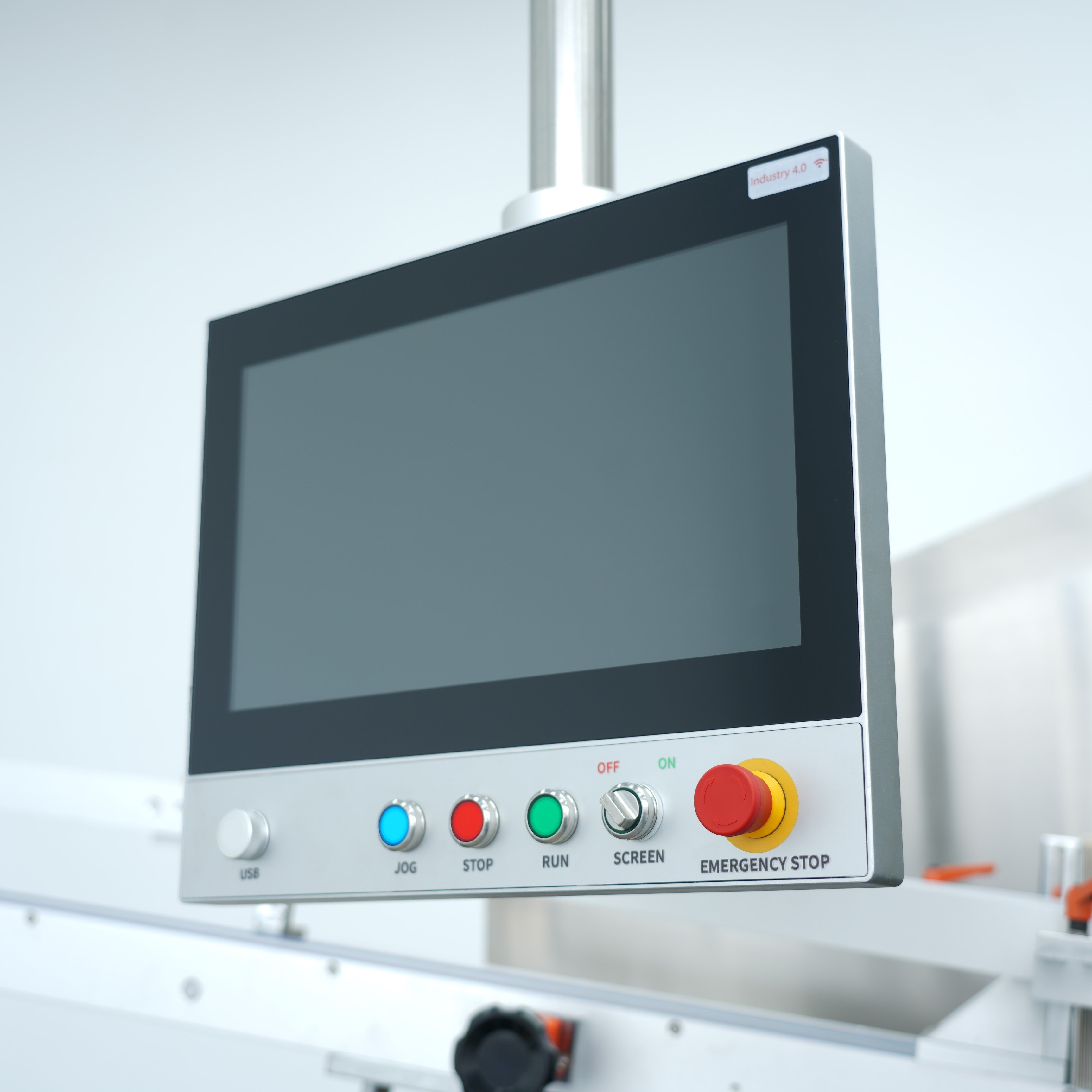
Additionally, verify that your carton box packing machine includes proper guarding, emergency stop systems, and interlocks that protect operators from moving parts. A carton box packing machine with outdated or inadequate safety features exposes your operation to liability, regulatory fines, and employee injury risks. Modern safety standards require that your carton box packing machine undergo regular inspection and maintenance protocols that your team must understand and commit to implementing.
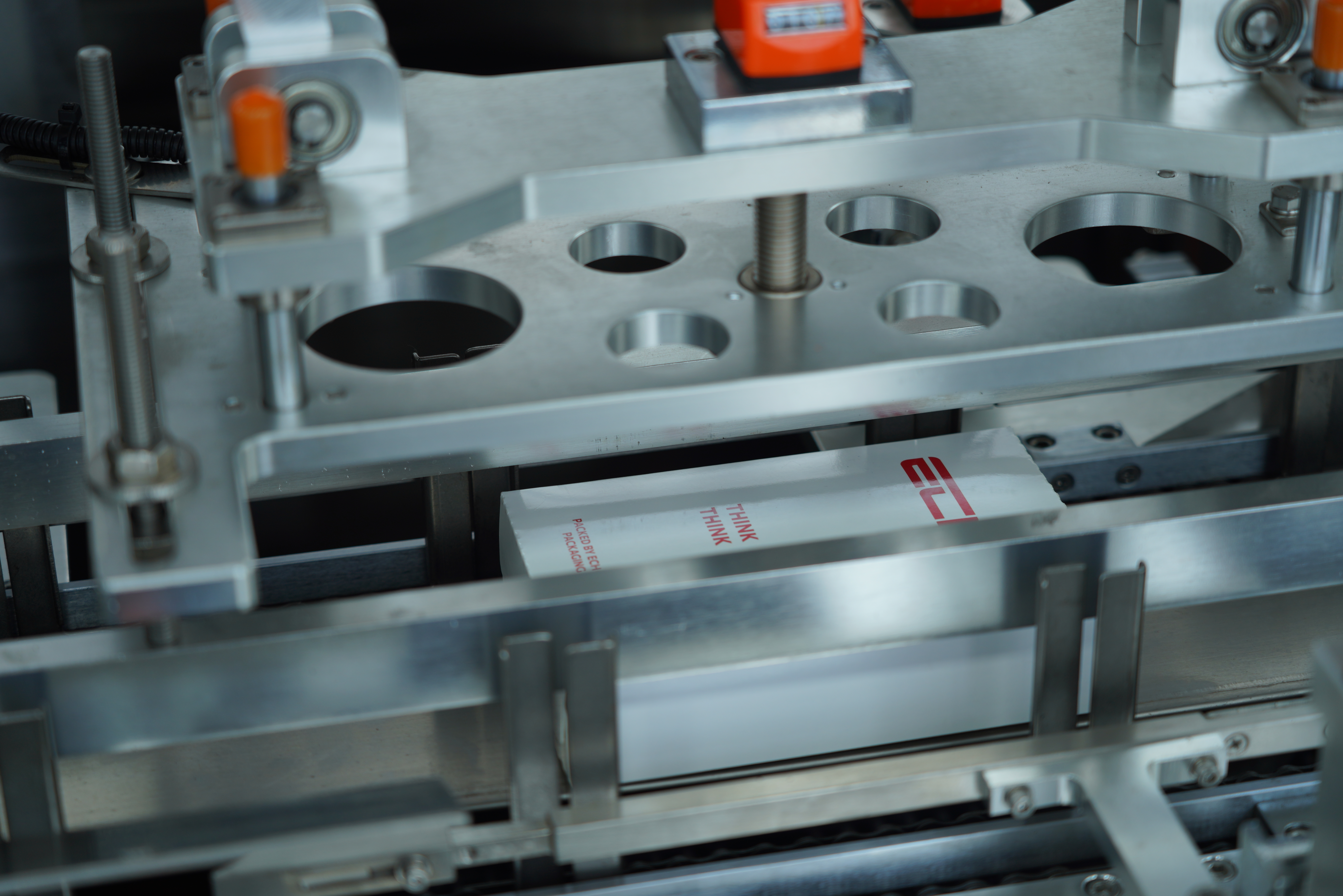
Different food products require different carton types, and your carton box packing machine must accommodate the specific formats your products demand. A carton box packing machine designed for folding cartons may need different settings or configurations than one handling pre-formed tray packs or rigid boxes. When evaluating a carton box packing machine, confirm that it can handle your current carton construction, printing specifications, and material thicknesses without requiring major modifications. The carton box packing machine should also provide feedback systems that detect carton jams, misalignments, or quality defects before they compromise product presentation or customer satisfaction.
Food products vary dramatically in their fragility, shape, and handling requirements. A carton box packing machine designed for delicate baked goods must employ gentler product infeed and positioning mechanisms than one handling rigid frozen items or canned beverages. Evaluate whether your carton box packing machine includes adjustable contact surfaces, pneumatic cushioning, or other features that protect product integrity throughout the packing cycle. Some foods require temperature control during packing, and your carton box packing machine may need to operate in controlled-environment conditions rather than on a standard production floor.
The carton box packing machine should also address moisture, oil, or ingredient residues that may accumulate on products and potentially damage carton printing or adhesion. Understanding how your carton box packing machine manages these challenges ensures product quality reaches customers and maintains brand reputation across every pack your operation produces.
Your carton box packing machine will rarely operate in isolation; it must integrate seamlessly with upstream processing equipment and downstream handling systems. The carton box packing machine should interface cleanly with your product infeed conveyor, positioning system, and discharge accumulation buffer without requiring extensive custom engineering or mechanical adapters. Request detailed specifications on electrical connections, control system protocols, and interface dimensions to confirm your carton box packing machine fits within your facility layout and communication infrastructure. A carton box packing machine with standardized interfaces and documented API connections simplifies future system upgrades and reduces integration costs significantly.
Modern food production increasingly demands data visibility, predictive maintenance, and remote troubleshooting capabilities that elevate your carton box packing machine beyond basic mechanical functionality. A carton box packing machine equipped with IoT sensors, networked controls, and production logging systems provides real-time insights into performance metrics, downtime causes, and maintenance needs. This data allows your operations team to optimize carton box packing machine settings, predict failures before they occur, and demonstrate regulatory compliance through comprehensive production records. The carton box packing machine should offer intuitive operator interfaces that require minimal training while providing engineers with deep diagnostic access when needed.
Energy efficiency also deserves consideration; a modern carton box packing machine with optimized servo drives and intelligent standby modes reduces utility costs while supporting sustainability commitments. When comparing options, request energy consumption specifications and calculate the operating cost per pack over the carton box packing machine's expected service life, as this often reveals significant long-term savings that justify higher capital investment.
For most mid-sized food manufacturers, a carton box packing machine delivering 80 to 150 packs per minute represents an appropriate balance between investment cost and production capability. However, your specific requirements depend on your target output, product dimensions, and carton complexity. Consult with the equipment manufacturer to model your exact production scenario and ensure the carton box packing machine you select won't become a bottleneck or run inefficiently below its designed capacity range.
A well-designed carton box packing machine should receive preventive maintenance every 500 to 1000 operating hours, with daily operator checks for wear, alignment, and cleanliness. Full sanitation protocols vary by product type and facility regulations; most food operations clean their carton box packing machine daily or after every production run to prevent cross-contamination. Establish a maintenance calendar with your equipment supplier and train your team on routine inspection procedures to maximize carton box packing machine reliability and extend equipment lifespan.
Modern carton box packing machine designs often include modular components and adjustable fixtures that accommodate a range of carton sizes within defined limits. A carton box packing machine specified for boxes ranging from 4 inches to 12 inches wide typically requires only toolless parameter adjustments or quick-change modules to transition between sizes. However, extreme variations outside the carton box packing machine's design envelope require mechanical reconfiguration or even equipment replacement. Discuss your intended carton size range with the manufacturer to ensure your carton box packing machine provides the flexibility your business needs without excessive changeover time or investment.
2026/09/20
Premade Pouch Machines: Reduce Film Waste, Cut TCO & Achieve Faster ROI
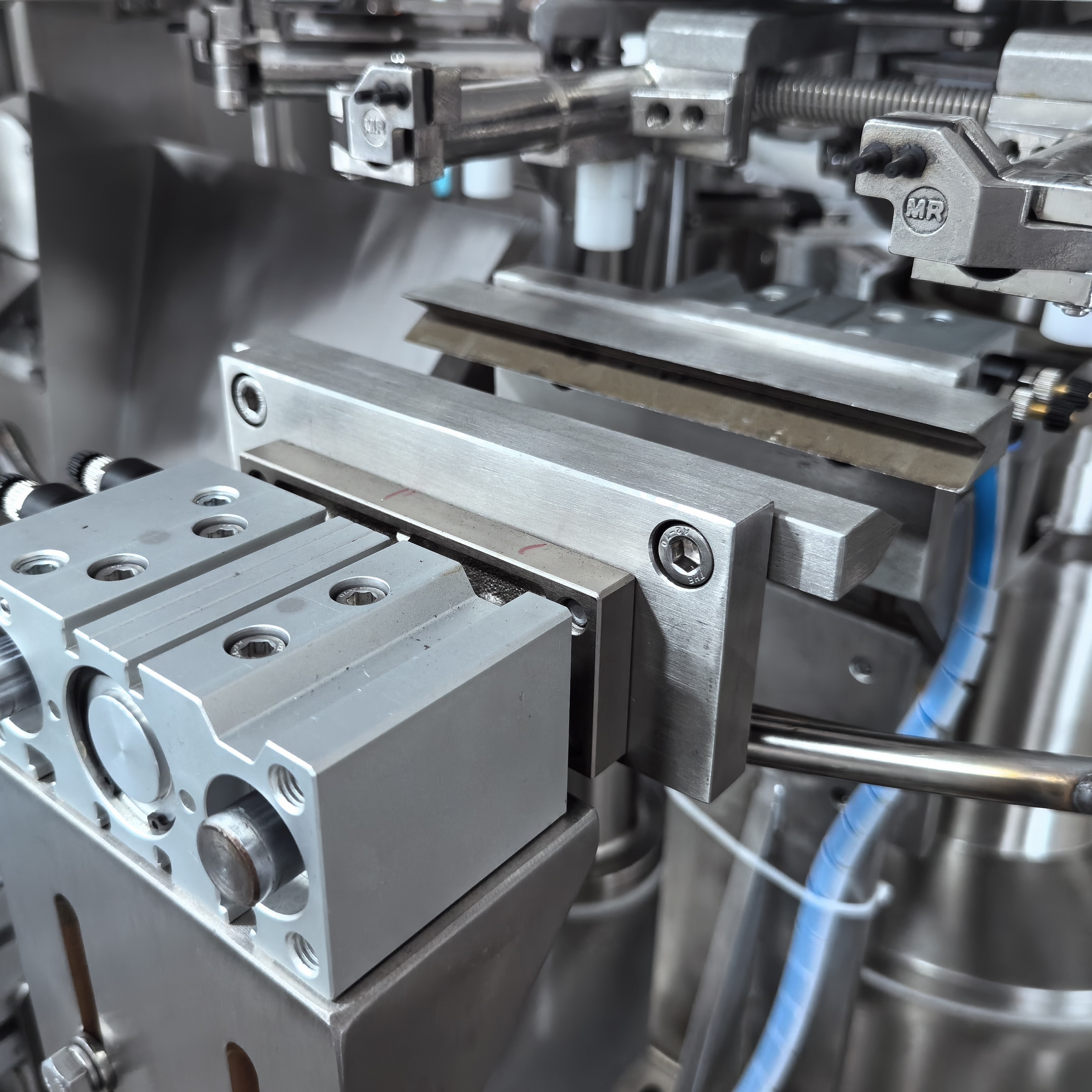
2026/09/20
Cut Premade Pouch Machine Changeover Time by 40% with Proven Best Practices
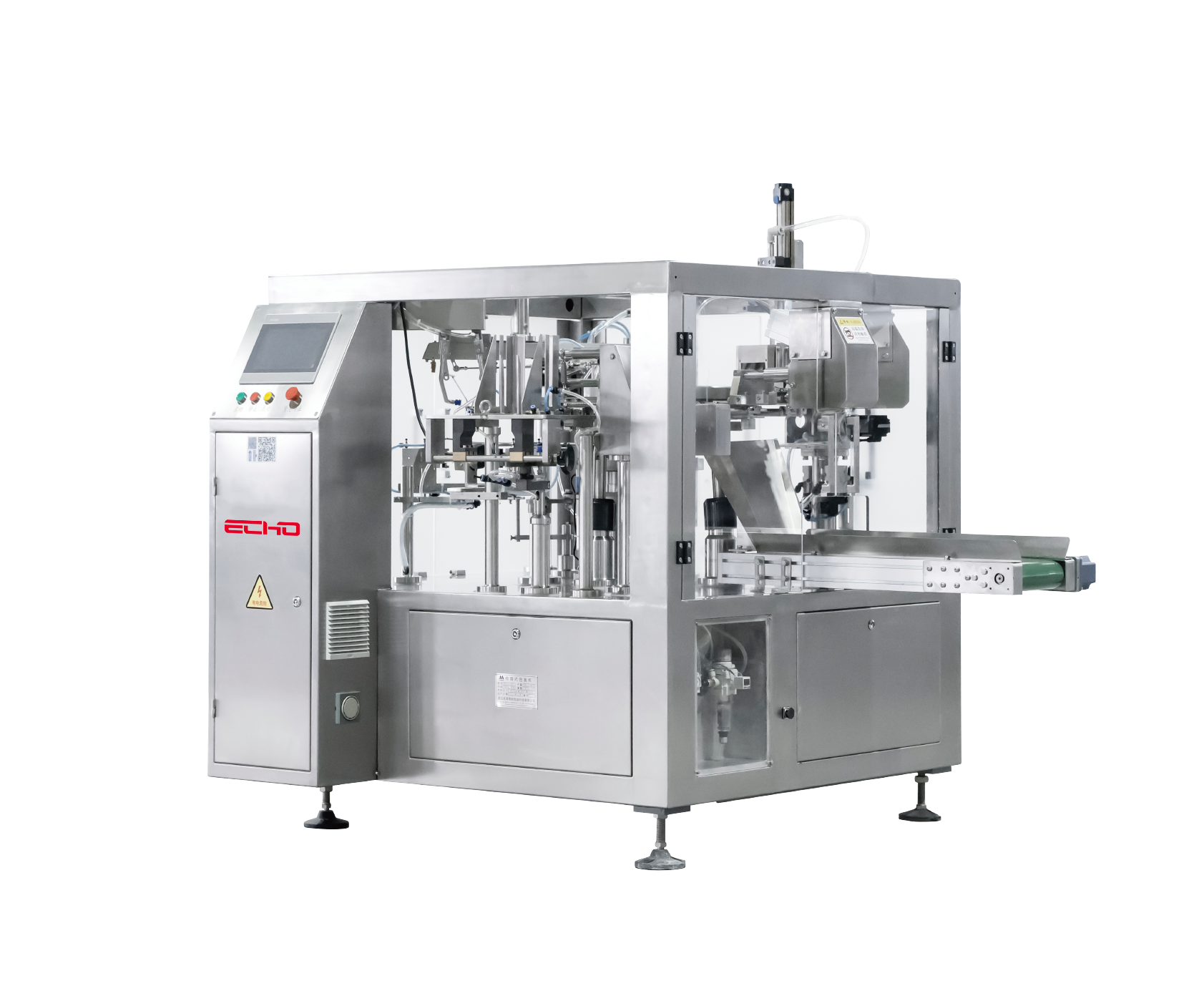
2026/09/20
Premade Pouch Machines: Boost Throughput, Cut Waste & Improve ROI
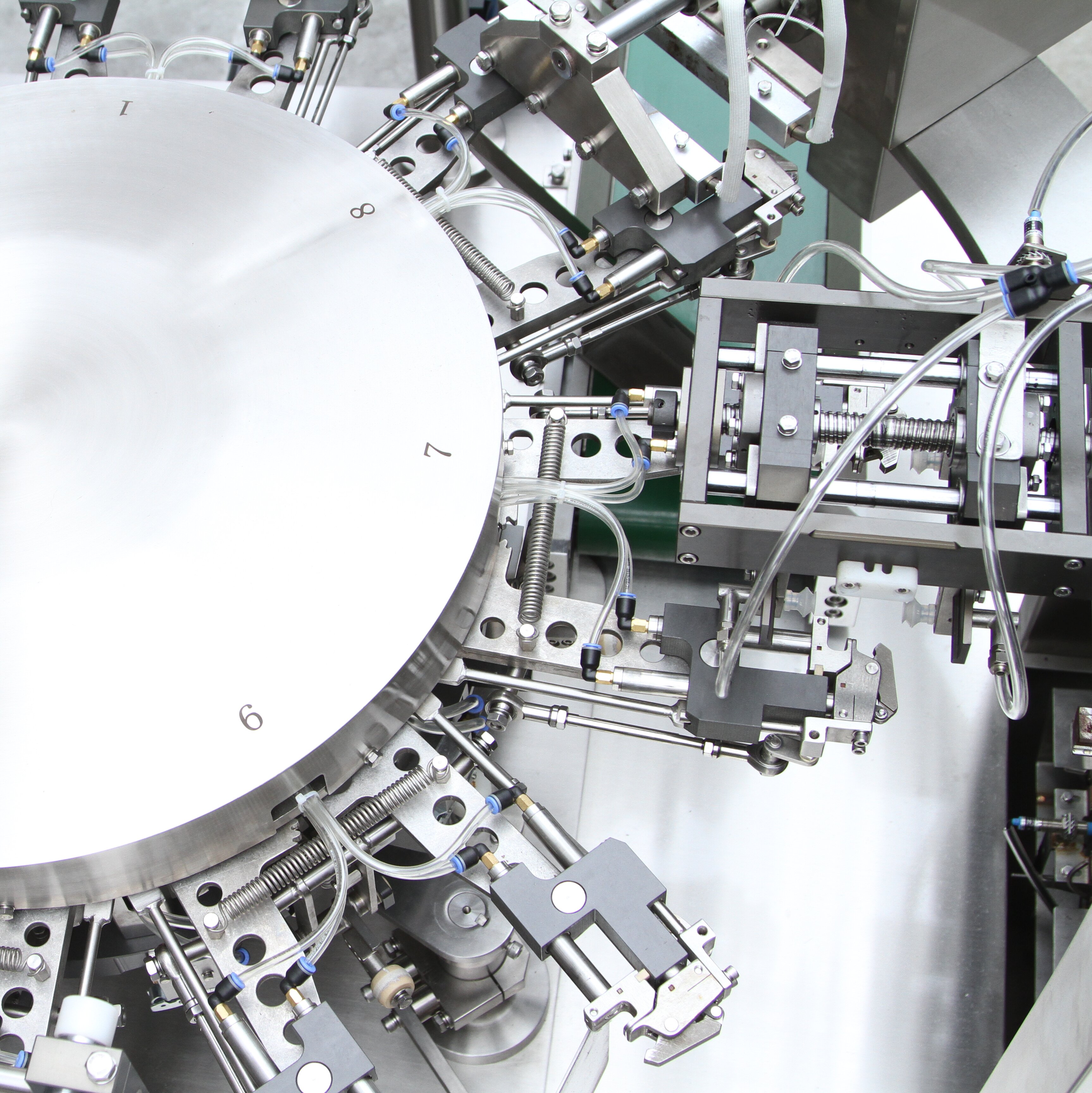
2026/09/20
Rotary vs Inline Premade Pouch Machines: Speed, ROI & Scalability Compared
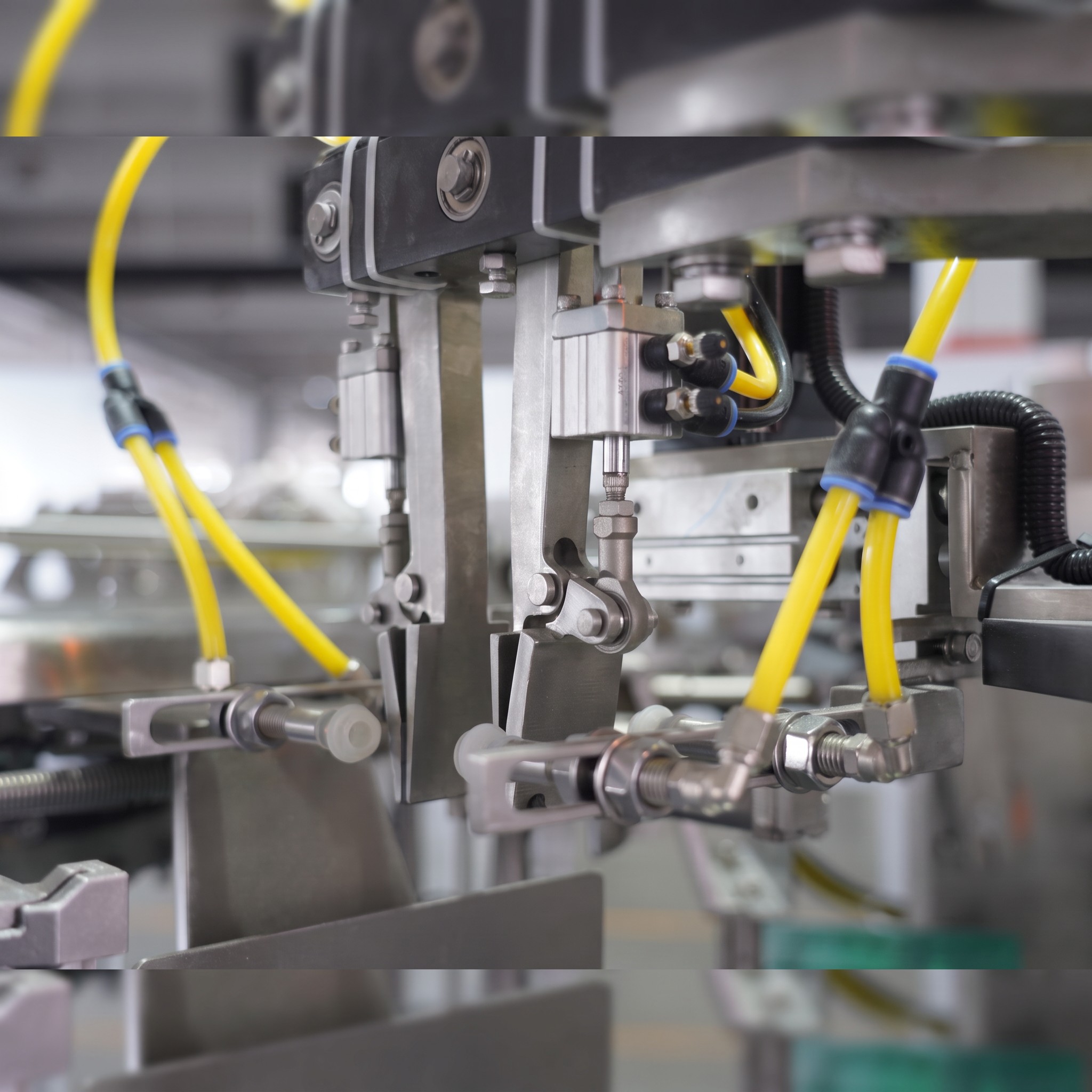
2026/09/20
Premade Pouch Machine: Boost Throughput, Cut Labor Costs & Improve Seal Integrity
2026/09/21
Premade Pouch Machine: Pouch Types, Materials & Filling Guide