 EN
How to Reduce Film Waste with a Premade Pouch Packaging Machine?
2026/09/20
Premade Pouch Machines: Reduce Film Waste, Cut TCO & Achieve Faster ROI

2026/10/08
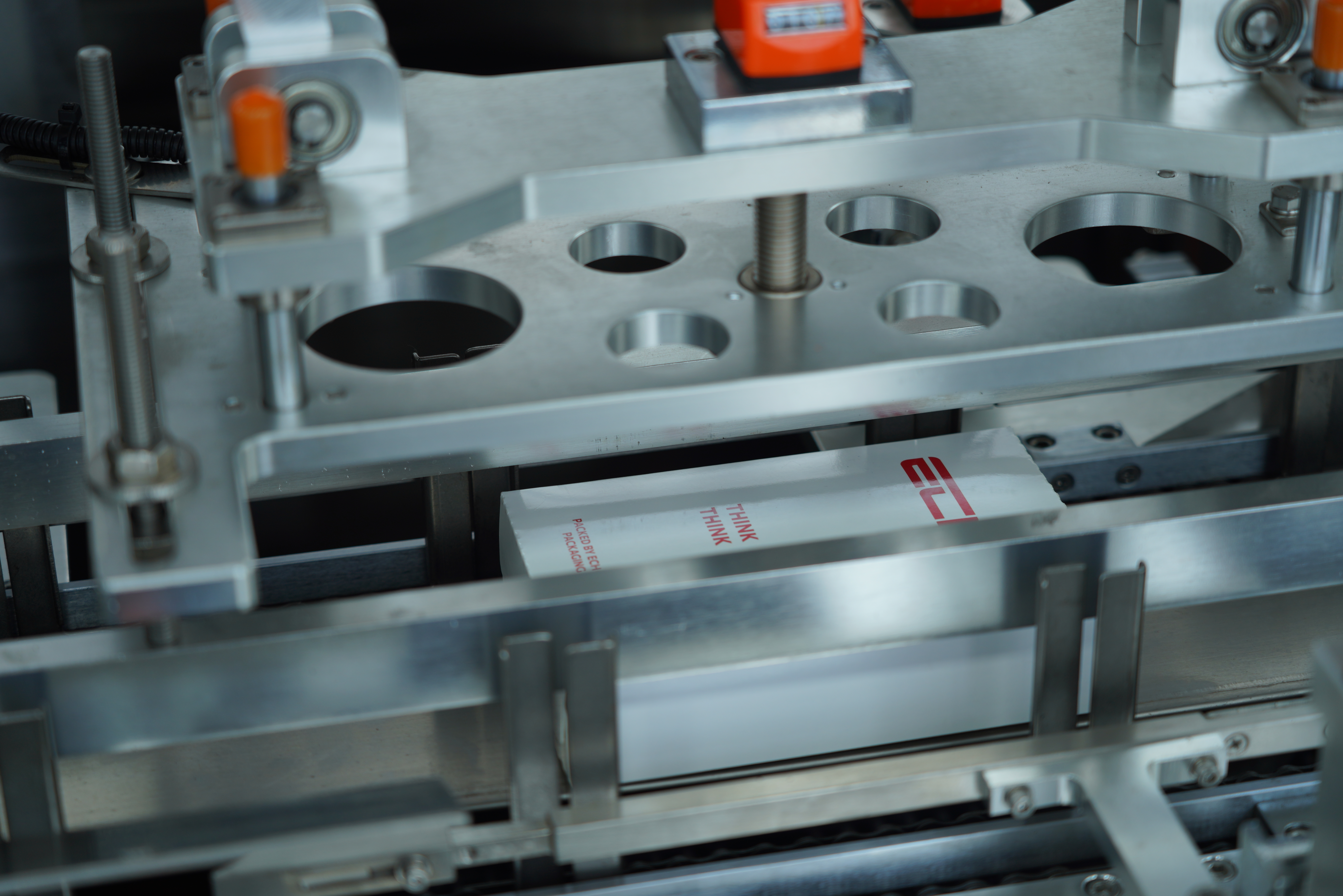
The choice between a carton box packing machine and a case erector represents one of the most critical decisions in packaging operations. While both solutions address box preparation and product containment, they serve distinctly different functions within the packaging workflow. Understanding these differences ensures that your facility invests in equipment that precisely matches your production requirements, budget constraints, and long-term operational goals. A carton box packing machine handles the complete packing cycle—from box feeding through product placement, sealing, and discharge—while a case erector focuses exclusively on forming and preparing empty boxes for subsequent filling. Selecting the wrong equipment can result in production bottlenecks, wasted capital investment, and operational inefficiencies that compound over months of operation.
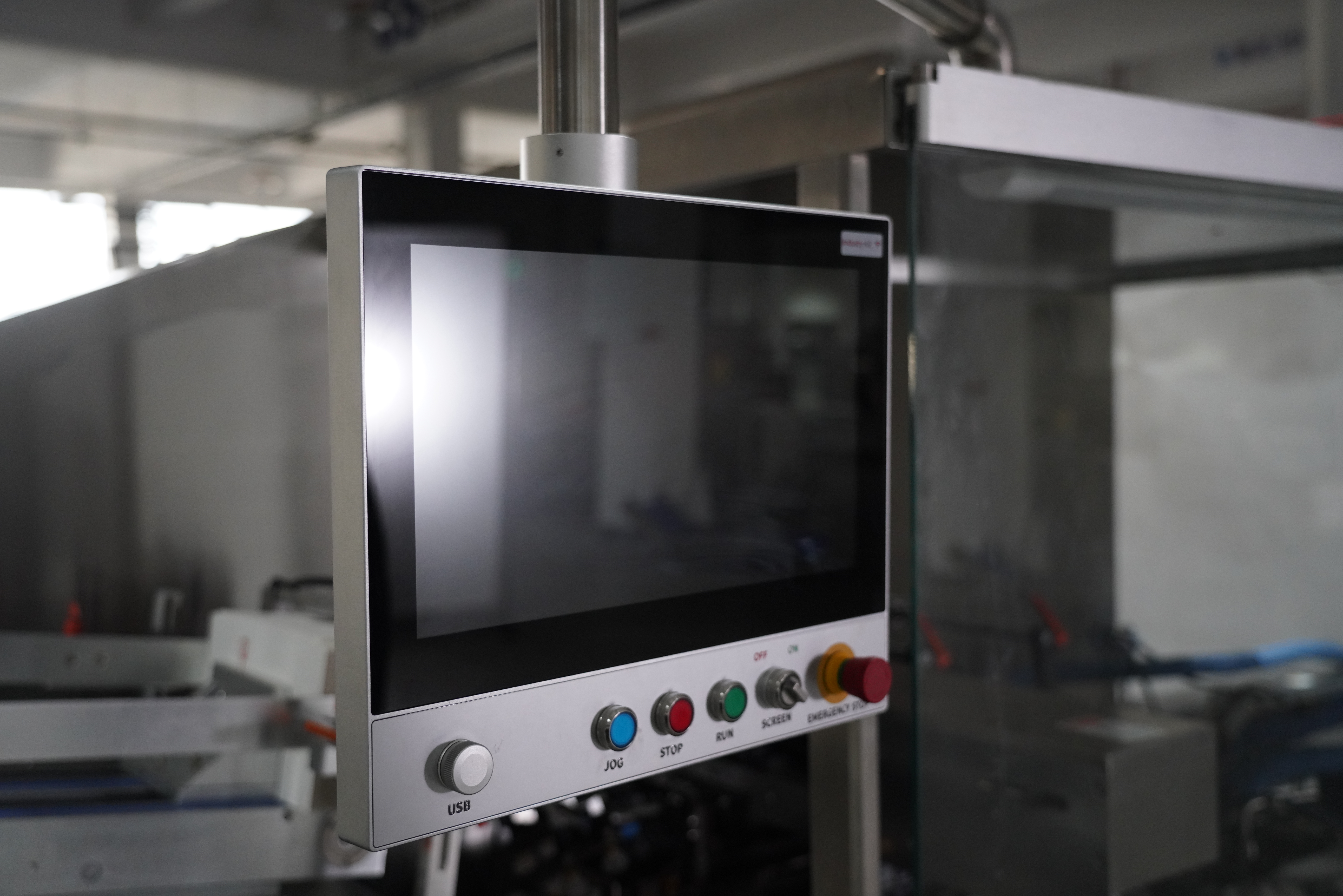
A carton box packing machine consolidates multiple distinct operations into one cohesive system. The equipment automatically feeds flat cartons, erects them into their three-dimensional form, positions products inside using integrated mechanisms, applies internal or external padding, and seals the completed package. This integrated approach eliminates transfer points between machines, reducing product handling and minimizing damage risk. The carton box packing machine accommodates various carton sizes through quick-change components, enabling operators to switch between different box dimensions without extensive reconfiguration. Modern carton box packing machines feature programmable logic controllers that manage cycle timing, speed adjustments, and quality verification. Production speeds typically range from 30 to 120 boxes per minute depending on complexity and carton specifications. The operator interface provides real-time diagnostics, jam detection, and predictive maintenance alerts. When a carton box packing machine encounters an error, the integrated control system halts operations at the problem point, facilitating rapid troubleshooting and minimizing unplanned downtime.
A case erector performs a single, highly specialized function with exceptional efficiency and reliability. This equipment automatically retrieves flat carton blanks from a supply magazine, unfolds and forms them into box configuration, and delivers erected boxes to downstream processes. Because the case erector focuses exclusively on this single task, manufacturers optimize every mechanical component for speed and precision. A case erector produces higher throughput than a carton box packing machine when measured in boxes-per-minute, often exceeding 300 boxes per hour with minimal downtime. The equipment requires minimal operator intervention once configured, making it ideal for long production runs of identical box styles. However, changing between different carton sizes typically demands mechanical adjustments, replacement guide rails, or complete changeover kits. A case erector integrates seamlessly into modular production systems where specialized equipment handles specific tasks—one machine erects boxes, another fills products, another seals, and another applies labels. This modular design offers tremendous flexibility for facilities processing diverse product lines.
A carton box packing machine delivers maximum value in facilities with moderate to high production volumes and moderate product variety. These machines excel when packaging requirements change multiple times daily—different product sizes, varying quantities, specialized padding, or custom closure methods. The carton box packing machine's integrated design accommodates quick changeovers with minimal setup time, sometimes requiring only software adjustments and component repositioning rather than mechanical reconfiguration. Facilities with limited floor space benefit significantly from carton box packing machines because they consolidate functionality, reducing the number of separate machines and associated infrastructure. A carton box packing machine occupies considerably less square footage than a modular system combining a case erector, filling equipment, and sealing equipment. For companies packaging 5,000 to 50,000 boxes daily with 3 to 8 different product configurations, a carton box packing machine typically represents the optimal investment. The equipment balances production efficiency with operational flexibility, preventing idle time caused by equipment mismatches or changeover delays inherent in rigid modular systems.
A case erector performs optimally in high-volume, standardized production environments where a single carton style runs continuously for extended periods. Food and beverage manufacturers, pharmaceutical companies, and e-commerce fulfillment centers frequently deploy case erectors because their products move through identical carton formats. When a case erector runs the same carton size for 8 or 12 consecutive hours, the equipment achieves maximum efficiency with zero downtime related to changeovers. The case erector's specialization generates extraordinary reliability and speed—certain models form and discharge boxes at rates exceeding 400 per minute under optimal conditions. These machines demand substantial capital investment but deliver superior economics when production volumes justify continuous operation. Facilities with dedicated space and existing modular equipment infrastructure benefit from adding case erectors to supplement aging or bottleneck equipment. For organizations expanding capacity without replacing entire production lines, integrating an additional case erector upstream of existing filling and sealing systems represents a focused, cost-effective solution.
A carton box packing machine functions as a standalone or semi-integrated system, requiring appropriate upstream material handling and downstream sortation or palletization equipment. The carton box packing machine's self-contained design simplifies installation, facility modifications, and operator training compared to complex modular systems. Integration typically involves material supply conveyor connections, power infrastructure, and data logging systems for production reporting. Because the carton box packing machine handles packing internally, it reduces dependency on auxiliary equipment. The case erector, conversely, represents a single component within a larger system architecture. Integration demands careful coordination with upstream carton supply systems, downstream filling equipment, and interconnecting conveyors. Case erector implementations require more extensive facility planning, engineering coordination, and testing to ensure smooth product flow through multiple sequential machines. However, this modular design offers superior flexibility—upgrading one component does not require replacing the entire packing line.
A carton box packing machine consolidates mechanical systems, creating moderate maintenance demands compared to complete modular lines. Routine maintenance includes lubrication of moving parts, inspection of guide rails, verification of pneumatic systems, and checking of electrical connections. Spare parts availability for quality carton box packing machines remains readily accessible through manufacturers or authorized distributors. The integrated design of the carton box packing machine simplifies troubleshooting because technicians diagnose issues within a single equipment platform. However, repair costs can be substantial if major components fail because significant downtime occurs while the entire carton box packing machine idles. The case erector requires specialized maintenance focused on the erecting mechanisms—blade sharpness, fold precision, and magazine reliability. Because case erectors perform high-speed mechanical operations, wear components require regular replacement, but replacements are typically quick and cost-effective. The modular case erector design allows facilities to remove the equipment for service without shutting down the entire packing line—ongoing production can redirect to alternative capacity or proceed partially until the case erector returns to operation. Total cost ownership calculations must account for maintenance frequency, spare parts costs, carton box packing machine downtime impact, and service support availability over the equipment's operational lifetime.
The primary difference is functional scope. A carton box packing machine integrates multiple functions—erecting boxes, placing products, applying padding, and sealing—into a single automated system. A case erector performs exclusively the box formation and erection function, delivering prepared boxes to downstream filling and sealing equipment. The carton box packing machine provides all-in-one functionality, while the case erector specializes in one upstream task within a modular production system.
A carton box packing machine better serves facilities with product and packaging diversity. The carton box packing machine's integrated design accommodates quick changeovers and can be reprogrammed for different box dimensions and product configurations relatively quickly. Case erectors, while efficient, require mechanical adjustments or complete changeover kits when transitioning between different carton sizes, making them less suitable for high-variety environments where the carton box packing machine provides superior operational flexibility.
The return on investment decision depends on production volume, product consistency, facility space, and staffing. High-volume, standardized operations with consistent carton specifications typically favor case erectors due to superior speed and reliability. Moderate-volume operations with product variation, limited facility space, or diverse packaging requirements benefit more from carton box packing machines because they reduce equipment count, simplify operations, and provide operational flexibility that prevents costly idle time inherent in rigid systems.

2026/09/20
Premade Pouch Machines: Reduce Film Waste, Cut TCO & Achieve Faster ROI

2026/09/20
Cut Premade Pouch Machine Changeover Time by 40% with Proven Best Practices

2026/09/20
Premade Pouch Machines: Boost Throughput, Cut Waste & Improve ROI

2026/09/20
Rotary vs Inline Premade Pouch Machines: Speed, ROI & Scalability Compared

2026/09/20
Premade Pouch Machine: Boost Throughput, Cut Labor Costs & Improve Seal Integrity

2026/09/21
Premade Pouch Machine: Pouch Types, Materials & Filling Guide

