 EN
How to Reduce Film Waste with a Premade Pouch Packaging Machine?
2026/09/20
Premade Pouch Machines: Reduce Film Waste, Cut TCO & Achieve Faster ROI

2026/10/09
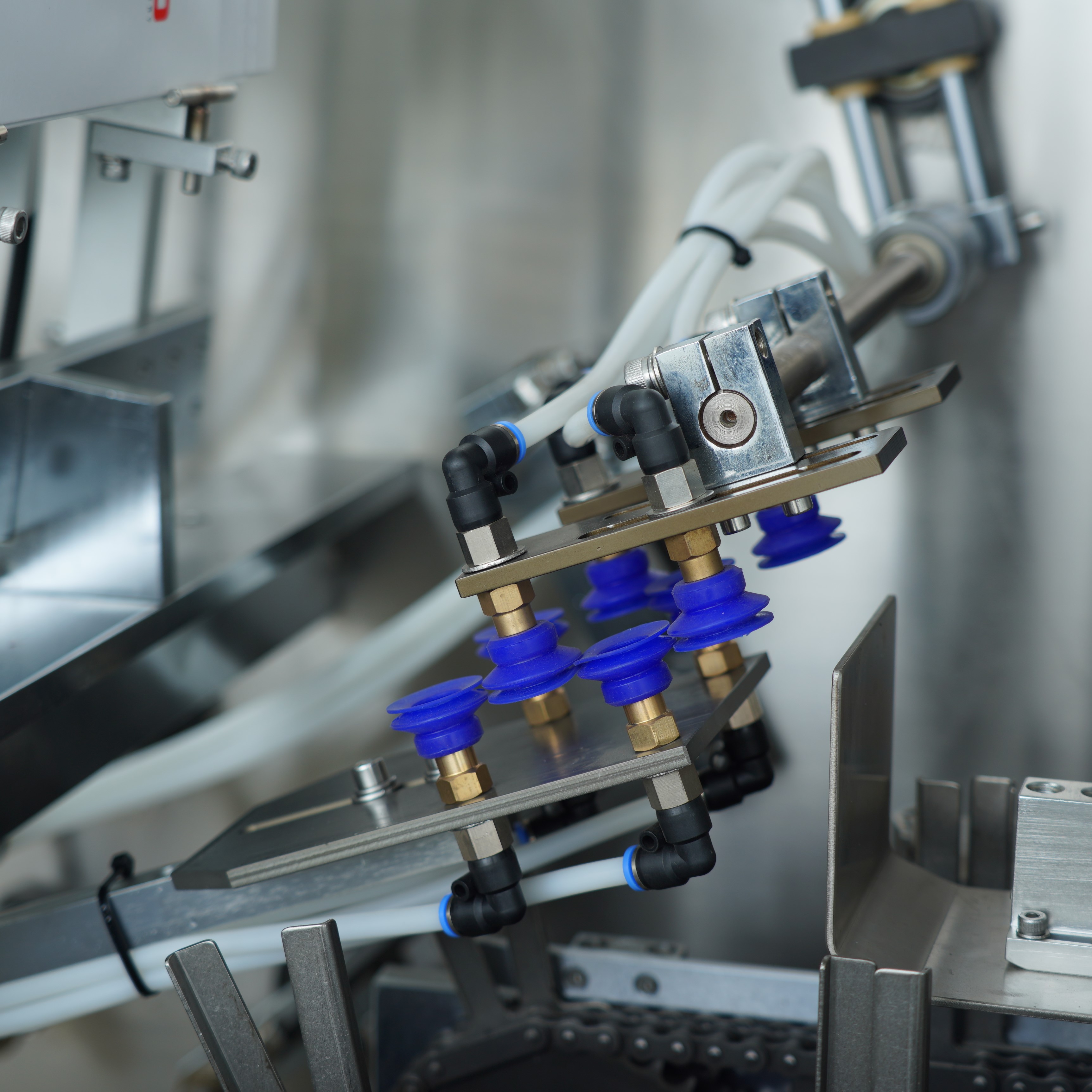
The decision between investing in a carton box packing machine and relying on manual packing represents one of the most critical operational choices for modern manufacturers and logistics companies. As production volumes increase and labor costs rise globally, businesses face mounting pressure to evaluate whether a carton box packing machine delivers sufficient return on investment to justify its capital expenditure. This comparison goes beyond simple cost analysis—it encompasses speed, consistency, labor allocation, product protection, and long-term scalability. Understanding the real-world performance differences between a carton box packing machine and manual packing methods allows decision-makers to choose the approach that aligns with their production goals, budget constraints, and growth trajectory.
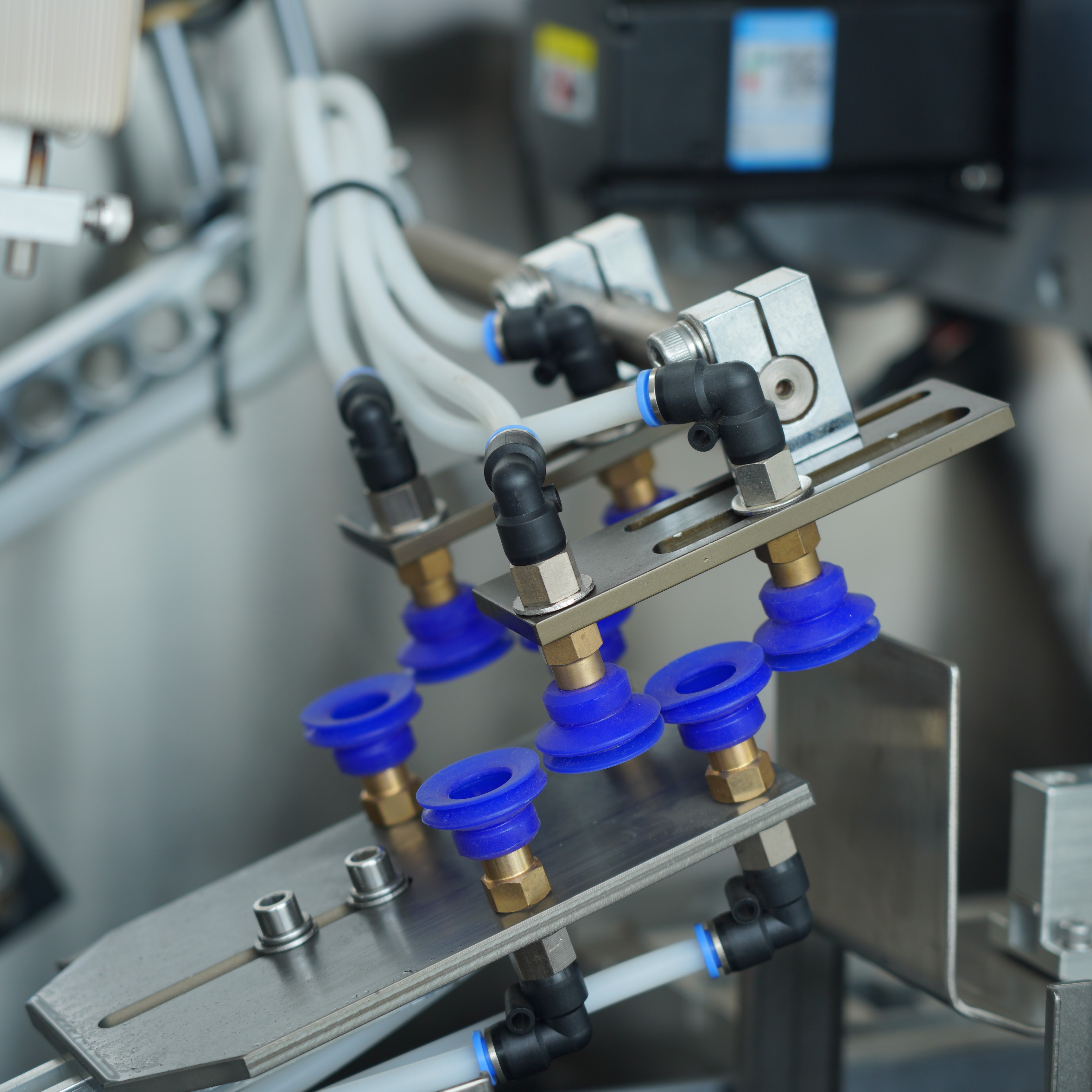
A carton box packing machine represents industrial automation designed specifically to handle repetitive packing tasks with minimal human intervention. These systems range from semi-automatic models that require operator input to fully automated solutions that integrate with conveyor systems and robotic arms. The primary advantage of a carton box packing machine lies in its ability to process products at consistent speeds, eliminate human variability, and reduce labor dependency. Organizations considering this transition should understand that a carton box packing machine is not simply a faster version of manual labor—it fundamentally transforms how products move through the packing stage, affecting warehouse layout, staffing models, and quality control processes.
A carton box packing machine typically processes between 15 and 200 boxes per minute, depending on complexity and customization requirements. This throughput dramatically exceeds manual packing capabilities, where experienced workers average 20 to 40 boxes per hour. For companies handling seasonal demand peaks or year-round high-volume operations, this speed differential becomes the primary justification for investing in a carton box packing machine. When production demands require consistent output across extended shifts without fatigue-related slowdowns, a carton box packing machine delivers reliable performance that manual operations cannot match over eight to twelve hour periods.
Manual packing introduces inherent physical constraints. Workers experience fatigue, require breaks, and maintain variable performance across shift changes. A carton box packing machine eliminates these human factors entirely. For operations needing 500 to 1,000 units packed daily, manual labor may suffice, but beyond these thresholds, the math strongly favors automation. Additionally, manual packing struggles with product variety—changing box sizes or packing configurations requires retraining and setup time, whereas modern carton box packing machine models accommodate rapid format adjustments through programmable controls.
The upfront cost of a carton box packing machine ranges from $50,000 to $500,000 depending on sophistication, speed, and customization. This significant capital requirement demands careful financial modeling. However, the financial case for a carton box packing machine improves substantially when considering the total cost of ownership over five to ten years. Labor costs represent the largest ongoing expense in manual packing operations—wages, benefits, training, and supervision accumulate rapidly. A carton box packing machine requires maintenance, spare parts, and operator training, but these costs typically prove lower than full-time labor expenses for operations exceeding 200,000 boxes annually.
Organizations implementing a carton box packing machine often reduce direct packing labor by 60 to 80 percent. This workforce reduction allows companies to reallocate staff toward quality inspection, product handling, and secondary operations where human judgment adds value. In markets with rising minimum wages and tight labor availability, a carton box packing machine provides protection against future wage inflation and staffing volatility. The payback period for a carton box packing machine typically ranges from two to four years in high-volume environments, after which the system generates pure operational savings.
Manual packing inherently produces variable pack density, sealing quality, and presentation. A carton box packing machine applies consistent pressure, seal temperatures, and positioning to every single unit. For industries where package appearance influences brand perception—cosmetics, pharmaceuticals, electronics—this consistency matters enormously. A carton box packing machine reduces customer complaints related to damaged packaging, misaligned labels, or improperly sealed boxes. Additionally, a carton box packing machine provides precise documentation of each packing operation, creating audit trails that regulatory environments often require.
Manual handling introduces physical stress on products through drops, squeezing, and environmental exposure. A carton box packing machine manages product movement through controlled robotics and padding systems, minimizing damage during the packing process. For fragile items, fresh products, or high-value components, the damage reduction alone justifies investing in a carton box packing machine. Furthermore, automated systems excel at applying protective materials—cushioning, desiccants, temperature controls—with perfect consistency, ensuring compliance with industry standards that manual operations struggle to maintain reliably.
A significant advantage of a carton box packing machine is its ability to scale production without proportional staffing increases. If your business grows from 50,000 to 500,000 units annually, a carton box packing machine handles that expansion through increased runtime—no hiring surge required. Manual packing demands hiring five to ten additional workers for the same volume increase, introducing recruitment delays, training periods, and management overhead. A carton box packing machine provides a stable, predictable operational foundation for growth initiatives.
Modern carton box packing machine models support rapid changeovers between product types, box dimensions, and packing formats. Switching a carton box packing machine between rectangular and asymmetrical boxes typically requires 15 to 30 minutes of reconfiguration, compared to hours of manual process adjustment. This flexibility allows companies to operate diverse product lines efficiently without maintaining separate packing areas. For manufacturers with seasonal product rotation or multiple SKUs, a carton box packing machine delivers operational agility that pure manual operations cannot achieve without significant capital duplication.
A carton box packing machine typically becomes financially justified at production volumes exceeding 150,000 to 200,000 boxes annually. Below this threshold, the capital cost often outweighs labor savings. However, this calculation changes based on local labor rates, product complexity, and required quality standards. In regions with high wage structures or tight labor markets, even lower volumes can justify a carton box packing machine investment.
A carton box packing machine typically requires preventive maintenance every 500 to 1,000 operating hours, including seal element cleaning, conveyor belt inspection, and mechanical component lubrication. Regular maintenance extends equipment lifespan significantly and prevents costly production downtime. Annual maintenance contracts through equipment suppliers cost between $5,000 and $15,000, which remains substantially lower than annual labor costs for equivalent manual operations.
Yes, modern carton box packing machine systems accommodate multiple product types through programmable controls and quick-change components. Format switches require changeover time—typically 15 to 45 minutes depending on complexity—but eliminate the need for separate packing lines. This flexibility makes a carton box packing machine suitable for operations with diverse product portfolios seeking efficiency without equipment proliferation.

2026/09/20
Premade Pouch Machines: Reduce Film Waste, Cut TCO & Achieve Faster ROI

2026/09/20
Cut Premade Pouch Machine Changeover Time by 40% with Proven Best Practices

2026/09/20
Premade Pouch Machines: Boost Throughput, Cut Waste & Improve ROI

2026/09/20
Rotary vs Inline Premade Pouch Machines: Speed, ROI & Scalability Compared

2026/09/20
Premade Pouch Machine: Boost Throughput, Cut Labor Costs & Improve Seal Integrity

2026/09/21
Premade Pouch Machine: Pouch Types, Materials & Filling Guide

