 EN
How to Reduce Film Waste with a Premade Pouch Packaging Machine?
2026/09/20
Premade Pouch Machines: Reduce Film Waste, Cut TCO & Achieve Faster ROI

2026/10/09
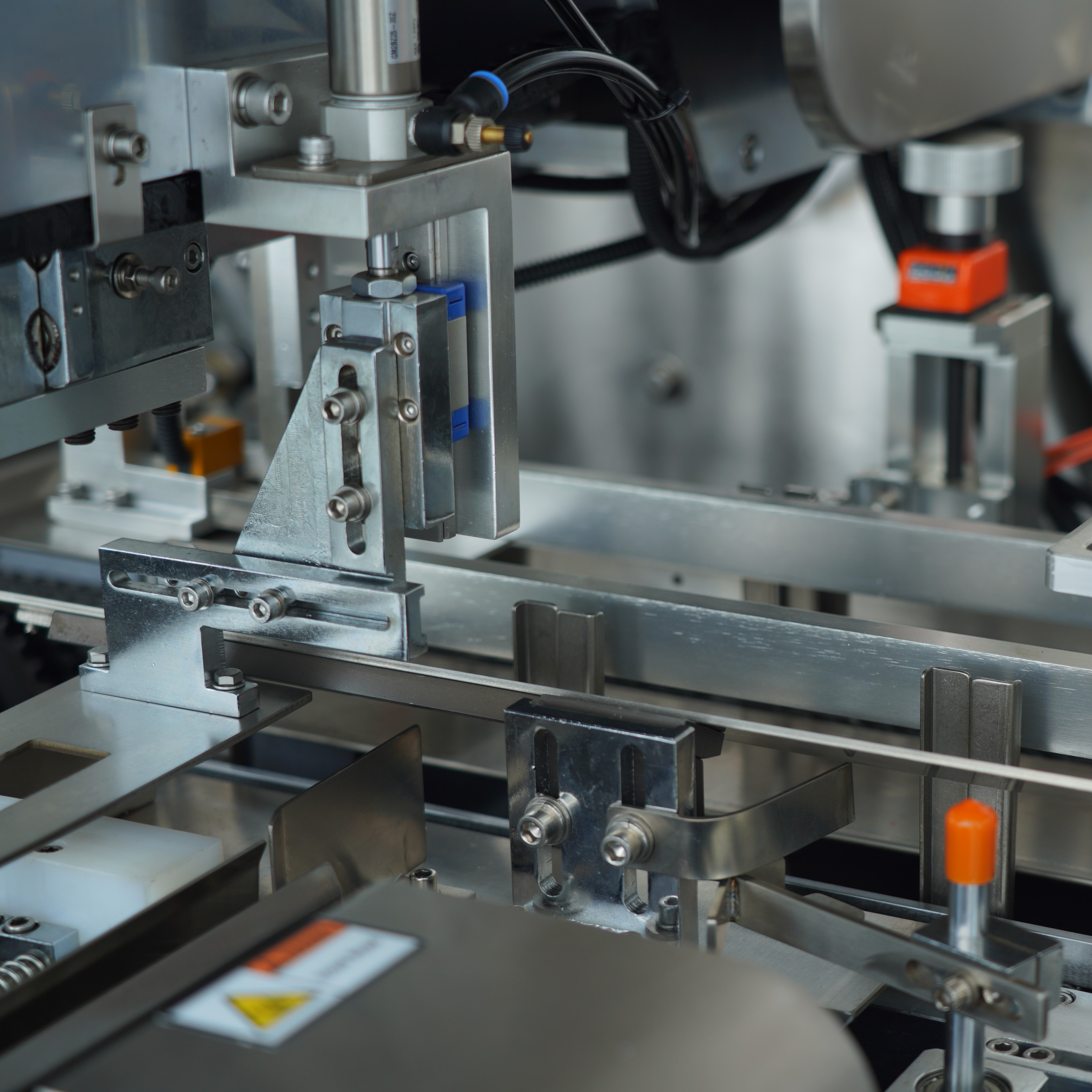
Choosing between a carton box packing machine and wrap around technology represents one of the most significant equipment decisions in modern packaging operations. Both solutions deliver automated efficiency, but they serve different product types, production volumes, and business models. Understanding the fundamental differences between these two approaches is essential before committing capital to either system. The carton box packing machine specializes in placing products into rigid or semi-rigid boxes, while wrap around equipment uses flexible material to secure and contain items. Your selection depends on product characteristics, throughput demands, cost tolerance, and long-term operational strategy.
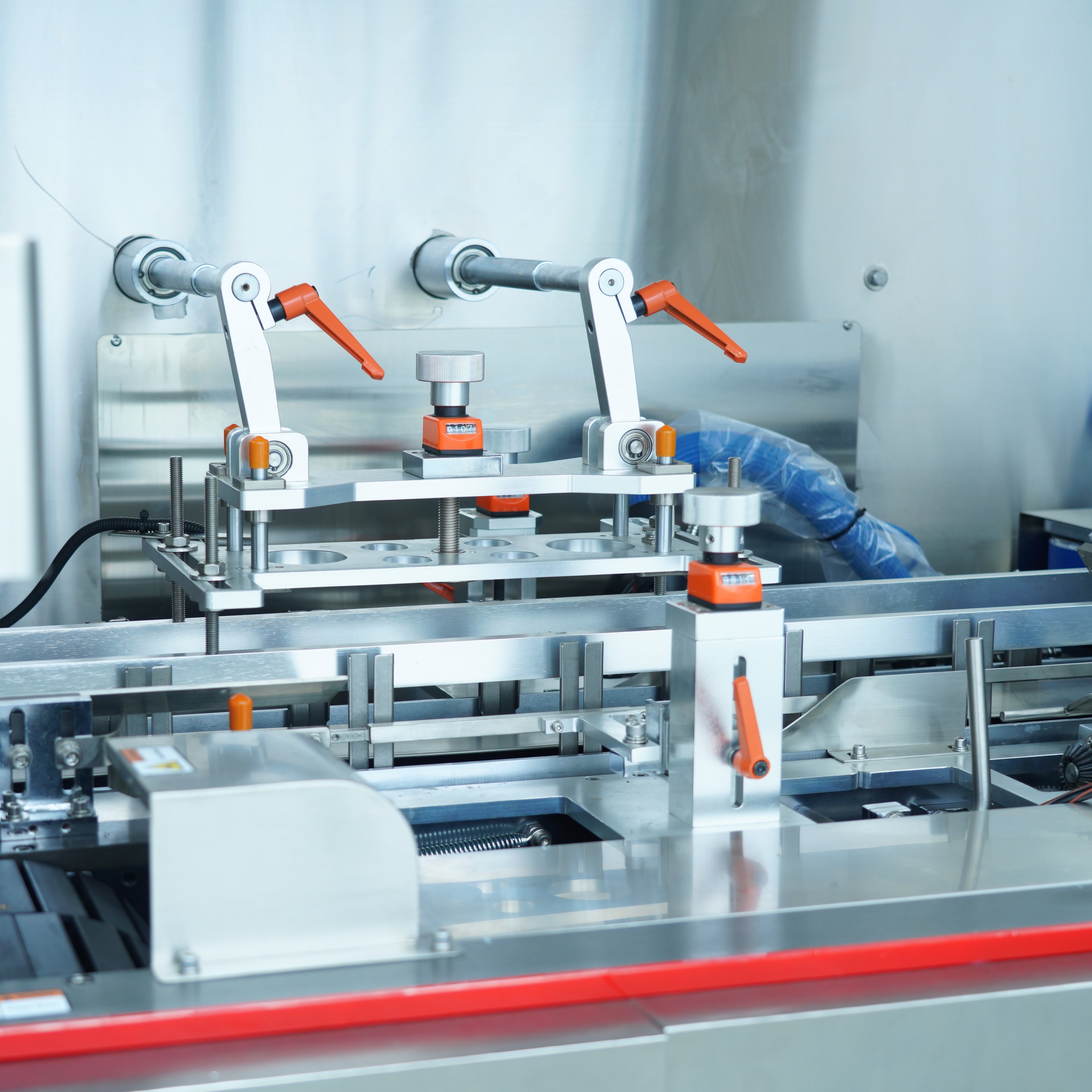
A carton box packing machine operates through a sequential process that begins with blank carton feeding and ends with sealed, labeled packages ready for shipping. The carton box packing machine first forms the carton from a flat blank, positions it correctly, and then transfers the product into the newly formed container. Advanced carton box packing machine designs use vacuum systems or mechanical grippers to handle delicate items safely. The carton box packing machine then folds flaps, applies adhesive or tape, and may include integrated labeling stations. This enclosed approach provides maximum product protection and consistent presentation, making the carton box packing machine ideal for fragile, sensitive, or high-value items requiring premium packaging.
Wrap around machines apply flexible material around product groups or individual items, using continuous rolls of film, paper, or composite materials. Unlike the carton box packing machine approach, wrap around systems work faster with fewer mechanical steps and require less space. Wrap around equipment measures the product dimensions, cuts material to exact length, wraps it securely, and seals edges through heat, adhesive, or mechanical means. This method excels for multipack configurations, bundled products, and high-speed operations where carton box packing machine systems would create production bottlenecks. Wrap around solutions consume less material per package than rigid carton box packing machine alternatives, directly reducing material costs.
The carton box packing machine typically operates at speeds between 30 to 60 packages per minute, depending on box complexity, product size, and sealing method. Advanced carton box packing machine models can reach higher speeds through parallel processing and optimized workflows, but each carton box packing machine unit requires careful calibration for each product configuration. Wrap around machines frequently achieve 80 to 150 packages per minute because they eliminate complex carton formation steps. If your facility demands 200 packages monthly, either system works efficiently. But high-volume producers operating at 10,000 packages daily may find the carton box packing machine challenging without multiple units, whereas wrap around technology scales more easily. Production volume directly influences which technology provides better return on investment.
The carton box packing machine requires mechanical adjustments when switching between box sizes, product types, or carton styles. Setup time for the carton box packing machine can range from 15 minutes to an hour depending on how different the products are. Wrap around systems offer faster changeover because they rely primarily on software adjustments and simple material roll changes. The carton box packing machine favors processors running long production runs of consistent products, while wrap around technology suits facilities producing diverse items in smaller batches. If your business model emphasizes product variety and frequent lineup changes, wrap around equipment typically reduces downtime and increases overall facility utilization compared to traditional carton box packing machine systems.
A new carton box packing machine system typically costs between $150,000 and $400,000 depending on speed, features, and customization requirements. The carton box packing machine price reflects complex mechanical components, servo motors, and vision systems needed for reliable operation. Entry-level wrap around machines range from $80,000 to $200,000, making wrap around technology more accessible for smaller operations. However, the carton box packing machine investment often justifies itself through superior product protection for premium products where packaging damage directly impacts brand perception. When protecting high-margin items or luxury goods, the carton box packing machine cost becomes negligible compared to the value of prevented damage. Your product category and price point significantly influence whether carton box packing machine capital costs represent prudent investment or wasteful overspend.
Material costs strongly favor wrap around solutions because films typically cost $0.05 to $0.15 per package while carton boxes range from $0.20 to $0.60 per unit. The carton box packing machine requires adhesive, tape, or mechanical systems to seal boxes, adding secondary material expenses. Wrap around film often comes from single suppliers, simplifying procurement, while carton box packing machine boxes require diverse specifications and frequent reordering. Energy consumption differs minimally between systems, but maintenance costs for the carton box packing machine tend higher due to mechanical complexity. For operations running 20 million packages annually, material savings with wrap around technology versus carton box packing machine systems could exceed $3 million annually. However, if your carton box packing machine protects products that otherwise require expensive damage replacements, material cost comparisons become secondary to risk mitigation.
The carton box packing machine excels for pharmaceuticals, cosmetics, electronics, food products, and any items requiring regulated packaging documentation printed directly on the carton. Regulatory compliance often mandates specific carton box packing machine packaging with serialization, lot coding, and traceability information. Fragile items like glassware, specialty ceramics, and precision instruments benefit from the rigid protection only a carton box packing machine provides. Products requiring internal packaging inserts, desiccants, or temperature-control materials integrate seamlessly into carton box packing machine workflows. Premium consumer goods where packaging design communicates brand value justify carton box packing machine investment. If your product category involves GMP, FDA, or international regulatory requirements, the carton box packing machine typically represents the required standard rather than an optional alternative.
Wrap around systems prove superior for bundled products, multipacks, corrugated cases, and items where speed and material economy drive profitability. Beverage manufacturers, food processors, and personal care companies frequently prefer wrap around technology for secondary packaging because it maintains visibility of products while protecting against damage and contamination. Sustainable packaging initiatives favor wrap around systems because they use less material and often work with recyclable or compostable films compared to carton box packing machine systems. Industries producing high-volume standardized products find wrap around equipment reduces per-unit costs significantly. If your business model emphasizes sustainability, rapid delivery, or cost leadership rather than premium brand positioning, wrap around technology typically outperforms carton box packing machine alternatives. Environment-conscious consumers increasingly prefer minimalist wrap around packaging over traditional carton box packing machine boxes.
The fundamental difference lies in packaging method. A carton box packing machine places products into rigid or semi-rigid boxes, providing maximum protection and regulatory compliance capabilities. Wrap around machines apply flexible material around products, prioritizing speed and material efficiency. The carton box packing machine creates fully enclosed, branded packaging ideal for premium products, while wrap around technology serves high-volume, cost-sensitive applications where speed matters more than elaborate packaging presentation.
Wrap around machines typically operate at 80 to 150 packages per minute compared to 30 to 60 packages per minute for most carton box packing machine systems. The carton box packing machine requires more mechanical steps including carton formation, product insertion, and complex sealing, which inherently limits speed. Wrap around technology's simpler process and fewer mechanical operations enable higher throughput. However, advanced carton box packing machine models with parallel processing capabilities can achieve competitive speeds for specific applications.
Initial equipment costs favor wrap around systems at $80,000 to $200,000 versus $150,000 to $400,000 for carton box packing machine systems. However, material costs significantly favor wrap around technology, with films costing roughly one-third the price of carton boxes. Total cost analysis must include product protection value, regulatory requirements, and production volume. A carton box packing machine protecting expensive pharmaceuticals may generate superior overall ROI despite higher capital investment, while high-volume consumer goods producers achieve better margins with wrap around technology.

2026/09/20
Premade Pouch Machines: Reduce Film Waste, Cut TCO & Achieve Faster ROI

2026/09/20
Cut Premade Pouch Machine Changeover Time by 40% with Proven Best Practices

2026/09/20
Premade Pouch Machines: Boost Throughput, Cut Waste & Improve ROI

2026/09/20
Rotary vs Inline Premade Pouch Machines: Speed, ROI & Scalability Compared

2026/09/20
Premade Pouch Machine: Boost Throughput, Cut Labor Costs & Improve Seal Integrity

2026/09/21
Premade Pouch Machine: Pouch Types, Materials & Filling Guide

