 EN
How to Reduce Film Waste with a Premade Pouch Packaging Machine?
2026/09/20
Premade Pouch Machines: Reduce Film Waste, Cut TCO & Achieve Faster ROI

2026/10/21
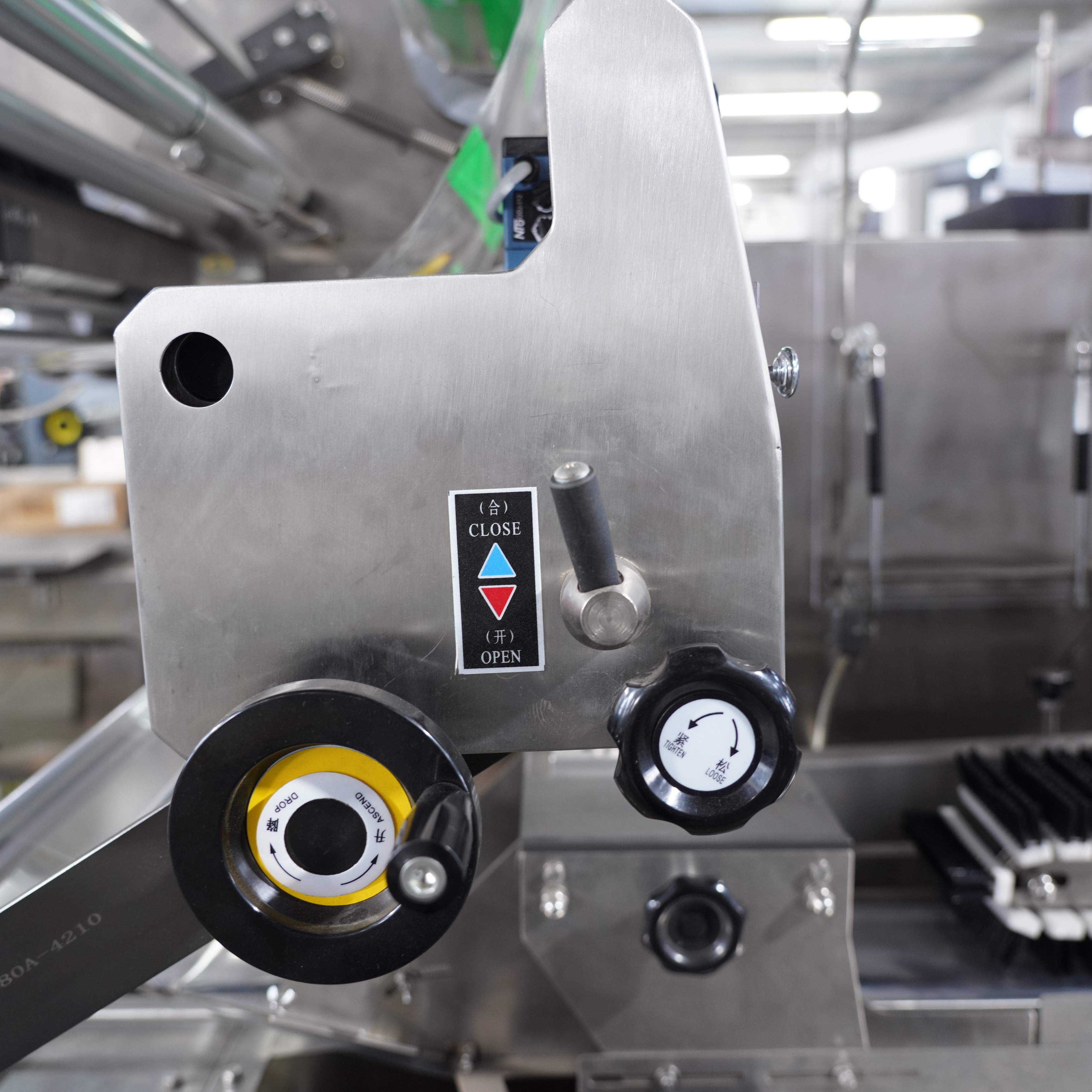
When evaluating packaging equipment for your production line, cost comparison between a flow wrap machine and an overwrap machine is essential for making the right investment decision. Both technologies serve the packaging industry, but they operate on fundamentally different principles and carry distinct price implications for manufacturers. Understanding the cost dynamics between these two systems can help you allocate your capital more effectively and select equipment that delivers the best return on investment for your specific packaging needs.
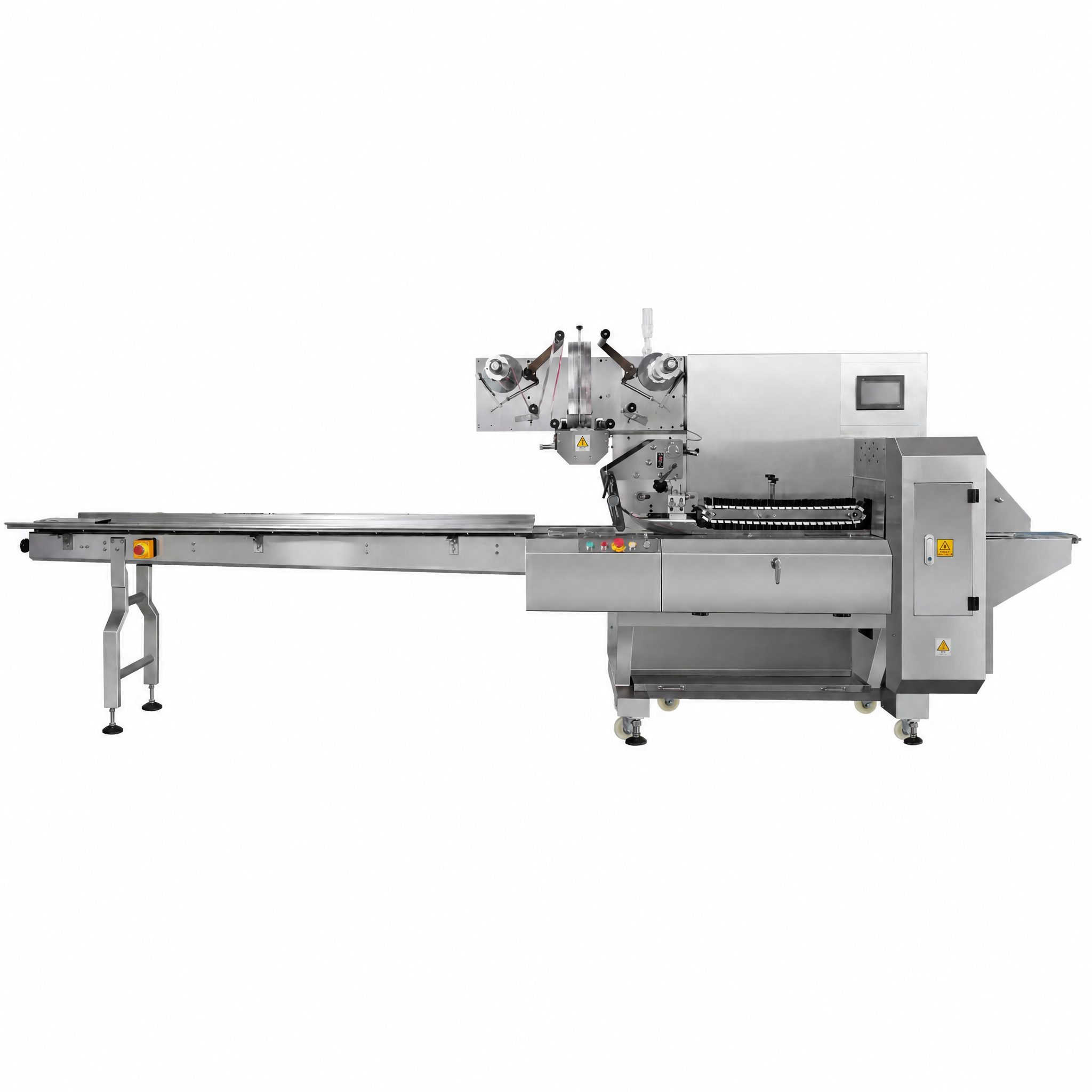
A flow wrap machine automates the process of wrapping products horizontally with film, creating a sealed package as items move along the production line. Overwrap machines, by contrast, wrap products using a different mechanical approach and film application method. The cost difference between these systems extends beyond initial purchase price to include operational expenses, maintenance requirements, and productivity metrics that accumulate over the equipment's lifetime.
A flow wrap machine typically represents a mid-range investment in packaging automation. The entry-level models start at lower price points suitable for small to medium production volumes, while industrial-grade flow wrap machine units with higher throughput capacity command premium pricing. The cost of a flow wrap machine generally reflects its speed capacity, measured in packages per minute, and the width range it can accommodate. Basic models operate at 20 to 40 packages per minute, whereas advanced flow wrap machine systems can exceed 100 packages per minute for high-speed production environments.
Additional features that increase the price of a flow wrap machine include servo motor controls, adjustable film tension systems, touch-screen interfaces, and customizable sealing parameters. A standard flow wrap machine with moderate specifications typically costs between $25,000 and $80,000, depending on build quality, speed capacity, and integrated features. More sophisticated flow wrap machine models with advanced automation can reach $100,000 to $150,000 or higher for specialized applications.
Overwrap machines employ a different mechanical design and wrapping mechanism, which influences their pricing structure. Traditional overwrap machines are often positioned at similar or sometimes lower entry-level costs compared to basic flow wrap machine units. However, the capabilities and limitations of overwrap machines differ significantly. Standard overwrap machines typically range from $15,000 to $60,000 for entry-level and mid-range models, with industrial-capacity units reaching $75,000 to $120,000.
The lower starting price of some overwrap machines can be attractive for budget-conscious buyers, but this initial cost advantage may not translate to overall savings when considering operational efficiency and long-term performance. Overwrap machines designed for specific product geometries or specialized applications may carry premium pricing comparable to mid-range flow wrap machine models.
A flow wrap machine operates with superior film efficiency compared to overwrap machines in most production scenarios. The horizontal wrapping mechanism of a flow wrap machine minimizes film waste during the wrapping cycle, resulting in lower ongoing material costs. Film consumption directly affects operational expenses, and a flow wrap machine can reduce per-package film costs by 10 to 25 percent depending on product size and configuration. Over thousands of production runs, this efficiency translates to significant cumulative savings that offset the initial purchase price of a flow wrap machine.
Overwrap machines typically consume more film per package due to their wrapping methodology and the way the material overlaps during the wrapping process. The extra film consumption means higher material expenses over the machine's operational lifetime. If your annual production volume is substantial, the film cost differential between a flow wrap machine and an overwrap machine becomes a critical expense factor that can exceed the equipment cost difference within a few years of operation.
A flow wrap machine with modern servo-driven controls generally requires less frequent maintenance compared to traditional mechanical overwrap machines. The advanced control systems in contemporary flow wrap machine units monitor seal quality, detect film breaks automatically, and require routine maintenance limited to sealing jaws, film guides, and motor inspections. Regular maintenance for a flow wrap machine involves scheduled cleaning and lubrication, typically requiring 2 to 4 hours monthly.
Overwrap machines with mechanical cam systems and traditional clutch mechanisms often demand more intensive maintenance schedules. The mechanical nature of traditional overwrap systems involves more moving parts, higher wear rates on certain components, and more frequent adjustments to maintain consistent wrapping quality. Service calls and replacement parts for overwrap machines can accumulate faster, adding to total cost of ownership. A flow wrap machine, being electronically controlled, can often be adjusted remotely or through software updates, reducing downtime and service expenses.
Modern flow wrap machine models are engineered for energy efficiency, consuming less electrical power per cycle compared to many overwrap machines. A flow wrap machine typically uses between 3 to 8 kilowatts during operation, whereas some overwrap machines consume 4 to 10 kilowatts depending on speed and mechanical complexity. Over 24/7 production schedules, the power consumption difference contributes meaningful savings on monthly utility bills, especially in high-volume operations where multiple machines operate simultaneously.
A flow wrap machine delivers superior speed capacity compared to similarly priced overwrap machines, directly impacting your production throughput and revenue generation. Mid-range flow wrap machine models achieve 60 to 80 packages per minute, while equivalent overwrap machines operate at 40 to 60 packages per minute. This speed advantage means a flow wrap machine completes the same production volume in less time, reducing per-package labor costs and increasing factory capacity without requiring additional floor space.
The productivity advantage of a flow wrap machine becomes particularly valuable when production demands fluctuate or grow unexpectedly. Investing in a flow wrap machine with higher speed capacity provides growth headroom, allowing your current equipment to handle increased volume without immediate equipment replacement. For manufacturers with annual production growth projections, a flow wrap machine offers better future-proofing than choosing a lower-cost overwrap machine that may require premature replacement or supplementation.
A flow wrap machine with modern control systems typically exhibits higher reliability and fewer unexpected breakdowns compared to mechanical overwrap machines. Servo-driven flow wrap machine systems provide consistent performance with minimal variability between cycles, reducing quality defects and rejected packages. Lower reject rates directly reduce material waste and improve profitability per production run.
Overwrap machines with mechanical systems experience more wear-related performance degradation over time, leading to increasing downtime as components age. The cumulative effect of reliability differences means a flow wrap machine maintains consistent output throughout its service life, whereas overwrap machines may require replacement or major rebuilding sooner. This reliability factor significantly impacts the true cost of ownership and total value delivered over five to ten years of operation.
Not necessarily on the surface, but the total cost perspective changes when you calculate operational expenses. While entry-level overwrap machines may have lower initial prices, a flow wrap machine typically costs less to operate over its lifetime due to superior film efficiency, lower maintenance requirements, and reduced energy consumption. When you account for film costs, maintenance, energy, and downtime across five years of operation, a flow wrap machine often proves more economical despite a potentially higher initial purchase price. For high-volume manufacturers, the flow wrap machine cost advantage becomes even more pronounced.
A flow wrap machine becomes cost-justified at production volumes exceeding 500,000 packages annually. Below this threshold, the operational cost savings from film efficiency and maintenance advantages may not fully offset the higher equipment investment. However, manufacturers planning rapid growth or operating multiple production lines benefit from a flow wrap machine even at lower current volumes, as the equipment's longevity and upgrade capacity provide value beyond immediate payback calculations. Consider your three to five-year production forecast, not just current volume, when evaluating flow wrap machine investment decisions.
Primary hidden costs for a flow wrap machine include operator training, facility modifications for electrical requirements, and specialized film sourcing for certain applications. Unlike purchases of simpler machinery, a flow wrap machine requires trained personnel to adjust parameters and troubleshoot minor issues, representing an ongoing labor cost. Some specialized products may require custom film formulations or widths that carry premium pricing. Additionally, older facility infrastructure may require electrical upgrades to support modern flow wrap machine power requirements, adding to installation expenses. Budget 10 to 15 percent above equipment purchase price for these additional considerations.

2026/09/20
Premade Pouch Machines: Reduce Film Waste, Cut TCO & Achieve Faster ROI

2026/09/20
Cut Premade Pouch Machine Changeover Time by 40% with Proven Best Practices

2026/09/20
Premade Pouch Machines: Boost Throughput, Cut Waste & Improve ROI

2026/09/20
Rotary vs Inline Premade Pouch Machines: Speed, ROI & Scalability Compared

2026/09/20
Premade Pouch Machine: Boost Throughput, Cut Labor Costs & Improve Seal Integrity

2026/09/21
Premade Pouch Machine: Pouch Types, Materials & Filling Guide

