 EN
How to Reduce Film Waste with a Premade Pouch Packaging Machine?
2026/09/20
Premade Pouch Machines: Reduce Film Waste, Cut TCO & Achieve Faster ROI

2026/10/20
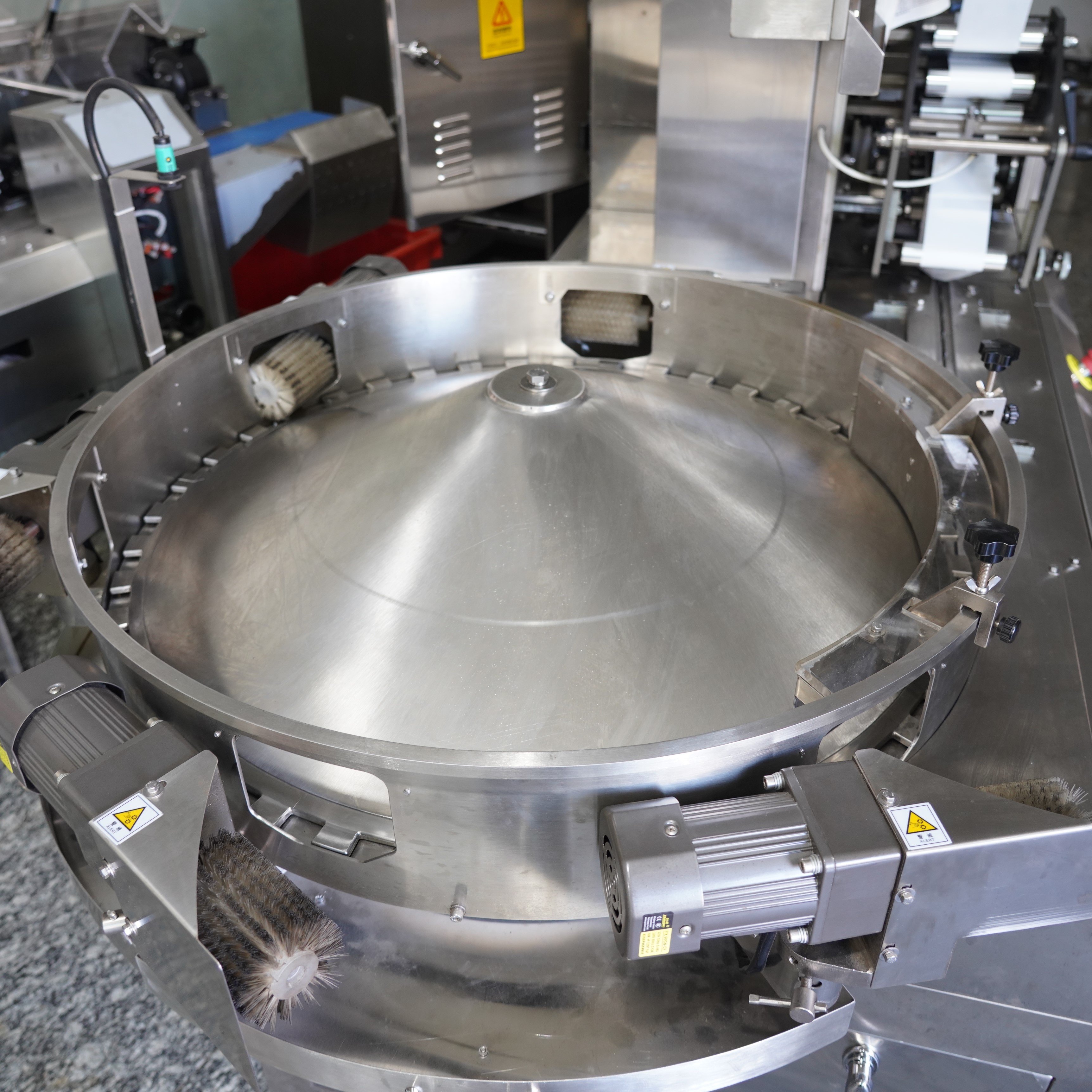
When selecting packaging equipment for your production line, understanding the distinction between a flow wrap machine and pillow pack technology is essential. Both solutions serve the packaging industry, yet they operate through fundamentally different mechanisms and deliver distinct advantages depending on your product type, production volume, and speed requirements. A flow wrap machine continuously wraps products in a horizontal motion, while pillow pack systems create sealed pouches vertically. This core difference impacts everything from film consumption to packaging appearance to operational efficiency.
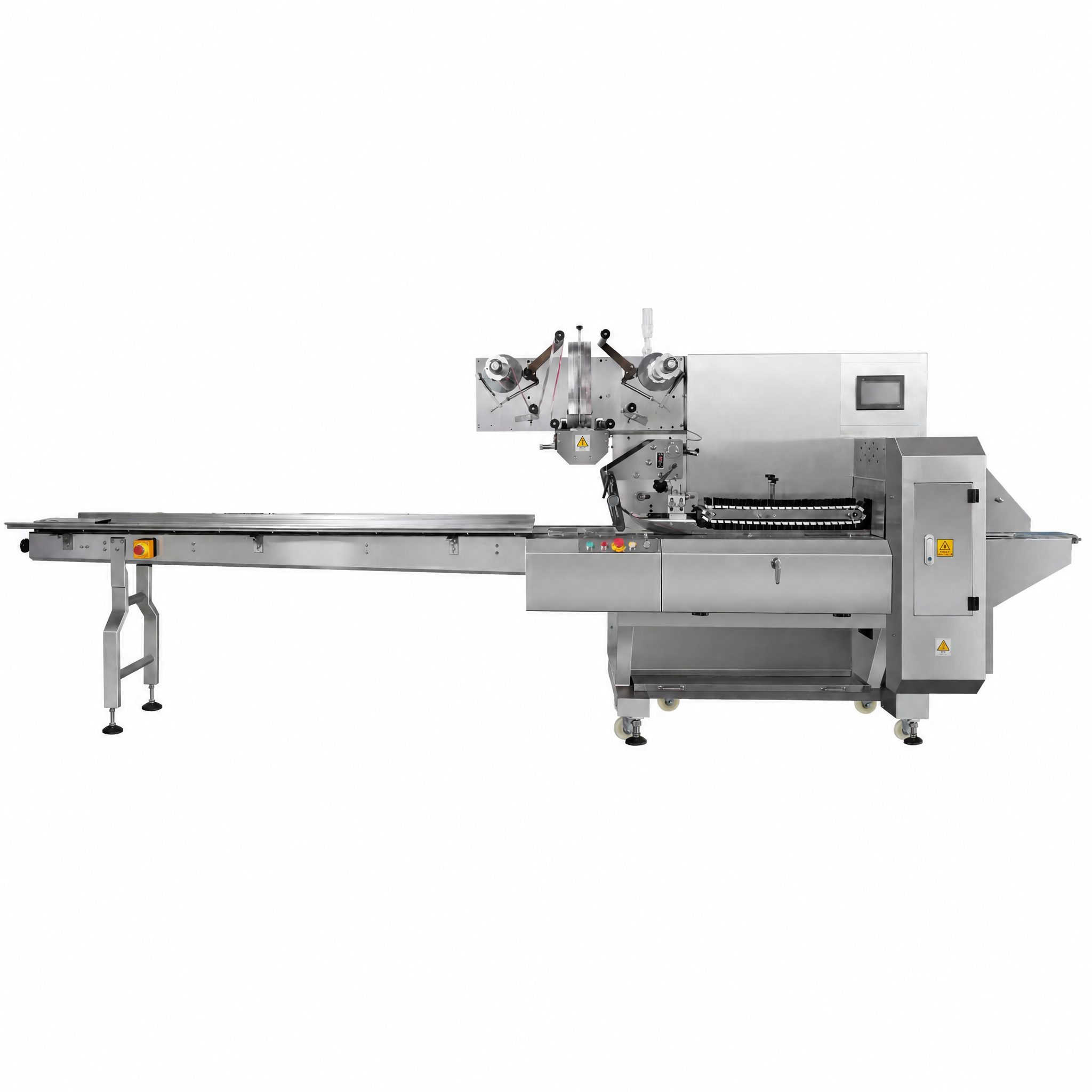
Making the right packaging choice requires more than just price comparison. The flow wrap machine category encompasses several configurations and speed ranges, each suited to different industrial applications. Understanding how a flow wrap machine differs from traditional pillow pack equipment helps manufacturers optimize their packaging line, reduce material waste, and improve product presentation. This guide explores the mechanical, operational, and practical differences that should influence your packaging equipment investment.
The most obvious distinction between a flow wrap machine and pillow pack equipment lies in their directional approach. A flow wrap machine feeds products horizontally across a continuous film roll. The film wraps around the product in a horizontal plane, and sealing occurs on one side as the package moves along the conveyor. This horizontal orientation means products enter from one end and exit fully wrapped from the other. Pillow pack systems, by contrast, operate vertically. Film is pulled downward from a roll positioned above the product, forming a pillow shape as the product is enclosed. The film folds around the product and seals both sides simultaneously, creating the characteristic 'pillow' appearance that gives the technology its name.
Film efficiency differs significantly between these two technologies. In a flow wrap machine, the film moves continuously around the product, requiring precise synchronization between product feed speed and film advancement. The flow wrap machine uses film more economically for certain product types because the wrapping process creates minimal overlap. Pillow pack systems require more film to create the top and bottom seals, which can increase per-unit film consumption by 15 to 25 percent depending on product dimensions. For manufacturers packaging thousands of units daily, the cumulative film savings offered by a flow wrap machine can represent substantial cost reductions over months and years of operation.
A flow wrap machine typically achieves higher production speeds than pillow pack equipment, especially for smaller to medium-sized products. Modern high-speed flow wrap machine models can package 80 to 300 products per minute, depending on the machine model and product dimensions. Pillow pack systems generally operate at 20 to 120 cycles per minute, making them suitable for lower-volume production or larger individual items. If your facility requires high-speed packaging of snacks, confectionery, pharmaceutical tablets, or similar compact products, a flow wrap machine delivers superior throughput. Conversely, if you package larger individual items or operate in lower-volume sectors, pillow pack equipment may provide adequate speed with simpler operation and lower capital investment.
A flow wrap machine contains more moving parts because the continuous film advancement and synchronization require multiple servo motors, sensors, and mechanical actuators. This complexity means the flow wrap machine demands regular preventive maintenance and technical expertise. Pillow pack systems typically feature simpler mechanics with fewer moving components, resulting in lower maintenance frequency and easier troubleshooting. However, the flow wrap machine's superior reliability at speed compensates for this added complexity when high-volume output is your priority. Training staff to operate and maintain a flow wrap machine requires more technical depth than pillow pack operation, which is a relevant consideration if your facility has limited technical resources.
A flow wrap machine excels at packaging products with regular, symmetrical shapes. Biscuits, bars, tablets, candy, frozen items, and similar products wrap beautifully on a flow wrap machine, creating attractive, uniform packages that appeal to retail buyers. The continuous motion of the flow wrap machine also works well for products that tolerate gentle handling during the wrapping process. Pillow pack systems accommodate irregularly shaped products more flexibly because the vertical approach allows more product shape variation without jamming or misalignment. Delicate items, fresh produce, or products with uneven surfaces sometimes function better on pillow pack equipment. Consider your specific product geometry when evaluating whether a flow wrap machine or pillow pack system better serves your production reality.
The visual presentation created by each technology influences consumer perception and retail placement. Packages created by a flow wrap machine typically feature a distinctive sealed edge on one side and a smooth, streamlined appearance that conveys modern, efficient manufacturing. Pillow-pack bags present a different aesthetic, with sealed edges on the top and bottom creating a more pouch-like silhouette. Retail buyers and end consumers often associate flow wrap machine packages with premium positioning and careful quality control. Pillow pack formats dominate certain categories like frozen vegetables, dried goods, and bulk items where the pouch format communicates functionality. Your target market's expectations about package appearance should influence whether a flow wrap machine or pillow pack aligns with your brand positioning strategy.
A flow wrap machine represents a higher capital investment than most pillow pack systems, typically ranging from twenty to sixty thousand dollars depending on speed capabilities and integrated automation features. The flow wrap machine's complexity justifies this cost through superior output rates and lower per-unit packaging costs. Pillow pack equipment costs less upfront, often ranging from eight to thirty thousand dollars, making it attractive for businesses starting packaging operations or operating in lower-volume segments. However, when you calculate total cost per packaged unit over several years of operation, the flow wrap machine frequently delivers better overall value for high-volume manufacturers. Film costs, labor per unit, maintenance expenses, and energy consumption all factor into the true economic comparison between a flow wrap machine and pillow pack solution.
As your business grows, a flow wrap machine scales more efficiently with existing film supply infrastructure and product handling systems. Upgrading to a faster flow wrap machine model or adding multiple units to your line requires less operational restructuring than equivalent expansion with pillow pack equipment. The modular design of modern flow wrap machine systems allows integration with automated product feeders, checkweighers, metal detectors, and case packers, supporting factory-wide automation goals. If your production forecast predicts significant growth within three to five years, investing in a quality flow wrap machine provides better long-term flexibility and protection of your capital investment.
A flow wrap machine works best with products that have consistent, regular shapes and withstand gentle handling during the horizontal wrapping process. Biscuits, bars, tablets, candy, and frozen items package beautifully on a flow wrap machine. Irregularly shaped products, delicate items, or products requiring specific pouch formats may require a pillow pack system instead. Always test your specific product on a flow wrap machine before purchasing to ensure compatibility with the horizontal wrapping motion.
A flow wrap machine typically consumes 15 to 25 percent less film per package than a pillow pack system because the wrapping process creates minimal overlap. For manufacturers packaging millions of units annually, this reduction in film consumption translates to significant annual savings. The exact savings depend on product dimensions, film gauge, and the specific model of flow wrap machine you operate. Calculating your facility's potential film savings requires analyzing your expected production volume and current per-unit film costs.
Modern flow wrap machine models achieve production speeds between 80 and 300 packages per minute, depending on the machine model, product dimensions, and wrapping film specifications. Entry-level flow wrap machine systems typically operate at 80 to 120 packages per minute, while industrial-grade models exceed 200 packages per minute. Your actual production speed depends on the specific configuration of your flow wrap machine, so consulting the manufacturer's specifications for your intended model ensures accurate capacity planning and investment decisions.

2026/09/20
Premade Pouch Machines: Reduce Film Waste, Cut TCO & Achieve Faster ROI

2026/09/20
Cut Premade Pouch Machine Changeover Time by 40% with Proven Best Practices

2026/09/20
Premade Pouch Machines: Boost Throughput, Cut Waste & Improve ROI

2026/09/20
Rotary vs Inline Premade Pouch Machines: Speed, ROI & Scalability Compared

2026/09/20
Premade Pouch Machine: Boost Throughput, Cut Labor Costs & Improve Seal Integrity

2026/09/21
Premade Pouch Machine: Pouch Types, Materials & Filling Guide

