 EN
How to Reduce Film Waste with a Premade Pouch Packaging Machine?
2026/09/20
Premade Pouch Machines: Reduce Film Waste, Cut TCO & Achieve Faster ROI

2026/10/21
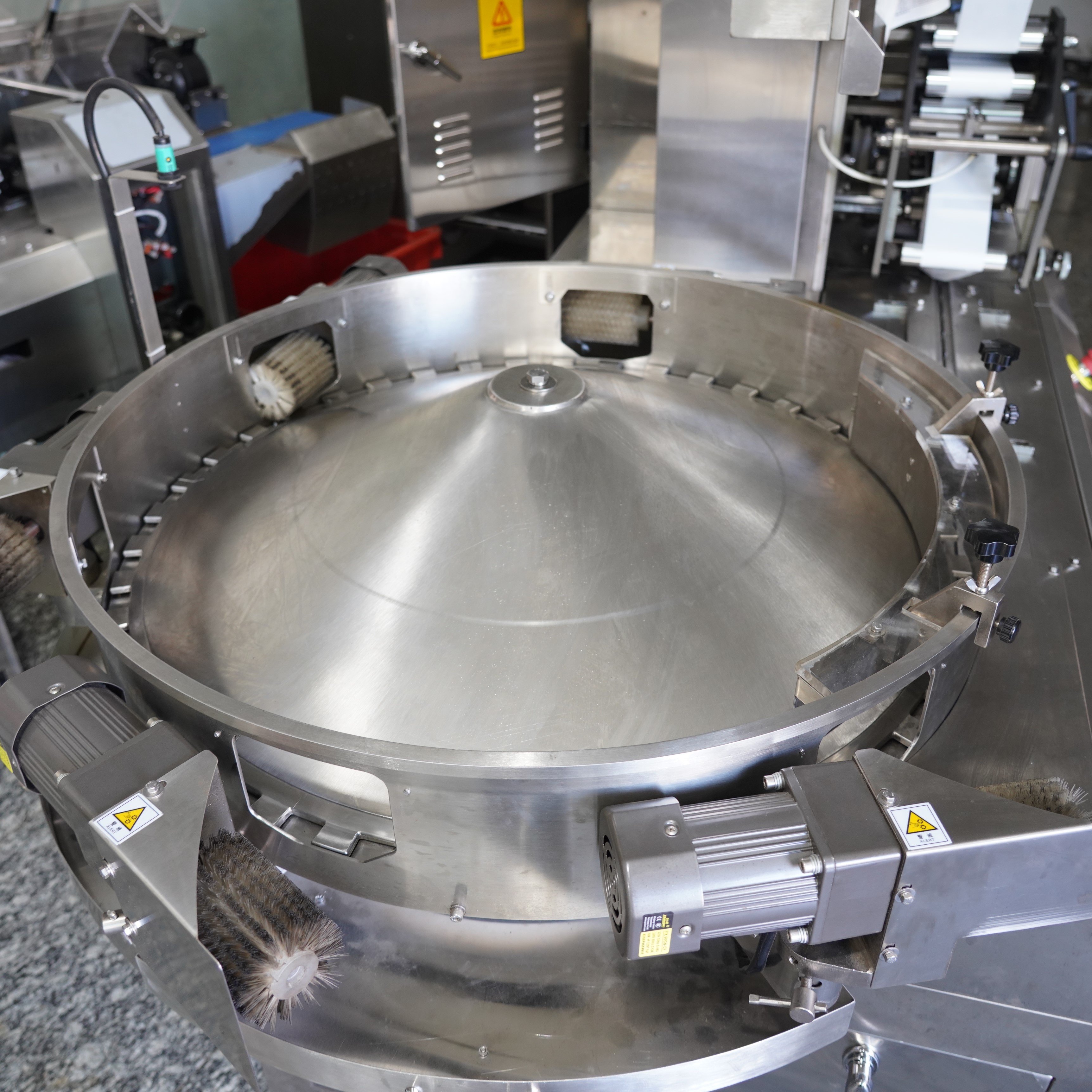
Choosing the right packaging equipment is one of the most critical decisions for manufacturers and packagers seeking to optimize production efficiency, reduce costs, and maintain product quality. The debate between a flow wrap machine and shrink wrap technology continues to dominate packaging facility discussions, as both methods offer distinct advantages depending on your specific operational requirements. Understanding the practical differences between these two approaches enables you to make an informed decision that aligns with your production volume, product type, budget constraints, and long-term growth strategy.
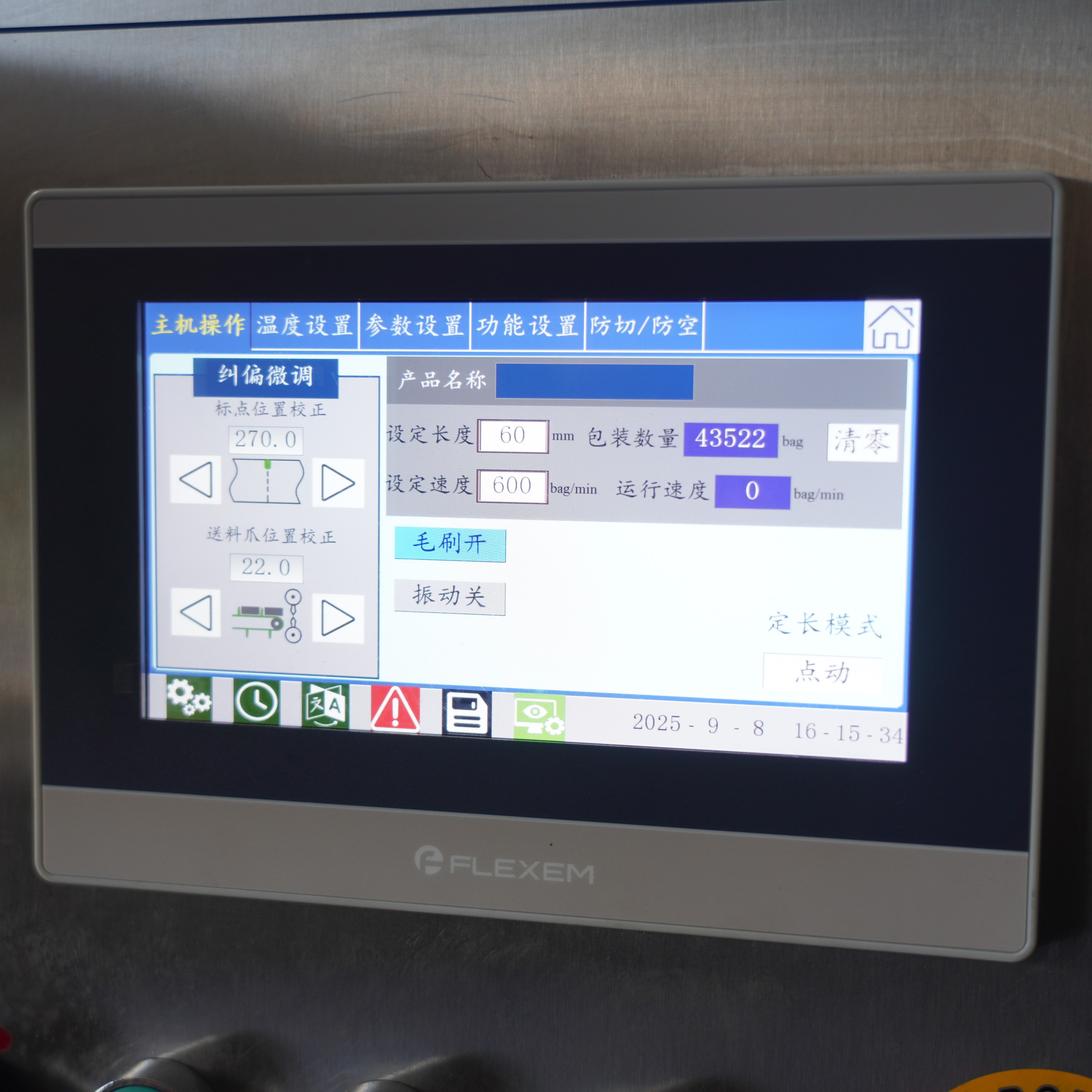
A flow wrap machine operates through a fundamentally different mechanism than shrink wrap systems, making each suited to different packaging scenarios. The flow wrap machine wraps film around products in a continuous, horizontal motion, sealing edges efficiently while maintaining consistent tension and wrap quality. In contrast, shrink wrap relies on heat application to tighten film around products after wrapping, requiring additional thermal processing time. For facilities handling high-speed production runs, understanding these operational differences becomes essential to selecting equipment that maximizes throughput while minimizing waste and labor involvement.
The flow wrap machine applies film in a single, seamless wrapping operation, pulling product-width film from a roll and sealing it immediately as the product moves through the machine. This method eliminates the need for pre-cut film or secondary heat application, making the flow wrap machine significantly faster for continuous production. Shrink wrap, by contrast, requires either manually placing pre-cut film around each item or using an automated dispenser, followed by a heating tunnel or heat gun application to activate shrinkage. The flow wrap machine's design allows it to handle irregular shapes more flexibly, while shrink wrap performs best on items with consistent dimensions.
For facilities operating at high production speeds, the flow wrap machine demonstrates clear efficiency advantages. Modern flow wrap machine models can process 40 to 300+ packages per minute, depending on machine specifications and product dimensions. Shrink wrap systems typically operate at lower speeds because they require cooling time after heat application, reducing overall line throughput. If your facility packages thousands of units daily, selecting a flow wrap machine often justifies the capital investment through labor savings and increased output capacity, whereas shrink wrap suits smaller operations or batch processing scenarios requiring flexibility over pure speed.
A flow wrap machine represents a higher upfront capital expense than basic shrink wrap equipment, typically ranging from moderate to significant investment depending on automation level and production capacity. However, the flow wrap machine's operational efficiency often delivers faster return on investment through reduced labor costs, material waste, and energy consumption. Shrink wrap systems appear cheaper initially but may incur higher ongoing costs through heat energy consumption, pre-cut film waste, and labor requirements for manual placement or continuous monitoring. Maintenance for a flow wrap machine involves regular film tracking adjustments and seal bar cleaning, while shrink wrap equipment requires heat element inspection and replacement cycles.
The flow wrap machine uses continuous film rolls, allowing precise cutting and minimal waste compared to pre-cut film sheets required for shrink wrap operations. This material efficiency translates directly to cost savings, especially for high-volume producers consuming substantial film quantities monthly. Shrink wrap film tends to cost more per unit because it must be cut to length before application, generating trim waste that accumulates over thousands of packages. For operations running hundreds of thousands of units annually, the flow wrap machine's material advantage compounds significantly, often saving 10 to 20 percent on packaging material expenses when calculated across full-year production.
The flow wrap machine excels with products requiring tight, professional-looking wrapping including bars, stacks, bundles, and irregularly shaped items. Bakery products, confectionery, snack foods, and pharmaceutical items benefit from the clean, tamper-evident appearance that a flow wrap machine delivers consistently. The wrapped film creates a secure seal without secondary processing, maintaining product freshness and protecting against contamination during storage and transport. Products sensitive to heat or requiring rapid packaging find the flow wrap machine particularly advantageous since no thermal processing stage follows the wrapping operation, preserving product integrity and reducing handling time.
Shrink wrap film tightly conforms to product surfaces after heating, creating a polished, professional appearance that appeals to premium product positioning in retail environments. Electronics, cosmetics, gift sets, and bundled merchandise often use shrink wrap for its visual appeal and perceived quality. However, shrink wrap requires careful temperature control to avoid product damage or film melt-through on temperature-sensitive items. The flow wrap machine offers comparable professionalism without heat exposure risk, making it increasingly popular for temperature-sensitive or delicate products where shrink wrap's thermal processing presents operational hazards or quality concerns.
Start your equipment selection by calculating monthly or annual production volume and required packaging speed. If your facility packages fewer than 10,000 units monthly, shrink wrap equipment may prove sufficient and cost-effective despite operational limitations. Operations exceeding 50,000 units monthly almost universally benefit from a flow wrap machine's superior speed and automation capabilities. The flow wrap machine becomes economically compelling at volumes between 25,000 and 50,000 units monthly, where labor cost savings and material efficiency justify the investment. Create a detailed cost analysis comparing equipment investment, operational expenses, labor requirements, and material costs across a multi-year period to determine your true financial advantage.
Examine whether your products tolerate heat exposure or demand rapid, gentle handling without secondary processing. A flow wrap machine accommodates fragile items, heat-sensitive products, and unusual shapes more effectively than shrink wrap's thermal processing stage. Review regulatory requirements for your industry, as certain sectors prefer the tamper-evident properties and sealed integrity that a flow wrap machine provides without additional heat steps. Consider future product expansion plans, as a flow wrap machine typically adapts more easily to new product dimensions and types compared to shrink wrap systems requiring new film cuts and heating adjustments.
A flow wrap machine operates continuously without secondary heat application, allowing it to wrap 40 to 300+ packages per minute depending on specifications. Shrink wrap requires heating time after film application, reducing overall throughput significantly. For facilities processing thousands of units daily, the flow wrap machine's speed advantage translates to labor cost savings, increased production capacity, and faster delivery timelines. The flow wrap machine eliminates the cooling period required between heat application and package removal, making it substantially more efficient for high-volume manufacturing environments.
Yes, a flow wrap machine accommodates heat-sensitive products, delicate items, and irregular shapes that shrink wrap's thermal processing might damage or complicate. The flow wrap machine applies film and creates seals mechanically without heating, preserving product integrity for temperature-sensitive medications, certain food items, and electronics. Products with varying dimensions fit more flexibly through a flow wrap machine's adjustable settings, whereas shrink wrap requires consistent product sizing for uniform film coverage and heating. This adaptability makes the flow wrap machine ideal for facilities handling diverse product types or introducing new items regularly.
The flow wrap machine's higher capital cost typically returns through reduced labor expenses, material waste elimination, and energy savings within 12 to 24 months for operations exceeding 25,000 packages monthly. Facilities packaging fewer than 10,000 units monthly may find shrink wrap equipment more financially practical initially, though long-term operational costs often exceed the flow wrap machine's total cost of ownership. Calculate your specific scenario by comparing annual equipment depreciation, labor hours required, material expenses, and energy consumption to determine precise break-even timing. Most manufacturers discover that a flow wrap machine becomes economically superior within two years when production volumes justify the investment.

2026/09/20
Premade Pouch Machines: Reduce Film Waste, Cut TCO & Achieve Faster ROI

2026/09/20
Cut Premade Pouch Machine Changeover Time by 40% with Proven Best Practices

2026/09/20
Premade Pouch Machines: Boost Throughput, Cut Waste & Improve ROI

2026/09/20
Rotary vs Inline Premade Pouch Machines: Speed, ROI & Scalability Compared

2026/09/20
Premade Pouch Machine: Boost Throughput, Cut Labor Costs & Improve Seal Integrity

2026/09/21
Premade Pouch Machine: Pouch Types, Materials & Filling Guide

