 EN
How to Reduce Film Waste with a Premade Pouch Packaging Machine?
2026/09/20
Premade Pouch Machines: Reduce Film Waste, Cut TCO & Achieve Faster ROI

2026/10/19
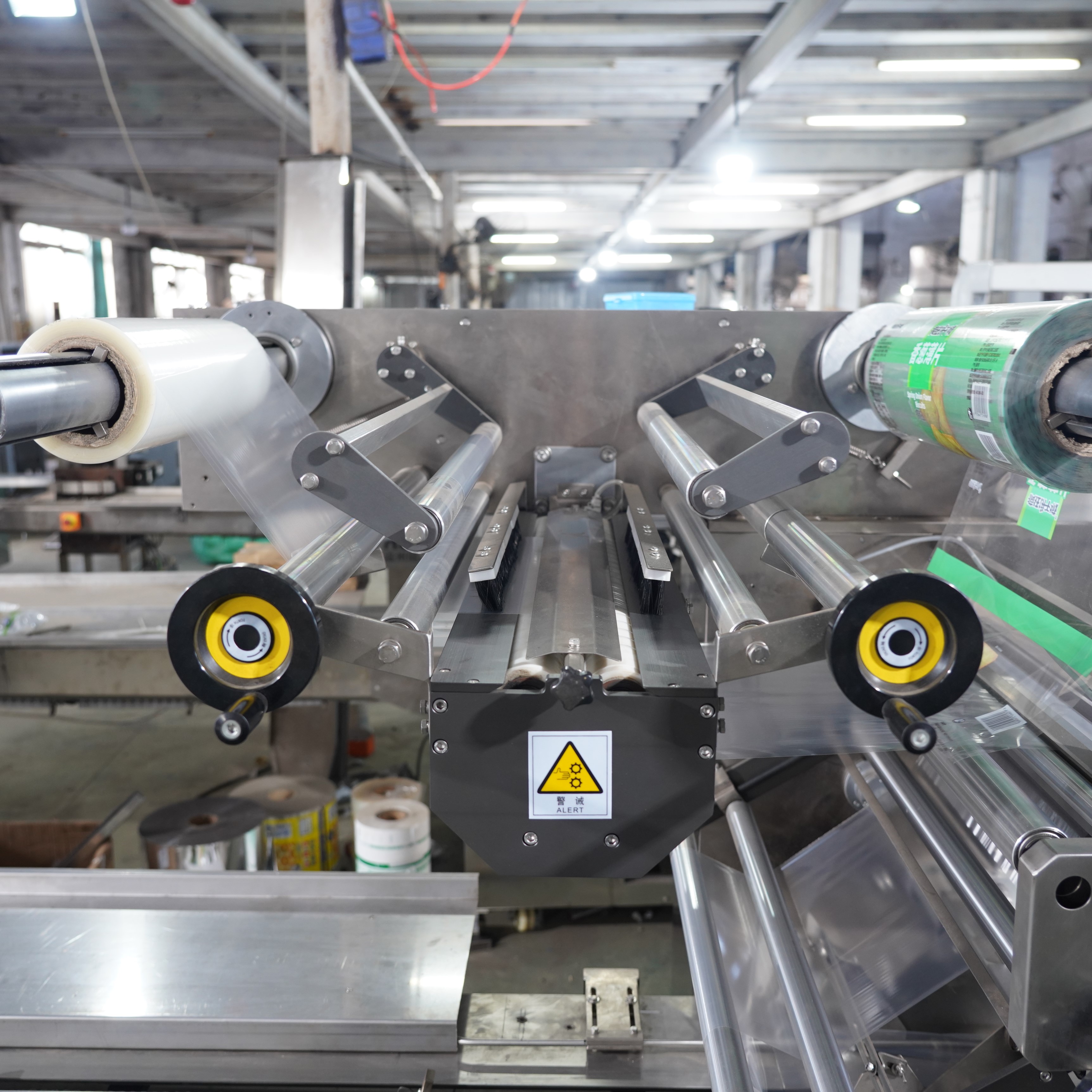
The choice between a horizontal flow pack machine and a shrink tunnel represents one of the most critical decisions in packaging line design. Both technologies serve essential roles in modern production environments, yet they operate on fundamentally different principles and serve distinct packaging requirements. Understanding the key differences between a horizontal flow pack machine and a shrink tunnel is vital for manufacturers seeking to optimize their packaging efficiency, reduce operational costs, and maintain product quality. This comprehensive guide explores the technical distinctions, operational capabilities, and practical applications that set these two technologies apart.
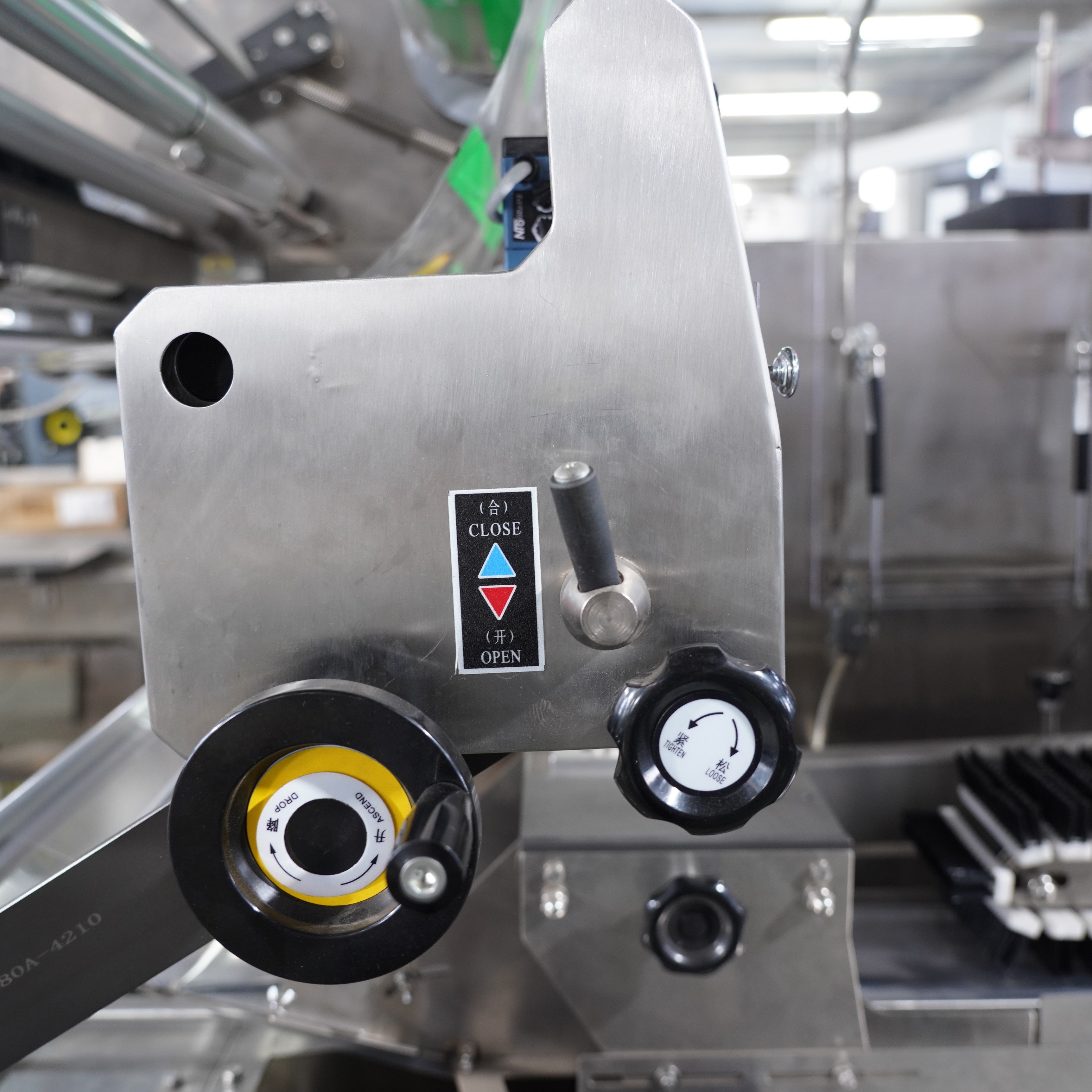
When selecting packaging equipment, manufacturers must consider how a horizontal flow pack machine differs from a shrink tunnel in terms of film application, sealing methodology, and final product appearance. These machines are not interchangeable despite both being integral to packaging workflows. The decision between a horizontal flow pack machine and a shrink tunnel depends heavily on your product characteristics, production volume, budget constraints, and desired packaging aesthetics.
A horizontal flow pack machine, also known as a flow wrapper, applies flexible film around products in a horizontal direction and creates seals along the leading and trailing edges of the package. The machine feeds products continuously through the wrapping chamber, where film unrolls from a supply roll, wraps around the product, and thermal sealing bars bond the overlapping film edges together. This horizontal flow pack machine design allows for rapid, consistent wrapping of diverse product shapes and sizes without requiring the product to pass through multiple processing stages.
A horizontal flow pack machine typically works with flexible packaging films such as polypropylene, polyester, and laminated materials. The versatility of a horizontal flow pack machine makes it suitable for wrapping candies, baked goods, snack products, pharmaceuticals, and small manufactured items. Unlike specialized packaging systems, a horizontal flow pack machine can accommodate varying product dimensions through simple mechanical adjustments, making it an economical choice for manufacturers producing multiple product lines or SKUs on the same equipment.
A shrink tunnel operates on an entirely different principle than a horizontal flow pack machine. While a horizontal flow pack machine applies and seals film mechanically, a shrink tunnel requires pre-packaged products wrapped loosely in shrink film. The products then pass through a heated chamber where thermal energy causes the shrink film to contract tightly around the package, creating a professional, tamper-evident finish. This two-stage process differs fundamentally from how a horizontal flow pack machine functions in a single integrated operation.
Shrink tunnels employ controlled heating zones that gradually warm the shrink film to optimal contraction temperatures. The uniform heat distribution within a shrink tunnel ensures consistent package appearance and prevents damage to temperature-sensitive products. Unlike a horizontal flow pack machine, which relies on cold-seal or heat-seal technology without external heating chambers, a shrink tunnel requires precise temperature management and timing to achieve proper film shrinkage without product degradation or film burning.
A horizontal flow pack machine typically achieves higher throughput rates because the wrapping and sealing occur simultaneously within a single compact unit. Production speeds for a horizontal flow pack machine often range from 40 to 300 packages per minute depending on product size and film specifications. Shrink tunnels, conversely, are limited by the time required for film shrinkage and cooling, typically processing 30 to 150 packages per minute. When maximizing output, a horizontal flow pack machine generally outperforms shrink tunnel operations for high-volume production environments.
A horizontal flow pack machine consolidates wrapping and sealing into one relatively compact machine, requiring less floor space than a complete shrink tunnel system. A horizontal flow pack machine typically occupies a footprint of 2 to 4 meters in length, whereas a shrink tunnel system requires space for pre-packaging operations, the heated tunnel chamber, and cooling zones. For manufacturers with limited facility space, a horizontal flow pack machine provides significant advantages over the extensive infrastructure demanded by a shrink tunnel setup.
Operating a horizontal flow pack machine requires training in film threading, temperature settings for thermal sealing, and basic adjustments for product dimension changes. A horizontal flow pack machine maintenance involves routine cleaning, seal bar inspection, and film supply monitoring. Shrink tunnel systems demand additional expertise in temperature calibration, humidity control, and conveyor system management. The simpler operational profile of a horizontal flow pack machine often results in lower training costs and faster operator proficiency compared to shrink tunnel equipment.
A horizontal flow pack machine represents a moderate capital investment, with pricing ranging from $20,000 to $100,000 depending on speed and features. A shrink tunnel system, including pre-packaging equipment and proper cooling infrastructure, typically costs $40,000 to $150,000 or more. For small to mid-sized manufacturers, a horizontal flow pack machine offers faster payback through lower equipment costs and reduced operational overhead. The investment decision should factor in production volume, product characteristics, and long-term expansion plans when comparing a horizontal flow pack machine to shrink tunnel alternatives.
A horizontal flow pack machine consumes flexible film continuously but requires minimal energy beyond the sealing operation. Operating expenses for a horizontal flow pack machine focus primarily on film inventory management and maintenance. Shrink tunnels consume significant electrical energy for heating chambers and often require additional equipment for pre-wrapping. When analyzing total cost of ownership, a horizontal flow pack machine generally demonstrates lower per-unit packaging costs, particularly for facilities with limited capital budgets or variable production requirements.
A horizontal flow pack machine excels at packaging smaller items that benefit from economical, fast wrapping. Chocolates, candies, snack bars, pharmaceutical tablets, and individual portions of bakery products are ideal candidates for a horizontal flow pack machine. Products requiring high-speed packaging and frequent SKU changeovers gain efficiency advantages from a horizontal flow pack machine. Additionally, products sensitive to the heat exposure involved in shrink tunnel operations are better served by a horizontal flow pack machine, which applies minimal additional thermal stress.
Shrink tunnel systems provide superior aesthetics for products requiring premium appearance or tamper-evident packaging. Larger boxed items, bundled products, or multi-packs benefit from the uniform, professional appearance that a shrink tunnel delivers. Products already wrapped in pre-packaging systems gain consolidation benefits from a shrink tunnel. Industries emphasizing brand presentation and retail shelf impact often prefer shrink tunnel finished products over the output from a horizontal flow pack machine, despite the higher equipment and operational costs.
A horizontal flow pack machine applies and seals flexible film in one integrated operation, while a shrink tunnel uses heat to contract pre-applied shrink film around packages. A horizontal flow pack machine combines wrapping and sealing simultaneously, whereas a shrink tunnel requires a separate pre-packaging step before products enter the heated chamber. The fundamental difference is that a horizontal flow pack machine actively wraps products, while a shrink tunnel passively contracts existing film.
A horizontal flow pack machine typically delivers faster production rates, reaching 40 to 300 packages per minute, while shrink tunnels operate at 30 to 150 packages per minute. The speed of a horizontal flow pack machine makes it ideal for high-volume operations where output maximization is critical. Shrink tunnel speed is limited by the heating and cooling time required for proper film contraction, making a horizontal flow pack machine the better choice for manufacturers prioritizing throughput.
A horizontal flow pack machine generally requires less capital investment than a complete shrink tunnel system, with prices ranging from $20,000 to $100,000 compared to $40,000 to $150,000 for shrink tunnel installations. The simpler design and integrated operation of a horizontal flow pack machine reduce both equipment and infrastructure costs. For manufacturers with budget constraints, a horizontal flow pack machine provides an economical entry point into automated packaging while delivering reliable performance and reasonable return on investment timelines.

2026/09/20
Premade Pouch Machines: Reduce Film Waste, Cut TCO & Achieve Faster ROI

2026/09/20
Cut Premade Pouch Machine Changeover Time by 40% with Proven Best Practices

2026/09/20
Premade Pouch Machines: Boost Throughput, Cut Waste & Improve ROI

2026/09/20
Rotary vs Inline Premade Pouch Machines: Speed, ROI & Scalability Compared

2026/09/20
Premade Pouch Machine: Boost Throughput, Cut Labor Costs & Improve Seal Integrity

2026/09/21
Premade Pouch Machine: Pouch Types, Materials & Filling Guide

