 EN
How to Reduce Film Waste with a Premade Pouch Packaging Machine?
2026/09/20
Premade Pouch Machines: Reduce Film Waste, Cut TCO & Achieve Faster ROI

2026/10/11
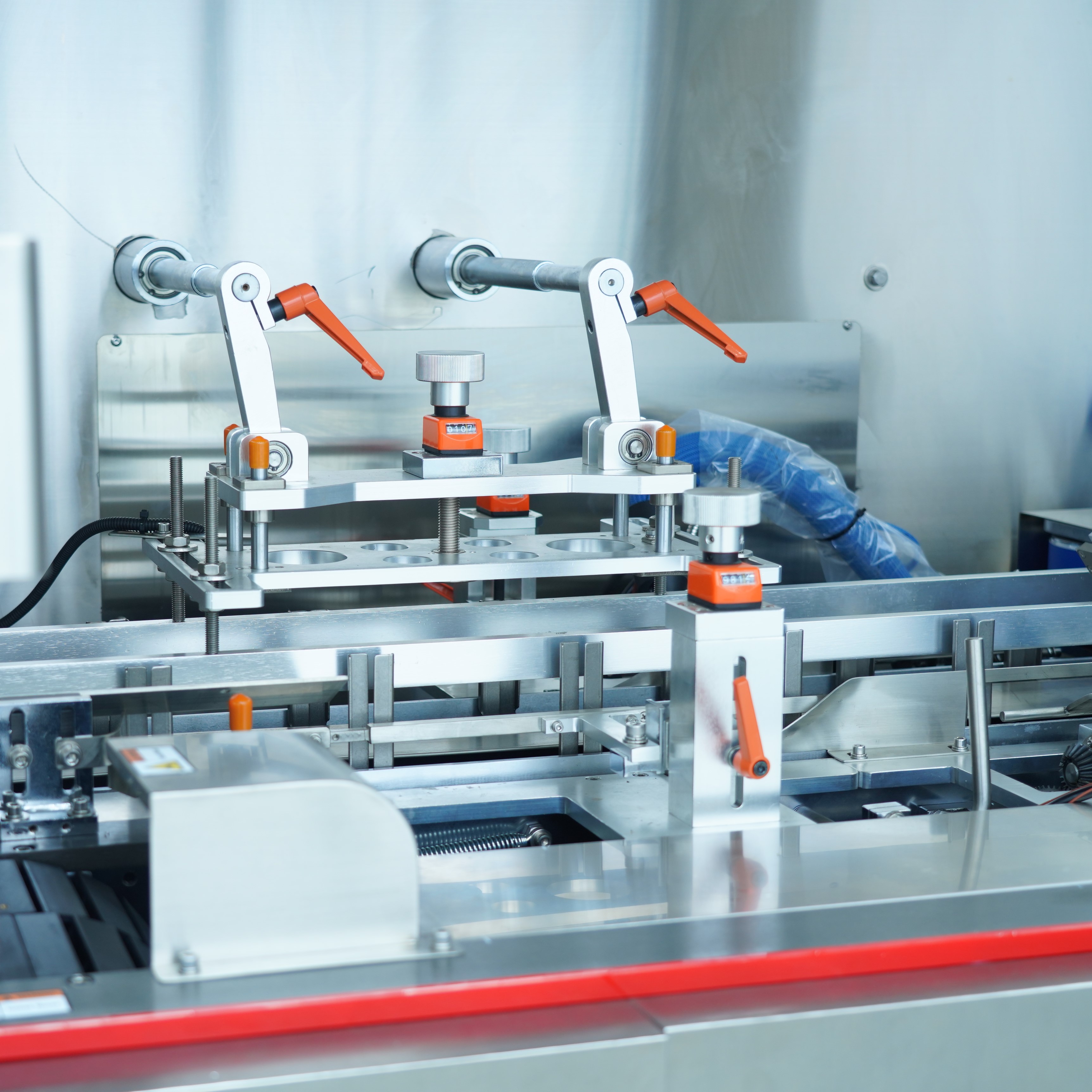
Secondary packaging represents a critical stage in manufacturing where products transition from individual units into shipper-ready cases. A box cartoner automates this process by loading, forming, and sealing cartons at speeds that manual packing cannot match. Understanding how a box cartoner improves secondary packaging speed reveals why manufacturers across industries—from pharmaceuticals to food production—invest in this technology to maintain competitive advantage and meet growing demand.
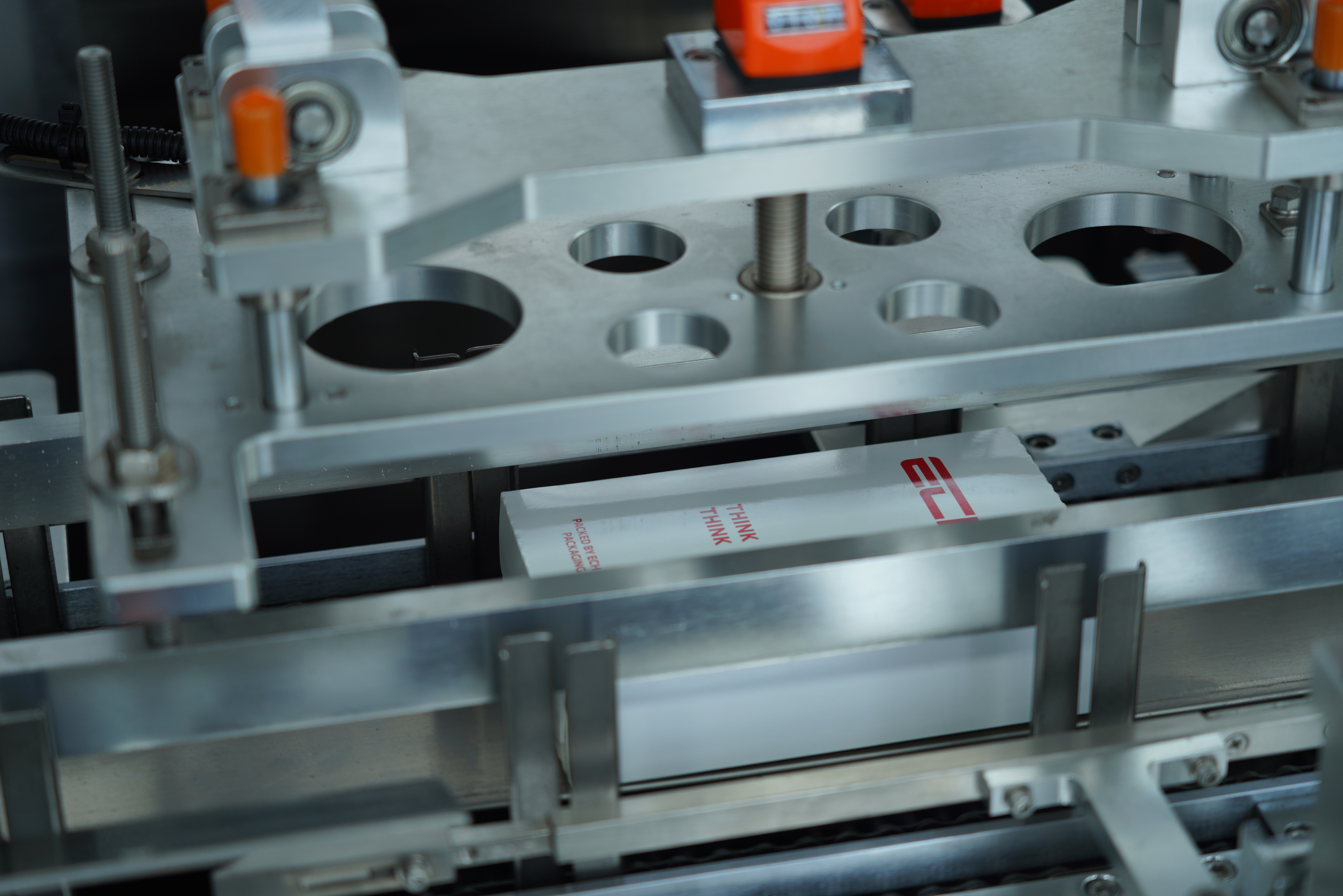
The fundamental advantage of a box cartoner lies in its ability to handle repetitive motions with mechanical precision and consistency. Unlike manual labor, which slows under fatigue and varies by operator skill, a box cartoner maintains identical cycle times throughout the production day. This reliability directly translates to predictable output rates, fewer bottlenecks, and the capacity to scale production without proportional increases in labor overhead.
A box cartoner operates through a series of precisely timed, continuous motions that eliminate the hesitation and manual repositioning required in hand-packing workflows. The machine feeds flat blanks into the cartoning chamber, forms the box structure, loads products into the cavity, and applies sealing without pausing between cycles. Each box cartoner is engineered to perform these actions in parallel rather than sequentially, meaning forming happens while loading occurs and sealing begins as the next blank arrives. This overlapping process architecture allows a modern box cartoner to achieve speeds of 100 to 300+ cartons per minute, depending on box size and product complexity.
Manual secondary packaging demands complete workflow changes when switching product lines or box dimensions. Operators must reposition equipment, adjust hand techniques, and establish new pacing. A box cartoner reduces this friction through quick-change cartridge systems and programmable control logic. When a facility needs to run a different product using the same box cartoner, adjustment typically takes minutes rather than hours. This capability enables manufacturers to respond to demand shifts without sacrificing production windows, which is especially valuable for facilities managing multiple SKUs or seasonal variations in order volume.
Speed without consistency creates problems downstream. A box cartoner produces uniform pack density, carton sealing pressure, and weight distribution across every unit. This uniformity minimizes product damage during transit, reduces customer complaints about inconsistent packaging, and eliminates the need for manual inspection and rework. When a box cartoner operates reliably, logistics partners experience fewer claims, retailers accept shipments without random audits, and the overall supply chain moves faster. The consistency of a box cartoner therefore acts as a hidden speed multiplier by removing quality-related delays that accumulate throughout the distribution network.
Modern box cartoner systems include sensors, counters, and data logging that track performance metrics in real time. Operators and maintenance teams can identify wear patterns, component degradation, or misalignment before breakdown occurs. Predictive maintenance supported by a box cartoner's diagnostic data prevents unscheduled downtime, which is one of the largest hidden speed killers in secondary packaging. A single hour of downtime in a manual operation might slow output by one shift; the same hour of downtime for a box cartoner running 200 cartons per minute represents a loss of 12,000 units. This asymmetry means that reliability investments in a box cartoner deliver disproportionate returns.
A box cartoner typically replaces four to eight manual packers depending on speed requirements. Rather than viewing this as job elimination, forward-thinking manufacturers redeploy those personnel to quality control, product inspection, line supervision, or upstream packaging stages. This reallocation increases overall line intelligence and responsiveness. A facility with a box cartoner can scale production by increasing line runtime or machine settings rather than hiring and training additional staff. Labor availability constraints, which create hard ceilings on manual packing speed, no longer limit growth when a box cartoner handles secondary packaging.
Seasonal demand surges are a reality for many manufacturers. A box cartoner provides surge capacity without the delays of recruitment, onboarding, and training that plague manual operations. When summer demand peaks or holiday orders spike, an existing box cartoner can run extended shifts or weekend hours with only operator supervision changes. This elasticity is impossible with pure manual labor and represents substantial competitive advantage. A manufacturer with a box cartoner can commit to customer timelines that a competitor relying on manual packing cannot reliably meet.
The speed delivered by a box cartoner directly reduces labor cost per carton. When labor represents 60 to 70 percent of secondary packaging expense, and a box cartoner reduces required headcount from six to two operators, the per-unit cost savings are substantial. This economic advantage allows manufacturers to reinvest savings into higher-quality materials, premium packaging design, or competitive pricing. A box cartoner essentially pays for itself through labor reduction while simultaneously improving output, creating a virtuous cycle where speed and profitability reinforce each other.
Manual packing often results in crushed boxes, misaligned carton closures, or product damage that necessitates repackaging. A box cartoner handles box blanks and sealed cartons with mechanical precision that minimizes damage-related scrap. Over a year, the material waste reduction from a properly calibrated box cartoner can exceed hundreds or thousands of dollars, depending on production volume. This hidden benefit of a box cartoner compounds the speed advantage by ensuring that more throughput translates directly into sellable product rather than waste requiring rework.
Production speed from a box cartoner depends on carton size, product dimensions, and sealing method. Lightweight products in standard cartons typically run at 150 to 300 cartons per minute, while heavier or irregularly shaped products may operate at 60 to 150 cartons per minute. A box cartoner supplier will conduct line trials with your actual products and packaging to specify realistic throughput. This speed is typically 5 to 10 times faster than trained manual packers.
A box cartoner includes adjustable forming rails, product guides, and sealing mechanisms that accommodate size variation within defined ranges. Switching between similar box dimensions on a single box cartoner requires tool adjustments taking 15 to 30 minutes. Some box cartoner models feature modular cartridges that swap quickly for entirely different formats. Radical product changes—such as moving from flat sheets to cylindrical bottles—may require a different box cartoner style, but most facilities standardize formats to maximize the flexibility of their equipment.
A box cartoner requires daily cleaning, weekly belt and chain inspections, and monthly lubrication of pivot points and drive systems. Preventive maintenance scheduling—typically monthly or quarterly depending on runtime—includes seal blade replacement, sensor calibration, and alignment checks. Modern box cartoner systems with integrated diagnostics alert operators to maintenance needs before breakdown. Most manufacturers budget 4 to 8 hours per month for box cartoner maintenance, which is minimal compared to the uptime value and speed reliability achieved.

2026/09/20
Premade Pouch Machines: Reduce Film Waste, Cut TCO & Achieve Faster ROI

2026/09/20
Cut Premade Pouch Machine Changeover Time by 40% with Proven Best Practices

2026/09/20
Premade Pouch Machines: Boost Throughput, Cut Waste & Improve ROI

2026/09/20
Rotary vs Inline Premade Pouch Machines: Speed, ROI & Scalability Compared

2026/09/20
Premade Pouch Machine: Boost Throughput, Cut Labor Costs & Improve Seal Integrity

2026/09/21
Premade Pouch Machine: Pouch Types, Materials & Filling Guide

