 EN
How to Reduce Film Waste with a Premade Pouch Packaging Machine?
2026/09/20
Premade Pouch Machines: Reduce Film Waste, Cut TCO & Achieve Faster ROI

2026/10/21
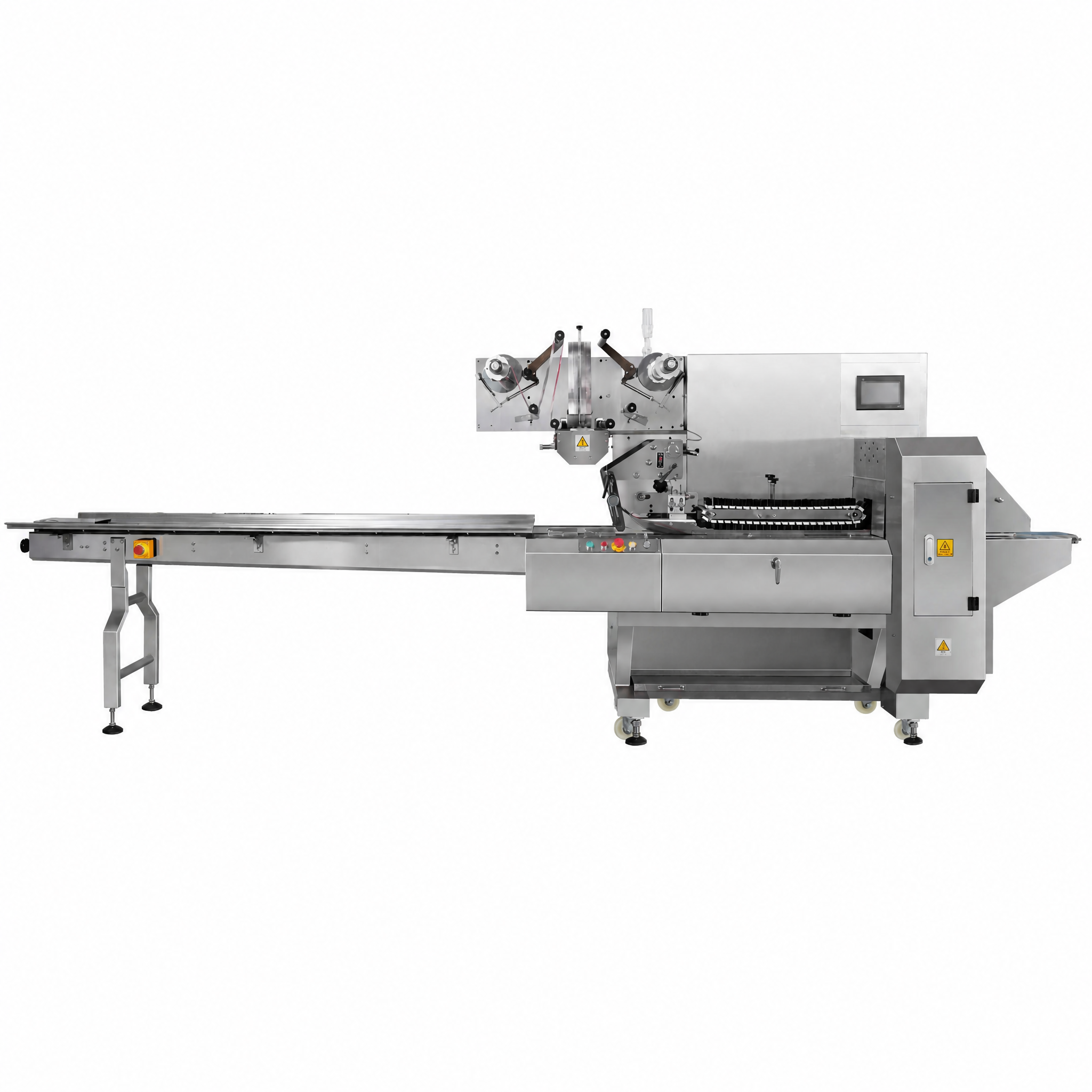
An effective flow wrap machine performs one of the most critical functions in modern packaging: creating an airtight seal that protects product quality, extends shelf life, and maintains freshness. Understanding how a flow wrap machine achieves these hermetic seals reveals the engineering precision behind industrial packaging automation. The sealing mechanism in a flow wrap machine combines carefully controlled temperature, mechanical pressure, and timing to fuse film layers into an impenetrable barrier that prevents oxygen, moisture, and contaminants from compromising the packaged product inside.
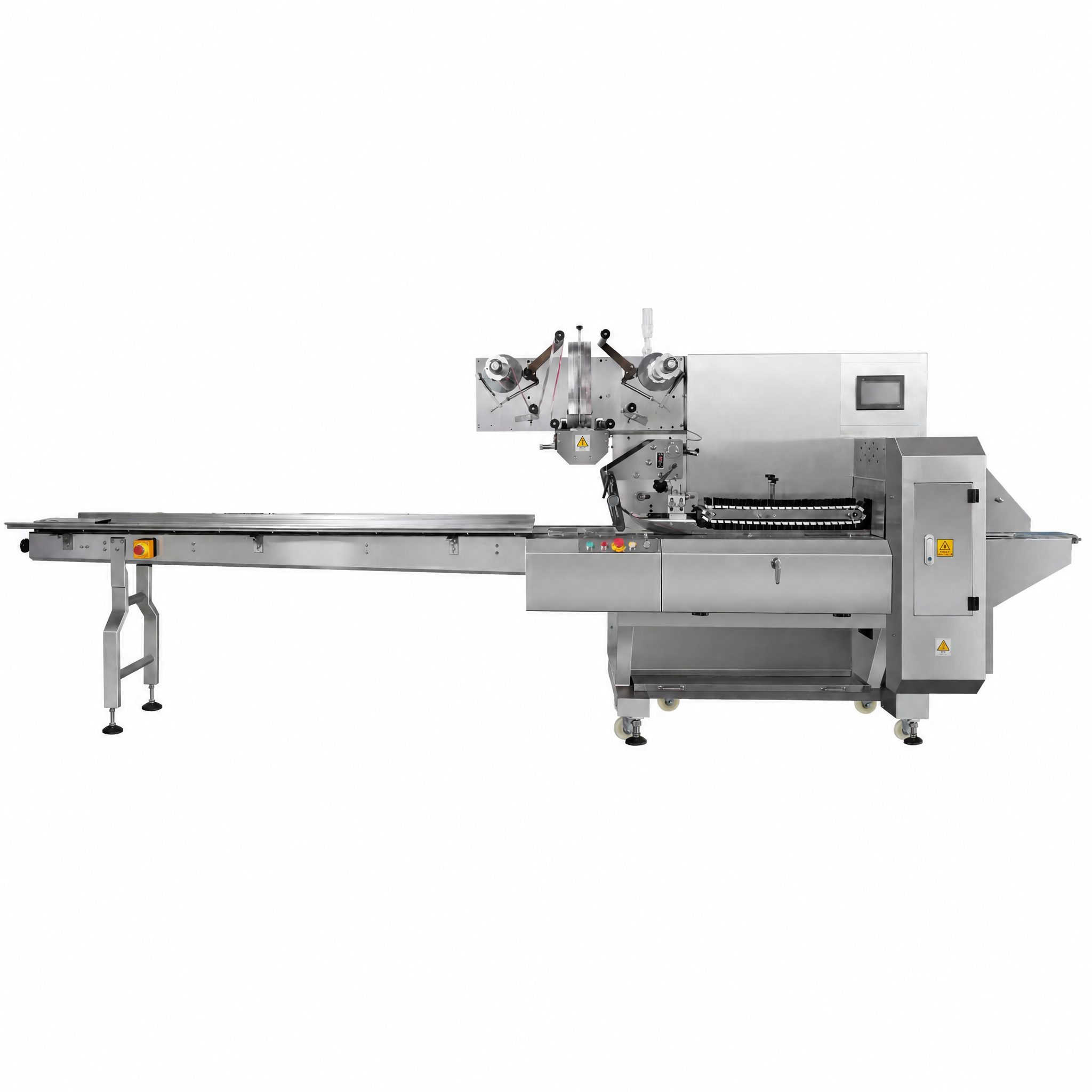
The flow wrap machine operates by wrapping flexible film around a product and then sealing the overlapping edges through a process of heat application and compression. This process must balance precision and speed, as the flow wrap machine handles hundreds or thousands of items per hour while maintaining consistent seal integrity. The quality of the airtight seal directly impacts product shelf stability, customer satisfaction, and regulatory compliance across food, pharmaceutical, medical device, and consumer goods industries.
At the core of seal creation, a flow wrap machine applies precise heat to the overlapping film edges. Heat causes the thermoplastic film layers to soften and fuse together, creating a molecular bond that forms the airtight seal. The flow wrap machine typically uses electric heating bars or hot jaw technology that reaches temperatures between 250 to 350 degrees Fahrenheit, depending on the film material composition. Different film types, including polypropylene, polyethylene, and laminated structures, require different thermal settings, so the flow wrap machine must have adjustable temperature controls to accommodate various packaging needs.
The flow wrap machine employs seal bars—metal components that apply downward pressure while delivering heat. This dual-action approach ensures the softened film adheres completely along the entire sealing edge. As the flow wrap machine closes the seal bar, consistent pressure is maintained across the width of the film, preventing weak points or gaps that could compromise the airtight seal. The seal bar dwell time—how long the heated bar remains in contact with the film—is precisely controlled by the flow wrap machine timing mechanism, typically lasting 0.5 to 2 seconds depending on film thickness and heat setting.
A flow wrap machine maintains constant, controlled film tension throughout the wrapping process, which is essential for creating uniform seals. As the flow wrap machine pulls the film from the roll and wraps it around the product, the film must travel at synchronized speed with the product movement. If the flow wrap machine allows film to bunch or move unevenly, the seal bars cannot achieve consistent contact, resulting in incomplete or weak seals. Modern flow wrap machine systems use servo motors and load cells to continuously monitor and adjust film tension, ensuring the film arrives at the seal bars in perfect position and alignment every cycle.
The flow wrap machine must position products consistently so that the film overlap occurs at the same location relative to the seal bars. Sensors and mechanical guides within the flow wrap machine ensure the product centring is accurate, which directly affects where the sealing area lands on the heated seal bar. If the flow wrap machine allows product drift, the seal zone may miss the heat zone, leaving gaps in the seal. Automated registration systems in a flow wrap machine use photo-eyes or encoder feedback to detect product position and trigger sealing at precisely the right moment, ensuring every package receives the airtight seal in the correct location.
Not all films seal equally well in a flow wrap machine. The heat-sealable layer on the film must have the correct softening point and flow characteristics for the flow wrap machine temperature range being used. A flow wrap machine operator must verify that film material specifications match the machine's heating capabilities. Multilayer films with barrier properties require higher temperatures to achieve proper fusion, while very thin films may need lower temperatures to prevent overheating and film damage. The flow wrap machine manufacturer provides material compatibility charts that guide operators in selecting appropriate films and temperature settings for achieving consistent, airtight seals.
Environmental factors affect how well a flow wrap machine creates airtight seals. High ambient humidity can introduce moisture into the film, which interferes with proper film fusion and seal strength. A flow wrap machine installed in a climate-controlled production facility experiences more consistent seal performance than one in a humid, uncontrolled environment. Some flow wrap machine installations include film conditioning systems that regulate moisture in the film before sealing, ensuring humidity does not compromise seal integrity. Additionally, a flow wrap machine must have adequate dwell time for the seal to cool and solidify; premature product removal before the seal hardens can result in incomplete seals that fail during distribution.
While heat sealing is the most common approach, some flow wrap machine variants use cold-seal technology, where a pressure-sensitive adhesive layer on the film eliminates the need for heat. Cold-seal flow wrap machine systems benefit products sensitive to heat, such as chocolate or ice cream, which would melt under traditional sealing temperatures. The flow wrap machine applies mechanical pressure only, activating the adhesive bond without thermal input. Cold-seal flow wrap machine designs require precise pressure uniformity and film cleanliness, as any dust or contamination on the adhesive layer prevents proper bonding and airtight seal formation.
Most heat-based flow wrap machine systems operate between 250 and 350 degrees Fahrenheit, though specific temperatures depend on the film material composition, thickness, and barrier properties. The flow wrap machine manufacturer provides detailed temperature recommendations for each approved film type, and operators must calibrate the machine to match these specifications for reliable airtight seal formation.
The sealed film typically requires 1 to 3 seconds of cooling time after the heat is removed before the seal reaches full strength. The flow wrap machine is designed with adequate spacing between the sealing station and the discharge point to allow this cooling phase, ensuring the seal solidifies completely before the package is ejected from the machine and moved into downstream handling.
Yes, but with limitations. A flow wrap machine creates the most reliable airtight seal on smooth, cylindrical, or rectangular products where the film makes uniform contact. Highly textured or irregularly shaped products require a flow wrap machine with adjustable pressure and dwell time settings to accommodate surface variation. The film must wrap tightly around the product to ensure the overlapping edges meet properly at the seal bar.

2026/09/20
Premade Pouch Machines: Reduce Film Waste, Cut TCO & Achieve Faster ROI

2026/09/20
Cut Premade Pouch Machine Changeover Time by 40% with Proven Best Practices

2026/09/20
Premade Pouch Machines: Boost Throughput, Cut Waste & Improve ROI

2026/09/20
Rotary vs Inline Premade Pouch Machines: Speed, ROI & Scalability Compared

2026/09/20
Premade Pouch Machine: Boost Throughput, Cut Labor Costs & Improve Seal Integrity

2026/09/21
Premade Pouch Machine: Pouch Types, Materials & Filling Guide

