EN
How to Reduce Film Waste with a Premade Pouch Packaging Machine?
2026/09/20
Premade Pouch Machines: Reduce Film Waste, Cut TCO & Achieve Faster ROI

2026/10/13
A box cartoner is a critical piece of packaging machinery that automates the process of placing products into pre-formed cartons on a production line. Understanding how a box cartoner operates is essential for manufacturers seeking to optimize their packaging efficiency and reduce labor costs. The box cartoner combines precision engineering, automation logic, and mechanical coordination to handle high-volume product placement at speeds that manual labor cannot match. In modern production environments, the box cartoner has become indispensable for companies packaging pharmaceuticals, cosmetics, food items, and consumer goods.
The horizontal box cartoner is specifically designed to handle products moving along a horizontal conveyor path, integrating seamlessly into existing production workflows. Unlike vertical cartoning systems, a horizontal box cartoner works with products that travel horizontally, making it ideal for high-speed lines where consistent product orientation is maintained throughout the process. This article explores the mechanical operation, key components, and practical workflow of a horizontal box cartoner to give you a comprehensive understanding of how this machinery delivers reliable packaging automation.
The box cartoner begins its operation by receiving products from an upstream conveyor system. A box cartoner uses advanced sensors and vision systems to detect incoming products and verify their presence, size, and orientation before they enter the cartoning zone. These sensors communicate with the machine's programmable logic controller, or PLC, which coordinates the entire sequence of events. The box cartoner relies on this real-time feedback to adjust timing and positioning, ensuring that each product reaches the cartoning mechanism at precisely the right moment. This detection capability is what allows a box cartoner to maintain consistent output even when product sizes vary slightly within acceptable parameters.
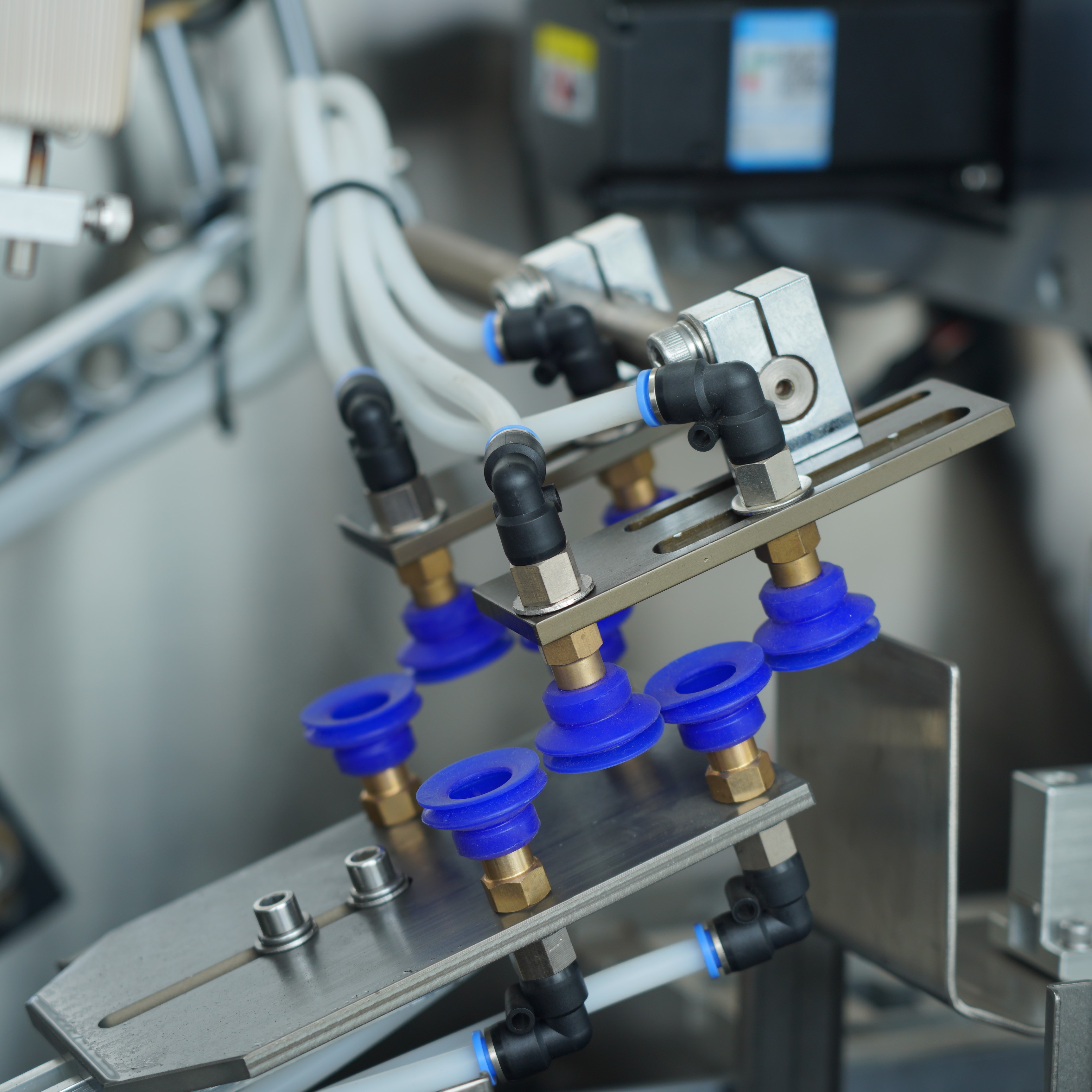
Once products are detected and ready, the box cartoner automatically indexes empty cartons from a stacked magazine into the working zone. A box cartoner uses a combination of mechanical fingers, vacuum cups, or suction systems to grab and position each carton precisely where it needs to be. The carton opening mechanism then gently separates the carton flaps, creating a receptacle ready to receive the product. This step is critical because a box cartoner must open cartons consistently without tearing or damaging them, maintaining the quality of the final packaged product. The timing and force applied during this phase is calibrated to match the specific carton material and design, making a box cartoner highly adaptable across different packaging styles.
The defining characteristic of a horizontal box cartoner is how it positions products into cartons while maintaining a horizontal motion path. A box cartoner uses a servo-driven pusher mechanism or carousel system to gently move products from the incoming conveyor directly into the opened carton. The horizontal box cartoner aligns the product trajectory with the carton opening, ensuring smooth, damage-free insertion even at high speeds. Unlike drop-style cartoners that rely on gravity, a horizontal box cartoner actively controls product entry, reducing the risk of product bouncing, jamming, or misalignment. This active control is especially valuable when packaging fragile items, irregular shapes, or products that cannot tolerate impact forces.
After the product is safely inside the carton, the box cartoner automatically closes and seals the carton flaps. A box cartoner employs mechanical folding systems, heated sealing pads, or adhesive application units to create a secure closure that meets quality and regulatory standards. Once the carton is sealed, the box cartoner uses a transfer mechanism to move the completed package onto an outgoing conveyor for the next production stage. The box cartoner's ejection timing is synchronized with the incoming product feed rate, creating a continuous, uninterrupted workflow that maximizes throughput. This closure-to-ejection sequence repeats consistently, with a box cartoner capable of handling thousands of cartons per hour depending on machine specifications and product characteristics.
A box cartoner relies on multiple drive systems working in precise synchronization to execute its complex motion sequence. The horizontal box cartoner typically incorporates servo motors or variable frequency drives to control conveyor speed, carton indexing, product insertion, and sealing mechanisms. These drives allow a box cartoner to maintain exact speed ratios between different motion components, ensuring that product arrival, carton positioning, and insertion timing remain perfectly coordinated. The PLC monitors all motor speeds and compares them against target values, making real-time adjustments to keep the box cartoner operating at peak efficiency. This precision control is what enables a box cartoner to achieve such high cycle rates while maintaining packaging quality and minimal product damage.
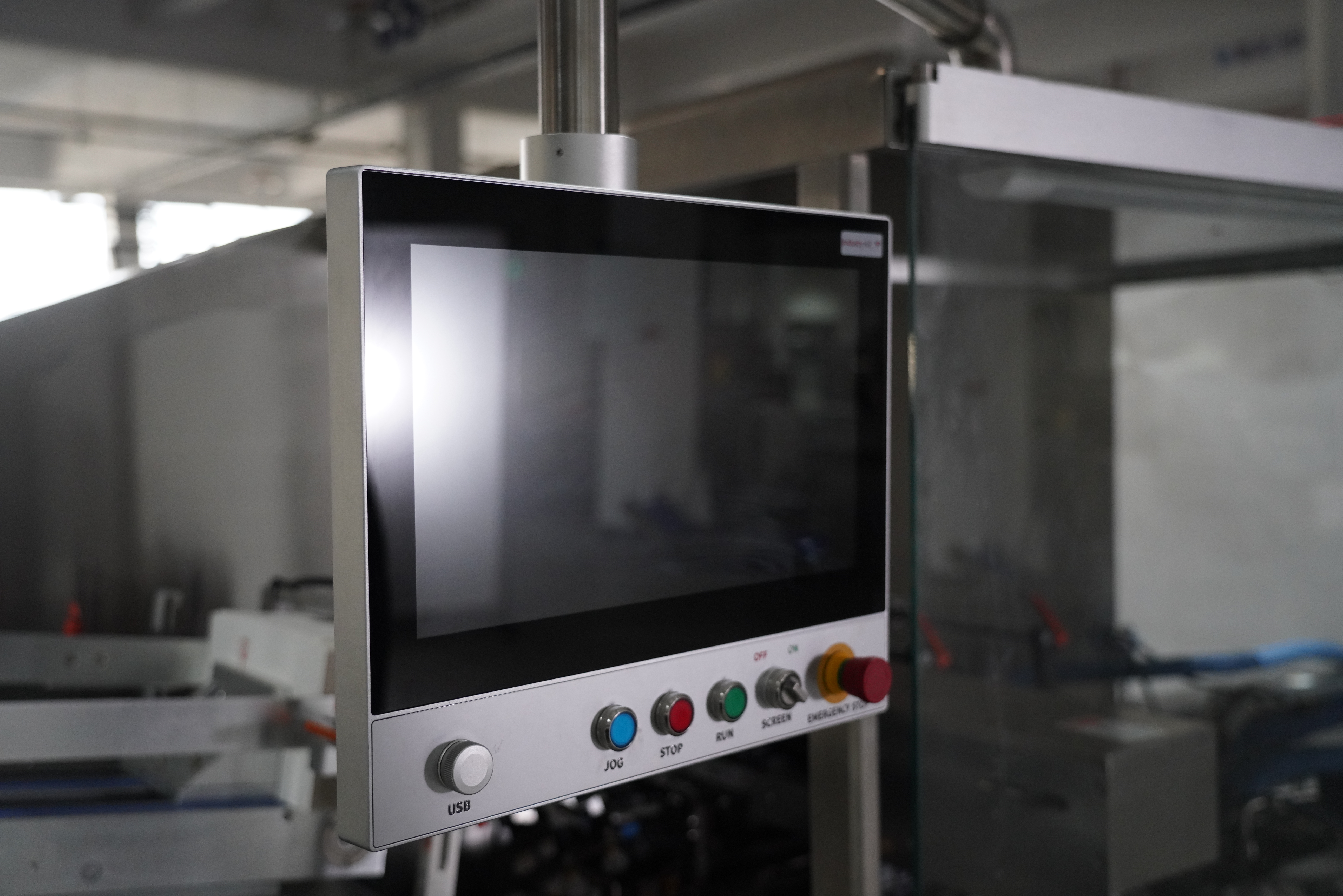
Modern box cartoner systems incorporate comprehensive quality monitoring and diagnostic features that track machine performance and detect issues before they impact production. A box cartoner uses vision cameras and weight sensors to verify that products are correctly positioned inside cartons and that no cartons are under-filled or jammed. The box cartoner's control system logs performance metrics including cycle time, downtime events, and fault codes, providing operators with actionable intelligence for maintenance planning. When a box cartoner detects an error such as a misaligned product or failed carton closure, it automatically stops and alerts operators, preventing defective packages from reaching the next stage. This self-monitoring capability makes a box cartoner not just a machine, but an intelligent partner in maintaining consistent packaging quality.
A box cartoner can accommodate a wide range of product types including small bottles, tubes, blister packs, bars, and pouches, as long as products fit within the carton dimensions and weight specifications of the specific machine. The flexibility of a box cartoner makes it suitable for pharmaceuticals, cosmetics, food items, medical devices, and consumer goods. Different product shapes may require carton design adjustments or gripper modifications, but a box cartoner is generally adaptable across many packaging scenarios. Consulting with the machine manufacturer ensures that a box cartoner configuration matches your specific product requirements.
A horizontal box cartoner processes products moving along a horizontal conveyor, maintaining consistent product orientation throughout the cartoning process. A vertical cartoner, by contrast, relies on gravity to drop products into cartons from above, which works well for certain products but may cause damage to fragile items. A horizontal box cartoner offers better control over product placement and is preferred in high-speed, precision packaging applications where product integrity is critical. The choice between a horizontal box cartoner and a vertical model depends on product characteristics, line speed requirements, and space constraints in your facility.
A box cartoner requires regular preventive maintenance including lubrication of moving parts, inspection of gripper and suction cup components, and verification of sensor accuracy. Operators should monitor a box cartoner's performance logs to identify recurring issues and schedule maintenance before problems escalate into production downtime. Carton jam clearance, drive belt inspection, and seal pad replacement are routine tasks that keep a box cartoner performing at optimal efficiency. Working with the machine manufacturer's maintenance guidelines and training ensures that a box cartoner continues delivering reliable service for years of production use.
2026/09/20
Premade Pouch Machines: Reduce Film Waste, Cut TCO & Achieve Faster ROI
2026/09/20
Cut Premade Pouch Machine Changeover Time by 40% with Proven Best Practices
2026/09/20
Premade Pouch Machines: Boost Throughput, Cut Waste & Improve ROI
2026/09/20
Rotary vs Inline Premade Pouch Machines: Speed, ROI & Scalability Compared
2026/09/20
Premade Pouch Machine: Boost Throughput, Cut Labor Costs & Improve Seal Integrity
2026/09/21
Premade Pouch Machine: Pouch Types, Materials & Filling Guide