 EN
How to Reduce Film Waste with a Premade Pouch Packaging Machine?
2026/09/20
Premade Pouch Machines: Reduce Film Waste, Cut TCO & Achieve Faster ROI

2026/10/18
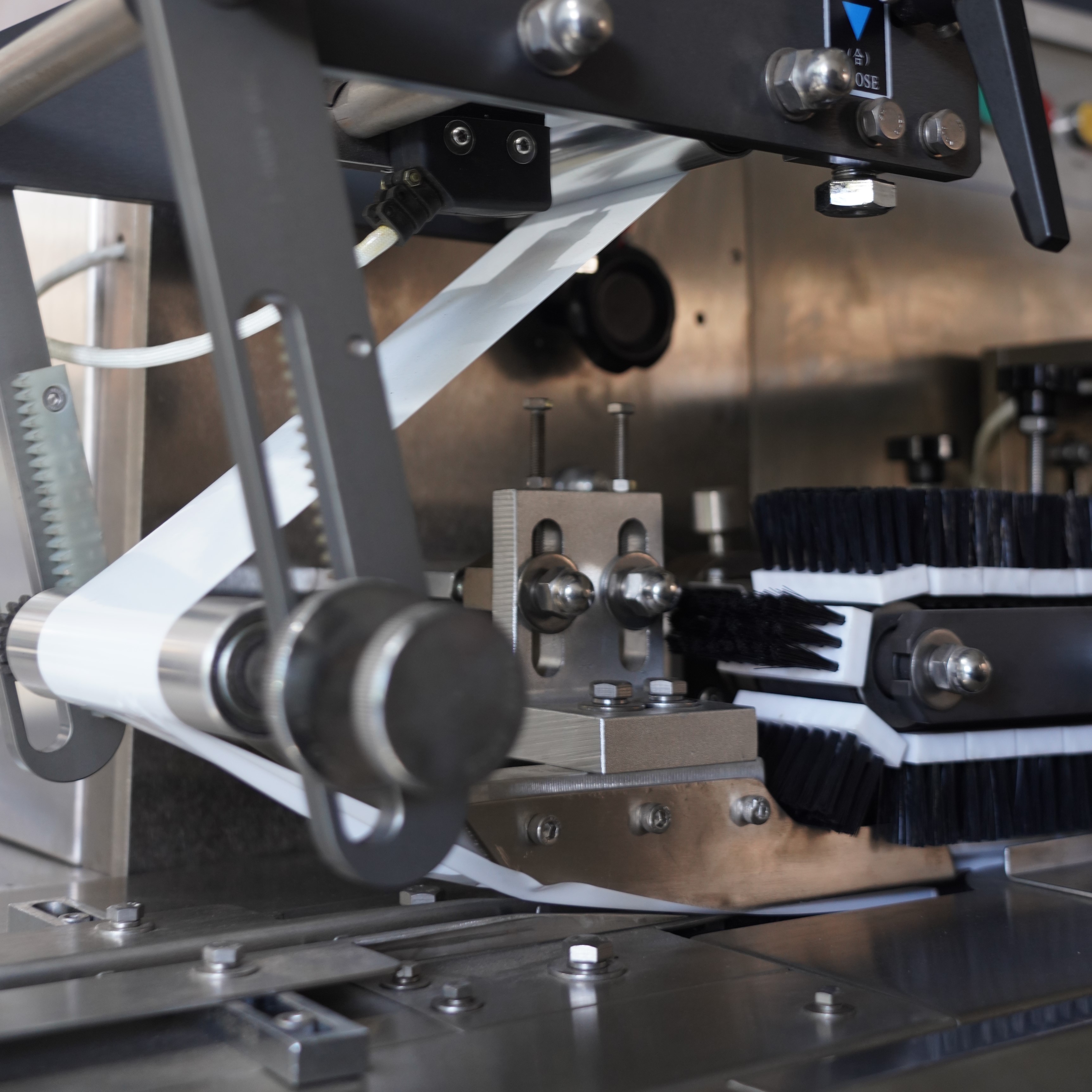
A horizontal flow pack machine is one of the most efficient and widely used automated packaging solutions in modern manufacturing environments. Understanding how a horizontal flow pack machine operates from start to finish provides valuable insight into production efficiency, quality control, and operational optimization. Whether you manage a food processing facility, pharmaceutical operation, or consumer goods production line, knowing the step-by-step mechanics of a horizontal flow pack machine helps you maximize throughput and maintain consistent package quality.
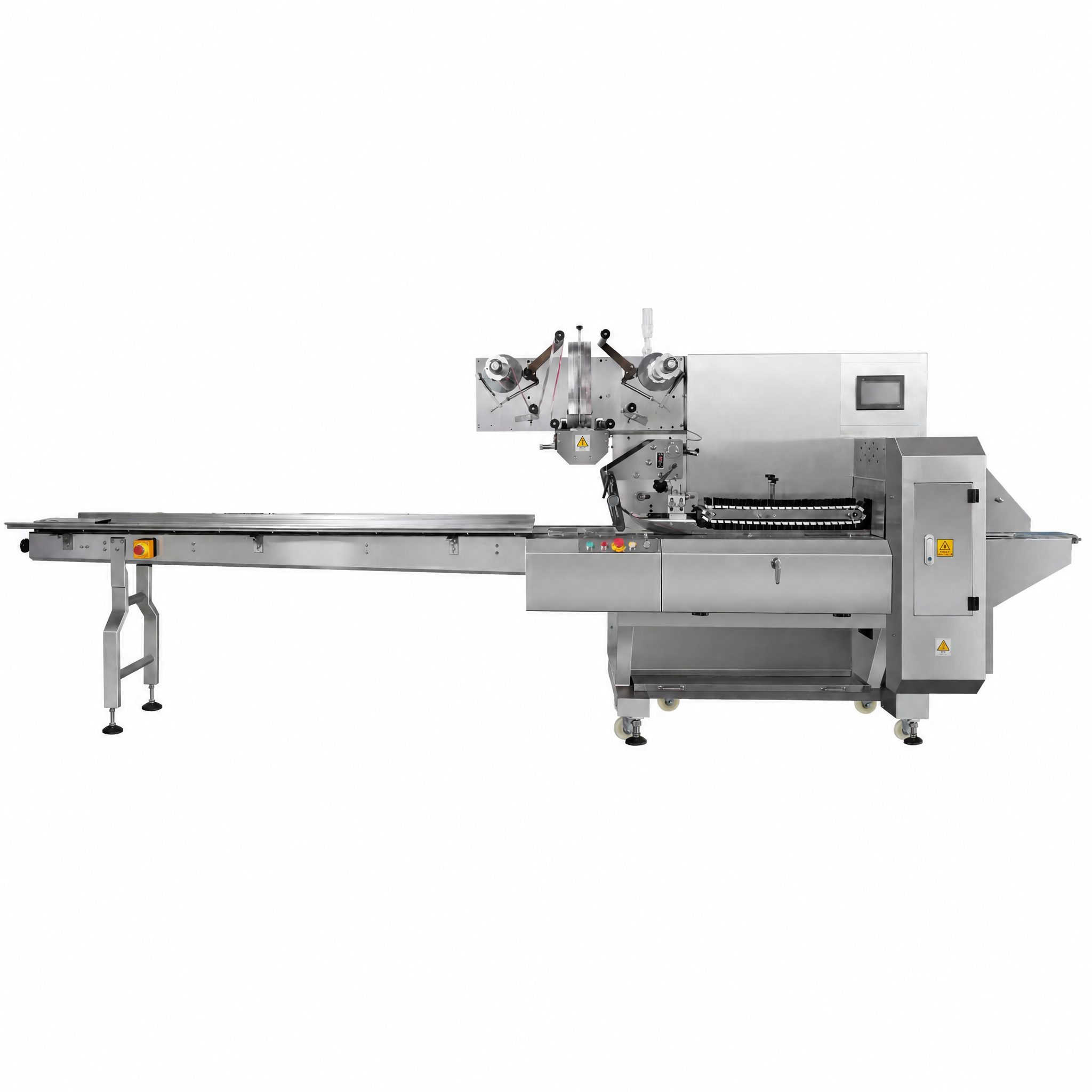
The operation of a horizontal flow pack machine combines precision mechanics, timing control, and material handling into a coordinated system that moves products through multiple processing stages. Each step in the workflow of a horizontal flow pack machine is designed to minimize waste, reduce manual labor, and deliver consistent results. This comprehensive guide walks through the complete operational sequence of a horizontal flow pack machine, detailing how film is fed, products are positioned, wrapping occurs, and final seals are created.
The first operational step of any horizontal flow pack machine begins with film supply preparation. A large roll of packaging film, typically made of polyethylene, polypropylene, or composite materials, is loaded onto the film unwind station at the back of the horizontal flow pack machine. The operator threads the film through a series of guide rollers and tensioning devices that ensure smooth, consistent movement throughout the machine. Proper film alignment at this stage is critical because any misalignment in the horizontal flow pack machine can cause wrinkles, creases, or incomplete seals in the finished packages.
Once the film is loaded, the horizontal flow pack machine applies controlled tension to maintain consistent film pull. An electric motor drives the unwind mechanism, feeding film at a speed synchronized with the product movement rate. The tension control system in a horizontal flow pack machine prevents over-tightening, which can stretch or tear the film, and under-tightening, which leads to slack film and wrinkles. As the horizontal flow pack machine operates, sensors monitor film position and tension, making real-time adjustments to ensure optimal wrapping quality throughout the production run.
Products enter a horizontal flow pack machine through a hopper or feed conveyor system at the front entrance. Whether individual items, batches, or continuous material streams, the product pathway is designed to deliver items to the wrapping area at precise intervals. A horizontal flow pack machine uses mechanical or pneumatic feeders to control product spacing and velocity. Sensors or optical detection systems trigger the horizontal flow pack machine to recognize product presence, allowing the machine to time the film wrapping cycle perfectly. This synchronization ensures that products are wrapped consistently without overlaps or gaps between packages.
As items move through a horizontal flow pack machine, they pass through guide plates or rollers that center the product within the film path. Proper centering ensures that the film wraps equally around the product, creating balanced, professional-looking packages. The centering mechanism in a horizontal flow pack machine accommodates slight variations in product size while maintaining aesthetic quality. Once centered, the product reaches the forming tube or wrapping area where the horizontal flow pack machine begins pulling film around the item in preparation for sealing.
The core wrapping action of a horizontal flow pack machine occurs as film is pulled from the supply roll and wrapped around the product. In a horizontal flow pack machine, the film is guided around the product using a forming tube or wrap roller mechanism. The film naturally forms a tube shape as it wraps the product, with the leading edge and trailing edge of the film meeting at the bottom or back of the item. A horizontal flow pack machine maintains consistent wrap tension and speed to ensure full, even coverage without bunching or tearing. The timing of the wrap cycle in a horizontal flow pack machine is critical; if the film advances too quickly or slowly, the package geometry becomes irregular.
Once film wraps around the product in a horizontal flow pack machine, heat sealing bars or elements fuse the overlapping film edges together, creating a secure seal. The heat sealing system in a horizontal flow pack machine applies controlled temperature to the film for a precise duration, melting the material just enough to bond without degrading it. After sealing, a cutting mechanism in the horizontal flow pack machine precisely cuts the wrapped package from the continuous film supply. The blade positioning in a horizontal flow pack machine is calibrated to cut cleanly between packages, leaving minimal waste. Temperature, dwell time, and blade sharpness are continuously monitored in a horizontal flow pack machine to maintain package integrity and cut quality throughout production shifts.
After the heat seal and cutting operations complete, the finished package exits the horizontal flow pack machine onto a discharge conveyor. The ejection timing of a horizontal flow pack machine is synchronized with the sealing cycle to ensure packages are released only after the seal has fully cooled and hardened. Some versions of a horizontal flow pack machine include pusher arms or air jets that gently advance packages toward the exit. The discharge system of a horizontal flow pack machine must operate smoothly without jams, as any blockage can interrupt the entire production sequence.
Modern horizontal flow pack machine systems incorporate sensors and monitoring equipment that verify package dimensions, seal integrity, and film positioning throughout operation. The horizontal flow pack machine can measure package length, width, and overall appearance to flag defects before packages move to storage. Operators of a horizontal flow pack machine can adjust cycle speed, temperature, and film tension through a control panel interface, responding to material changes or product variations. A well-maintained horizontal flow pack machine achieves consistent cycle times ranging from 20 to 100 packages per minute, depending on product size and material specifications. Regular cleaning, lubrication, and component replacement keep a horizontal flow pack machine operating at peak efficiency and reliability.
A horizontal flow pack machine can wrap a wide variety of products, including baked goods, snacks, frozen items, candies, pharmaceuticals, toiletries, and small industrial parts. The horizontal flow pack machine accommodates different product shapes and sizes, though some adjustment is required between product changes. The film type used in a horizontal flow pack machine varies by product requirements, including moisture barriers, clarity properties, and seal strength.
The speed of a horizontal flow pack machine depends on product size, film type, and sealing requirements. A typical horizontal flow pack machine processes 30 to 80 packages per minute for standard items, with high-speed models reaching 100 packages per minute or more. The cycle time of a horizontal flow pack machine is controlled by heating time, cooling time, and mechanical advancement rates.
A horizontal flow pack machine requires regular cleaning to remove film dust and product residue, lubrication of moving parts, and periodic replacement of wear components such as cutting blades and sealing elements. The horizontal flow pack machine should be inspected daily for proper film tracking, seal quality, and mechanical alignment. Professional servicing of a horizontal flow pack machine is recommended annually to maintain optimal performance and prevent unexpected breakdowns.

2026/09/20
Premade Pouch Machines: Reduce Film Waste, Cut TCO & Achieve Faster ROI

2026/09/20
Cut Premade Pouch Machine Changeover Time by 40% with Proven Best Practices

2026/09/20
Premade Pouch Machines: Boost Throughput, Cut Waste & Improve ROI

2026/09/20
Rotary vs Inline Premade Pouch Machines: Speed, ROI & Scalability Compared

2026/09/20
Premade Pouch Machine: Boost Throughput, Cut Labor Costs & Improve Seal Integrity

2026/09/21
Premade Pouch Machine: Pouch Types, Materials & Filling Guide

