 EN
How to Reduce Film Waste with a Premade Pouch Packaging Machine?
2026/09/20
Premade Pouch Machines: Reduce Film Waste, Cut TCO & Achieve Faster ROI

2026/10/14
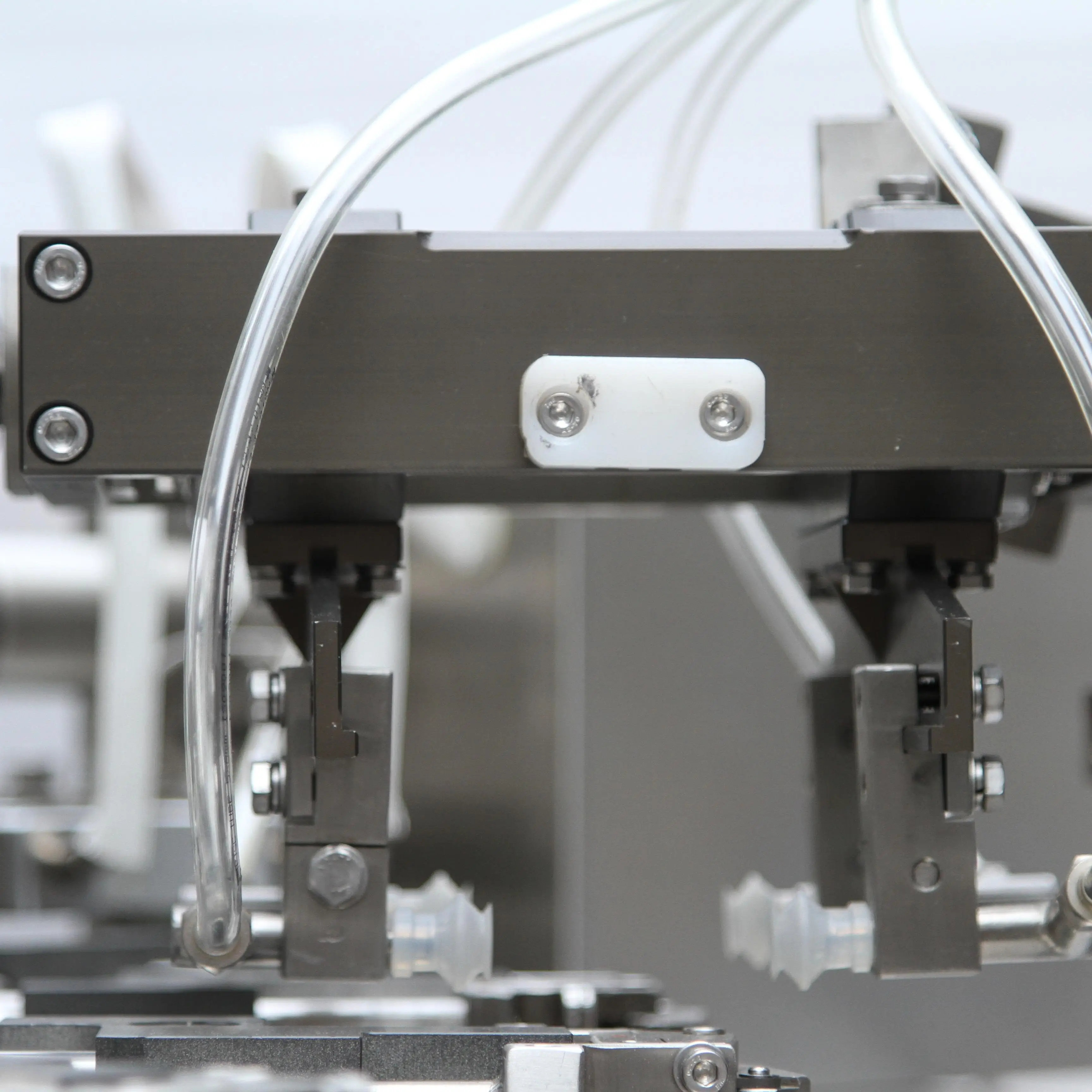
A pillow packing machine creates perfect seals through a carefully orchestrated combination of heat, pressure, and timing that transforms raw film material into secure, hermetic packages. The sealing process is the critical final step in packaging operations, where success means product protection, shelf life extension, and consumer confidence. Whether you operate in food, pharmaceuticals, textiles, or consumer goods, understanding how a pillow packing machine achieves consistent seal quality directly impacts your production efficiency and product integrity. The technology behind modern pillow packing machines has evolved far beyond simple mechanical pressure, incorporating advanced temperature control, precision positioning, and real-time quality monitoring to ensure every package meets exacting standards.
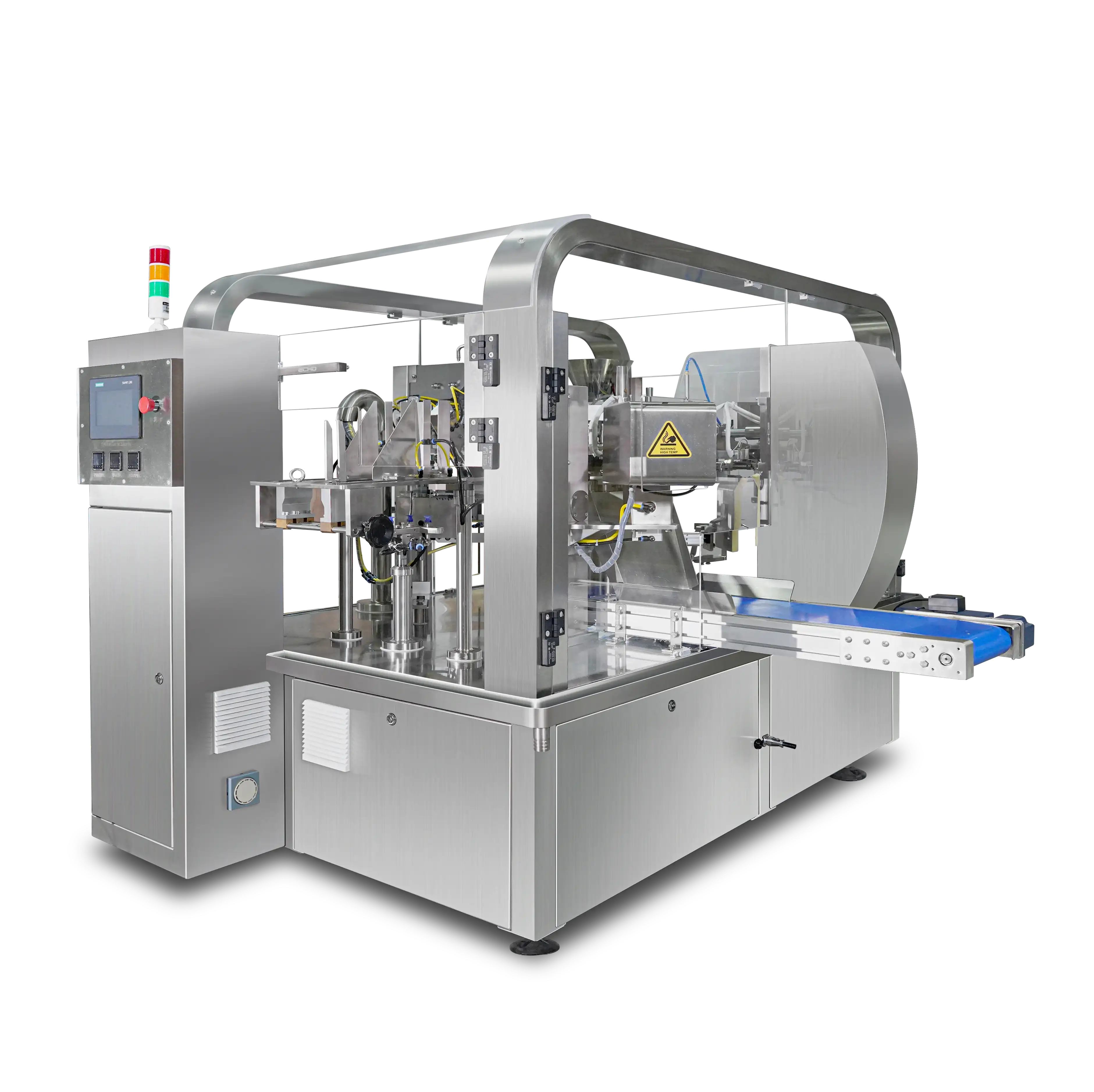
The fundamental principle underlying how a pillow packing machine produces reliable seals involves the thermal fusion of overlapping film edges under controlled conditions. When material passes through the machine, the pillow packing machine guides it into a forming tube where it wraps around the product, creating two overlapping edges. These edges are then brought into contact with heated sealing bars or jaws, which apply precisely calibrated temperature and pressure simultaneously. This dual-action approach ensures that the molecular structure of the film melts and bonds at the molecular level, creating a seal that is both airtight and mechanically strong. The consistency of this process across thousands of cycles per hour is what distinguishes a high-quality pillow packing machine from basic equipment.
Modern pillow packing machine units rely on electric heating elements, typically ceramic or infrared bars, that reach temperatures between 150 and 350 degrees Celsius depending on the film material being sealed. The pillow packing machine operator or control system must set temperature precisely, as even a 10-degree variance can mean the difference between a weak seal and a torn one. Different film types—polyethylene, polypropylene, aluminum laminates, and specialty materials—require different temperature profiles. A pillow packing machine equipped with digital temperature controllers reads feedback from thermocouples embedded near the sealing jaws, maintaining stable thermal output throughout production runs. The heating bars in a pillow packing machine must also cool quickly once the seal is complete to avoid continued heat transfer that could warp the film or damage the product inside.
The sealing mechanism of a pillow packing machine applies force to hold the film edges against the heated bars for a specific duration called dwell time. This pressure typically ranges from 2 to 8 bars depending on film thickness and composition, and the pillow packing machine must maintain consistent pressure throughout the seal cycle. Dwell time—the duration the heat and pressure are applied—is equally critical and typically ranges from 0.5 to 2 seconds for most applications. A pillow packing machine with inadequate dwell time produces incomplete seals where the film edges begin to separate during transport or storage, while excessive dwell time can overheat the seal zone and compromise structural integrity. Modern pillow packing machine designs incorporate pneumatic or servo-driven systems that ensure pressure application is smooth and uniform across the entire seal width, preventing edge weakness.
Advanced pillow packing machine models now include integrated seal strength testing systems that verify bond integrity immediately after each seal is created. These sensors in a pillow packing machine detect any deviation in seal width, temperature profile, or pressure distribution and trigger automatic adjustments before defective packages continue down the line. Some pillow packing machine systems use ultrasonic or laser measurement to confirm seal penetration depth, ensuring the bond extends fully through the film layers without exceeding optimal thickness. The feedback loop in a pillow packing machine allows continuous micro-adjustments to heating power, pressure levels, and dwell time, maintaining quality consistency across extended production runs. This real-time intelligence transforms a pillow packing machine from a static mechanical tool into an adaptive system that responds to material variations and equipment drift.
The performance of a pillow packing machine depends significantly on ambient temperature and humidity, as these factors affect film stiffness, thermal conductivity, and molecular structure. A pillow packing machine operating in a climate-controlled facility typically achieves more consistent seals than one in a variable environment. Different film compositions also demand different sealing strategies within a pillow packing machine; laminated films with aluminum require higher heat than single-layer polyethylene, and a pillow packing machine must be reconfigured when material switches. Understanding these material-machine interactions allows operators to optimize a pillow packing machine for specific product lines and establish baseline parameters that serve as starting points for new production runs. Documentation of these settings becomes invaluable when troubleshooting seal failures across different batches.
High-performance pillow packing machine designs often incorporate multiple seal bars positioned sequentially along the travel path, allowing the primary seal and one or more reinforcement seals to be applied in succession. This staged approach used in a pillow packing machine ensures that even if the primary seal exhibits slight weakness, backup seals provide redundancy and prevent leakage. The spacing between seal stations in a pillow packing machine is engineered to allow sufficient cooling between stages so that previously sealed material is not weakened by subsequent heat application. Some pillow packing machine configurations add ultrasonic sealing as a secondary process, which uses high-frequency vibrations to melt film through physical agitation rather than direct heat, offering superior seal quality on delicate or temperature-sensitive products. This multi-layered approach demonstrates how modern pillow packing machine engineering addresses reliability through redundancy and diversity of method.
Precise film positioning is foundational to consistent sealing in a pillow packing machine; if the overlapping film edges are misaligned when they contact the heating bars, the resulting seal will be weak or incomplete. Modern pillow packing machine systems use servo motors and optical sensors to detect film position in real-time and make micro-adjustments to the forming tube and guide rails. A pillow packing machine maintains edge alignment to within 1–2 millimeters even at high speeds, ensuring that the heated bars contact both film layers symmetrically. The film web in a pillow packing machine must also travel without skew or lateral drift, which requires precision rollers, tensioning systems, and steering controls throughout the machine. These alignment features are what separate industrial-grade pillow packing machine equipment from lower-cost alternatives and directly correlate with the percentage of first-pass acceptable seals.
Seal failures in a pillow packing machine typically stem from incorrect temperature settings, inadequate dwell time, misalignment of film edges, contaminated film surfaces, or material composition changes not reflected in machine parameters. A pillow packing machine may also produce weak seals if the heating bars have uneven temperature distribution due to wear or thermal drift. Regular maintenance of heating elements, sensors, and pressure systems in a pillow packing machine prevents most common sealing defects.
Most pillow packing machine models feature a digital control panel where operators input target temperature values in degrees Celsius. The pillow packing machine controller then modulates electrical current to the heating bars to reach and maintain the set temperature using feedback from embedded thermocouples. When changing film types, start a pillow packing machine with a conservative temperature estimate, then increase gradually in 5–10 degree increments while running test seals and examining the results until optimal parameters are found.
No, a pillow packing machine requires reconfiguration when transitioning between film materials because different polymers have different melting points and thermal properties. A pillow packing machine operator must adjust temperature, pressure, and dwell time parameters for each film type to ensure consistent seal quality. Some modern pillow packing machine systems allow storing multiple film profiles in memory, enabling quick switching between products by recalling pre-validated settings.

2026/09/20
Premade Pouch Machines: Reduce Film Waste, Cut TCO & Achieve Faster ROI

2026/09/20
Cut Premade Pouch Machine Changeover Time by 40% with Proven Best Practices

2026/09/20
Premade Pouch Machines: Boost Throughput, Cut Waste & Improve ROI

2026/09/20
Rotary vs Inline Premade Pouch Machines: Speed, ROI & Scalability Compared

2026/09/20
Premade Pouch Machine: Boost Throughput, Cut Labor Costs & Improve Seal Integrity

2026/09/21
Premade Pouch Machine: Pouch Types, Materials & Filling Guide

