 EN
How to Reduce Film Waste with a Premade Pouch Packaging Machine?
2026/09/20
Premade Pouch Machines: Reduce Film Waste, Cut TCO & Achieve Faster ROI

2026/09/27
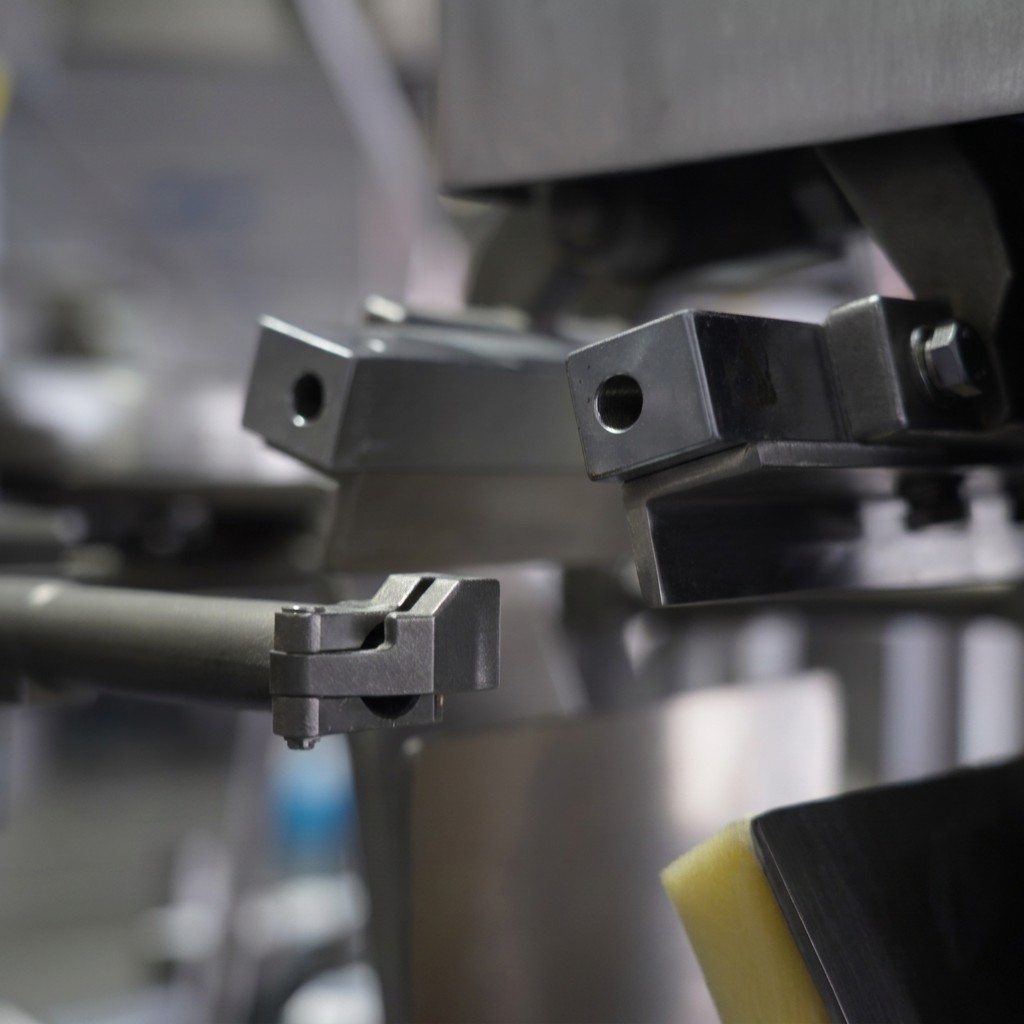
Multi-lane production represents one of the most significant advances in modern packaging automation, and understanding how a rotary pouch packing machine handles multi-lane operations is essential for manufacturers seeking to maximize output and maintain quality control. A rotary pouch packing machine fundamentally transforms how packaging facilities approach high-volume production by processing multiple product lanes simultaneously around a rotating turret, dramatically increasing throughput while maintaining precise fill weights and seal integrity. This comprehensive guide explores the mechanical and operational principles behind multi-lane rotary pouch packing machine systems, examining how they achieve consistent performance across multiple lanes and why they have become the gold standard for large-scale pouch packaging operations.
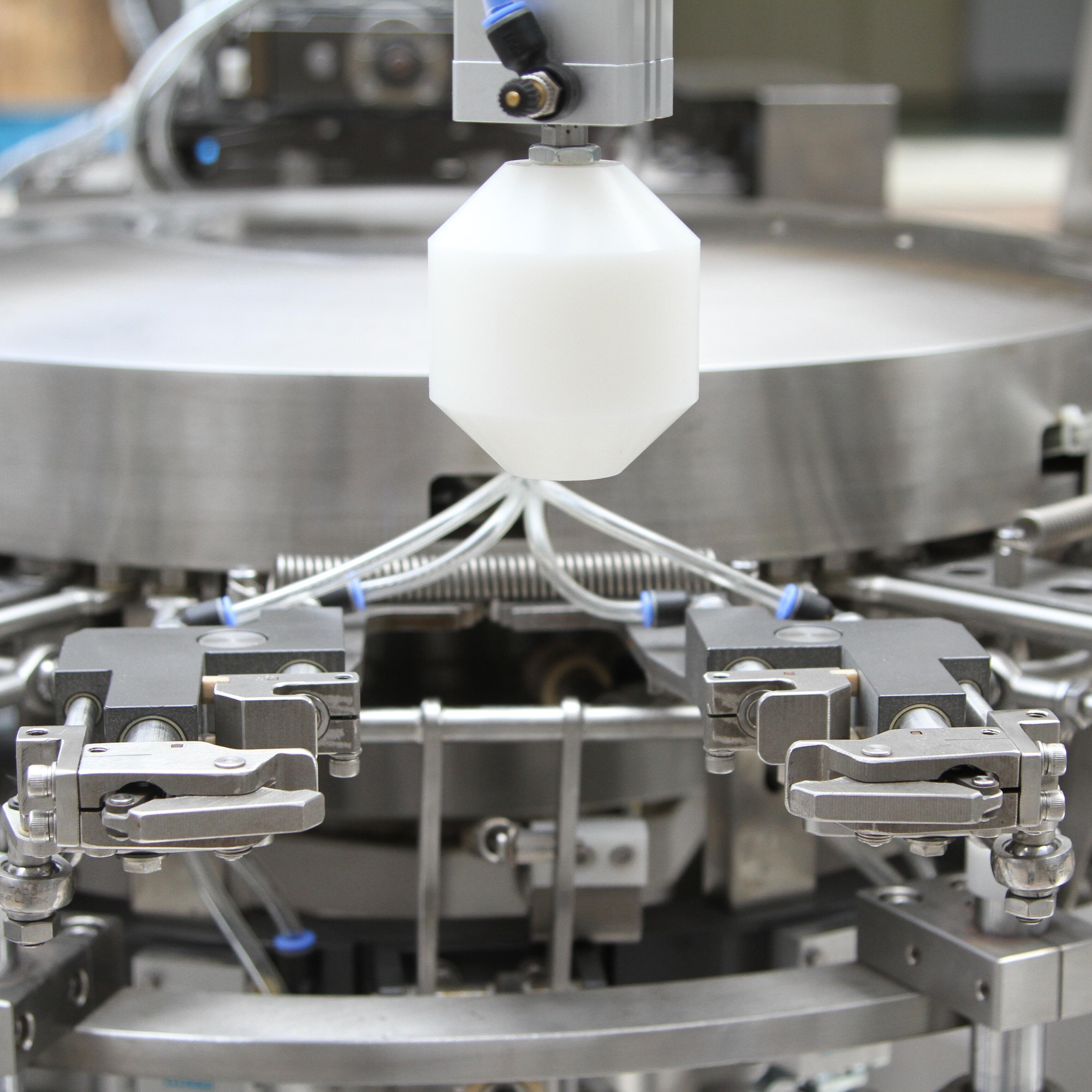
The engineering behind a rotary pouch packing machine designed for multi-lane operation involves sophisticated coordination of filling, sealing, and product movement components working in perfect synchronization. Each lane within the system operates independently yet harmoniously with others, allowing facilities to package different products, sizes, or fill weights on separate lanes without compromising the efficiency of the overall system. Understanding this architecture helps production managers optimize line configuration, troubleshoot operational challenges, and make informed decisions about capacity planning and equipment selection.
The heart of any rotary pouch packing machine designed for multi-lane packaging is the rotating turret that carries multiple filling and sealing stations. A rotary pouch packing machine typically positions these stations around a central rotating axis, allowing each lane to have dedicated filling nozzles, weighing systems, and sealing bars. This configuration means that as the turret rotates, empty pouches are filled at one station while previously filled pouches move to the sealing station, and completed packages exit for collection. The rotary pouch packing machine's multi-lane design ensures that lane separation remains constant, preventing cross-contamination and allowing different products to flow through adjacent lanes simultaneously.
Multi-lane rotary pouch packing machine systems incorporate separate pouch feed mechanisms for each lane, ensuring continuous supply of empty pouches without interruption or jamming. Each lane features its own pouch magazine, belt drive, and positioning servo that precisely indexes pouches into the filling position as the turret rotates. A rotary pouch packing machine maintains this coordination through a master timing controller that synchronizes all lanes with the turret rotation speed, ensuring that filled pouches at one station align perfectly with the sealing bars and exit conveyors. This precise choreography allows the rotary pouch packing machine to operate at speeds exceeding 200 pouches per minute per lane while maintaining exceptional accuracy and consistency.
A rotary pouch packing machine handling multiple lanes requires multiple filling heads operating simultaneously, with each head dedicated to a specific lane throughout the packaging process. These filling heads can employ various technologies including volumetric pistons, screw feeders, or liquid metering pumps, depending on product characteristics and accuracy requirements. The rotary pouch packing machine's design allows each filling head to operate at its optimal speed independent of others, meaning different product viscosities or densities can be accommodated on separate lanes without compromising overall system performance. This flexibility makes a rotary pouch packing machine exceptionally valuable for facilities producing diverse product lines or requiring different fill volumes across multiple lanes.
Modern rotary pouch packing machine systems incorporate load cells or checkweigh platforms that validate each pouch immediately after filling, ensuring compliance with regulatory weight requirements and reducing product giveaway. A rotary pouch packing machine performs this verification while the pouch remains on the turret, allowing rejected pouches to be automatically diverted before reaching the sealing station. The multi-lane configuration of a rotary pouch packing machine enables independent weight verification for each lane, with separate target weights and tolerance ranges programmed for different product types. This intelligence prevents expensive waste and maintains brand reputation by ensuring every package meets specification, a critical advantage when operating multiple product streams simultaneously through the rotary pouch packing machine.
As the rotary pouch packing machine turret advances to the sealing station, multiple sealing bars descend simultaneously onto the filled pouches, creating permanent seals across multiple lanes with perfect timing coordination. The rotary pouch packing machine employs separate heating elements and pressure systems for each lane, allowing independent temperature and seal-time adjustments to accommodate different pouch materials or film thicknesses. A rotary pouch packing machine maintains seal quality through thermal controls and pressure sensors that detect anomalies in real-time, triggering alarms or automatic corrections before defective packages progress further through the line. The exit conveyor system of a rotary pouch packing machine then receives completed pouches from all lanes, integrating them into a single collection stream or maintaining lane separation based on facility requirements and downstream labeling or packaging needs.
Contemporary rotary pouch packing machine installations feature advanced control systems that monitor performance metrics across all lanes independently, capturing fill weight, seal integrity, temperature, and throughput data for each lane separately. A rotary pouch packing machine's data logging capability enables operators to identify lane-specific performance trends, predict maintenance requirements, and validate compliance with food safety or pharmaceutical packaging standards. The rotary pouch packing machine transmits this intelligence to cloud-based systems or facility management platforms, creating comprehensive production records that support traceability, root-cause analysis, and continuous improvement initiatives. This level of visibility ensures that multi-lane operations maintain exceptional consistency, with each lane performing optimally and transparently contributing to total facility throughput.
Most industrial rotary pouch packing machine models support between 2 and 8 lanes, with capacity dependent on turret diameter, product type, and facility space constraints. Larger turrets enable additional lanes, while compact models prioritize speed and precision over lane quantity. A rotary pouch packing machine's lane configuration is typically customizable during design phases, allowing manufacturers to select the optimal balance between individual lane speed and total facility throughput.
Yes, a rotary pouch packing machine maintains complete lane isolation throughout filling and sealing operations, enabling simultaneous packaging of different products without risk of cross-contamination. Physical separation between lanes, dedicated filling heads, and independent control systems ensure that products remain segregated. A rotary pouch packing machine allows facilities to package multiple SKUs during a single production run, dramatically improving operational flexibility and reducing changeover downtime.
A rotary pouch packing machine employs independent checkweighing, temperature monitoring, and seal verification for each lane, with automated systems detecting and rejecting substandard packages in real-time. Individual PID controllers and sensor feedback systems allow a rotary pouch packing machine to self-adjust filling and sealing parameters by lane, compensating for minor mechanical variations. Regular maintenance schedules and predictive analytics from a rotary pouch packing machine's integrated monitoring systems prevent quality degradation and ensure all lanes maintain specification throughout extended production runs.

2026/09/20
Premade Pouch Machines: Reduce Film Waste, Cut TCO & Achieve Faster ROI

2026/09/20
Cut Premade Pouch Machine Changeover Time by 40% with Proven Best Practices

2026/09/20
Premade Pouch Machines: Boost Throughput, Cut Waste & Improve ROI

2026/09/20
Rotary vs Inline Premade Pouch Machines: Speed, ROI & Scalability Compared

2026/09/20
Premade Pouch Machine: Boost Throughput, Cut Labor Costs & Improve Seal Integrity

2026/09/21
Premade Pouch Machine: Pouch Types, Materials & Filling Guide

