 EN
How to Reduce Film Waste with a Premade Pouch Packaging Machine?
2026/09/20
Premade Pouch Machines: Reduce Film Waste, Cut TCO & Achieve Faster ROI

2026/09/30
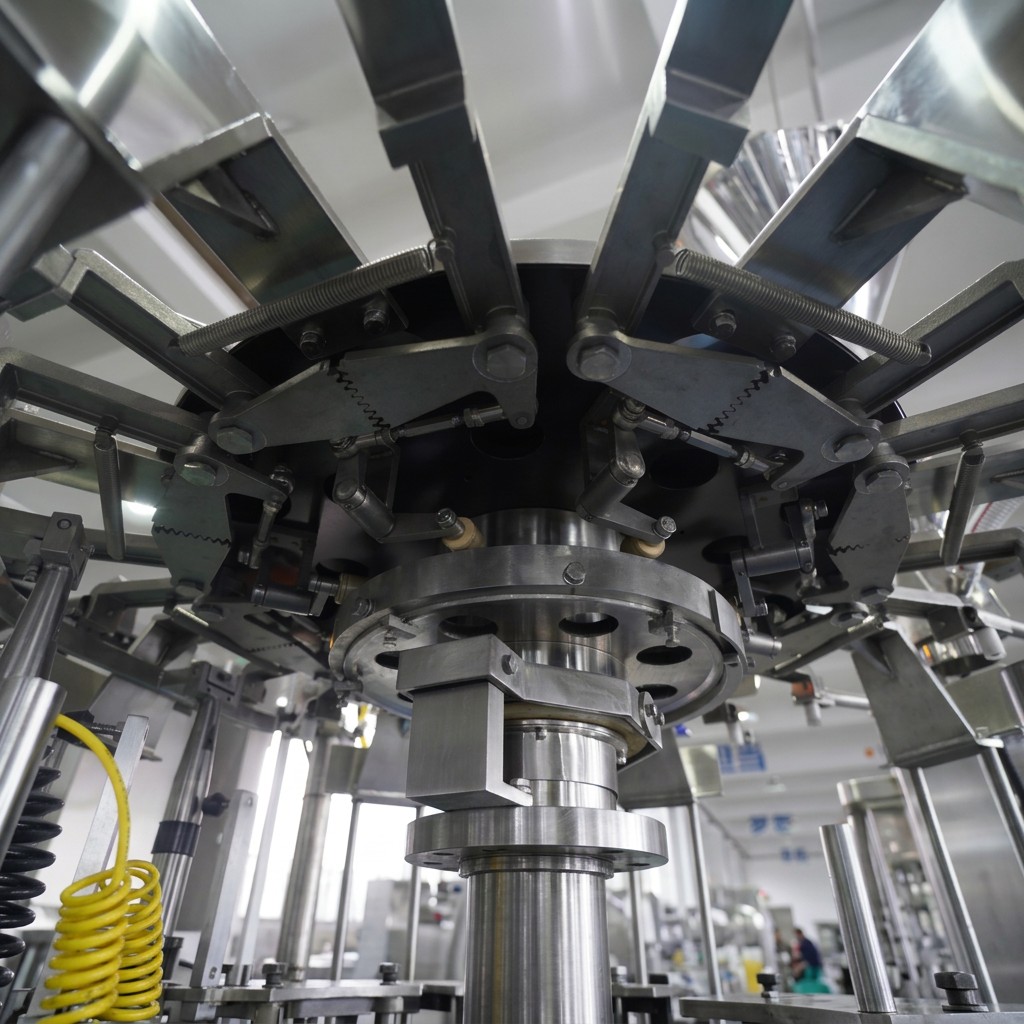
A rotary vacuum packaging machine is a specialized industrial device designed to extend the shelf life of food products by removing oxygen and sealing them in protective bags. This technology has become essential in modern food production, enabling manufacturers to preserve freshness, maintain product quality, and reduce waste. Understanding how a rotary vacuum packaging machine operates provides valuable insight into contemporary food packaging processes and the mechanical precision required for consistent, high-quality results. The rotary vacuum packaging machine combines multiple stages of operation into a seamless, automated cycle that handles everything from product placement to final heat sealing.
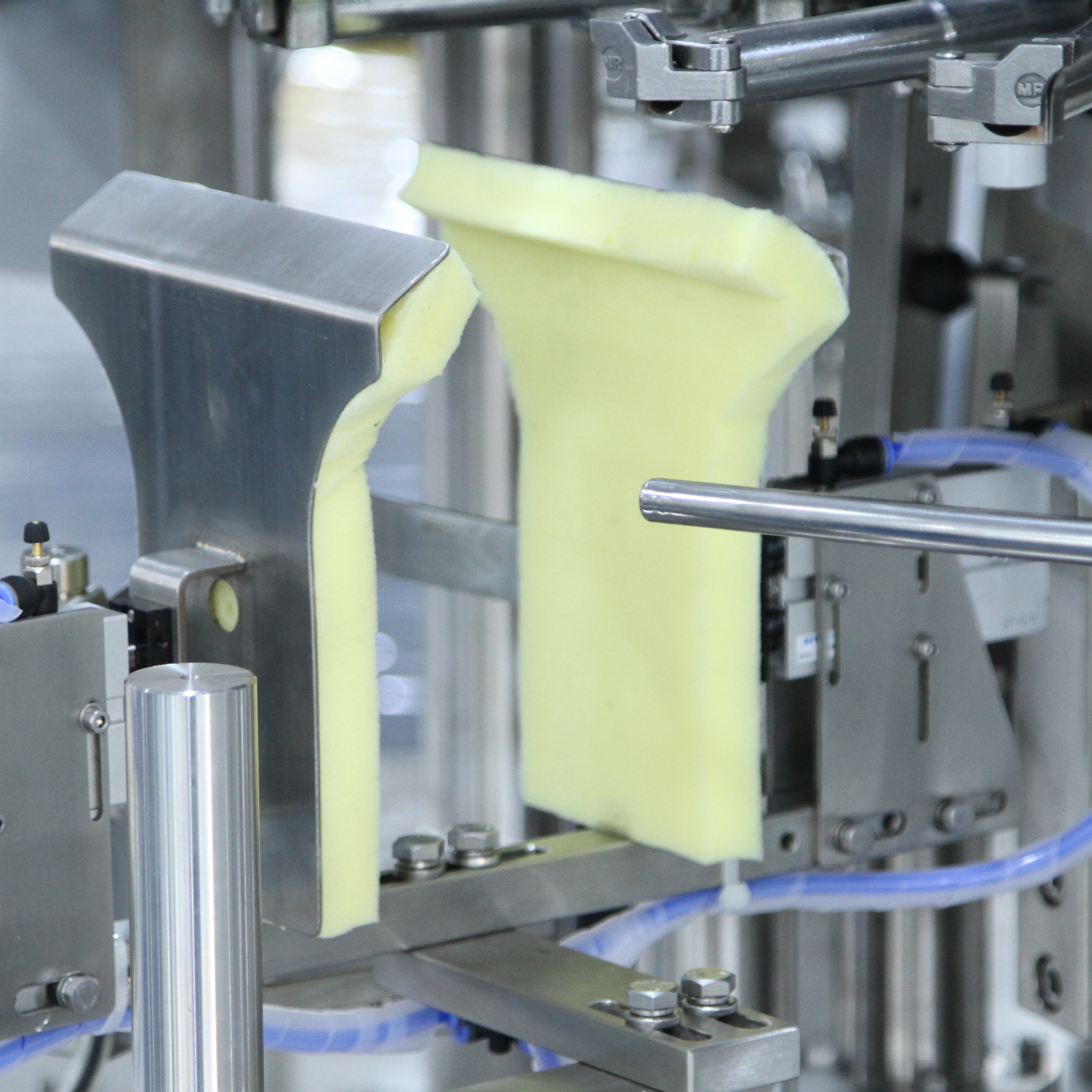
The first stage in the rotary vacuum packaging machine workflow is precise bag loading and positioning. Pre-made bags are automatically fed into individual pockets or stations on the rotating carousel. Each station holds one bag in a fixed position directly beneath the vacuum and sealing head. The rotary vacuum packaging machine uses mechanical guides and sensors to ensure consistent, repeatable bag placement. This alignment is critical because any misalignment would result in incomplete sealing or vacuum failure. The carousel rotation is synchronized with the loading mechanism, allowing the rotary vacuum packaging machine to maintain a steady tempo and keep operators moving product efficiently through each stage.
After the empty bag is loaded, product insertion occurs at a designated station. Operators or automated feeders place the product into the open bag before it enters the vacuum phase. In high-speed rotary vacuum packaging machine systems, this step is often semi-automated or fully automated, with product dispensers calibrated to deliver consistent quantities. The rotary vacuum packaging machine pauses briefly at the filling station to allow adequate time for product placement without disrupting the cycle. Manual dexterity and timing are essential when operating a rotary vacuum packaging machine at higher speeds, as product must be placed before the bag moves to the vacuum station.
Proper product placement ensures that the product does not obstruct the sealing area and that the rotary vacuum packaging machine can achieve a complete seal. The spacing between the filled product and the seal line must be sufficient; this margin allows the rotary vacuum packaging machine to vacuum and seal without product interference. Many operators are trained to position product toward the bottom of the bag, leaving the top chamber clear for optimal vacuum extraction.
Once the filled bag reaches the vacuum station, the rotary vacuum packaging machine lowers a vacuum sealing head onto the open top of the bag. This head creates an airtight chamber around the bag opening. The rotary vacuum packaging machine's vacuum pump then activates, drawing air out of both the bag interior and the chamber surrounding the bag opening. This dual-phase vacuum extraction is more effective than single-chamber designs because the external pressure accelerates air removal from the bag. The vacuum level is measured in millibar or inches of mercury; the rotary vacuum packaging machine typically operates between 80 to 95 percent vacuum, depending on product type and desired shelf life.
The dwell time—the duration the rotary vacuum packaging machine holds the bag under vacuum—is programmable and typically ranges from 0.5 to 2 seconds. During this interval, the rotary vacuum packaging machine continues extracting air, ensuring that residual oxygen inside the bag is minimized. Some products, such as fresh meats or fatty items, may require longer dwell times to achieve target vacuum levels without product damage. The rotary vacuum packaging machine's control system monitors vacuum pressure and can automatically extend dwell time if pressure plateaus above the target threshold.
After vacuum extraction reaches the target level, the rotary vacuum packaging machine initiates the heat sealing phase. Heated sealing plates descend onto the open edge of the bag, applying precisely calibrated temperature and pressure to fuse the bag material. The rotary vacuum packaging machine typically operates heating plates in the range of 150 to 200 degrees Celsius, though exact temperature depends on the bag material composition. The sealing duration—usually 0.3 to 1.5 seconds—must be sufficient to create a strong, airtight seal without overheating or burning the bag material.
The rotary vacuum packaging machine's sealing head contains dual heating elements that seal both sides of the bag opening simultaneously, creating a permanent closure. This dual-element design, found in most commercial-grade rotary vacuum packaging machine models, ensures symmetrical, reliable seals. Once the sealing cycle completes, the rotary vacuum packaging machine retracts the sealing head, and the carousel advances to the next position. The sealed bag then enters the cooling zone, where ambient air cools the fresh seal before the finished product exits the rotary vacuum packaging machine.
The rotating carousel is the mechanical heart of a rotary vacuum packaging machine, and its precision directly impacts production quality and consistency. The rotary vacuum packaging machine uses servo motors or stepper motors to control carousel rotation with repeatability within fractions of a millimeter. This tight control ensures that each bag station aligns perfectly with the vacuum head, sealing plates, and cooling zone. The rotary vacuum packaging machine's indexing system incorporates proximity sensors and photocells to detect station position and trigger each operational phase at the correct moment.
Most modern rotary vacuum packaging machine models feature variable speed control, allowing operators to adjust cycle time based on production demand and product requirements. A rotary vacuum packaging machine set to slower speeds may prioritize seal quality, while faster settings prioritize throughput. The relationship between carousel speed and dwell time is critical; the rotary vacuum packaging machine must automatically adjust dwell time if speed increases to maintain vacuum quality.
The vacuum system in a rotary vacuum packaging machine operates through an industrial-grade pump, typically rotary vane or screw-type, capable of sustained high-speed operation. The rotary vacuum packaging machine includes vacuum regulators that maintain pressure within the programmed range, responding to fluctuations caused by bag permeability variations or ambient conditions. Pressure sensors integrated into the rotary vacuum packaging machine provide real-time feedback to the control panel, allowing operators or automated systems to adjust vacuum settings dynamically.
Temperature control for the sealing plates is equally critical; the rotary vacuum packaging machine incorporates proportional heating elements and thermostats that maintain consistent plate temperature throughout production. Modern rotary vacuum packaging machine models include digital controllers that store multiple recipe profiles, enabling quick changeover between different bag sizes, materials, and product types. These automation features allow a single rotary vacuum packaging machine to handle diverse packaging scenarios with minimal manual adjustment.
A complete cycle on a typical rotary vacuum packaging machine takes between 3 to 8 seconds, depending on the machine's configuration and settings. High-speed rotary vacuum packaging machine models can achieve cycles as rapid as 2 seconds, while slower, precision-oriented models may require 10 seconds. The total cycle time includes product loading, vacuum extraction, heat sealing, and cooling. Most commercial rotary vacuum packaging machine operators aim for 4 to 6-second cycles as a balance between speed and seal quality.
A rotary vacuum packaging machine is compatible with pre-made pouches manufactured from materials like polyethylene, polypropylene, or multi-layer films designed for vacuum sealing. The bags must feature a designated sealing strip at the opening, typically made from heat-fusible material. The rotary vacuum packaging machine can handle bags ranging from small snack pouches to large retail packages, as long as the bag dimensions fit within the machine's chamber size. Always verify that the rotary vacuum packaging machine's sealing plates match your bag's sealing strip width for optimal results.
Regular maintenance for a rotary vacuum packaging machine includes weekly cleaning of the sealing plates to remove residual product and debris, monthly inspection of vacuum pump condition, and quarterly replacement of vacuum pump oil. The rotary vacuum packaging machine's carousel and indexing system should be inspected for mechanical wear, and sealing plate surfaces should be checked for pitting or uneven heating. Proper maintenance ensures your rotary vacuum packaging machine operates reliably and produces consistent, high-quality seals for extended equipment lifespan.

2026/09/20
Premade Pouch Machines: Reduce Film Waste, Cut TCO & Achieve Faster ROI

2026/09/20
Cut Premade Pouch Machine Changeover Time by 40% with Proven Best Practices

2026/09/20
Premade Pouch Machines: Boost Throughput, Cut Waste & Improve ROI

2026/09/20
Rotary vs Inline Premade Pouch Machines: Speed, ROI & Scalability Compared

2026/09/20
Premade Pouch Machine: Boost Throughput, Cut Labor Costs & Improve Seal Integrity

2026/09/21
Premade Pouch Machine: Pouch Types, Materials & Filling Guide

