 EN
How to Reduce Film Waste with a Premade Pouch Packaging Machine?
2026/09/20
Premade Pouch Machines: Reduce Film Waste, Cut TCO & Achieve Faster ROI

2026/10/26
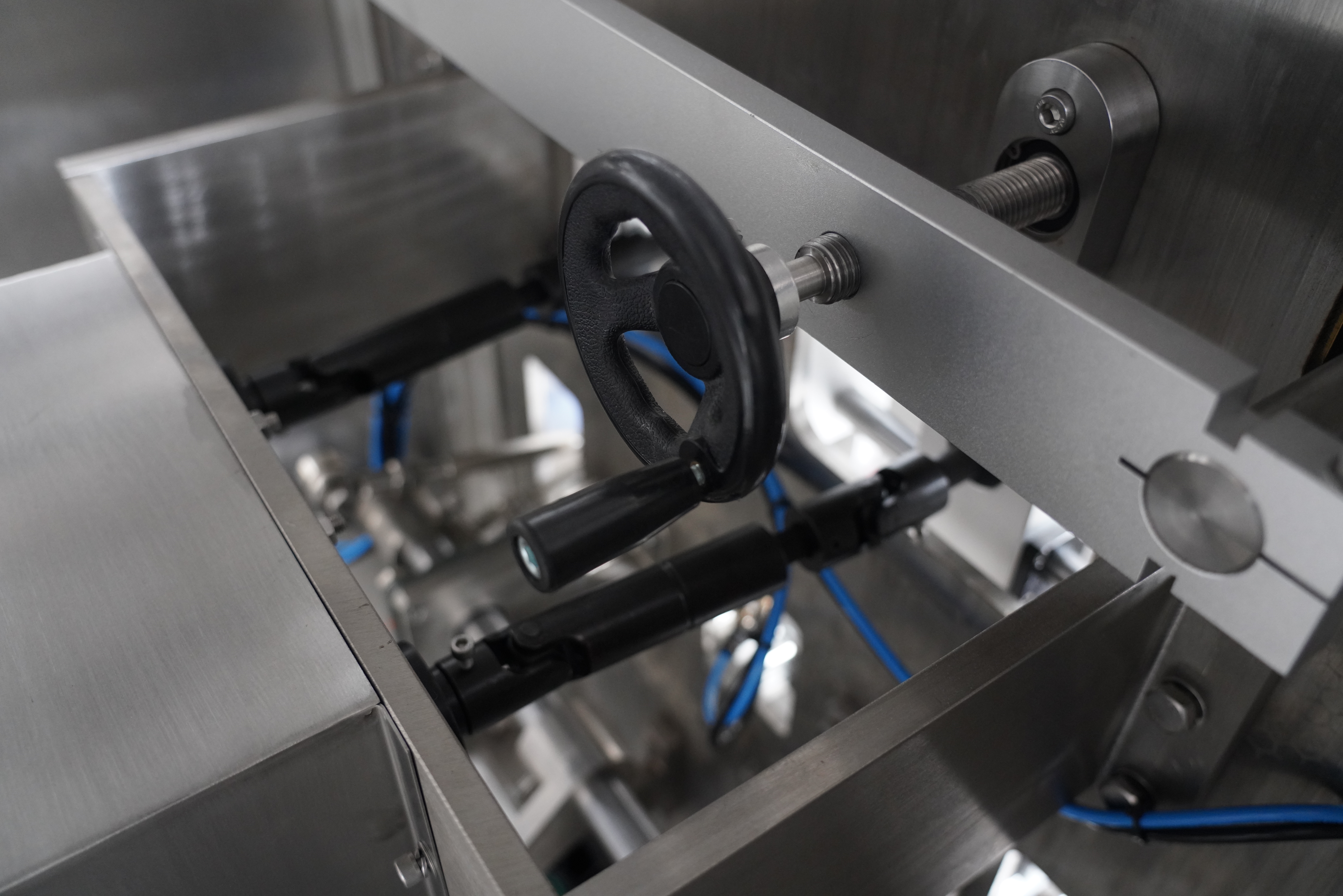
A vertical form fill seal machine is a cornerstone of modern automated packaging production. Understanding how this equipment operates is essential for manufacturers seeking to optimize their packaging lines, reduce labor costs, and maintain consistent product quality. The vertical form fill seal machine integrates multiple synchronized functions into a single platform, transforming raw packaging film into sealed, filled containers in one continuous process. This integration makes the vertical form fill seal machine a highly efficient solution for businesses packaging everything from snacks and powders to liquids and granular products across diverse industries.
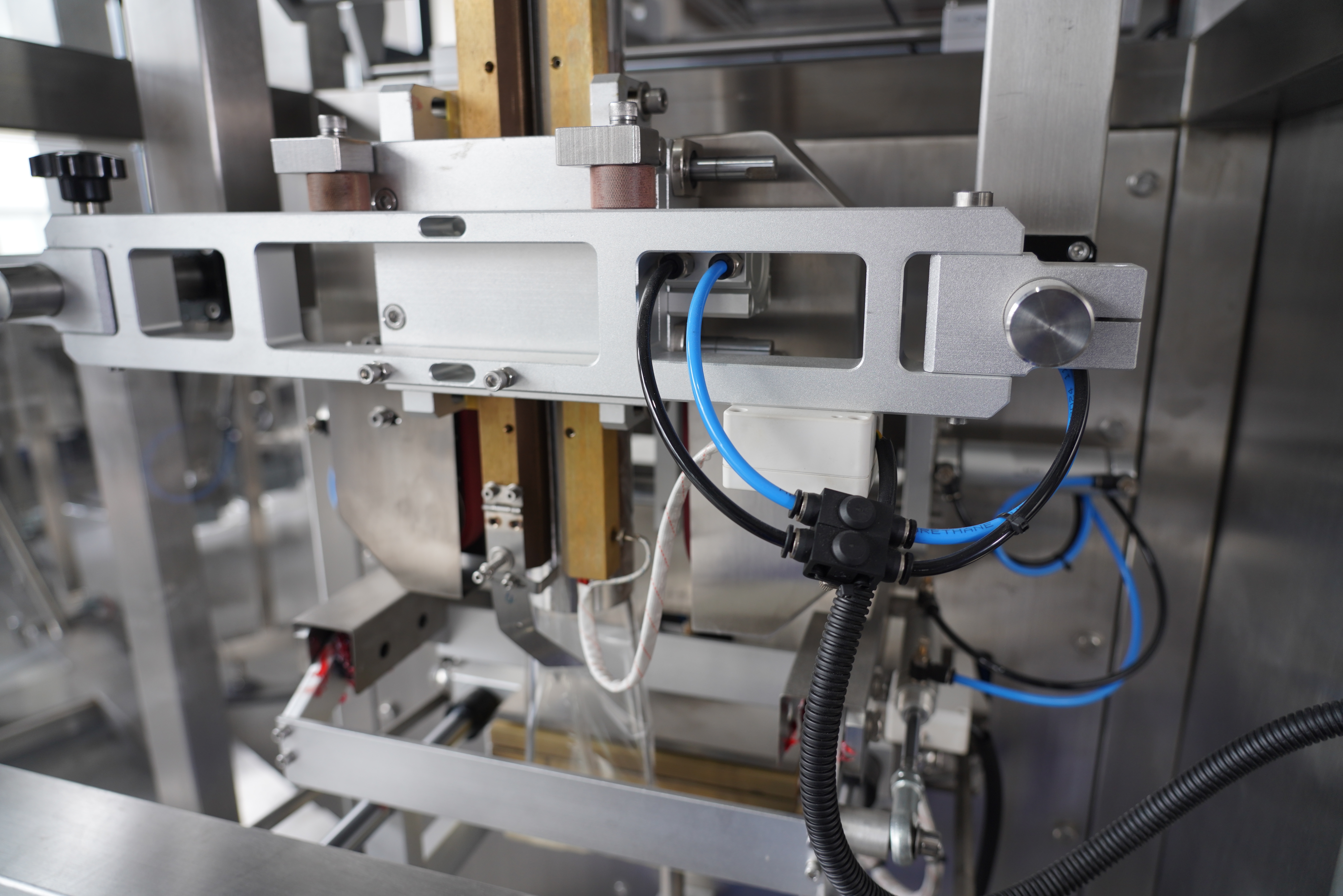
The vertical form fill seal machine operates through a carefully choreographed sequence of mechanical and pneumatic steps. Each component of the vertical form fill seal machine works in precise synchronization to pull film, shape it into a pouch, fill the pouch with product, and seal it completely. Unlike horizontal machines that approach products from the side, the vertical form fill seal machine feeds film vertically downward, allowing gravity to assist in both the forming process and product drop into the developing pouch. This design is why the vertical form fill seal machine has become the preferred choice for high-speed production environments where uptime, accuracy, and throughput directly impact profitability.
The operational cycle of a vertical form fill seal machine begins when a continuous roll of flexible packaging film is loaded into the machine's film supply unit. The vertical form fill seal machine uses motorized rollers and tension control mechanisms to pull the film smoothly from the roll at a consistent speed. As the film enters the vertical form fill seal machine, it travels through a film guide path that directs it into the forming tube, a critical structural component that shapes the flat film into a three-sided pouch. The precision of film feeding directly affects how well the vertical form fill seal machine can maintain dimensional accuracy and seal integrity throughout production. Any hesitation, slippage, or tension variation in how the vertical form fill seal machine feeds film can lead to misalignment, poor seals, or wasted material.
Inside every vertical form fill seal machine, the forming tube is where flat film becomes a tubular shape. As the film descends through the vertical form fill seal machine's forming tube, the edges are brought together and sealed with heat or ultrasonic energy to create a longitudinal seal running the full length of the pouch. The vertical form fill seal machine uses adjustable former collars and sizing rings to control the final pouch width and depth. This forming stage is where the vertical form fill seal machine establishes the foundation for consistent package appearance and structural strength. The vertical form fill seal machine's forming precision determines whether pouches will stand upright, stack properly, and meet customer visual expectations in retail environments.
Once the film has been formed into a tube by the vertical form fill seal machine, product must be introduced into the developing pouch. The vertical form fill seal machine positions a fill spout or funnel directly below the forming tube, allowing product to flow under gravity into the open pouch. For the vertical form fill seal machine to handle different product types, fill spouts can be adjusted or replaced depending on whether you are dispensing fine powders, larger granules, snacks, or liquids. The fill amount in each pouch is controlled by either a volumetric filler, a multi-head weigher, or a servo-driven piston mechanism, depending on the specific vertical form fill seal machine model and product requirements. The vertical form fill seal machine's filling system must be fast enough to keep pace with the forming and sealing stations without creating bottlenecks that reduce overall line speed.
The vertical form fill seal machine operates on a timed cycle where each pouch receives product for a precise duration or to a predetermined weight. Modern vertical form fill seal machine equipment uses sensors and programmable logic controllers to ensure that every fill cycle meets exact specifications, preventing underfills that frustrate consumers or overfills that reduce profit margins. For powder or granular products, the vertical form fill seal machine's fill system may operate continuously with a top cutter, while for discrete products or measured liquids, the vertical form fill seal machine pauses briefly to allow the correct amount to drop into each pouch. This synchronization between the vertical form fill seal machine's forming, filling, and cutting stations is what enables high-speed production without sacrificing fill accuracy or package quality.
After product has been dispensed into the pouch within the vertical form fill seal machine, the top of the pouch must be sealed to keep the product fresh, safe, and contained. The vertical form fill seal machine uses heat sealing jaws, ultrasonic sealing, or combination sealing technology to fuse the film layers together at the pouch opening. Heat sealing is the most common method in a vertical form fill seal machine, where heated platens press together the film for a fraction of a second, creating a hermetic bond. The temperature, pressure, and dwell time of the vertical form fill seal machine's sealing jaws are precisely calibrated for the specific film thickness and material composition. If the vertical form fill seal machine's sealing parameters are incorrect, seals may be weak and leak, or so strong that the pouch becomes difficult to open, both outcomes that harm brand reputation and customer satisfaction.
Immediately after the seal is formed, the vertical form fill seal machine uses a cutting mechanism to separate the completed pouch from the continuous web of film below it. The vertical form fill seal machine's cutter can be a hot wire, a sharp blade, or a combination tool that cuts and separates in a single action. Once cut, the finished pouch falls or is conveyed away from the vertical form fill seal machine onto a collection conveyor, discharge chute, or collection tray. The vertical form fill seal machine then immediately begins forming the next pouch as the film continues to advance. This continuous cycle of the vertical form fill seal machine means that hundreds or thousands of pouches can be produced per hour, depending on pouch size, product type, and machine speed settings.
A vertical form fill seal machine can package a wide range of products including powders, granules, liquids, pastes, snacks, coffee, tea, spices, and many other dry or semi-liquid items. The versatility of the vertical form fill seal machine is one reason it dominates modern packaging operations. Different fill spouts, hoppers, and weigher configurations allow a single vertical form fill seal machine to handle multiple product types with minimal conversion time.
The speed of a vertical form fill seal machine depends on pouch size, product type, and machine specifications. Many vertical form fill seal machine models can produce 50 to 300 pouches per minute, with some high-speed versions reaching 400 or more per minute. Larger pouches or products requiring precise measurement typically run slower on a vertical form fill seal machine than smaller, free-flowing products.
A vertical form fill seal machine requires regular cleaning, seal jaw maintenance, temperature calibration, and lubrication of moving parts. Regular maintenance of your vertical form fill seal machine prevents seal failures, extends equipment life, and ensures consistent output quality. Most manufacturers provide detailed maintenance schedules specific to their vertical form fill seal machine models.

2026/09/20
Premade Pouch Machines: Reduce Film Waste, Cut TCO & Achieve Faster ROI

2026/09/20
Cut Premade Pouch Machine Changeover Time by 40% with Proven Best Practices

2026/09/20
Premade Pouch Machines: Boost Throughput, Cut Waste & Improve ROI

2026/09/20
Rotary vs Inline Premade Pouch Machines: Speed, ROI & Scalability Compared

2026/09/20
Premade Pouch Machine: Boost Throughput, Cut Labor Costs & Improve Seal Integrity

2026/09/21
Premade Pouch Machine: Pouch Types, Materials & Filling Guide

