 EN
How to Reduce Film Waste with a Premade Pouch Packaging Machine?
2026/09/20
Premade Pouch Machines: Reduce Film Waste, Cut TCO & Achieve Faster ROI

2026/10/23
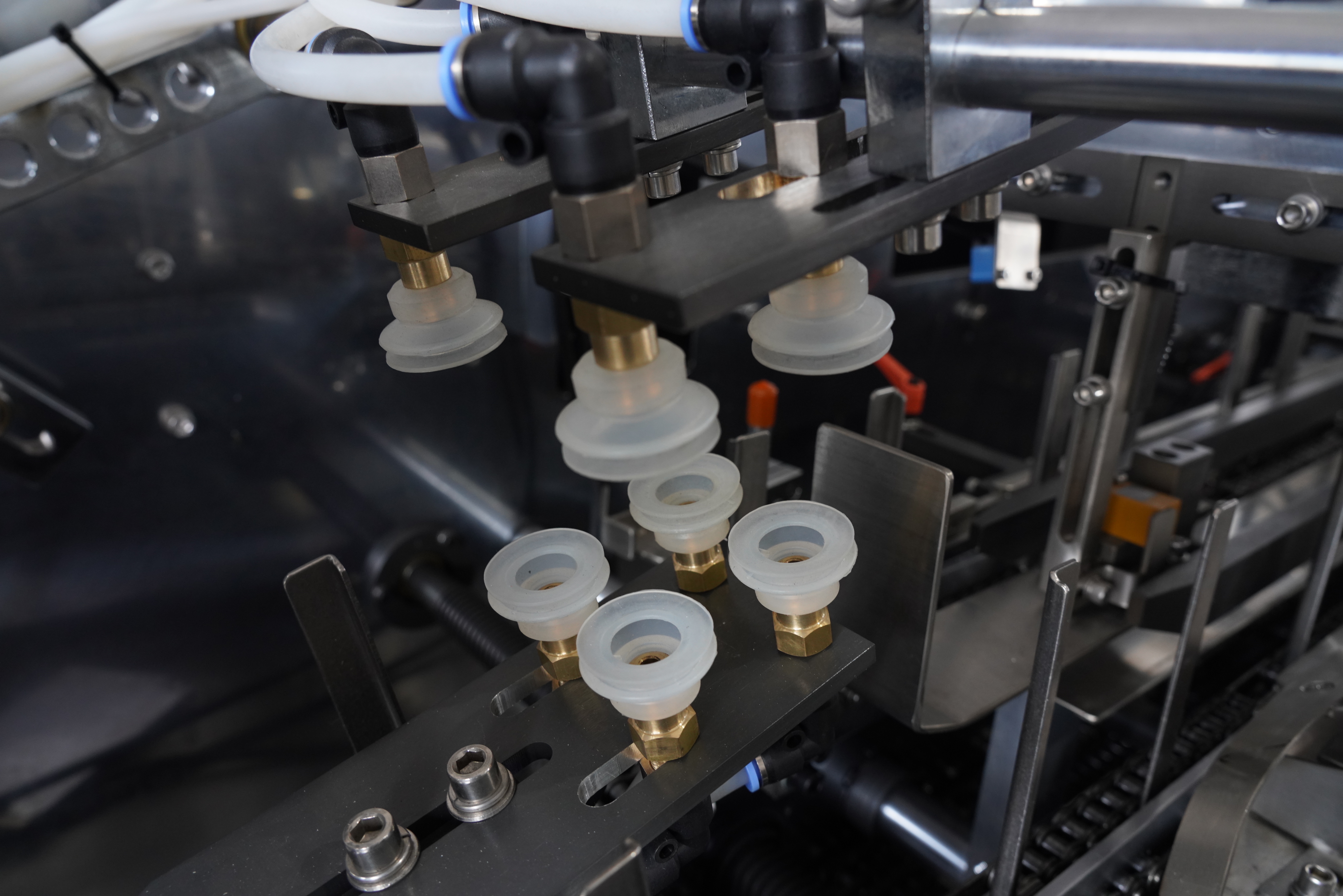
A VFFS machine represents one of the most efficient and widely adopted technologies in modern packaging operations. Whether you're packaging snacks, powders, liquids, or granules, understanding how a VFFS machine works provides valuable insight into why this equipment has become the industry standard for high-speed, consistent, and cost-effective bag production. The term VFFS stands for vertical form-fill-seal, and the process it describes is a remarkably coordinated sequence of mechanical and pneumatic actions that transform flat film into sealed, filled packages in seconds.
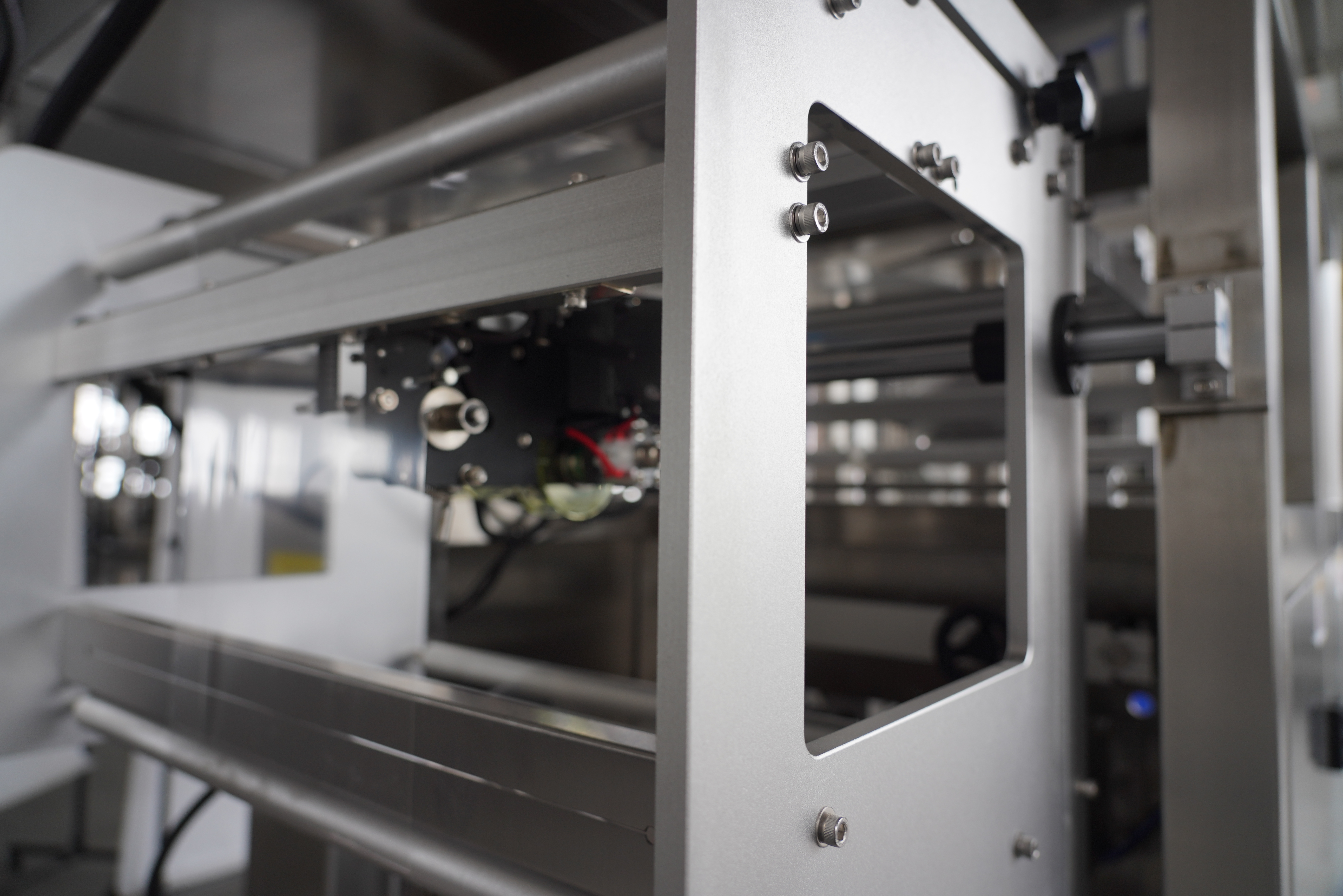
The operational flow of a VFFS machine begins with a simple concept but demands precise engineering to execute reliably. At its core, a VFFS machine takes a continuous roll of flexible film material, forms it into a tube shape, fills that tube with product, and then seals both sides to create individual packages. This seamless integration of forming, filling, and sealing functions within a single machine eliminates manual handling steps and dramatically reduces labor costs while improving output quality and consistency across production runs.
When a VFFS machine begins its cycle, the first critical stage involves unwinding film from a large roll and guiding it through the machine's forming tube. The VFFS machine uses precision rollers and guides to ensure the film travels straight and maintains consistent tension as it moves through each stage. This film guidance system prevents wrinkles, misalignment, and material waste that would otherwise compromise package quality. The film must be pulled at exactly the right speed to synchronize with the filling and sealing functions of the VFFS machine.
At the heart of the VFFS machine sits the forming tube, a precision-engineered component that curves the flat film into a cylindrical shape. As the film wraps around this forming tube inside the VFFS machine, the overlapping edges must be sealed together using heat and pressure to create a continuous tube. This longitudinal seal runs the entire length of the tube created by the VFFS machine, and its integrity is essential because it determines whether the filled packages will hold their contents securely. Modern VFFS machine designs use heated jaws or hot wheels to apply this seal while the film is still moving, which requires precise timing and temperature control to avoid film damage or weak seals.
Once the VFFS machine has formed the tube and created the longitudinal seal, the product must be delivered into the moving tube accurately and reliably. Different filling technologies integrate with a VFFS machine depending on the product type. A VFFS machine handling granular materials might use a vibrating feeder or auger filler, while a VFFS machine designed for powders might employ a multi-head weighing system. Liquid products require a pump or piston filler built into the VFFS machine to dispense precise volumes. The key requirement for any filler integrated into a VFFS machine is synchronization with the tube formation and sealing cycles.
A well-engineered VFFS machine achieves product accuracy through coordinated sensor feedback and pneumatic or mechanical controls. The VFFS machine reads signal inputs from position sensors that detect when the tube is properly positioned for filling, then triggers the filler mechanism to dispense the exact amount of product before the tube moves to the sealing station. This level of synchronization in a VFFS machine ensures minimal product variance between packages, which directly impacts customer satisfaction and regulatory compliance. Advanced VFFS machine models include weight-check stations that verify fill accuracy and automatically reject out-of-spec packages before they reach the final output.
After the product is dispensed into the tube formed by the VFFS machine, the next critical operation is sealing both the bottom and top of the individual package. The VFFS machine uses heated jaws or sealing bars to apply pressure and heat across the width of the tube, which simultaneously seals the bottom of one package and the top of the next package below it. This VFFS machine sealing operation occurs intermittently as the film advances, and the timing must align perfectly with product dispensing. The VFFS machine must maintain precise temperature control to ensure seals are strong enough to prevent leakage yet not so hot that they damage the film material or degrade heat-sensitive products.
Concurrent with the cross-sealing operation, a VFFS machine incorporates a cutting mechanism that severs the sealed tube at the midpoint between two packages. This cutting action transforms the sealed tube into individual finished packages that can be discharged from the VFFS machine. Most modern VFFS machine designs use a hot knife or ultrasonic cutter to make this separation, and the VFFS machine timing system ensures the cut occurs precisely where the seals are strongest. The efficiency of this VFFS machine cutting stage directly affects product throughput and the visual quality of the finished package edges.
The coordinated performance of a VFFS machine depends critically on precise mechanical timing that orchestrates film feeding, product filling, and sealing operations. A VFFS machine typically uses an intermittent drive system where the film advances in timed pulses, stopping briefly at each sealing and cutting station. This stop-and-go motion pattern allows the VFFS machine to maintain consistent package dimensions and gives the sealing jaws sufficient dwell time to create robust seals. The mechanical indexing system of a VFFS machine is often driven by a main motor connected through gears and clutches that ensure all operations remain synchronized regardless of production speed.
Modern VFFS machine installations incorporate multiple sensors that monitor film position, seal quality, product fill levels, and machine performance metrics in real time. A VFFS machine equipped with optical sensors can detect film misalignment and automatically correct the film path before quality defects occur. The VFFS machine control system collects data from these sensors and adjusts machine parameters such as sealing temperature, jaw pressure, and film speed to maintain consistent output quality throughout the production run. This closed-loop control approach makes a VFFS machine more reliable and reduces downtime caused by drift in machine settings or material variations.
A VFFS machine offers significant advantages including lower material costs since film is cheaper than pre-manufactured bags, complete flexibility in package size and design, faster changeover between different product runs, and reduced storage space requirements for packaging materials. For businesses packaging at moderate to high volumes, the operating economics of a VFFS machine typically prove superior to manually filling and sealing pre-made bags.
A VFFS machine works exceptionally well with granules, powders, snacks, pasta, cereals, spices, and frozen products. A VFFS machine can also accommodate liquids and pastes when equipped with specialized filling heads. The versatility of a VFFS machine makes it suitable across food, pharmaceutical, chemical, and pet care industries.
Sealing jaws and hot knives in a VFFS machine typically require cleaning and inspection every 4 to 8 hours of continuous operation to maintain seal quality and remove any product residue or film deposits. A VFFS machine with a comprehensive preventive maintenance schedule, including regular temperature calibration and mechanical component inspection, can operate reliably with minimal downtime for years.

2026/09/20
Premade Pouch Machines: Reduce Film Waste, Cut TCO & Achieve Faster ROI

2026/09/20
Cut Premade Pouch Machine Changeover Time by 40% with Proven Best Practices

2026/09/20
Premade Pouch Machines: Boost Throughput, Cut Waste & Improve ROI

2026/09/20
Rotary vs Inline Premade Pouch Machines: Speed, ROI & Scalability Compared

2026/09/20
Premade Pouch Machine: Boost Throughput, Cut Labor Costs & Improve Seal Integrity

2026/09/21
Premade Pouch Machine: Pouch Types, Materials & Filling Guide

