 EN
How to Reduce Film Waste with a Premade Pouch Packaging Machine?
2026/09/20
Premade Pouch Machines: Reduce Film Waste, Cut TCO & Achieve Faster ROI

2026/10/03
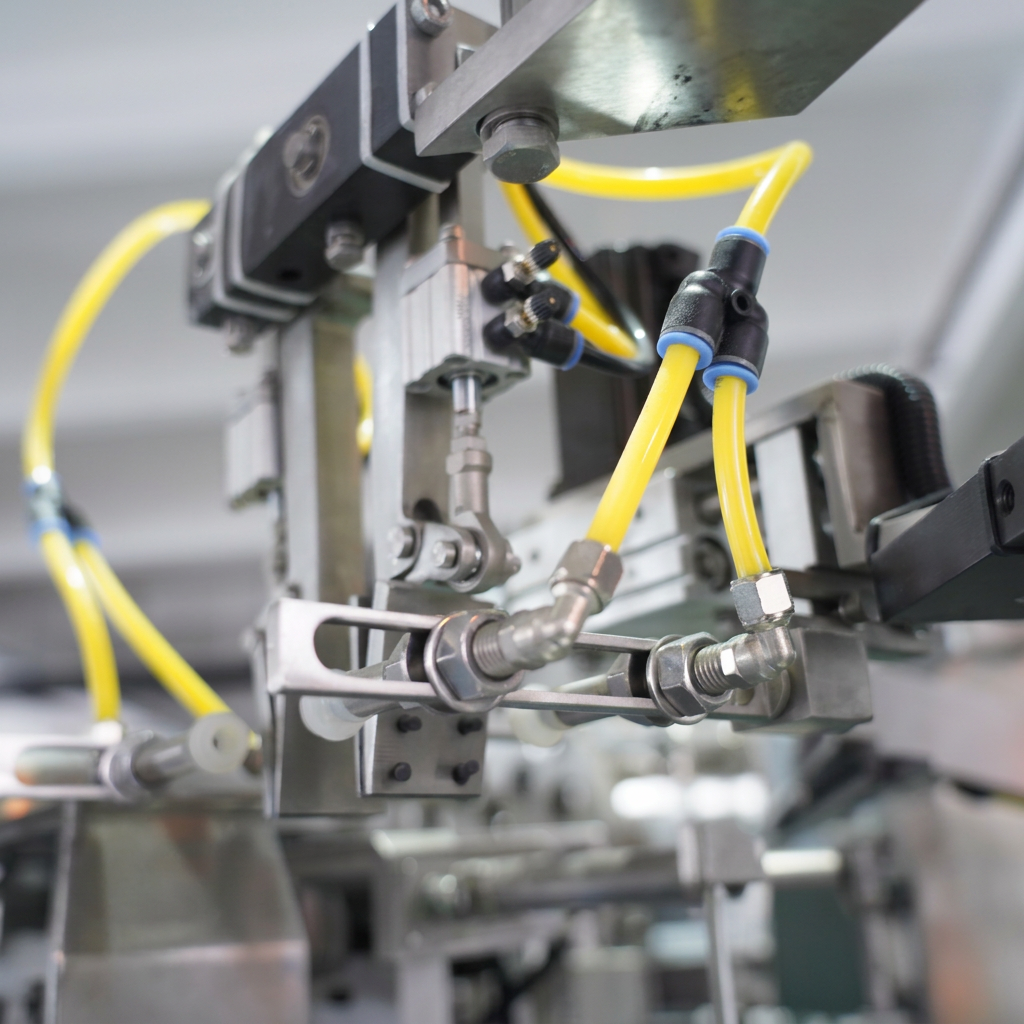
The rotary vacuum packaging machine represents a significant engineering advancement in modern packaging operations. Unlike traditional linear models, the rotary vacuum packaging machine utilizes continuous rotation to process multiple pouches simultaneously, dramatically reducing the time required to complete each packaging cycle. This innovative approach has transformed production environments across food, medical, and industrial sectors, enabling manufacturers to achieve unprecedented throughput while maintaining consistent seal quality and product protection.
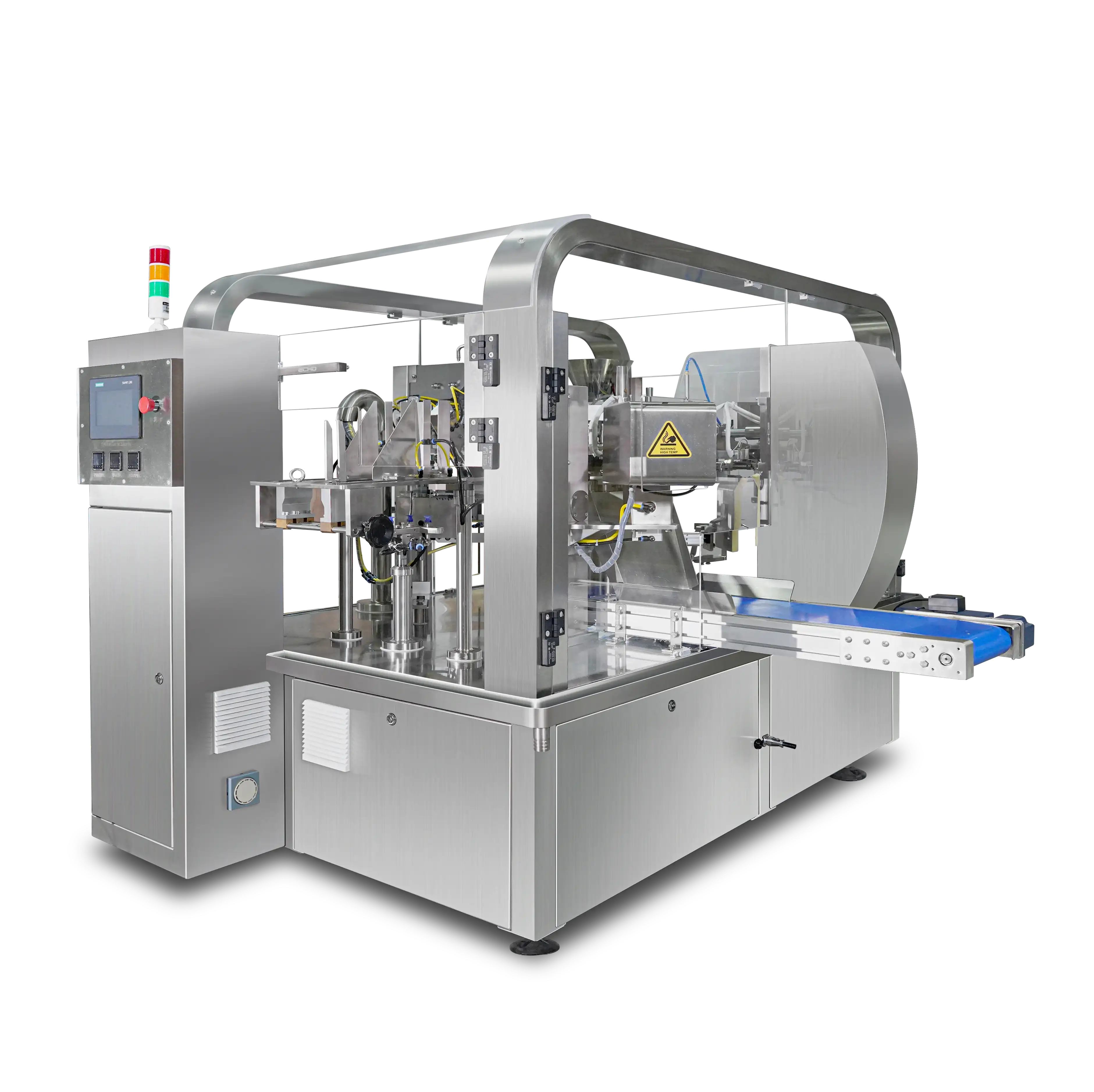
Understanding how the rotary vacuum packaging machine achieves faster cycle times requires examining the fundamental mechanical differences between rotary and linear designs. The rotary vacuum packaging machine operates on a carousel or turntable principle, where multiple stations rotate continuously around a central axis, each station performing a distinct packaging function simultaneously. This parallel processing capability is the core reason why the rotary vacuum packaging machine reduces cycle times compared to sequential processing methods that handle one pouch at a time.
The rotary vacuum packaging machine achieves superior speed through its distinctive carousel design, where the machine rotates continuously rather than stopping between cycles. Each station on the rotary vacuum packaging machine performs a critical packaging step: loading, evacuation, sealing, and discharge. While one pouch undergoes vacuum sealing at the main chamber, other pouches are simultaneously loading at the input station and unloading at the output station. This simultaneous operation means the rotary vacuum packaging machine produces finished packages far faster than machines that complete all operations sequentially on a single fixed platform.
The rotary vacuum packaging machine distributes work across multiple stations, eliminating idle time that occurs with linear designs. Traditional machines must stop moving while performing vacuum and seal operations, then reset before accepting the next pouch. Conversely, the rotary vacuum packaging machine never stops; it maintains constant forward momentum. This perpetual motion design makes the rotary vacuum packaging machine ideal for high-volume production environments where every second of downtime translates to lost output and reduced profitability.
The vacuum chamber configuration in a rotary vacuum packaging machine is engineered specifically to support rapid evacuation cycles. The rotary vacuum packaging machine uses optimized chamber dimensions and rapid valve sequencing to reduce the time required to achieve target vacuum levels. High-performance pumping systems integrated into the rotary vacuum packaging machine ensure atmospheric pressure is quickly lowered to the specified level, typically within two to five seconds. The rotary vacuum packaging machine then rapidly seals the pouch while vacuum is maintained, creating an airtight barrier before pressure is restored.
The sealing mechanism in a rotary vacuum packaging machine is designed for split-second precision timing. Heating elements activate simultaneously across the rotary vacuum packaging machine's sealing bars, creating consistent fusion of film layers in a fraction of a second. The rotary vacuum packaging machine then immediately exhausts residual vacuum before the pouch exits the chamber, preparing the system for the next rotation cycle. This orchestrated sequence of events within the rotary vacuum packaging machine minimizes transition time between consecutive pouches.
The fundamental advantage of the rotary vacuum packaging machine lies in parallel processing capability. A typical rotary vacuum packaging machine with six stations means six times more packages complete processing compared to a single-station linear design operating at equivalent speed. The rotary vacuum packaging machine achieves this multiplication effect by never forcing the system to wait for any single station to finish before moving forward. Each station on the rotary vacuum packaging machine executes its designated task during a continuous rotation cycle, contributing to overall throughput in a way that linear machines cannot match.
When comparing cycle time, the rotary vacuum packaging machine outperforms linear alternatives significantly. A rotary vacuum packaging machine capable of completing a full rotation every eight seconds with six stations theoretically processes six pouches in eight seconds, equating to 2,700 packages per hour. A linear machine with an eight-second cycle time would produce only 450 packages per hour. The rotary vacuum packaging machine's architectural superiority directly translates to quantifiable production advantage, making it the preferred choice for operations requiring substantial output capacity.
Dwell time, the period during which a pouch remains stationary within a packaging machine, significantly impacts overall cycle time. The rotary vacuum packaging machine minimizes dwell time by moving continuously; each pouch occupies a station for only as long as necessary to complete that station's specific function. The rotary vacuum packaging machine does not require additional settling time or mechanical repositioning between cycles because the rotation itself advances all pouches automatically. This elimination of mechanical delay is impossible in linear designs, where each step must complete fully before the next operation begins.
The rotary vacuum packaging machine also reduces operator intervention time and material handling delays. Products load continuously into the rotating system, and finished packages discharge at an equally constant rate. The rotary vacuum packaging machine's design permits operators to maintain a steady feeding rhythm without waiting for machine cycles to complete. This continuous flow integration makes the rotary vacuum packaging machine exceptionally efficient in high-speed production lines where coordination between equipment and human workflow directly affects total throughput.
Food manufacturers have embraced the rotary vacuum packaging machine due to its dual advantage of speed and seal consistency. The rotary vacuum packaging machine maintains precise vacuum levels across every pouch, ensuring optimal shelf-life extension through complete oxygen removal. Faster cycle times mean the rotary vacuum packaging machine allows food products to reach market quickly after packaging, minimizing the time products spend in intermediate storage. The rotary vacuum packaging machine is particularly valuable for fresh proteins, prepared meals, and specialty foods where rapid turnaround supports both quality and commercial objectives.
The rotary vacuum packaging machine's ability to process diverse pouch sizes and materials with minimal downtime makes it ideal for food operations requiring product variety. Operators can adjust the rotary vacuum packaging machine parameters between runs without stopping the primary rotation mechanism. The rotary vacuum packaging machine handles flexible film pouches, rigid-film combinations, and specialized barrier materials with equal capability, providing production flexibility that linear machines require mechanical reconfiguration to achieve.
Medical device and pharmaceutical manufacturers depend on the rotary vacuum packaging machine for sterile packaging operations. The rotary vacuum packaging machine maintains trace documentation of vacuum levels, seal integrity, and timing for each package processed, supporting regulatory compliance requirements. The rotary vacuum packaging machine's consistent performance reduces variability between packages, a critical requirement for applications where packaging failure presents patient safety risks. Faster cycle times delivered by the rotary vacuum packaging machine do not compromise quality; instead, improved consistency often accompanies higher throughput.
Industrial applications benefit from the rotary vacuum packaging machine's robust performance in demanding environments. The rotary vacuum packaging machine handles heavy materials, sharp edges, and harsh processing conditions better than linear alternatives because distributed load across multiple stations reduces stress on individual components. rotary vacuum packaging machine systems engineered for industrial duty maintain reliability even during extended production runs, delivering consistent cost-per-unit economics that justify equipment investment.
A rotary vacuum packaging machine typically delivers two to eight times higher throughput than linear machines, depending on station count and cycle speed. A six-station rotary vacuum packaging machine can process approximately six packages during each rotation cycle, while a linear machine processes one package per cycle. For identical cycle times, the rotary vacuum packaging machine produces substantially more output, making throughput multiplication the primary advantage of rotary design.
The rotary vacuum packaging machine requires periodic inspection of vacuum pump performance, heating element condition, and seal bar alignment to maintain optimal cycle times. Bearing and drive mechanism maintenance ensures smooth rotation; any friction increase slows the rotary vacuum packaging machine or forces operator intervention. Regular filter changes and pump evacuation cycles keep the rotary vacuum packaging machine operating at design specifications. Preventive maintenance for the rotary vacuum packaging machine typically costs less than unplanned downtime caused by component failure.
Yes, the rotary vacuum packaging machine offers significant format flexibility through adjustable sealing bars, evacuation chamber configurations, and programmable cycle parameters. The rotary vacuum packaging machine can transition between different pouch dimensions and film materials relatively quickly compared to mechanical reformatting required for linear machines. Most modern rotary vacuum packaging machine systems store multiple format configurations in memory, enabling rapid changeovers that minimize downtime between product runs and maximize the rotary vacuum packaging machine's utilization efficiency.

2026/09/20
Premade Pouch Machines: Reduce Film Waste, Cut TCO & Achieve Faster ROI

2026/09/20
Cut Premade Pouch Machine Changeover Time by 40% with Proven Best Practices

2026/09/20
Premade Pouch Machines: Boost Throughput, Cut Waste & Improve ROI

2026/09/20
Rotary vs Inline Premade Pouch Machines: Speed, ROI & Scalability Compared

2026/09/20
Premade Pouch Machine: Boost Throughput, Cut Labor Costs & Improve Seal Integrity

2026/09/21
Premade Pouch Machine: Pouch Types, Materials & Filling Guide

