 EN
How to Reduce Film Waste with a Premade Pouch Packaging Machine?
2026/09/20
Premade Pouch Machines: Reduce Film Waste, Cut TCO & Achieve Faster ROI

2026/10/05
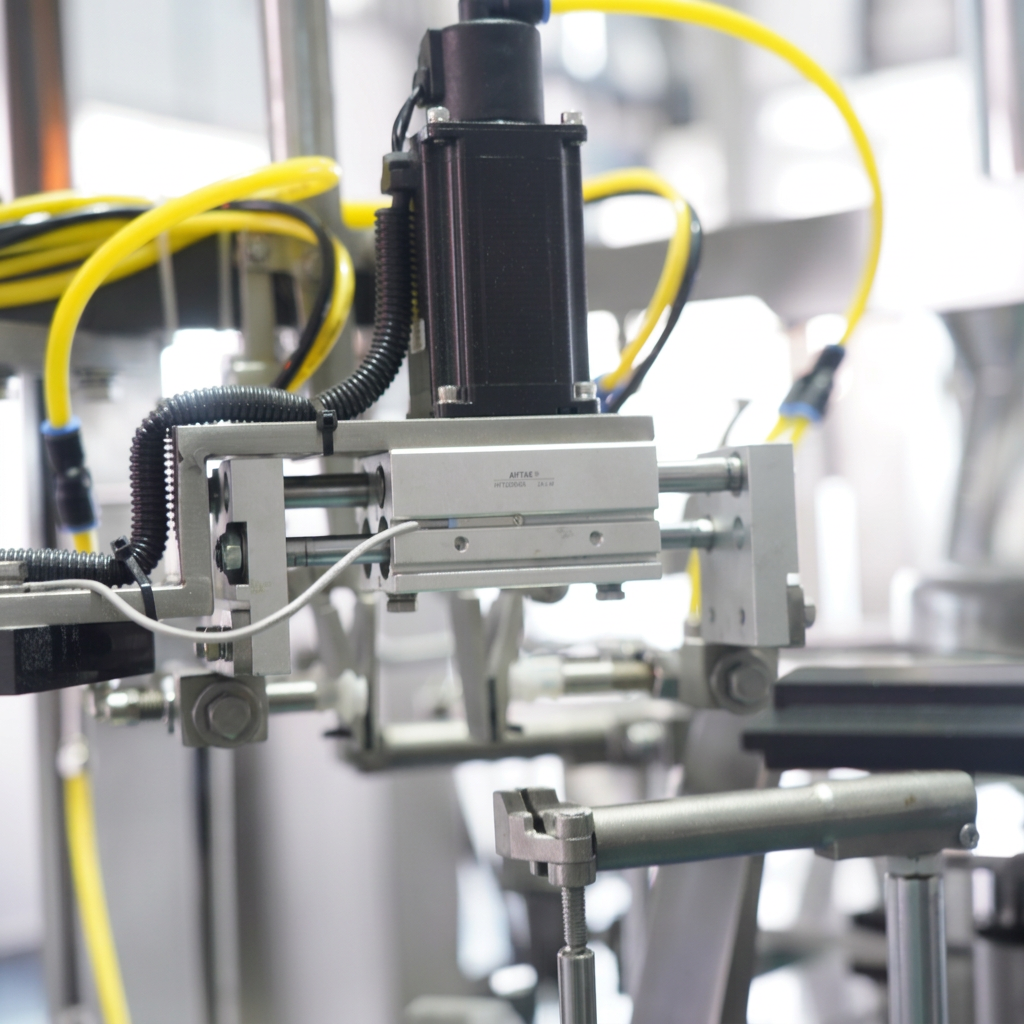
A rotary vacuum packing machine is a critical investment for food processing, pharmaceutical, and manufacturing facilities that require reliable product preservation and shelf-life extension. The performance and longevity of your rotary vacuum packing machine depend heavily on a structured maintenance and servicing schedule. Understanding when and how often to service your rotary vacuum packing machine ensures consistent seal quality, reduces unexpected downtime, and maximizes your equipment investment over its operational lifetime.
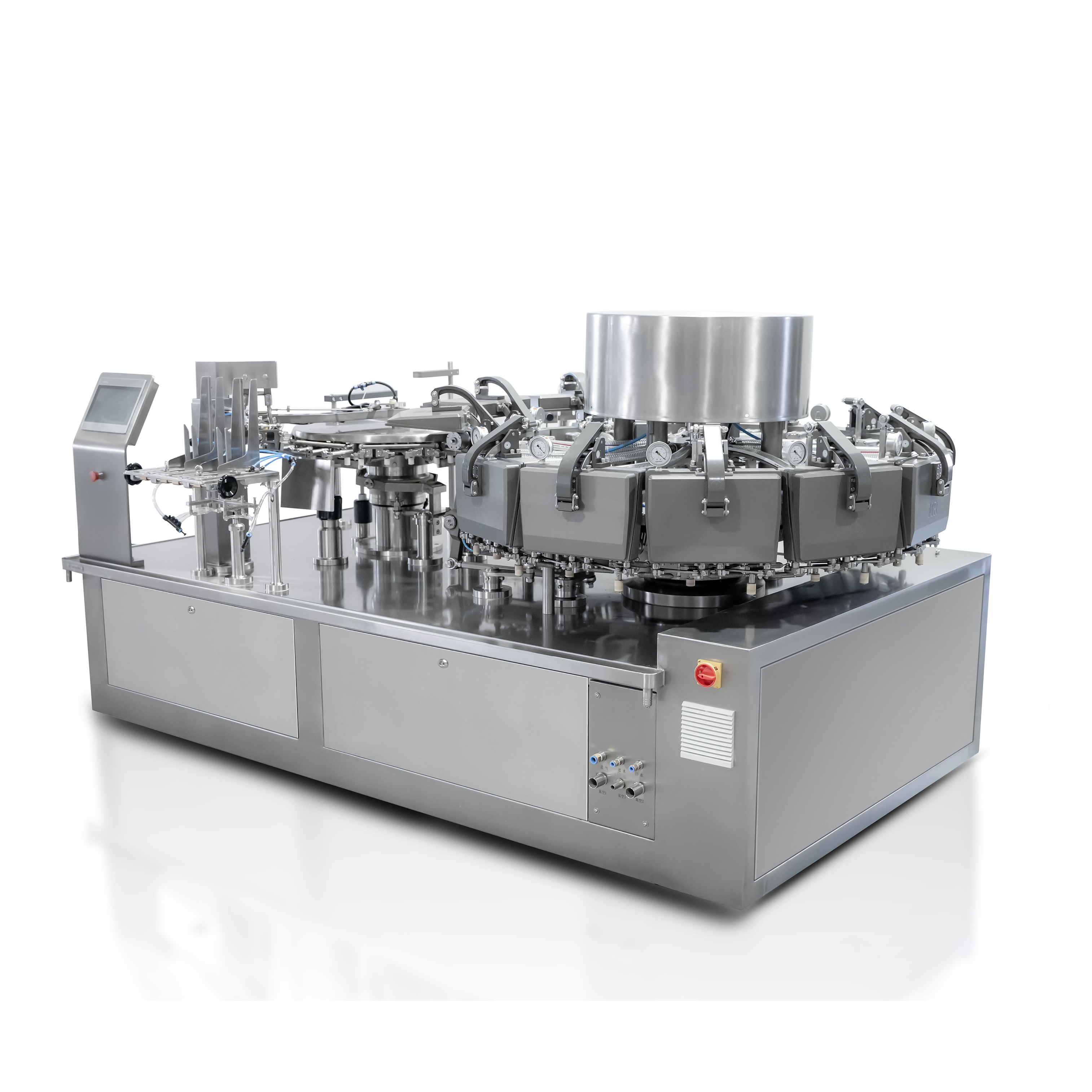
Regular servicing of your rotary vacuum packing machine prevents seal failures, maintains vacuum chamber integrity, and keeps sealing components operating within specification. Operators and maintenance teams must follow manufacturer recommendations and adapt intervals based on production volume, material type, and environmental conditions. This guide outlines evidence-based servicing frequencies and practical maintenance protocols for optimal rotary vacuum packing machine operation.
Every rotary vacuum packing machine operator should perform pre-shift inspections to identify visible wear, debris accumulation, or seal degradation. Daily cleaning of the sealing chamber, vacuum pump inlet filters, and product contact surfaces removes residue that can compromise seal quality and rotary vacuum packing machine efficiency. Check that the rotary vacuum packing machine vacuum gauge reads within normal operating range and that audible sounds remain consistent. If your rotary vacuum packing machine exhibits unusual noise, slower sealing cycles, or inconsistent vacuum levels, pause production and document observations for maintenance review.
A rotary vacuum packing machine relies on clean air pathways and properly functioning one-way valves to maintain vacuum levels. Every week, inspect the inlet filter on the rotary vacuum packing machine vacuum pump and replace it if dust accumulation exceeds 25% of the filter surface. Test the one-way check valve in your rotary vacuum packing machine by confirming that vacuum holds steady after the pump cycles off. Weekly attention to these components ensures that your rotary vacuum packing machine maintains design vacuum levels and prevents moisture ingress into the pump chamber.
Once each month, your rotary vacuum packing machine should undergo a formal seal-integrity inspection. Remove the sealing strip from your rotary vacuum packing machine and visually examine it for cracks, thermal damage, or material separation. Test the rotary vacuum packing machine heating element by running a full cycle with water-saturated test material and measuring seal strength using a simple pull test. Check all electrical connectors on the rotary vacuum packing machine for corrosion, loose terminals, or discoloration. Monthly servicing of your rotary vacuum packing machine catch tray and fluid drain system prevents cross-contamination and bacterial growth in standing moisture.
Every three months, schedule extended downtime to perform deep maintenance on your rotary vacuum packing machine. Remove and thoroughly clean the vacuum chamber interior, sealing cavity, and all gasket surfaces on the rotary vacuum packing machine. Inspect the vacuum pump oil level in your rotary vacuum packing machine and replace the pump oil if it has darkened or developed a burnt smell, as this indicates heat stress or internal wear. During quarterly servicing, your rotary vacuum packing machine should be tested at both minimum and maximum vacuum settings to confirm pressure response curves. Any rotary vacuum packing machine that exhibits slow vacuum buildup or fails to hold vacuum for more than 30 seconds requires immediate pump service.
Most manufacturers recommend replacing the sealing strip on a rotary vacuum packing machine at least once per year or every 500,000 seal cycles, whichever occurs first. A worn sealing strip causes your rotary vacuum packing machine to produce incomplete seals, leading to product spoilage and customer complaints. During annual servicing, your rotary vacuum packing machine should have all rubber gaskets, O-rings, and silicone seals inspected and replaced if they show cracking, hardening, or loss of elasticity. If your rotary vacuum packing machine operates in high-temperature or humid environments, gasket replacement intervals may shorten to every six months.
Modern rotary vacuum packing machine operators increasingly adopt predictive maintenance by tracking seal failure rates, vacuum buildup time, and cycle consistency. Document every maintenance action and equipment repair for your rotary vacuum packing machine in a maintenance log to identify emerging patterns. If your rotary vacuum packing machine shows a gradual increase in cycle time or requires higher vacuum levels to achieve the same seal strength, the vacuum pump is likely approaching service limits. Vibration analysis on your rotary vacuum packing machine bearing and motor can detect misalignment or internal wear before catastrophic failure occurs. Predictive servicing of your rotary vacuum packing machine extends equipment life and reduces emergency repair costs by 30–50%.
Most rotary vacuum packing machine manufacturers recommend a formal maintenance visit every 1,000–2,000 operating hours, depending on duty cycle intensity and material type. Light-duty rotary vacuum packing machine operations with flexible film packaging can extend intervals to 2,000 hours, while high-speed rotary vacuum packing machine applications with rigid containers or specialized films may require service every 1,000 hours or sooner. Always consult your rotary vacuum packing machine manual for exact specifications tied to your specific model and production volume.
Neglecting rotary vacuum packing machine maintenance leads to seal failures, product loss, contamination risk, and accelerated wear on the vacuum pump. An unserviced rotary vacuum packing machine may lose vacuum integrity within weeks, making every sealed package vulnerable to oxidation and microbial spoilage. The cost of unplanned rotary vacuum packing machine downtime and emergency repairs typically exceeds the cost of preventive servicing by 3–5 times, making regular maintenance a critical cost-control measure.
Daily and weekly inspections of your rotary vacuum packing machine can be performed by trained operators as part of standard equipment care. However, monthly deep cleaning, seal replacement, and pump servicing of a rotary vacuum packing machine should be handled by certified technicians familiar with vacuum system diagnostics. Many manufacturers offer rotary vacuum packing machine operator certification courses that enable your production team to recognize maintenance needs and coordinate timely service appointments with qualified service providers.

2026/09/20
Premade Pouch Machines: Reduce Film Waste, Cut TCO & Achieve Faster ROI

2026/09/20
Cut Premade Pouch Machine Changeover Time by 40% with Proven Best Practices

2026/09/20
Premade Pouch Machines: Boost Throughput, Cut Waste & Improve ROI

2026/09/20
Rotary vs Inline Premade Pouch Machines: Speed, ROI & Scalability Compared

2026/09/20
Premade Pouch Machine: Boost Throughput, Cut Labor Costs & Improve Seal Integrity

2026/09/21
Premade Pouch Machine: Pouch Types, Materials & Filling Guide

