EN
How to Reduce Film Waste with a Premade Pouch Packaging Machine?
2026/09/20
Premade Pouch Machines: Reduce Film Waste, Cut TCO & Achieve Faster ROI

2026/10/21
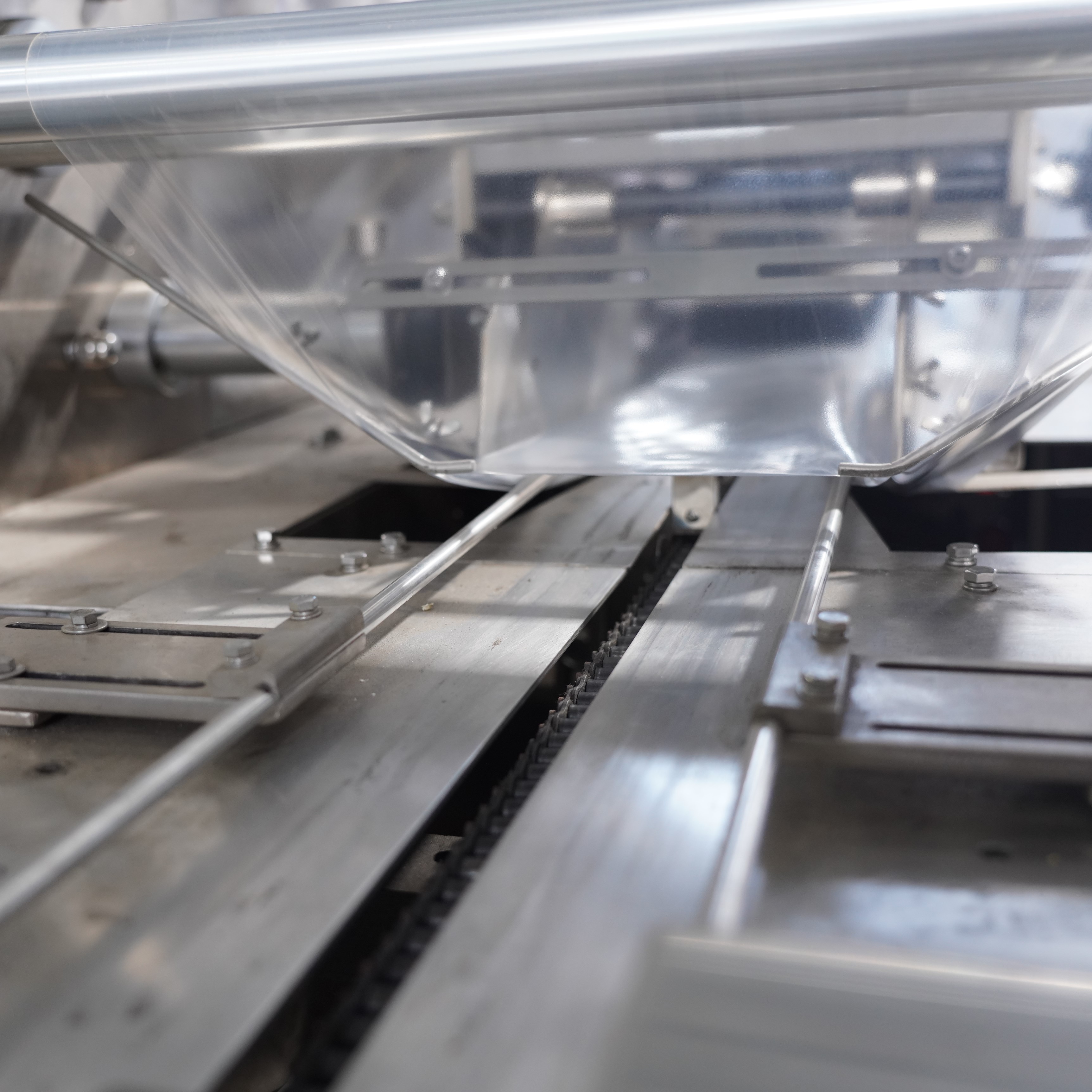
Achieving hermetic seals on a horizontal flow pack machine is essential for protecting product integrity, extending shelf life, and meeting regulatory standards. A hermetic seal creates an airtight barrier that prevents oxygen ingress, moisture exchange, and contamination, making it a critical quality parameter across food, pharmaceutical, and medical device industries. The horizontal flow pack machine design facilitates rapid packaging while maintaining seal quality, but achieving consistent, reliable hermetic seals requires understanding the sealing mechanism, optimizing machine parameters, and implementing rigorous quality control protocols.
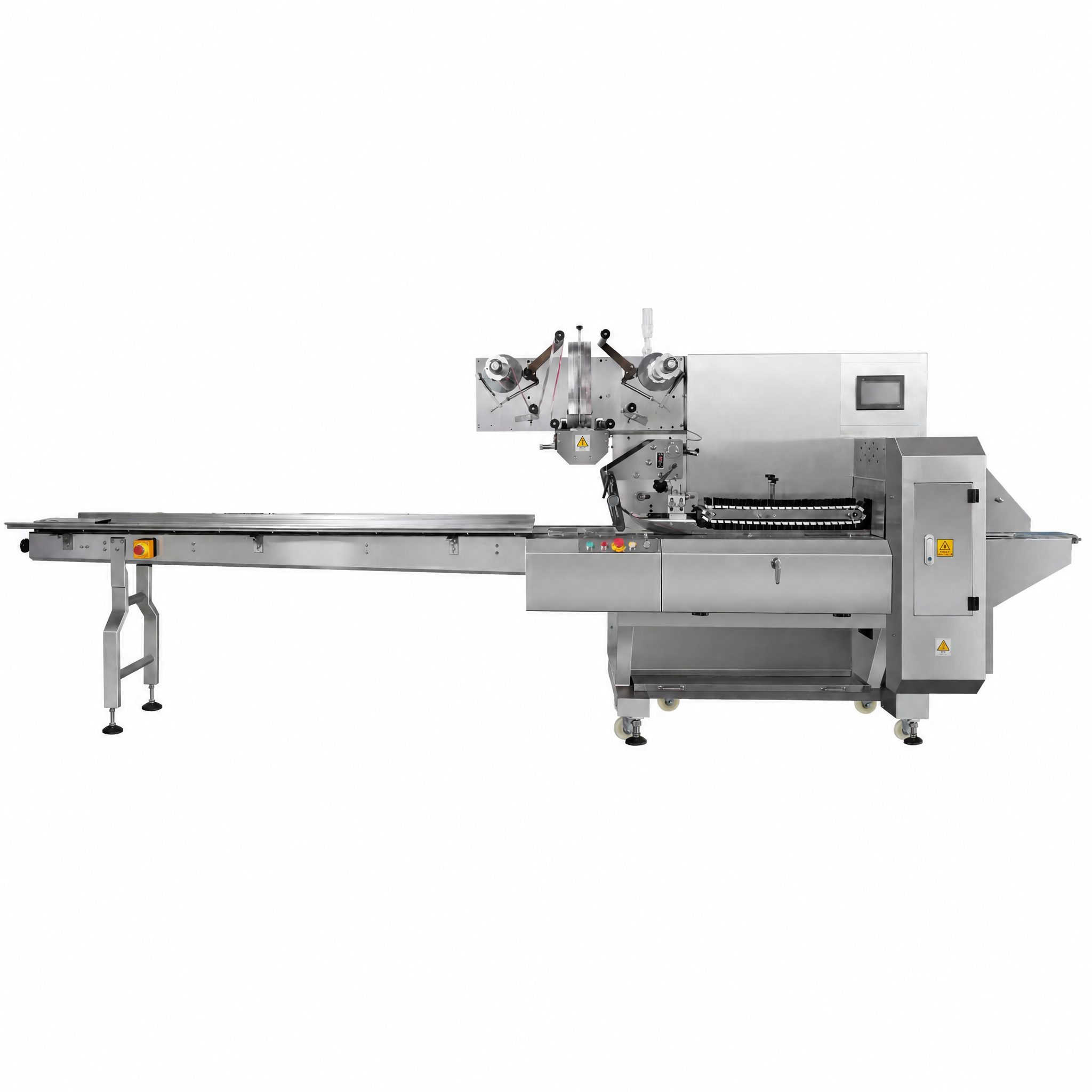
A horizontal flow pack machine combines film unwinding, product placement, and heat sealing in a single continuous workflow. The quality of hermetic seals directly impacts production efficiency, waste reduction, and customer satisfaction. Understanding how to optimize sealing parameters on your horizontal flow pack machine ensures that every package meets specification, maintains product freshness, and complies with packaging standards. This guide explores practical strategies for achieving superior hermetic seals consistently.
The horizontal flow pack machine creates hermetic seals through controlled heat application across the film overlap area. Heat sealers on a horizontal flow pack machine use upper and lower jaw assemblies that apply pressure and temperature simultaneously, melting thermoplastic film surfaces together. The seal strength depends on three critical factors: temperature, pressure, and dwell time. Temperature must be high enough to fuse the polymer chains without degrading the film material. A horizontal flow pack machine operator must calibrate these parameters based on film type, thickness, and material composition to achieve a true hermetic bond.
Pressure application determines the contact between film layers and the sealing jaw surfaces. Insufficient pressure leaves micro-gaps that compromise hermeticity, while excessive pressure can cause film puncture or dimensional distortion. Dwell time—the duration the film remains in contact with the heated jaws—must be sufficient for complete polymer fusion. On a horizontal flow pack machine, these three variables work in concert; improper adjustment of any single parameter will degrade seal quality and prevent achieving hermetic closure.
The choice of packaging film is fundamental to achieving hermetic seals on a horizontal flow pack machine. Most modern horizontal flow pack machine applications use multi-layer films such as polyethylene terephthalate (PET), polypropylene (PP), or polyethylene (PE) in various combinations. Each material has distinct melting points and thermal characteristics. A horizontal flow pack machine must be configured with appropriate temperature ranges for the specific film being used. Incompatible film-to-machine settings will result in incomplete seals, weak seams, or film degradation, all of which compromise hermeticity.
Coated or metallized films require careful attention when operating a horizontal flow pack machine. The metallic or coating layer affects heat transfer and fusion behavior. Proper material selection and machine calibration ensure that a horizontal flow pack machine can reliably process different film types without quality loss. Understanding your film supplier's specifications and matching them to horizontal flow pack machine capabilities is the foundation of consistent seal performance.
Calibrating temperature and pressure settings is the primary driver of hermetic seal achievement on a horizontal flow pack machine. Temperature should be set just above the film's melting point but below the degradation threshold. Most thermoplastic films used in horizontal flow pack machine applications seal effectively between 120°C and 180°C, depending on composition. Use a calibrated infrared thermometer to verify actual jaw surface temperature, as displayed set-points may differ from real temperatures due to sensor placement or calibration drift. On a horizontal flow pack machine, routine temperature verification prevents seal failures caused by thermal inconsistency.
Pressure settings on a horizontal flow pack machine typically range from 2 to 5 bar, adjusted based on film thickness and material. Start with manufacturer-recommended pressure and make incremental adjustments, testing seal quality after each change. Pressure should be uniform across the entire seal width. If a horizontal flow pack machine shows variable seal quality across the sealing jaw, check for jaw parallelism, wear patterns, or obstruction. Consistent, evenly distributed pressure ensures uniform hermetic seal formation across the entire package.
Dwell time directly affects polymer chain fusion on a horizontal flow pack machine. Insufficient dwell time leaves the seal incompletely fused, creating micro-channels that allow gas or moisture transmission. Extended dwell time improves seal strength but slows production. On a horizontal flow pack machine, optimal dwell time represents a balance between seal reliability and throughput. Most film materials require 0.5 to 1.5 seconds of sealing time. Test seal integrity at different dwell durations to identify the minimum time that produces consistent hermetic seals on your horizontal flow pack machine.
Cooling is equally critical. After the sealing jaws release, the film must cool before handling to stabilize the molecular structure. A horizontal flow pack machine with inadequate cooling may produce seals that appear sound initially but weaken as they cool unevenly. Consider adding a cooling zone or enforcing a cooling dwell period before the package is cut or ejected from the horizontal flow pack machine. Proper cooling prevents seal degradation and maintains hermetic integrity throughout the package lifecycle.
Common seal defects on a horizontal flow pack machine include wrinkled seams, incomplete fusion, weak spots, and film tearing. Wrinkled seams typically indicate uneven pressure or misaligned jaws on the horizontal flow pack machine. Film feed inconsistency can also cause wrinkles. Inspect the sealing jaws for wear, buildup, or damage. If a horizontal flow pack machine produces wrinkled seals, clean the jaw surfaces, verify jaw alignment, and adjust pressure uniformity. Incomplete fusion appears as a dull, cloudy seal zone rather than a clear, transparent bond. This defect signals insufficient temperature or dwell time on the horizontal flow pack machine.
Weak spots or pinhole defects in seals suggest material contamination, moisture in the film, or localized temperature variation on the horizontal flow pack machine. Inspect incoming film for defects and ensure proper storage conditions to prevent moisture absorption. Film puncture during sealing indicates excessive pressure. Reduce pressure gradually and re-test on the horizontal flow pack machine. If defects persist, verify that the jaw temperature is uniform across the sealing zone using thermal imaging. Systematic troubleshooting on a horizontal flow pack machine isolates the root cause and guides corrective action.
Implement multiple testing methods to validate hermetic seal achievement on a horizontal flow pack machine. Visual inspection under magnification identifies surface irregularities, incomplete fusion, and defects. The peel test—manually pulling apart a sealed sample with controlled force—reveals seal strength. Properly fused seals on a horizontal flow pack machine resist manual separation and tear cleanly along the film rather than separating at the seal line. Perform peel tests on samples from each production run to maintain a quality baseline.
For critical applications, use helium leak detection or dye penetration tests to confirm hermeticity. These methods definitively prove that packages from a horizontal flow pack machine are truly hermetic. Helium leak testing is particularly valuable for pharmaceutical and sterile medical device packaging produced on a horizontal flow pack machine. Establish acceptance criteria based on application requirements and regulatory standards. On a horizontal flow pack machine, regular validation ensures that every sealed package meets hermeticity specifications and protects product integrity throughout distribution and storage.
Temperature for a horizontal flow pack machine should be set just above the film material's melting point, typically between 120°C and 180°C. The exact temperature depends on film composition, thickness, and supplier specifications. Use an infrared thermometer to verify actual jaw temperature on your horizontal flow pack machine, as displayed settings may differ from real surface temperature. Start at the film manufacturer's recommended temperature and adjust incrementally, testing seal quality after each change.
Improve seal consistency by maintaining uniform pressure across the sealing jaw, ensuring jaw parallelism, and implementing regular cleaning routines. Check the horizontal flow pack machine jaws for wear, buildup, or damage that could affect sealing performance. Verify temperature stability and confirm that film feed tension and speed are consistent. Establish a preventive maintenance schedule for the horizontal flow pack machine, including jaw inspection, pressure gauge calibration, and thermal sensor verification to sustain reliable sealing.
Test hermeticity using visual inspection, peel testing, and for critical applications, helium leak detection or dye penetration methods. Peel tests involve manually pulling apart sealed samples from your horizontal flow pack machine to assess seal strength. For pharmaceutical or sterile medical device packages produced on a horizontal flow pack machine, helium leak testing provides definitive proof of hermeticity. Combine multiple testing approaches to validate that your horizontal flow pack machine consistently produces compliant hermetic seals.
2026/09/20
Premade Pouch Machines: Reduce Film Waste, Cut TCO & Achieve Faster ROI
2026/09/20
Cut Premade Pouch Machine Changeover Time by 40% with Proven Best Practices
2026/09/20
Premade Pouch Machines: Boost Throughput, Cut Waste & Improve ROI
2026/09/20
Rotary vs Inline Premade Pouch Machines: Speed, ROI & Scalability Compared
2026/09/20
Premade Pouch Machine: Boost Throughput, Cut Labor Costs & Improve Seal Integrity
2026/09/21
Premade Pouch Machine: Pouch Types, Materials & Filling Guide