 EN
How to Reduce Film Waste with a Premade Pouch Packaging Machine?
2026/09/20
Premade Pouch Machines: Reduce Film Waste, Cut TCO & Achieve Faster ROI

2026/10/26
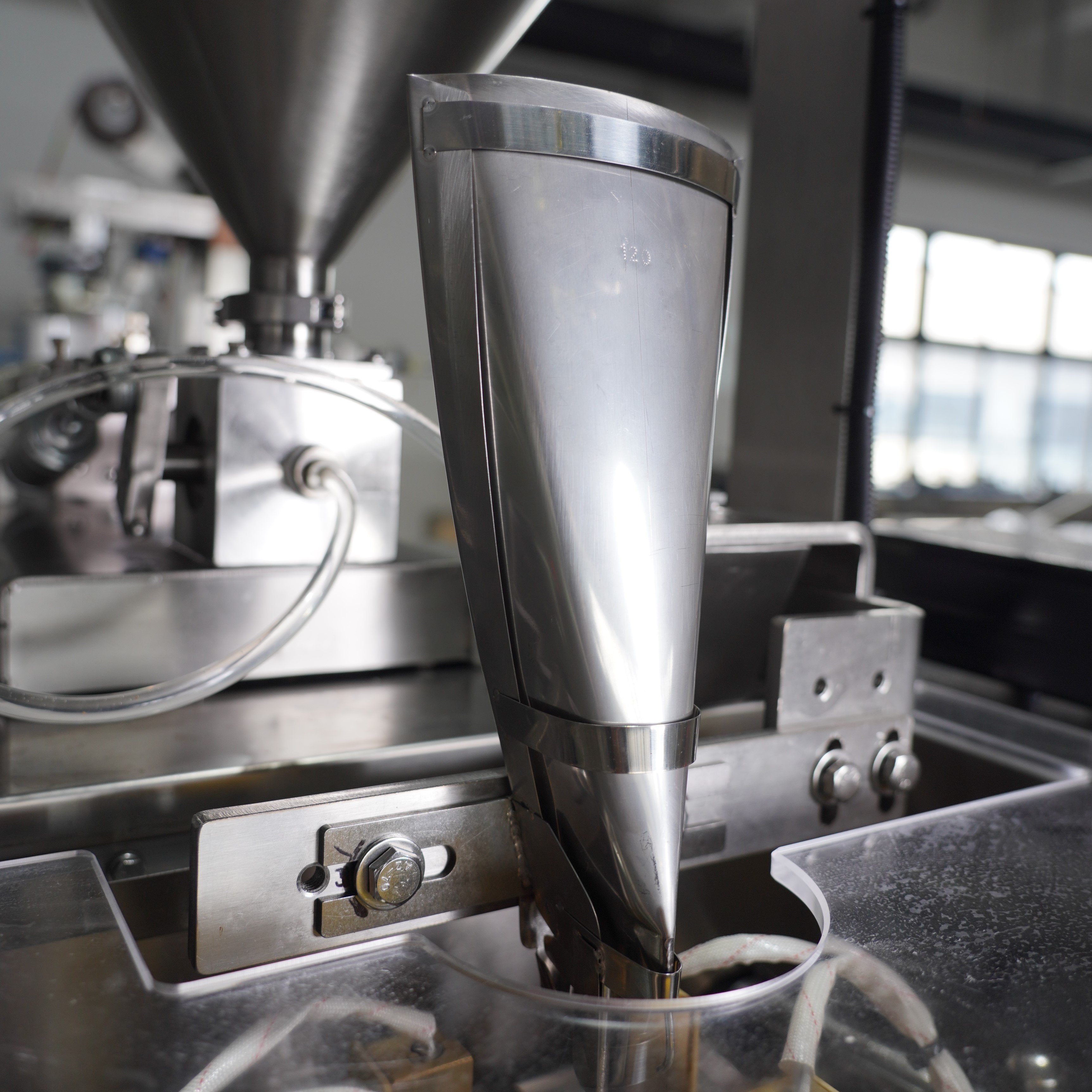
Achieving strong seals on a vertical form fill seal machine is essential for maintaining product integrity, extending shelf life, and ensuring customer satisfaction across all packaging operations. The sealing quality directly impacts whether your packaged products remain fresh, protected, and visually appealing throughout distribution and storage. When a vertical form fill seal machine produces weak or inconsistent seals, products become vulnerable to contamination, moisture loss, and damage, leading to increased waste and costly recalls. Understanding the critical factors that drive seal strength on a vertical form fill seal machine empowers packaging professionals to optimize their production lines and deliver superior results consistently.
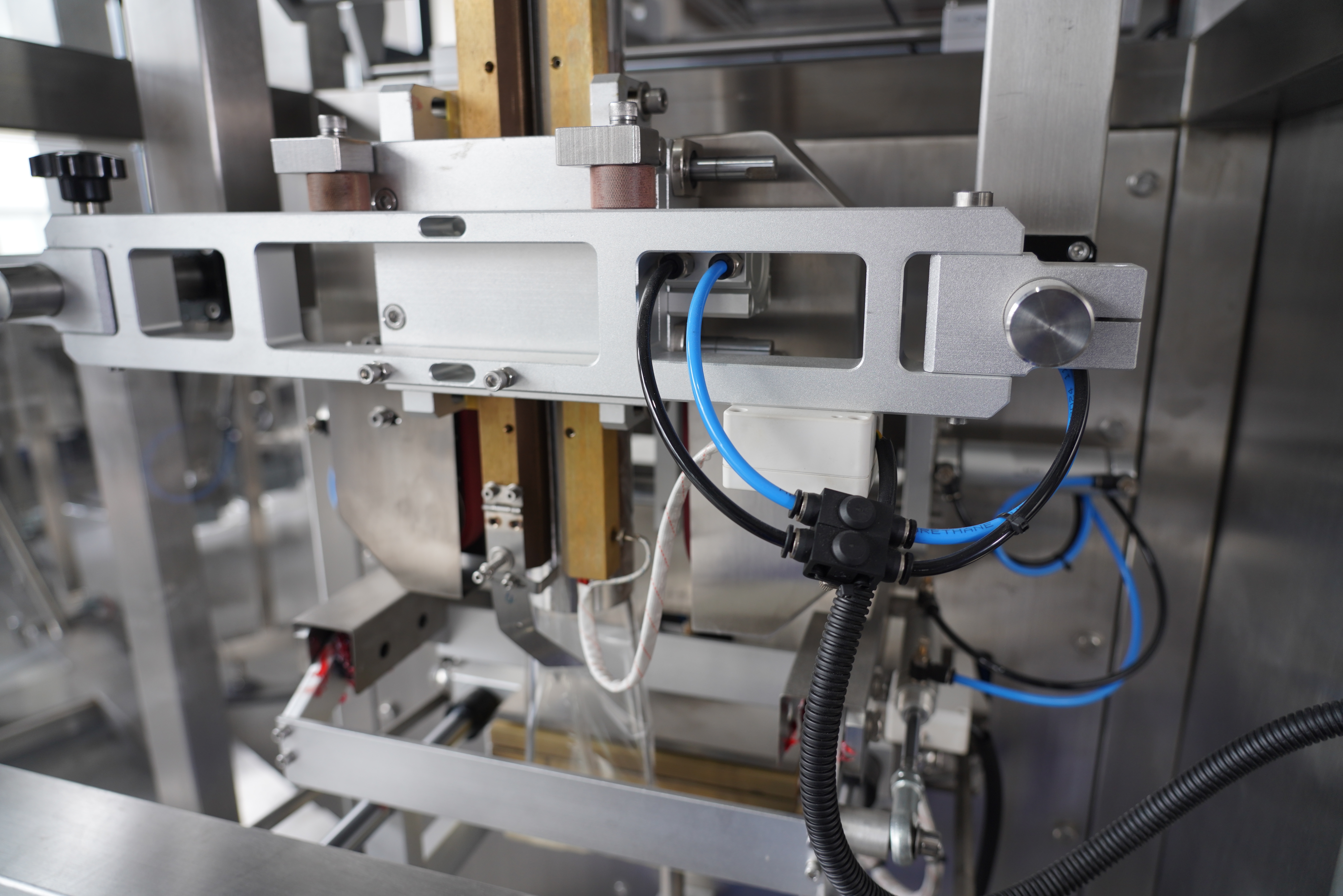
The pursuit of strong seals on a vertical form fill seal machine requires a systematic approach that combines equipment knowledge, material selection, and process optimization. A vertical form fill seal machine operates by forming a pouch from a flat film roll, filling it with product, and sealing all edges in a continuous automated process. Every step in this sequence influences final seal strength, which is why operators and maintenance teams must understand how temperature, pressure, dwell time, and film characteristics interact to produce reliable, durable seals that withstand handling and storage conditions.
Temperature is the primary driver of seal quality on any vertical form fill seal machine, as it controls how thoroughly the film layers bond together. When sealing bars on a vertical form fill seal machine heat the film to the optimal temperature, the polymer chains in the film material soften and flow together, creating a molecular bond that withstands pressure and environmental stress. If temperature runs too low, the film layers fail to fuse completely, resulting in weak seals that separate during handling or storage. If temperature exceeds the material's tolerance, the film burns, degrades, or becomes brittle, compromising seal integrity and product protection. Precision temperature monitoring on a vertical form fill seal machine ensures consistent performance and eliminates the reject rates caused by thermal drift.
Sealing pressure and dwell time work together to force film layers into intimate contact and allow sufficient time for molecular bonding on a vertical form fill seal machine. Dwell time refers to how long the sealing bars remain in contact with the film, giving the heat adequate opportunity to penetrate and fuse the material layers. A vertical form fill seal machine with insufficient dwell time produces shallow seals that peel apart under modest stress, while excessive dwell time slows production speed without improving seal strength further. The optimal pressure setting on a vertical form fill seal machine compresses the film layers uniformly without crushing or distorting the pouch structure. Most operators discover through trial that a vertical form fill seal machine performs best when pressure settings are just firm enough to ensure contact without creating excessive deformation.
Film selection directly determines how well a vertical form fill seal machine can achieve strong seals, as different polymer blends respond differently to heat and pressure. Common sealing films used with a vertical form fill seal machine include polyethylene, polypropylene, and multilayer barrier films that combine strength with shelf life extension. Each film type has a specific sealing temperature window, and a vertical form fill seal machine operator must match the equipment settings to the film's thermal profile. Polyethylene generally seals at lower temperatures on a vertical form fill seal machine, while polypropylene requires higher heat to achieve comparable seal strength. Using a film incompatible with your vertical form fill seal machine's thermal capacity wastes time and material through rejects and failed seals.
Moisture content in the film directly impacts seal quality on a vertical form fill seal machine, as excessive humidity weakens polymer bonding and creates porous, unreliable seals. Film stored in high-humidity environments or exposed to moisture absorption loses its ability to fuse cleanly when a vertical form fill seal machine applies heat, leading to failed batches. Proper storage practices ensure that film arrives at the vertical form fill seal machine in dry condition, maintaining consistent seal performance throughout the production run. Many facilities keep film rolls in climate-controlled areas or sealed containers to prevent moisture ingress. Before loading film into a vertical form fill seal machine, quality teams should verify moisture levels meet film manufacturer specifications, typically between 0.1% and 0.3% for most thermoplastic films used with vertical form fill seal machines.
Sealing bars on a vertical form fill seal machine accumulate film residue, adhesive buildup, and thermal deposits over time, degrading heat transfer and seal consistency. Regular cleaning of sealing bars prevents these deposits from interfering with direct contact between the hot bar and film on a vertical form fill seal machine. When sealing bars lose their smooth finish or develop grooves, a vertical form fill seal machine produces uneven seal pressure that creates weak spots vulnerable to leakage. Many operators schedule weekly cleaning and monthly inspection of sealing bar surfaces to maintain optimal performance on their vertical form fill seal machine. Replacing worn sealing bars proactively costs far less than dealing with production downtime and high reject rates caused by poor seal quality on a vertical form fill seal machine.
Accurate temperature sensing is critical for maintaining strong seals on a vertical form fill seal machine, since thermal drift causes the equipment to operate outside the optimal sealing window. Digital thermostats on modern vertical form fill seal machines can drift over time, causing actual bar temperature to diverge from the displayed setpoint. Quarterly calibration checks using external thermometers ensure that your vertical form fill seal machine's thermostat correctly reflects true sealing bar temperature. If you notice inconsistent seal quality despite stable process settings, thermostat calibration should be your first diagnostic step on a vertical form fill seal machine. Many seal failures attributed to operator error or film problems actually stem from undetected temperature drift on the vertical form fill seal machine itself.
The ideal sealing temperature for a vertical form fill seal machine depends on the specific film material being used, typically ranging from 120°C to 180°C for common thermoplastic films. Polyethylene films usually seal best between 120°C and 140°C on a vertical form fill seal machine, while polypropylene requires 150°C to 180°C for strong, consistent seals. Always consult your film supplier's technical data sheet and run test samples on your vertical form fill seal machine to determine the optimal temperature for your specific application and material combination.
Sealing bars on a vertical form fill seal machine typically last between 6 and 12 months of continuous operation, depending on production volume, film type, and maintenance practices. If you operate a vertical form fill seal machine in a high-volume facility using abrasive films or produce sticky products, sealing bars may need replacement every 3 to 6 months. Regular inspection and cleaning of sealing bars extends their lifespan significantly on a vertical form fill seal machine, so establish a preventive maintenance schedule that includes weekly visual checks and monthly detailed cleaning to maximize bar life and seal quality.
Increasing pressure beyond the optimal range on a vertical form fill seal machine does not improve seal strength and often causes problems such as film distortion, pouch flattening, and accelerated sealing bar wear. A vertical form fill seal machine achieves maximum seal strength at a specific pressure that forces film layers into contact without crushing the material or deforming the pouch geometry. If seal strength is low despite proper pressure settings on a vertical form fill seal machine, focus on temperature, dwell time, film quality, and sealing bar condition rather than attempting to compensate with higher pressure.

2026/09/20
Premade Pouch Machines: Reduce Film Waste, Cut TCO & Achieve Faster ROI

2026/09/20
Cut Premade Pouch Machine Changeover Time by 40% with Proven Best Practices

2026/09/20
Premade Pouch Machines: Boost Throughput, Cut Waste & Improve ROI

2026/09/20
Rotary vs Inline Premade Pouch Machines: Speed, ROI & Scalability Compared

2026/09/20
Premade Pouch Machine: Boost Throughput, Cut Labor Costs & Improve Seal Integrity

2026/09/21
Premade Pouch Machine: Pouch Types, Materials & Filling Guide

