EN
How to Reduce Film Waste with a Premade Pouch Packaging Machine?
2026/09/20
Premade Pouch Machines: Reduce Film Waste, Cut TCO & Achieve Faster ROI

2026/10/09
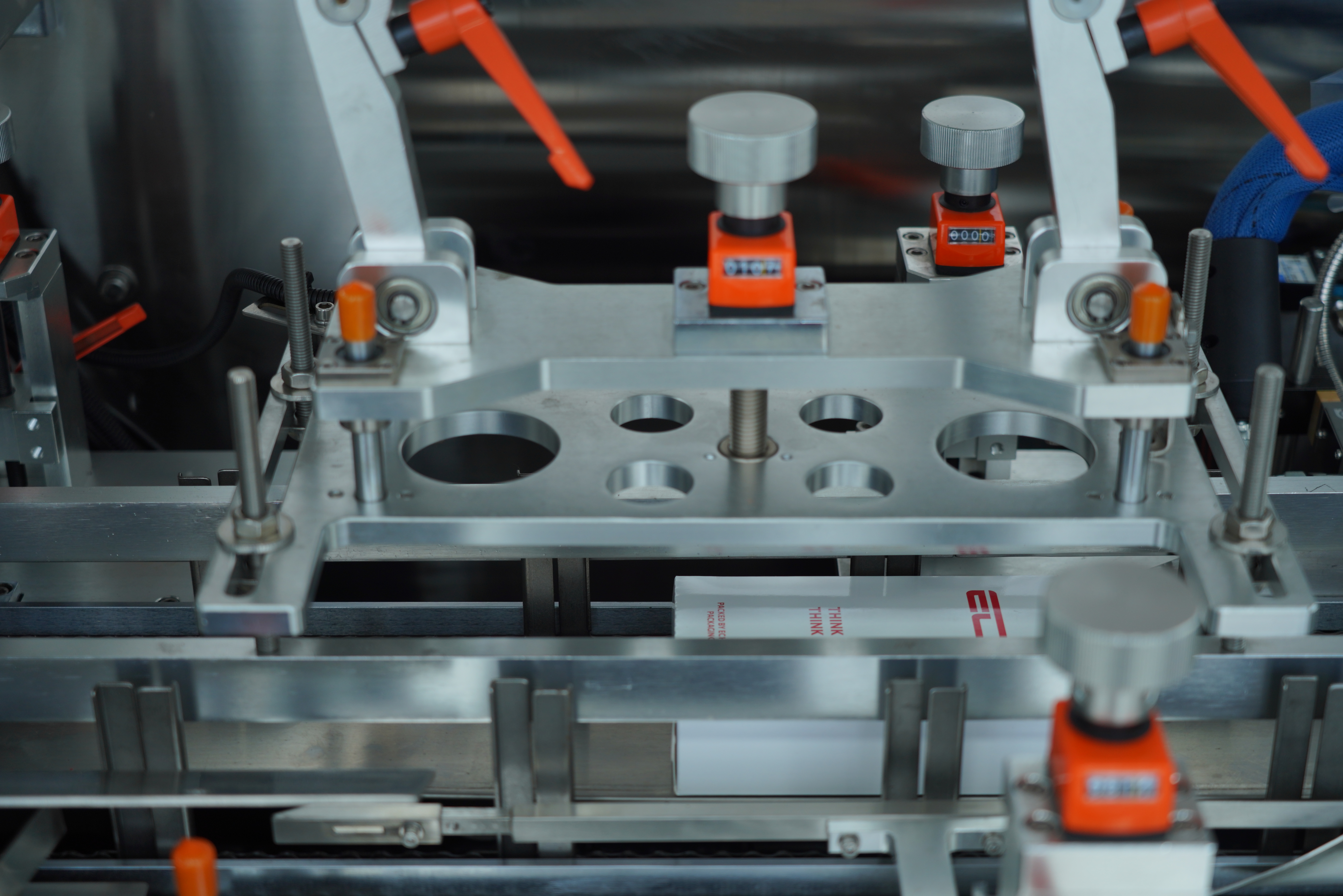
End-of-line operations represent one of the most labor-intensive stages in modern manufacturing and packaging facilities. Automating this critical phase with a carton box packing machine transforms productivity, reduces operational costs, and ensures consistent product presentation. Whether you operate a food production line, pharmaceutical facility, or consumer goods factory, integrating a carton box packing machine into your workflow addresses fundamental challenges that manual packing creates: inconsistent box placement, reduced throughput, worker fatigue, and quality variations that impact customer satisfaction.
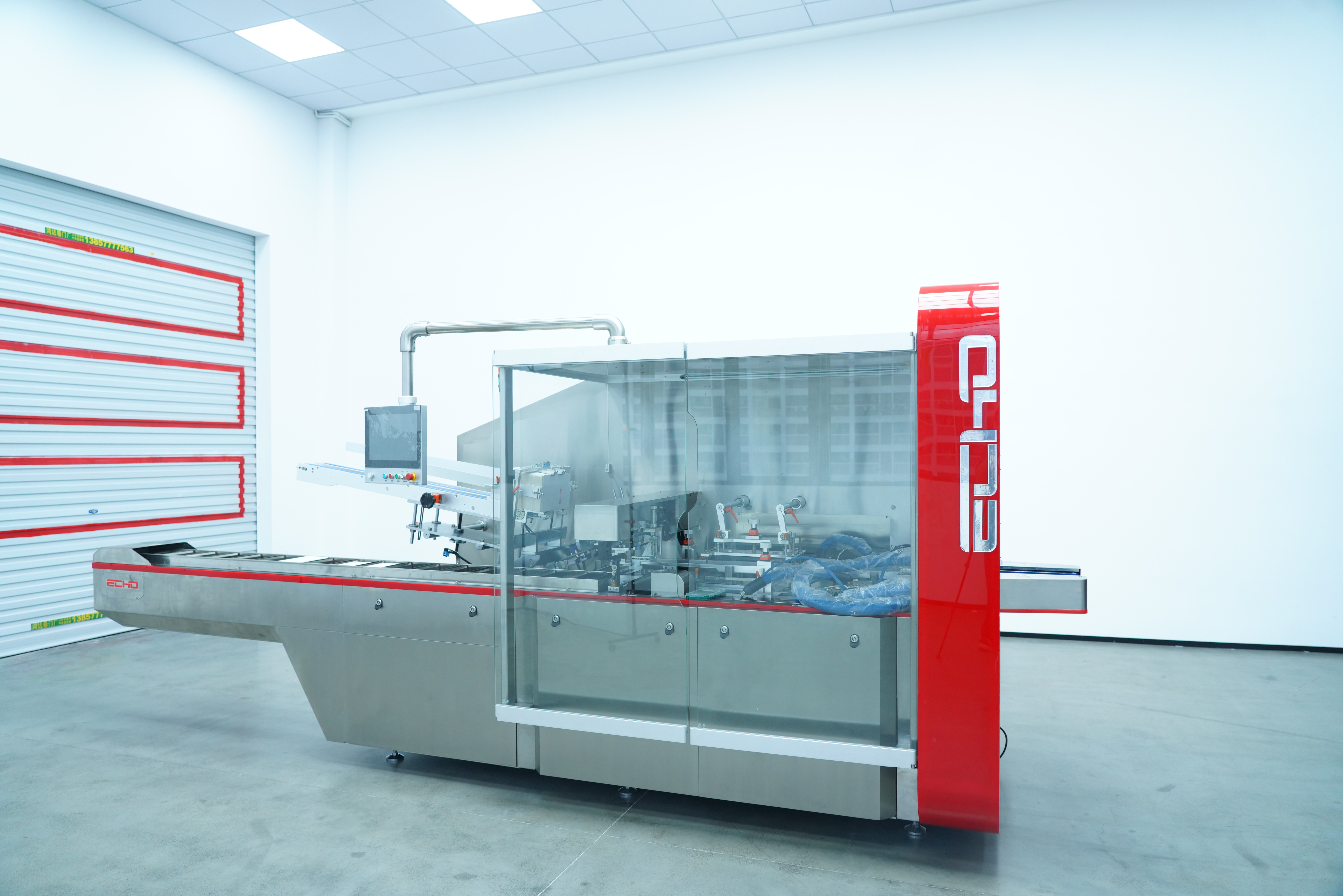
The decision to implement a carton box packing machine is not simply about purchasing equipment; it involves understanding how automation aligns with your production capacity, product specifications, and long-term business objectives. Modern carton box packing machines deliver measurable returns through faster cycle times, reduced material waste, improved workplace safety, and enhanced regulatory compliance. This guide walks you through the strategic and operational considerations for deploying a carton box packing machine in your end-of-line environment.
A carton box packing machine operates at the final stage of your production line, receiving pre-filled or pre-assembled products and systematically placing them into cartons for shipment. The carton box packing machine performs multiple functions simultaneously: it erects flat cartons into three-dimensional forms, positions products with precision, seals carton flaps, and sometimes applies labels or shipping information. This integration eliminates the need for manual labor at this critical juncture, where operator consistency directly influences product damage rates, packaging defects, and overall line efficiency.
The carton box packing machine connects upstream processes—such as product manufacturing, quality inspection, and conveyor transport—with downstream operations like palletization, warehousing, and distribution. This connectivity means the carton box packing machine must communicate with your existing machinery through synchronized timing, standardized product dimensions, and predictable carton specifications. Investing in a carton box packing machine that integrates seamlessly with your current infrastructure maximizes return on investment and minimizes production disruption during implementation.
Speed represents the most immediate benefit of a carton box packing machine. Where manual operators typically pack 10 to 20 cartons per minute, a modern carton box packing machine achieves 40 to 80 boxes per minute, depending on product size, carton complexity, and machine specification. This acceleration directly translates to increased throughput, allowing you to meet higher order volumes without proportionally expanding your workforce. The carton box packing machine maintains this speed consistently across every shift, eliminating human fatigue as a productivity constraint.
Quality consistency emerges as the second critical advantage. A carton box packing machine positions every product identically within each carton, applies uniform pressure during sealing, and maintains exact placement regardless of environmental conditions or operator attention level. This consistency reduces customer complaints related to damaged goods, misaligned packaging, or incomplete sealing. Over time, the carton box packing machine builds customer confidence through reliably professional packaging presentation, strengthening brand reputation and reducing return rates.
Before selecting a carton box packing machine model, conduct a thorough analysis of your production demands. Document your current throughput requirements, peak seasonal volumes, and anticipated growth projections over the next five years. The carton box packing machine you select must handle your maximum anticipated volume without bottlenecking upstream processes or creating warehouse congestion. If your business experiences significant seasonal variation, consider whether a carton box packing machine with variable speed capability offers better economic value than a fixed-speed unit.
Examine your product diversity and carton specifications. Some facilities pack multiple product sizes into different carton dimensions, requiring a carton box packing machine with changeover capability. Other operations maintain consistent product and carton specifications, allowing deployment of a single-purpose carton box packing machine optimized for that specific configuration. The carton box packing machine you choose must accommodate your product portfolio without excessive reconfiguration time between production runs. Evaluate whether a flexible carton box packing machine justifies its higher acquisition cost through reduced downtime during product transitions.
The carton box packing machine requires specific infrastructure: reliable three-phase electrical power, compressed air supply, appropriate conveyor connections, and sufficient floor space. Engage your facilities team early to verify that your facility can support the carton box packing machine's power requirements and operational specifications. The carton box packing machine typically occupies 10 to 20 square meters of production floor, depending on the model and whether supporting equipment like carton erectors or case sealers are integrated into the system.
Evaluate how the carton box packing machine connects to your existing conveyor system. Height misalignment, speed mismatch, or inadequate infeed staging can compromise the carton box packing machine's performance and reliability. Modern carton box packing machine systems include adjustable infeed and discharge conveyors, but planning these connections before installation prevents costly rework. Coordinate with your production engineering team to develop layout drawings showing the carton box packing machine integration, material flow paths, and operator workspace organization.
Deploying a carton box packing machine requires investment in operator training and maintenance protocols. Assign dedicated personnel to learn the carton box packing machine controls, diagnostic features, and troubleshooting procedures. The carton box packing machine documentation should specify maintenance intervals for brush replacement, sensor cleaning, and mechanical adjustment. Establishing preventive maintenance schedules prevents unexpected downtime and extends the carton box packing machine operational life.
Monitor the carton box packing machine's performance metrics continuously. Track throughput rates, defect frequencies, and unplanned downtime to identify improvement opportunities. Many facilities discover that the carton box packing machine achieves maximum efficiency after a 4 to 8-week optimization period, as operators refine settings and material supply chains adapt to the new pace. Document these learnings and adjust your carton box packing machine configurations accordingly to sustain peak performance.
Calculate your carton box packing machine ROI by comparing acquisition and installation costs against labor savings, waste reduction, and increased revenue from faster throughput. Most facilities recover their carton box packing machine investment within 18 to 36 months, with significant ongoing profitability thereafter. Factor in reduced product damage claims, decreased material waste from improved packing accuracy, and the ability to redirect labor to higher-value activities within your operation. The carton box packing machine transforms end-of-line operations from a cost center into a productivity and quality asset.
A carton box packing machine accommodates diverse products including bottles, cans, boxes, bags, and pharmaceutical containers. The carton box packing machine adapts to different product weights, shapes, and fragility levels through adjustable gripping mechanisms, cushioning systems, and speed settings. Most modern carton box packing machines handle single-item packing or multi-item configurations, allowing flexibility for different product bundles. Always verify that your specific product characteristics align with the carton box packing machine model's technical specifications before purchase.
A typical carton box packing machine occupies approximately 10 to 20 square meters of production floor, depending on the model size and whether you include supporting equipment. Compact carton box packing machine models designed for limited-space facilities may require only 8 to 12 square meters, while larger production-scale units may need 25 to 30 square meters. Your carton box packing machine supplier should provide detailed dimensional specifications during the selection process. Account for clearance space around the carton box packing machine for maintenance access and operator safety.
Yes, most modern carton box packing machines are designed for seamless integration with existing conveyor systems, product inspectors, and downstream equipment. The carton box packing machine communicates with upstream machinery through standardized electrical connections and mechanical synchronization. Your carton box packing machine supplier should conduct a facility assessment to verify compatibility and plan necessary conveyor modifications. Integration planning during the pre-purchase phase ensures the carton box packing machine becomes a cohesive component of your overall production system rather than an isolated addition.
2026/09/20
Premade Pouch Machines: Reduce Film Waste, Cut TCO & Achieve Faster ROI
2026/09/20
Cut Premade Pouch Machine Changeover Time by 40% with Proven Best Practices
2026/09/20
Premade Pouch Machines: Boost Throughput, Cut Waste & Improve ROI
2026/09/20
Rotary vs Inline Premade Pouch Machines: Speed, ROI & Scalability Compared
2026/09/20
Premade Pouch Machine: Boost Throughput, Cut Labor Costs & Improve Seal Integrity
2026/09/21
Premade Pouch Machine: Pouch Types, Materials & Filling Guide