 EN
How to Reduce Film Waste with a Premade Pouch Packaging Machine?
2026/09/20
Premade Pouch Machines: Reduce Film Waste, Cut TCO & Achieve Faster ROI

2026/09/30
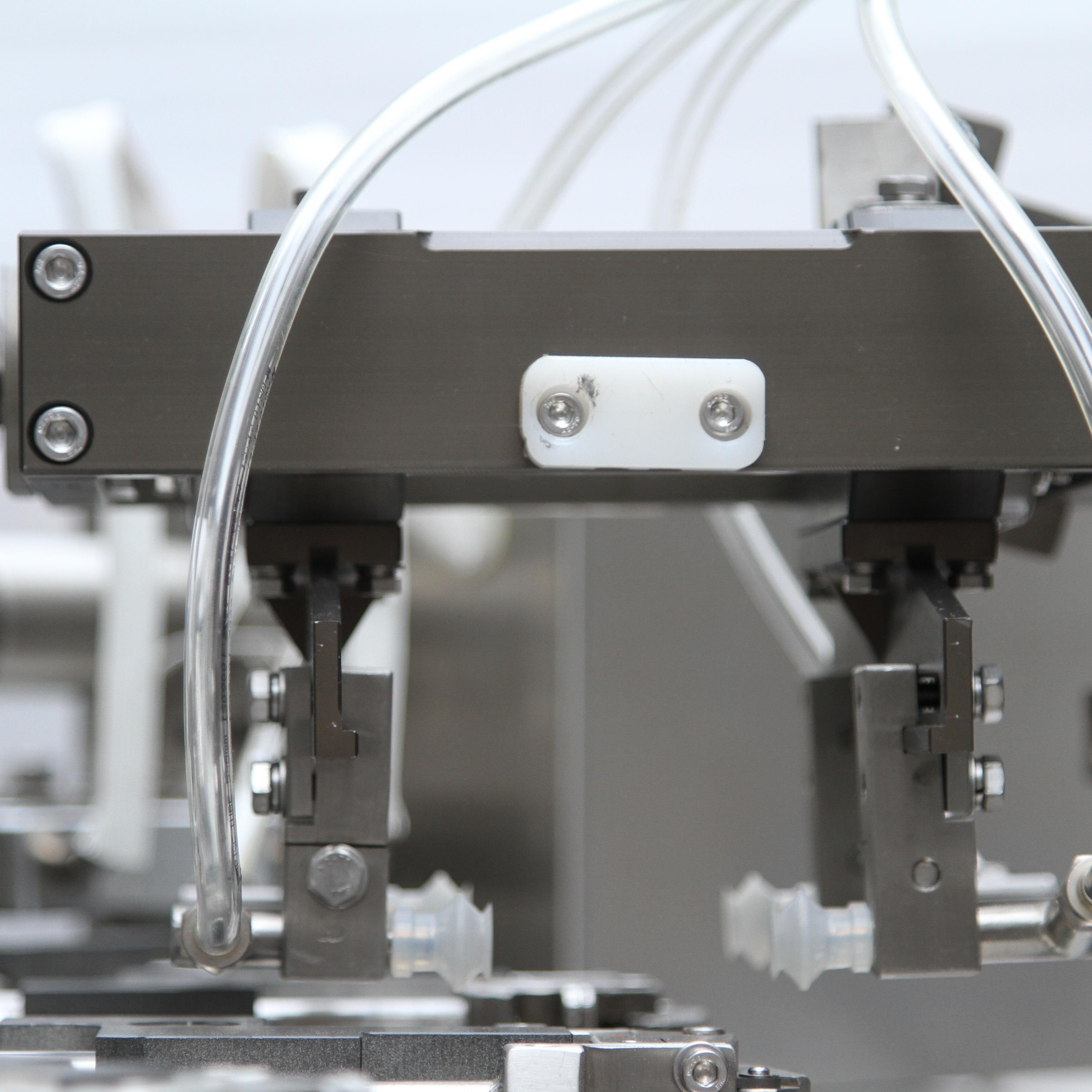
Automating the feeding system for a rotary pouch packing machine represents a critical investment in production efficiency and operational scalability. Modern manufacturing environments demand faster throughput, reduced labor costs, and consistent quality standards, all of which depend on reliable material delivery to the rotary pouch packing machine. When feeding is manual or semi-automated, bottlenecks emerge quickly, slowing the entire production line and increasing operational strain on your workforce. Automation transforms this vulnerability into a competitive advantage by ensuring steady, precise material flow that matches the rotary pouch packing machine's inherent speed and packaging capacity.
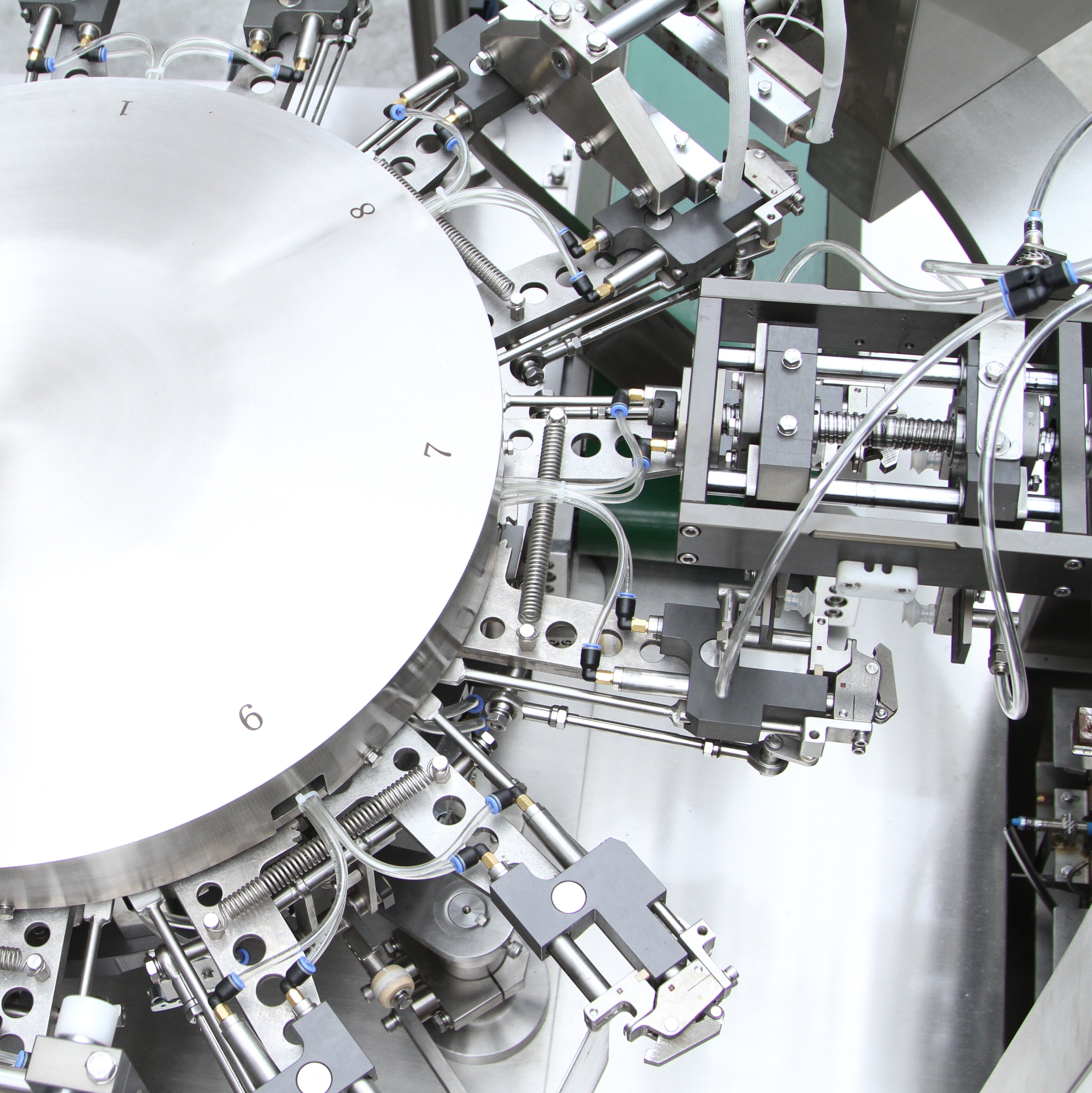
Understanding how to effectively automate feeding for a rotary pouch packing machine requires knowledge of integration methods, equipment compatibility, and workflow optimization. The rotary pouch packing machine operates at speeds ranging from hundreds to thousands of pouches per hour, depending on pouch size and complexity. To unlock this performance potential, your feeding system must deliver product consistently and accurately without creating jams, spillage, or timing misalignments. This guide explores practical automation strategies, technical considerations, and implementation approaches that ensure your rotary pouch packing machine operates at peak efficiency while minimizing downtime and maintenance complications.
The rotary pouch packing machine's efficiency directly depends on a steady supply of product delivered to the filling station. Without automated feeding, operators must manually monitor hoppers, adjust product flow, and intervene when blockages or supply interruptions occur. Automated feeding for a rotary pouch packing machine eliminates these manual touchpoints by deploying vibratory feeders, belt conveyors, auger systems, or pneumatic delivery mechanisms that operate synchronously with the machine's rotation cycle. This synchronization ensures that each pouch receives the correct fill volume and weight, reducing variance and rejects that damage profitability and brand reputation.
Implementing automated feeding for a rotary pouch packing machine delivers measurable operational improvements across multiple dimensions. Production throughput increases because the rotary pouch packing machine no longer waits for manual material supply, operating continuously at its rated capacity. Labor requirements drop significantly, freeing operators to manage quality control, equipment monitoring, and changeovers rather than monitoring feed levels constantly. Consistency improves as automated systems deliver precise portions with minimal variation, reducing quality rejects and customer complaints. Finally, the rotary pouch packing machine experiences reduced mechanical stress because product flows smoothly rather than arriving in irregular surges or batches that strain actuation systems and sealing mechanisms.
Vibratory feeders represent one of the most common feeding solutions paired with a rotary pouch packing machine, particularly for granular, powdered, or small particulate products. These feeders employ controlled vibration to move product from a hopper down a chute toward the rotary pouch packing machine's filling inlet. The vibration frequency and amplitude are adjustable, allowing operators to fine-tune product velocity and prevent bridging or segregation. For the rotary pouch packing machine to maintain accurate fills, the vibratory feeder must synchronize with the machine's indexing cycle, typically using a sensor or timing signal from the rotary pouch packing machine itself. This integration ensures that each filling pocket receives material precisely when the rotary pouch packing machine presents it to the filling mechanism.
Belt conveyors and accumulation tables provide another automation pathway for feeding a rotary pouch packing machine, especially when handling products that require gentle handling or when upstream processes already deliver material in bulk. A properly configured conveyor system moves product into a controlled buffer or accumulator positioned directly above or adjacent to the rotary pouch packing machine's inlet. The accumulator smooths incoming product flow and meters material at the rate the rotary pouch packing machine demands, preventing surge conditions that create inconsistent fills or jams. Variable-speed drive controls allow the conveyor system to adjust to match the rotary pouch packing machine's production rate, creating a responsive, demand-driven material supply chain that optimizes inventory and prevents downtime.
Before selecting or designing a feeding automation system for your rotary pouch packing machine, verify that the feeding mechanism is compatible with your specific product characteristics, including particle size, moisture content, density, and flowability. The rotary pouch packing machine's manufacturer typically provides specifications for acceptable feed pressure, inlet dimensions, and synchronization protocols. Work with your equipment supplier to ensure that the feeding system integrates seamlessly with your rotary pouch packing machine without requiring extensive modification or creating new operational hazards. Electrical control integration is critical; the feeding system must communicate with the rotary pouch packing machine's control module via hardwired signals or fieldbus protocols, enabling coordinated operation and real-time adjustment to line speed changes or fault conditions.
Once automated feeding is installed alongside your rotary pouch packing machine, comprehensive testing validates performance across your entire product range. Run the rotary pouch packing machine at multiple speed settings while monitoring fill accuracy, weight variance, material waste, and cycle consistency. Adjust feeder parameters such as vibration amplitude, belt speed, or pressure to achieve optimal performance without creating spillage or voids in the pouch. The rotary pouch packing machine's data logging capabilities help identify correlations between feeder adjustments and fill quality, enabling evidence-based optimization that maximizes throughput while maintaining quality compliance. Document all settings for each product formulation so operators can quickly reconfigure the rotary pouch packing machine and its feeding system during changeovers.
Automated feeding systems require disciplined maintenance to ensure the rotary pouch packing machine operates reliably over extended periods. Vibratory feeders need periodic inspection of bearings, springs, and electrical components that experience continuous stress. Conveyor systems require regular inspection of belt tension, roller alignment, and drive coupling condition. Schedule preventive maintenance activities during planned production downtime to minimize disruption to the rotary pouch packing machine's operation. Train your maintenance team on troubleshooting feeding-related faults so they can quickly diagnose whether the rotary pouch packing machine itself or the feeding system is causing fill inconsistencies or blockages. Maintain spare components for critical feeding subsystems to minimize emergency downtime when the rotary pouch packing machine must stop production.
Yes, a rotary pouch packing machine can function with manual feeding, where operators supply product to the hopper continuously. However, this approach severely limits production speed, increases labor costs, and reduces fill consistency compared to an automated rotary pouch packing machine setup. Manual operation also increases operator fatigue and error, making automation a worthwhile investment for any facility running production shifts longer than a few hours daily.
Granular, powdered, and liquid products integrate well with automated feeding systems designed for a rotary pouch packing machine. Free-flowing granules work particularly well with vibratory feeders, while viscous liquids may require gear pump or peristaltic dosing. Your rotary pouch packing machine supplier can recommend feeding solutions optimized for your specific product's density, particle size, and flowability to ensure reliable, consistent operation.
Automation costs vary significantly based on feeding system complexity, product type, and integration requirements. Simple vibratory feeders for a rotary pouch packing machine may cost $5,000 to $15,000, while more sophisticated conveyor or dosing systems can range from $20,000 to $50,000 or more. However, labor savings, increased throughput, and reduced waste typically recover this investment within 12 to 24 months of operation on a rotary pouch packing machine in a commercial production environment.

2026/09/20
Premade Pouch Machines: Reduce Film Waste, Cut TCO & Achieve Faster ROI

2026/09/20
Cut Premade Pouch Machine Changeover Time by 40% with Proven Best Practices

2026/09/20
Premade Pouch Machines: Boost Throughput, Cut Waste & Improve ROI

2026/09/20
Rotary vs Inline Premade Pouch Machines: Speed, ROI & Scalability Compared

2026/09/20
Premade Pouch Machine: Boost Throughput, Cut Labor Costs & Improve Seal Integrity

2026/09/21
Premade Pouch Machine: Pouch Types, Materials & Filling Guide

