 EN
How to Reduce Film Waste with a Premade Pouch Packaging Machine?
2026/09/20
Premade Pouch Machines: Reduce Film Waste, Cut TCO & Achieve Faster ROI

2026/10/07
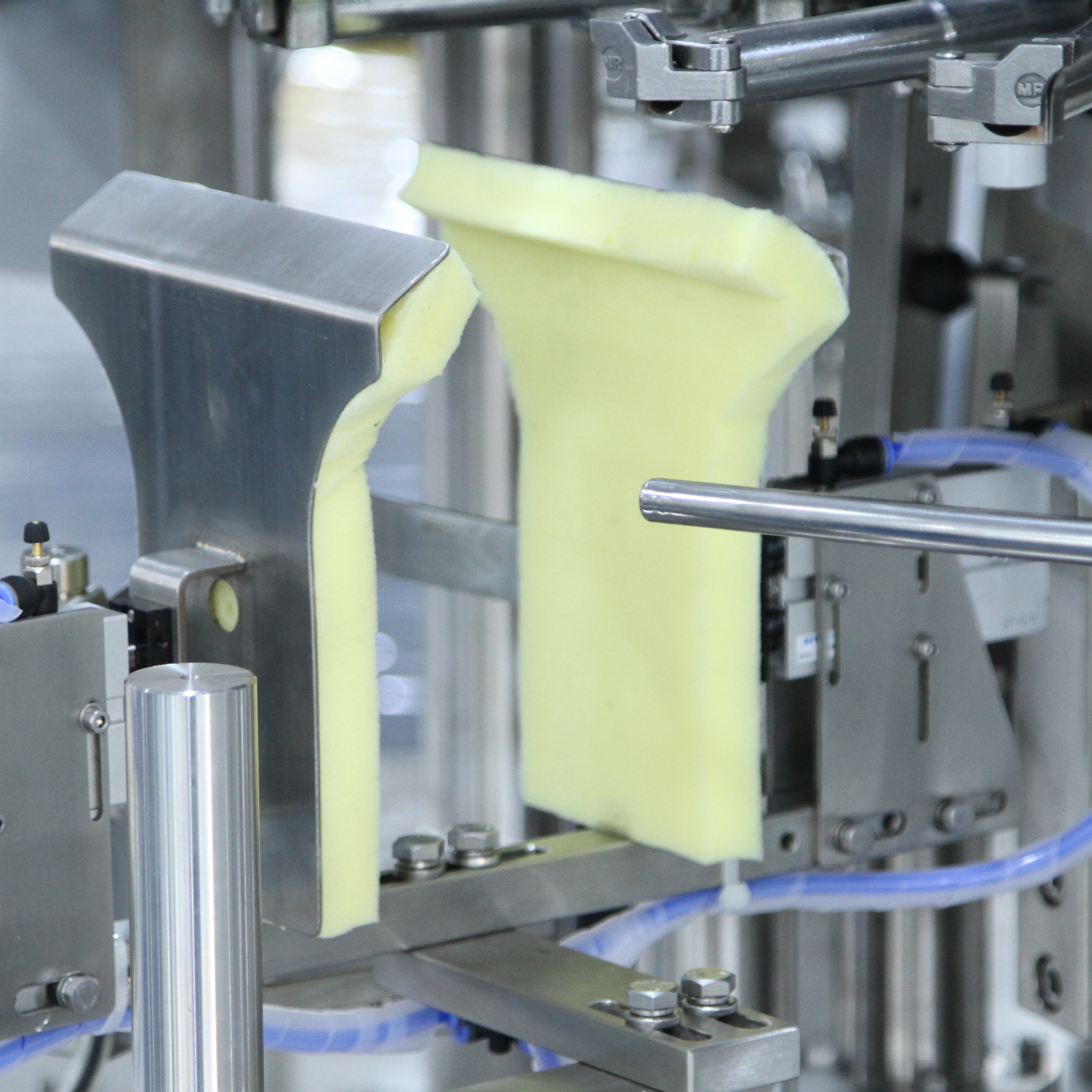
Understanding how to benchmark a rotary vacuum packing machine is essential for any packaging operation seeking to optimize performance and ensure consistent quality. A rotary vacuum packing machine represents a significant capital investment, and knowing how to measure its actual output rates against industry standards helps you justify the expense, identify maintenance needs, and plan production capacity effectively. Benchmarking provides the data-driven foundation needed to make informed decisions about equipment upgrades, process improvements, and operational efficiency.
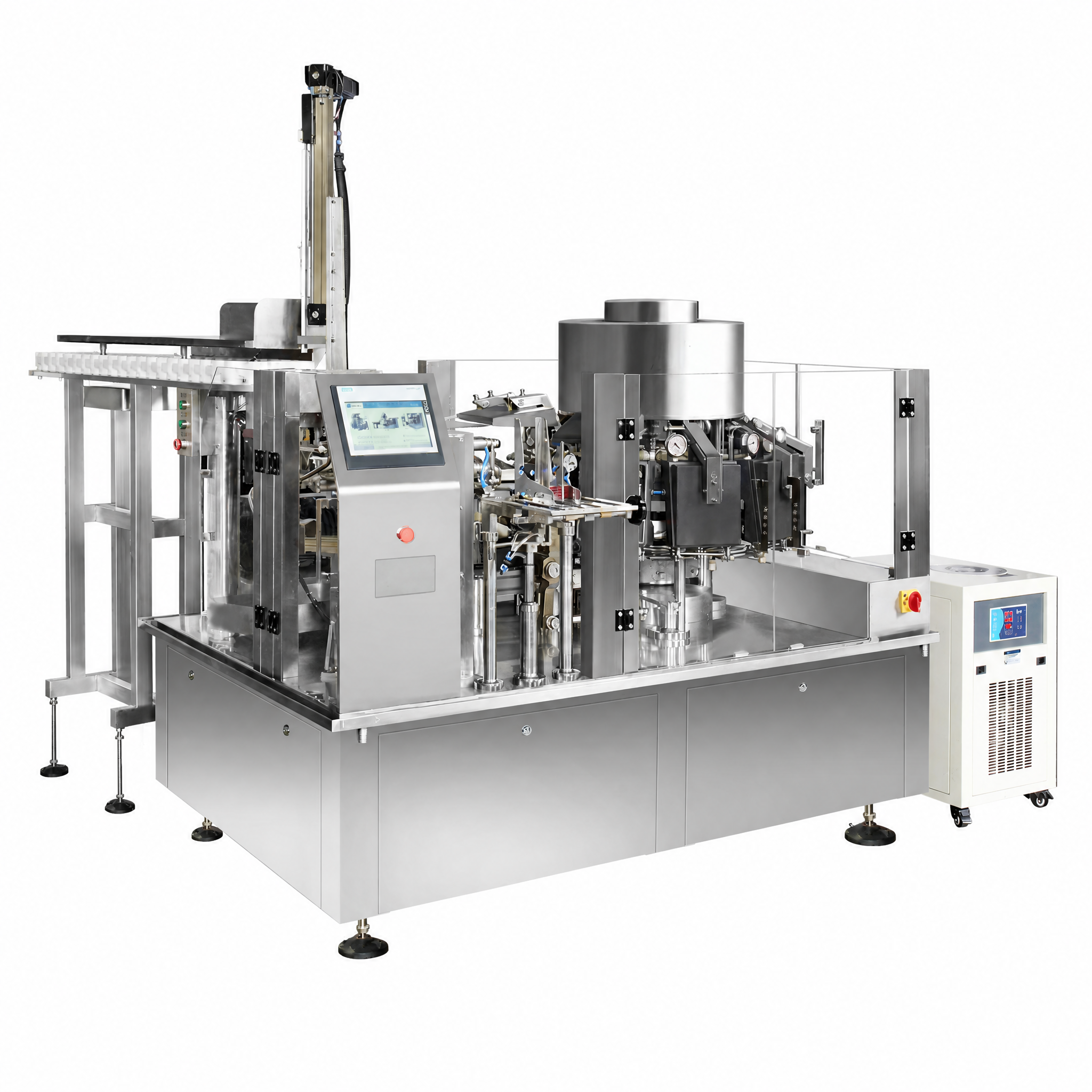
Benchmarking a rotary vacuum packing machine involves collecting baseline performance metrics under controlled conditions, then comparing those results against manufacturer specifications and industry performance standards. This process reveals whether your equipment is operating at peak efficiency or whether degradation, wear, or process changes have reduced output. Establishing clear benchmarking protocols ensures that all measurements are comparable, repeatable, and actionable for continuous improvement initiatives.
Output rate for a rotary vacuum packing machine is typically measured in bags per minute or units per hour, depending on your product specifications and production line configuration. When benchmarking your rotary vacuum packing machine, you must account for the full cycle time, including product loading, evacuation, sealing, and bag discharge. Many operators focus only on the vacuum cycle duration and miss the dead time created by product handling, repositioning, or quality checks, which reduces the true throughput of the rotary vacuum packing machine.
To establish an accurate baseline for your rotary vacuum packing machine, run the equipment through at least 100 consecutive cycles under standard operating conditions. Record the total time required to complete all 100 cycles, then divide by 100 to calculate the average cycle time. This methodology filters out anomalies and provides a realistic performance picture of your rotary vacuum packing machine. Repeat this measurement at least three times on different days to account for operator variability and environmental conditions that might affect your rotary vacuum packing machine.
Different products impose different demands on a rotary vacuum packing machine, so benchmarking must isolate the machine's capability from product-specific factors. A rotary vacuum packing machine handling rigid items may achieve different cycle times than one processing soft or delicate products. Document the product type, weight, density, and any special handling requirements alongside your rotary vacuum packing machine performance data. This context prevents you from comparing incompatible measurements and helps identify which product types strain your rotary vacuum packing machine most.
Environmental factors also influence rotary vacuum packing machine performance significantly. Ambient temperature, humidity, and air pressure affect vacuum chamber dynamics and sealing consistency. When benchmarking your rotary vacuum packing machine, monitor these conditions using calibrated instruments and record them alongside cycle time data. This allows you to normalize results and identify whether external environmental changes are responsible for performance fluctuations in your rotary vacuum packing machine.
Manufacturer data sheets for a rotary vacuum packing machine typically specify maximum output rates under ideal conditions, often measured in a factory environment with experienced technicians operating the equipment. Your actual production environment rarely matches those conditions exactly, so expect your rotary vacuum packing machine to operate at 70–85% of stated capacity in normal use. This gap is normal and does not indicate equipment failure; it reflects real-world variables like product variability, operator skill differences, and integrated quality control steps that slow the rotary vacuum packing machine.
To benchmark your rotary vacuum packing machine effectively, obtain detailed specifications from the manufacturer including cycle time range, vacuum chamber capacity, sealing bar pressure range, and any operational prerequisites. Then test your rotary vacuum packing machine using the manufacturer's recommended settings and product specifications as a reference. Document any deviations between your achieved output and the manufacturer's specification, then analyze whether those deviations stem from equipment settings, operator technique, product factors, or maintenance issues affecting the rotary vacuum packing machine.
After benchmarking your rotary vacuum packing machine against manufacturer data, establish internal performance targets that reflect your operational reality while driving continuous improvement. A well-managed rotary vacuum packing machine should consistently meet 80–90% of nameplate capacity for standard product runs, with documented explanations for any periods where your rotary vacuum packing machine falls below that range. These targets create accountability, enable early detection of performance degradation in the rotary vacuum packing machine, and provide measurable goals for operator training programs.
Communicate these internal targets clearly to your production team and link them to equipment maintenance schedules, operator performance reviews, and process optimization efforts. When benchmarking reveals that your rotary vacuum packing machine consistently underperforms targets, investigate root causes systematically. Common culprits include worn sealing bars, contaminated vacuum pumps, calibration drift in pressure sensors, product flow bottlenecks upstream of the rotary vacuum packing machine, or operator errors in cycle parameter setup.
A comprehensive benchmarking test of your rotary vacuum packing machine requires standardized procedures, trained operators, calibrated measurement tools, and detailed documentation protocols. Begin by selecting a representative product type that your rotary vacuum packing machine processes regularly, then prepare sufficient inventory to run multiple extended production sessions without interruption. Standardize all operator variables by having a single trained operator run the benchmarking test, or by training multiple operators to follow identical procedures so that any performance variation in the rotary vacuum packing machine can be attributed to equipment rather than human factors.
Measure cycle time using a calibrated digital timer or integrate data collection directly from the rotary vacuum packing machine's control panel if that feature is available. Record not only the vacuum chamber evacuation time but also the time spent on product loading, sealing, and discharge. Calculate the percentage of cycle time devoted to value-added sealing versus non-value-added handling tasks; this breakdown helps identify where efficiency improvements to your rotary vacuum packing machine could be gained through process redesign rather than equipment upgrade.
Plot your benchmarking results over time to identify performance trends in your rotary vacuum packing machine. A gradual decline in output rate suggests wear or creeping maintenance issues that require attention before the rotary vacuum packing machine fails completely. Sudden drops in performance indicate specific problems such as seal failure, vacuum pump degradation, or pressure regulator drift affecting your rotary vacuum packing machine. Compare your benchmarking data against previous measurements of the same rotary vacuum packing machine to quantify performance change.
Use benchmarking data to build a predictive maintenance schedule for your rotary vacuum packing machine that extends equipment life and prevents unexpected downtime. If benchmarking shows that your rotary vacuum packing machine cycle time increases by 5–8% every 500 production hours, schedule preventive maintenance every 400 hours to keep the equipment performing optimally. This proactive approach to benchmarking your rotary vacuum packing machine reduces catastrophic failures, keeps quality consistent, and improves overall equipment effectiveness.
Benchmark your rotary vacuum packing machine quarterly as part of routine performance monitoring, or whenever you implement process changes, replace major components, or modify product specifications. Additionally, benchmark your rotary vacuum packing machine immediately after scheduled maintenance to confirm that service work restored expected performance levels to the rotary vacuum packing machine.
You need a calibrated digital timer or stopwatch, pressure gauges to verify vacuum levels, a thermometer to record ambient conditions, and documentation templates to record all data systematically for your rotary vacuum packing machine. Some modern rotary vacuum packing machine models include integrated data logging that simplifies measurement collection significantly.
Yes, benchmarking your rotary vacuum packing machine creates historical performance records that reveal gradual degradation patterns, allowing you to schedule maintenance before equipment fails. Comparing current output rates from your rotary vacuum packing machine against previous baseline measurements identifies when performance has declined enough to warrant service attention to prevent complete breakdown or quality problems.

2026/09/20
Premade Pouch Machines: Reduce Film Waste, Cut TCO & Achieve Faster ROI

2026/09/20
Cut Premade Pouch Machine Changeover Time by 40% with Proven Best Practices

2026/09/20
Premade Pouch Machines: Boost Throughput, Cut Waste & Improve ROI

2026/09/20
Rotary vs Inline Premade Pouch Machines: Speed, ROI & Scalability Compared

2026/09/20
Premade Pouch Machine: Boost Throughput, Cut Labor Costs & Improve Seal Integrity

2026/09/21
Premade Pouch Machine: Pouch Types, Materials & Filling Guide

