 EN
How to Reduce Film Waste with a Premade Pouch Packaging Machine?
2026/09/20
Premade Pouch Machines: Reduce Film Waste, Cut TCO & Achieve Faster ROI

2026/10/13
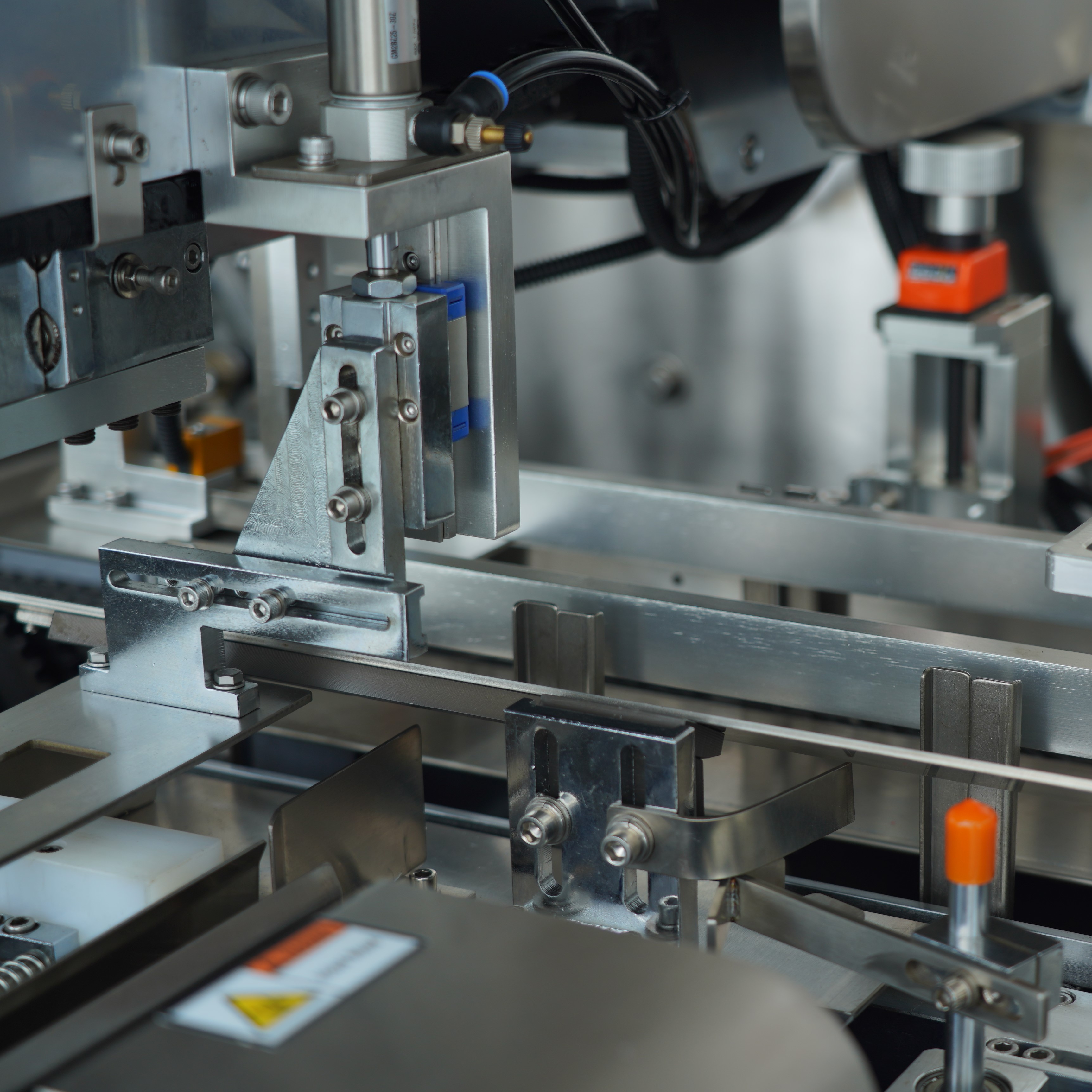
Changing over a box cartoner between different carton sizes is one of the most critical operational tasks in high-speed packaging environments. Whether your facility runs multiple product lines or seasonal variations, the ability to quickly and accurately transition your box cartoner from one carton format to another directly impacts production efficiency, reduces downtime costs, and minimizes waste. Understanding the proper box cartoner changeover procedure ensures your team can execute transitions smoothly while maintaining product quality and meeting tight production schedules.
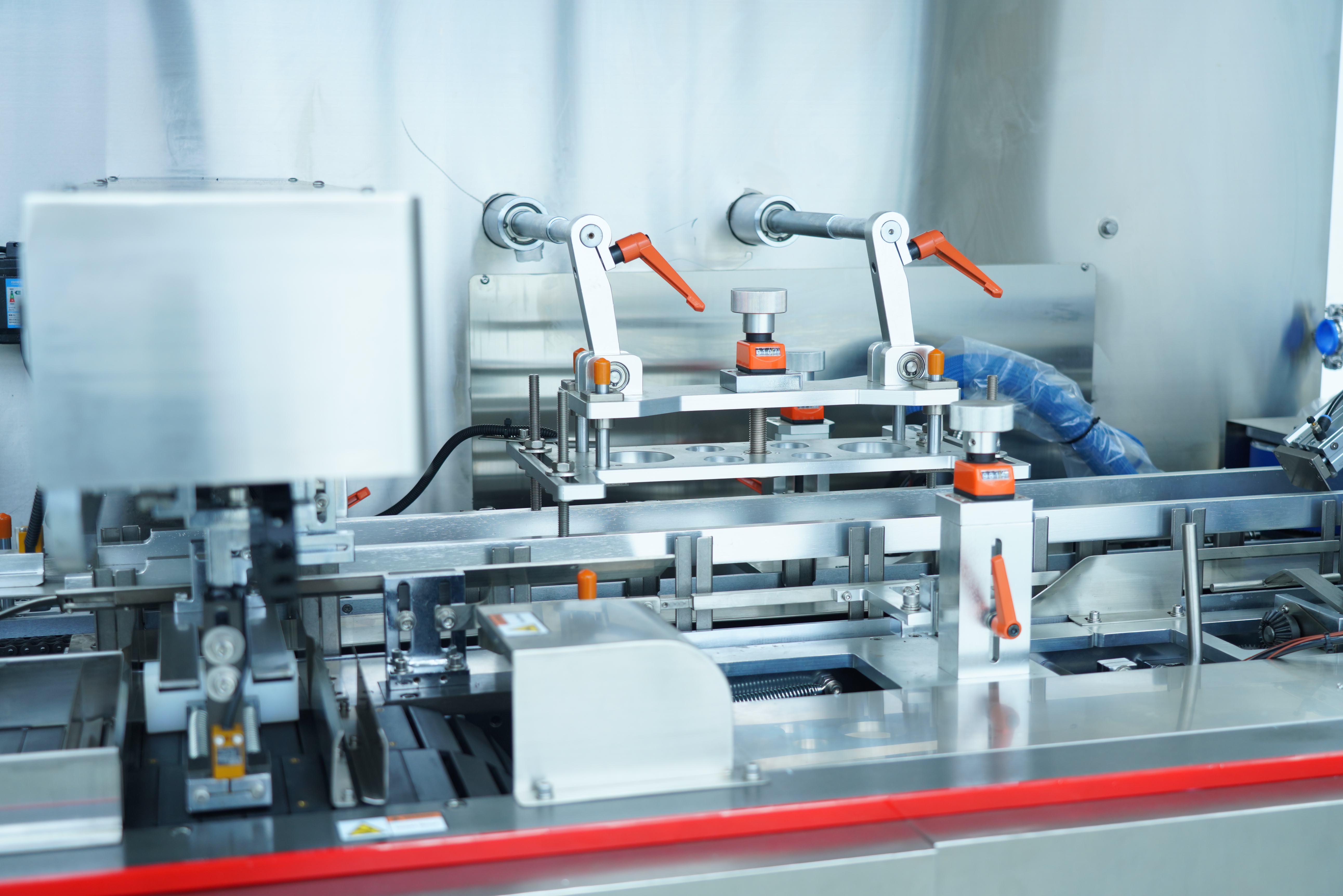
A box cartoner is engineered to handle precise mechanical and pneumatic adjustments across its forming, loading, and sealing stations. Successful carton size transitions require careful planning, systematic adjustment procedures, and verification protocols. This guide walks through the complete changeover process, helping operators and maintenance teams reduce setup time and ensure consistent performance across your production runs.
The box cartoner is the backbone of automated cartoning lines, and its flexibility to accommodate different carton dimensions is a key competitive advantage. Each carton size requires precise mechanical alignment, servo positioning, and sensor calibration on your box cartoner. When these settings drift or are incorrectly configured, the result is jams, misfeeds, and quality failures that halt production. A well-executed box cartoner changeover minimizes these risks and ensures your equipment runs at rated speed with first-pass accuracy.
Production environments that run multiple SKUs benefit tremendously from efficient box cartoner transitions. Reducing changeover time from hours to minutes improves overall equipment effectiveness (OEE) and maximizes throughput. Planning changeover procedures in advance, training operators on the specific adjustment sequence, and maintaining documented standards for your box cartoner setup become essential practices in competitive markets.
A typical box cartoner includes several major subsystems that require adjustment when switching carton sizes. The forming station uses mechanical guides and fold sequences to shape blanks into carton form. The loading station positions products with precision gating and reject mechanisms. The sealing station applies tape, glue, or other closure methods. Each station on your box cartoner must be reconfigured to handle the new carton geometry, and any mismatch leads to performance degradation. Understanding which adjustments are critical for your specific box cartoner model ensures focused and efficient changeovers.
Begin your box cartoner changeover by gathering all reference materials for both the current and target carton sizes. Consult your box cartoner manual, quick-change setup guides, and changeover checklists provided by the equipment manufacturer. Verify that you have the correct mechanical parts, sensor adapters, and tool kits on hand before stopping production. Document the current box cartoner settings—servo positions, guide widths, sensor thresholds, and air pressure values—so you can restore them if needed for roll-backs.
Schedule your box cartoner changeover during planned maintenance windows or between production runs to minimize revenue impact. Assign a qualified operator and a maintenance technician to work together, as this two-person approach catches errors and accelerates problem resolution. Brief all involved parties on the target carton dimensions, product type, and desired line speed before beginning. Preparation quality directly correlates with changeover speed and first-article quality from your box cartoner.
Once your box cartoner is powered down and isolated, begin mechanical adjustments at the forming station. Loosen guide rails, fold-over plates, and dimension-dependent fixtures according to your equipment manual. Adjust the forming guides to match the new carton width, depth, and height. Many modern box cartoner systems use quick-change cartridge modules that slot in and out, reducing manual adjustment time significantly. If your box cartoner uses continuous-adjustment features, reference the setup plate or digital display to dial in precise dimensions.
Move to the loading and sealing stations and repeat the dimensional adjustments. Your box cartoner's gating mechanism, reject air blast positioning, and sealing head alignment all depend on correct carton geometry. Ensure that all moving components glide smoothly through their full range without binding or fouling. Verify that mechanical stops, limit switches, and pneumatic cushioning are positioned correctly for the new carton size. A box cartoner with misaligned mechanical components generates noise, vibration, and premature wear regardless of servo accuracy.
After mechanical setup, your box cartoner's sensor array must be reconfigured for the new carton dimensions. Photo-eye sensors that detect carton position, seam alignment, and product presence often require repositioning and threshold adjustment. If your box cartoner uses advanced machine vision systems, these typically require recipe selection or parameter download rather than physical relocation. Upload the pre-configured recipe for your target carton size from your box cartoner's control system or memory card.
Servo drives and motion control parameters on your box cartoner must match the new carton geometry. This includes servo speed ramps, dwell positions, and synchronization points with upstream and downstream equipment. Many modern box cartoner systems allow quick parameter changes through a touchscreen interface or networked software platform. Verify all electrical connections are secure, and run a diagnostic test on your box cartoner's control system to confirm all sensors and actuators respond correctly before resuming production.
Power up your box cartoner and run it at reduced speed—typically 25 to 50 percent of target—with trial carton blanks and products. Observe the forming station closely to confirm that blanks are picking, folding, and sealing correctly. Listen for unusual sounds that might indicate mechanical binding on your box cartoner. If your box cartoner uses integrated vision or barcode verification, confirm these systems capture images and data cleanly without errors. Run at least 20 consecutive cycles without jams or rejects before advancing to higher speeds.
Gradually increase your box cartoner speed toward full production rate while monitoring each station. Stop immediately if you observe product jams, carton misfeeds, or seal failures. Adjust sensor thresholds, pneumatic pressures, or servo parameters as needed to correct issues. Your box cartoner manufacturer often provides troubleshooting tables and adjustment guidelines specific to common issues during changeovers. Once your box cartoner runs 100 consecutive cycles at full speed with zero defects, you may transition to full production mode.
Record the final validated settings for your box cartoner under this new carton size configuration. Log changeover duration, any issues encountered, and corrective actions taken. This documentation becomes invaluable for future changeovers to the same carton size. Share learnings across your operations team, update your box cartoner changeover playbook, and identify any recurring friction points. Over time, your team will develop faster, more reliable box cartoner transitions that reduce downtime and boost profitability.
Many facilities track box cartoner changeover metrics including setup time, first-article approval time, and scrap during transition. Benchmarking these metrics against targets and sharing successes with operators reinforces continuous improvement culture. Investing in operator training, standardized procedures, and regular equipment maintenance ensures your box cartoner delivers reliable performance across all supported carton sizes and formats.
A typical box cartoner changeover between carton sizes can take 15 minutes to 2 hours, depending on carton complexity, equipment design, and operator experience. Quick-change systems with modular components allow faster transitions, while older box cartoner models with continuous adjustment may require longer setup. Planning, training, and standardized procedures reduce changeover time significantly over time as your team becomes proficient with your box cartoner.
Essential tools for a box cartoner changeover include Allen wrenches, screwdrivers, adjustable wrenches, and any manufacturer-specific quick-change cartridges for your equipment. Keep spare belts, rollers, and sensor modules in inventory for your box cartoner. Maintain a laminated quick-reference guide showing all adjustment points and dimensions for each carton size your line supports. Having these resources immediately available prevents delays and reduces frustration during your box cartoner transitions.
To reduce box cartoner changeover time, implement quick-change mechanical modules where feasible, digitize all setup parameters in your equipment's control system, and create pre-configured recipes for each carton size. Invest in thorough operator training so your team executes each step confidently without hesitation. Consider upgrading older box cartoner equipment with advanced servo systems and modular components designed for rapid format changes. Regular preventive maintenance keeps your box cartoner in peak condition, eliminating surprises during changeovers.

2026/09/20
Premade Pouch Machines: Reduce Film Waste, Cut TCO & Achieve Faster ROI

2026/09/20
Cut Premade Pouch Machine Changeover Time by 40% with Proven Best Practices

2026/09/20
Premade Pouch Machines: Boost Throughput, Cut Waste & Improve ROI

2026/09/20
Rotary vs Inline Premade Pouch Machines: Speed, ROI & Scalability Compared

2026/09/20
Premade Pouch Machine: Boost Throughput, Cut Labor Costs & Improve Seal Integrity

2026/09/21
Premade Pouch Machine: Pouch Types, Materials & Filling Guide

