EN
How to Reduce Film Waste with a Premade Pouch Packaging Machine?
2026/09/20
Premade Pouch Machines: Reduce Film Waste, Cut TCO & Achieve Faster ROI

2026/10/07
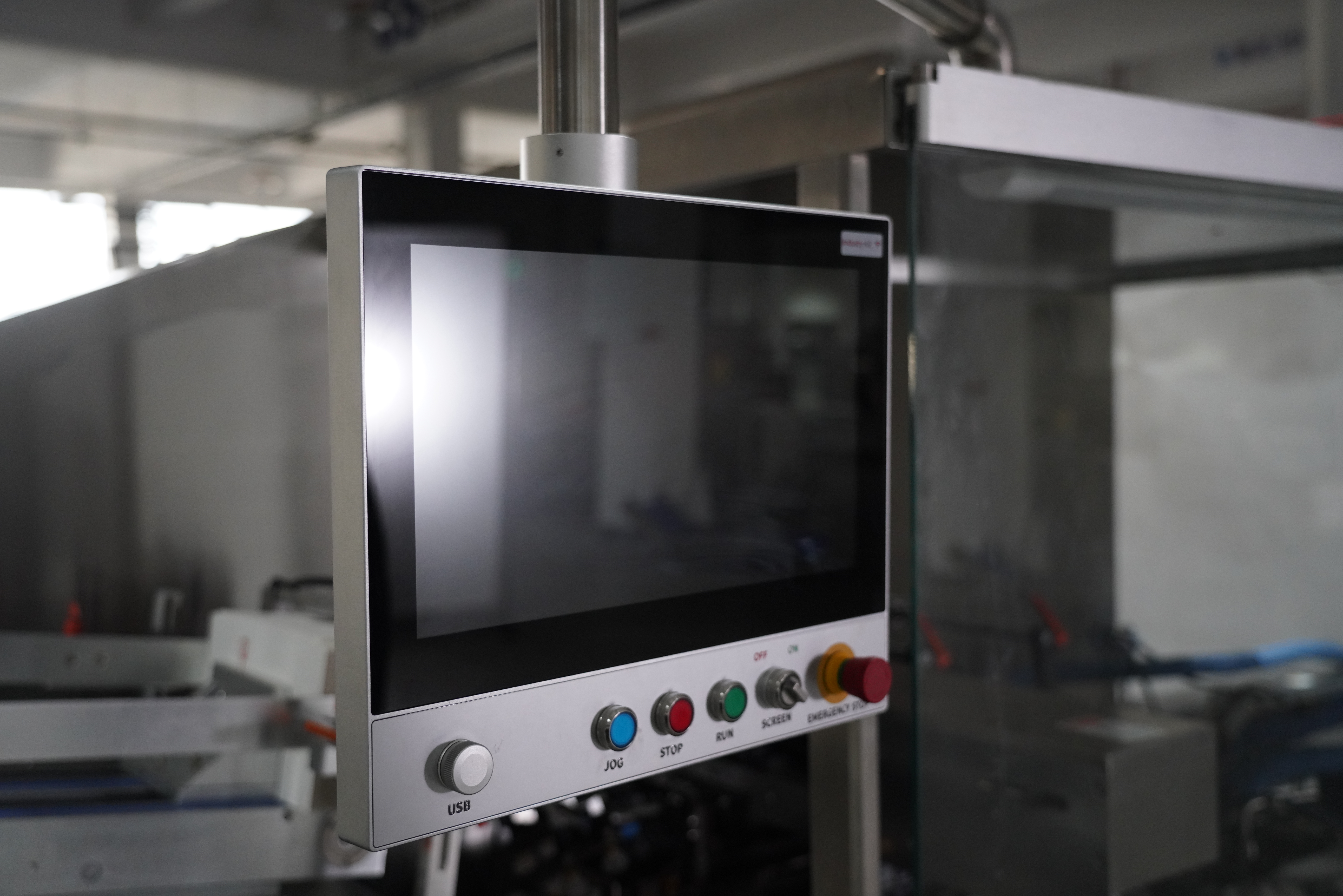
Selecting the right carton box packing machine for your production line is one of the most critical decisions you will make in optimizing your packaging operations. The choice directly impacts your production efficiency, product quality, labor costs, and long-term profitability. A carton box packing machine that aligns with your specific operational needs will streamline your workflow, reduce downtime, and ensure consistent output quality. However, without a clear understanding of your requirements and the available options, you risk investing in equipment that either underperforms or exceeds your actual needs.
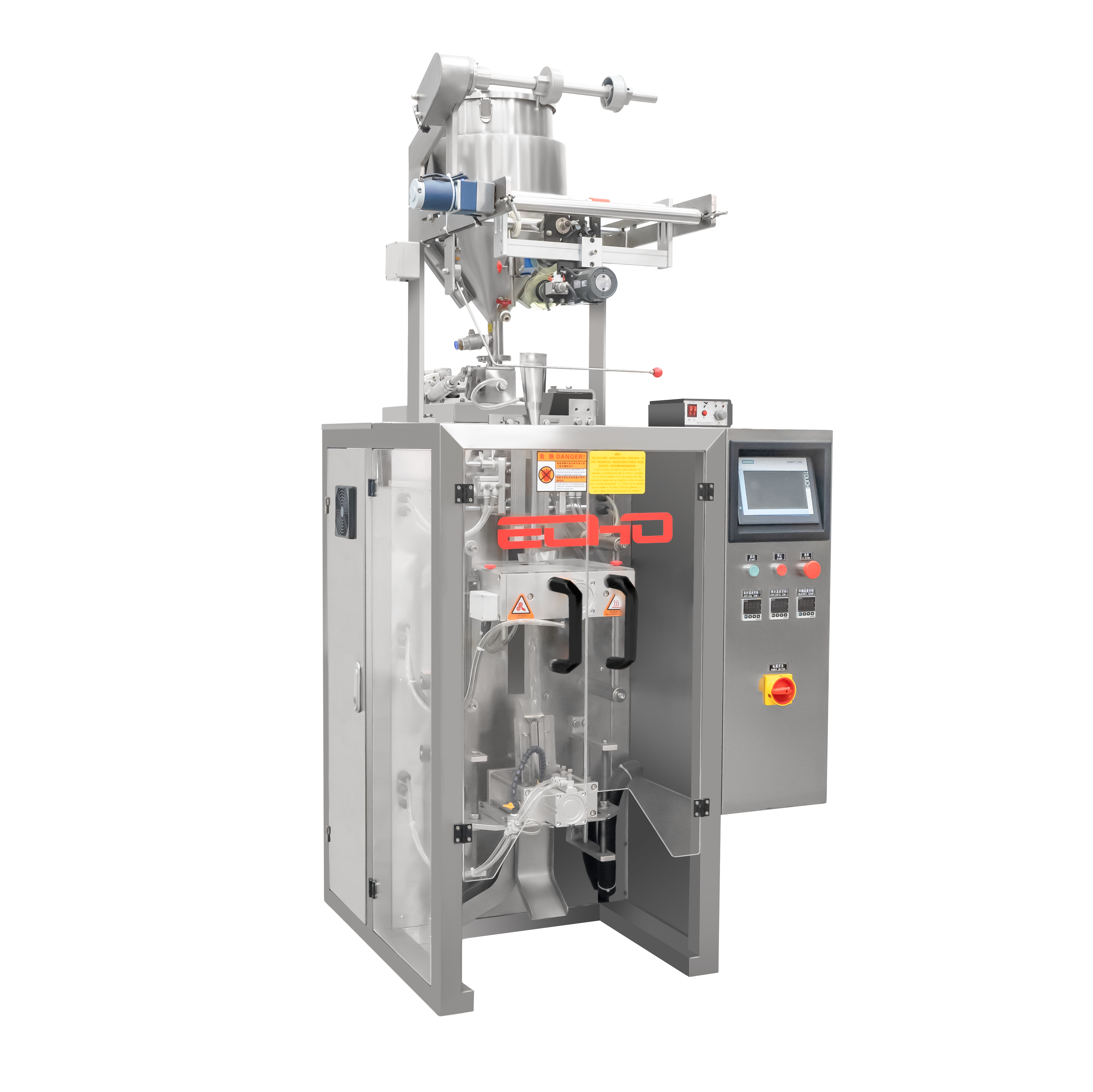
This guide will walk you through the essential factors to consider when evaluating a carton box packing machine for your line. By understanding capacity requirements, speed specifications, flexibility needs, and integration capabilities, you can make an informed decision that supports both your current operations and future growth. The investment in the right carton box packing machine will pay dividends through improved efficiency and reduced operational friction.
The first step in choosing a carton box packing machine involves clearly defining your production volume and speed requirements. Your carton box packing machine must handle your peak demand without creating bottlenecks in your line. Calculate your annual production targets, seasonal fluctuations, and growth projections over the next three to five years. A carton box packing machine rated for 40 boxes per minute may be inadequate if your line requires 60 boxes per minute during peak seasons. Conversely, investing in a carton box packing machine capable of 120 boxes per minute when you only need 50 may waste capital and introduce unnecessary complexity to your operation.
Your carton box packing machine must accommodate the specific dimensions and weights of your products and packaging. Different carton box packing machine models offer varying ranges of box sizes, formats, and closure methods. Measure your product dimensions precisely and confirm that your chosen carton box packing machine can handle the range of box types you currently use and may need in the future. Some manufacturers offer modular carton box packing machine systems that allow quick changeovers between different box sizes, which provides valuable flexibility if your product line evolves. Product weight also matters—heavier products require a more robust carton box packing machine with stronger components to prevent wear and maintain reliability.
Machine speed is a key performance metric, but it must be realistic for your application. When comparing carton box packing machine models, verify that the stated speed applies to your exact box dimensions and product type. A carton box packing machine may achieve maximum speed with small, uniform products but run slower with irregular items. Request demonstration or trial runs with your actual products to validate that your chosen carton box packing machine meets your throughput expectations. Additionally, consider the carton box packing machine's speed reliability—machines that consistently maintain 85% of their rated speed may provide better value than machines that fluctuate between 60% and 100%.
The carton box packing machine you select must maintain tight tolerances for box placement, closure, and sealing. Poor accuracy leads to rejected cases, product damage, and customer complaints. A reliable carton box packing machine will feature vision systems, pressure sensors, and feedback controls that ensure every box is packed correctly. Verify that your carton box packing machine can handle your required quality standards and that it provides data logging capabilities for compliance documentation. Look for machines that include error detection and automatic rejection systems—a carton box packing machine with built-in quality assurance prevents defective cases from reaching your customers.
Your new carton box packing machine must integrate seamlessly with your upstream and downstream equipment. Evaluate conveyor connections, control system compatibility, and communication protocols. A carton box packing machine that operates independently creates manual handling, delays, and labor inefficiencies. Modern carton box packing machine systems support standard interfaces such as Ethernet, serial connections, and cloud-based monitoring. Verify that your carton box packing machine can communicate with your existing line controls and management systems. Discuss installation logistics with the supplier—a carton box packing machine that requires extensive modifications to your line may cost more in implementation than in the equipment itself.
If your operation involves multiple product lines or frequent format changes, your carton box packing machine must support quick changeovers. Some carton box packing machine designs require tool-free adjustments and preset configurations that allow operators to switch formats in minutes rather than hours. This flexibility directly impacts your ability to respond to customer orders and market demand. A carton box packing machine with intuitive controls and minimal adjustment points reduces setup time and human error. Additionally, ensure your carton box packing machine manufacturer provides readily available spare parts, technical support, and training resources to minimize downtime when maintenance is needed.
Purchase price is only one component of total cost when selecting a carton box packing machine. Factor in installation, training, spare parts availability, energy consumption, and ongoing maintenance expenses. A more expensive carton box packing machine with lower energy consumption and superior reliability may deliver better returns than a cheaper option that requires frequent repairs. Compare warranty coverage, service contract options, and the manufacturer's reputation for responsiveness. Request references from existing customers who operate similar carton box packing machine models in comparable industries. A well-chosen carton box packing machine that operates reliably for ten years will generate far greater value than a problematic machine replaced after five years.
Most manufacturers recommend considering an automated carton box packing machine when your operation reaches approximately 10,000 to 15,000 cases annually. At lower volumes, manual packing or semi-automatic alternatives may be more cost-effective. However, labor availability, product fragility, and quality consistency requirements can shift this threshold. An automated carton box packing machine becomes justified at lower volumes if manual labor is scarce or unreliable in your region, or if your product demands precision that human operators struggle to maintain consistently.
Implementation timelines for a carton box packing machine typically range from four to twelve weeks, depending on complexity and integration requirements. Factory build and testing usually takes four to six weeks, transport takes one to two weeks, and on-site installation and commissioning takes one to two weeks. Custom configurations and significant line modifications can extend this timeline. Plan your budget and production schedule accordingly, and coordinate closely with your carton box packing machine supplier to establish realistic delivery and installation dates.
Most carton box packing machine models are designed to handle one product category at a time, though many support quick format changes between product types. A carton box packing machine optimized for small electronics may not work well for larger or more fragile items without significant adjustments. If your operation requires packing multiple product categories, discuss multi-format capability with your supplier. Some advanced carton box packing machine systems include modular components and adaptive controls that accommodate broader product ranges, though these typically command higher investment costs.
2026/09/20
Premade Pouch Machines: Reduce Film Waste, Cut TCO & Achieve Faster ROI
2026/09/20
Cut Premade Pouch Machine Changeover Time by 40% with Proven Best Practices
2026/09/20
Premade Pouch Machines: Boost Throughput, Cut Waste & Improve ROI
2026/09/20
Rotary vs Inline Premade Pouch Machines: Speed, ROI & Scalability Compared
2026/09/20
Premade Pouch Machine: Boost Throughput, Cut Labor Costs & Improve Seal Integrity
2026/09/21
Premade Pouch Machine: Pouch Types, Materials & Filling Guide