 EN
How to Reduce Film Waste with a Premade Pouch Packaging Machine?
2026/09/20
Premade Pouch Machines: Reduce Film Waste, Cut TCO & Achieve Faster ROI

2026/10/20
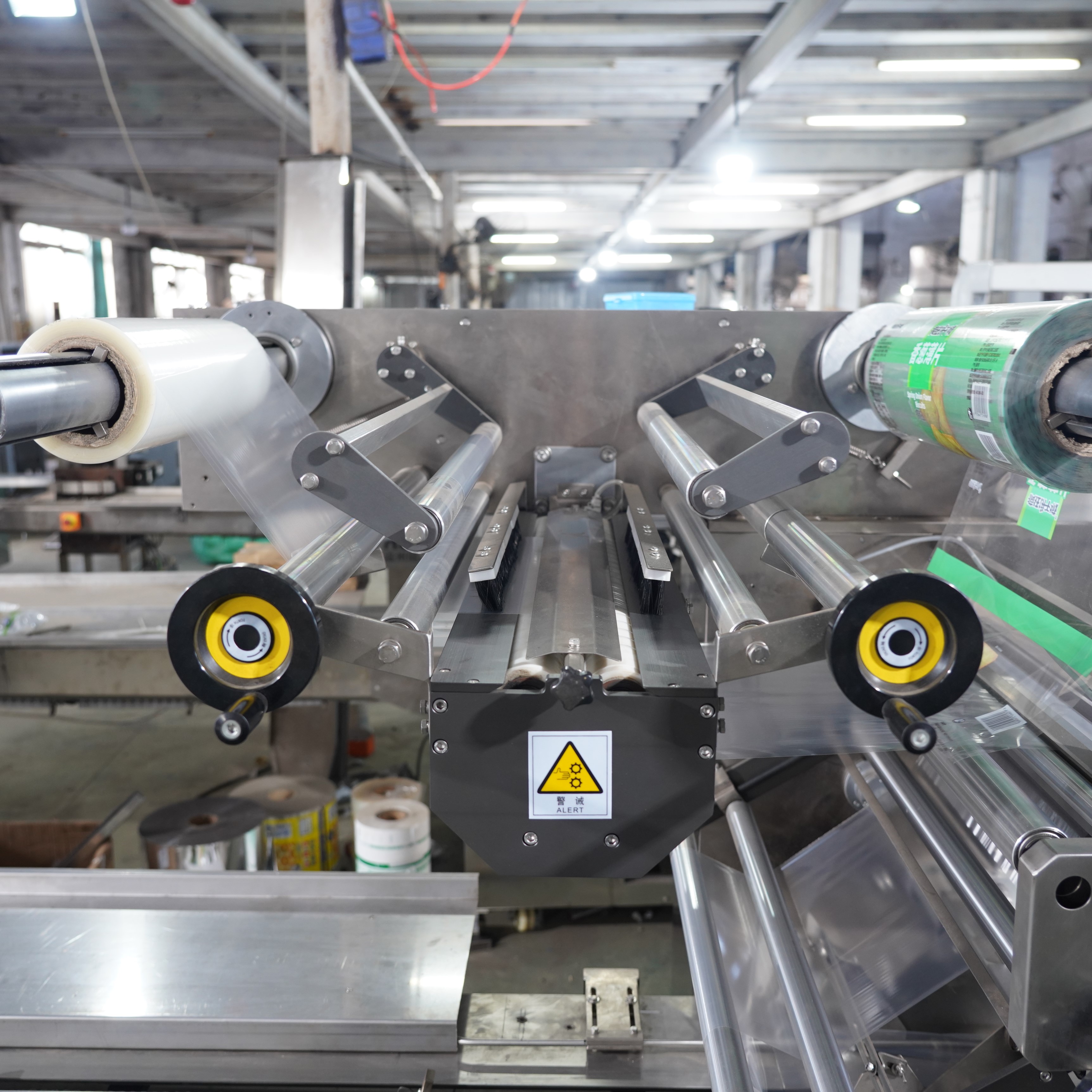
Selecting the right horizontal flow pack machine is one of the most critical decisions a packaging operation can make. The choice directly impacts production efficiency, product quality, packaging flexibility, and long-term operational costs. A horizontal flow pack machine serves as the backbone of modern packaging lines, wrapping products quickly and consistently while protecting contents during storage and transport. Understanding the distinctions between different horizontal flow pack machine types ensures your facility invests in equipment that truly matches your production volume, product characteristics, and business growth plans.
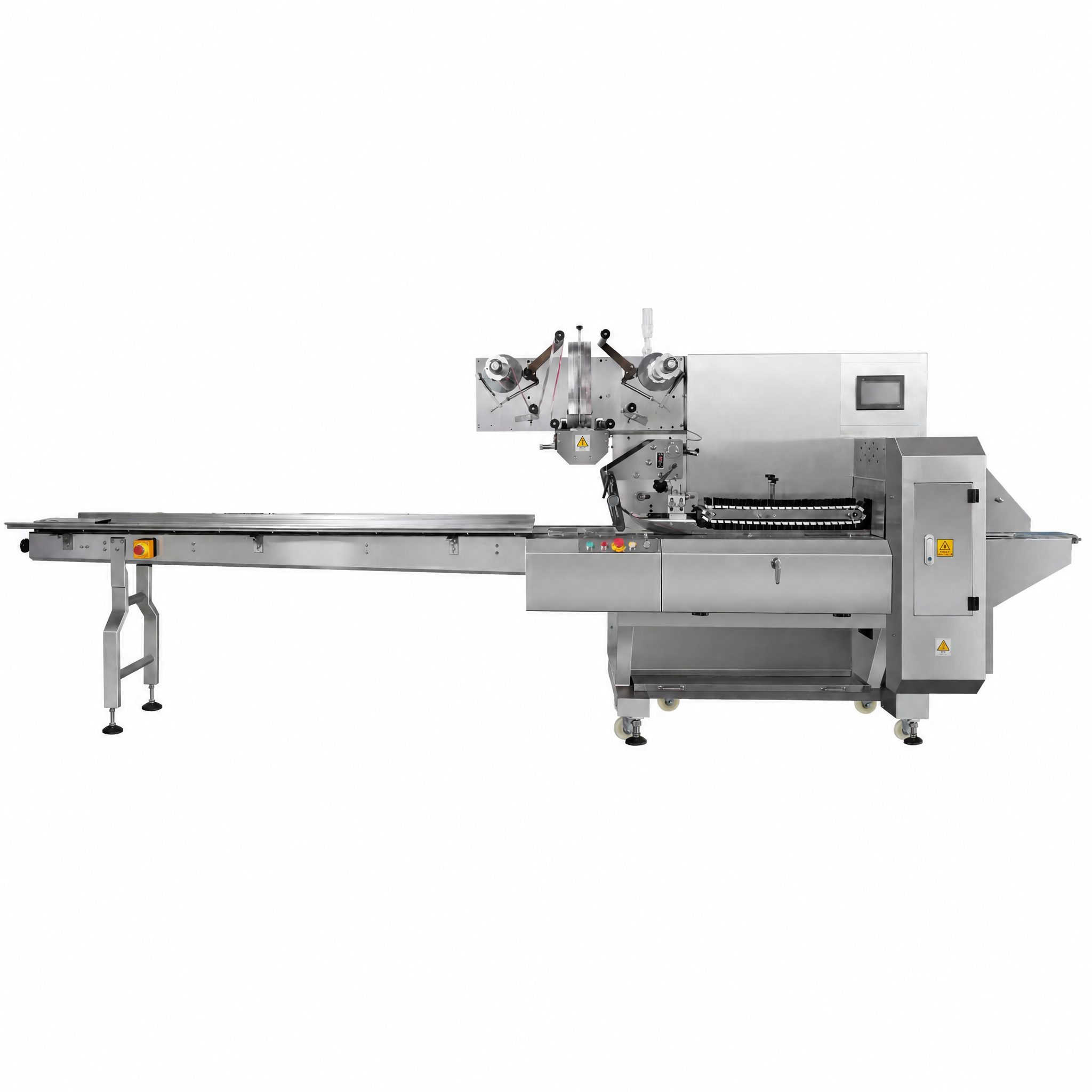
The packaging industry offers numerous horizontal flow pack machine configurations, each designed for specific applications and production scales. Entry-level machines handle smaller volumes and lighter products, while advanced horizontal flow pack machine systems accommodate high-speed operations, multiple product sizes, and specialized film types. This guide walks you through the key factors that separate one horizontal flow pack machine type from another, helping you make a selection aligned with your operational strategy and financial constraints.
Production speed is the first dimension to evaluate when comparing horizontal flow pack machine options. Different horizontal flow pack machine models deliver vastly different output rates, typically ranging from 30 packages per minute for compact units to over 200 packages per minute for fully automated systems. Your facility's daily demand determines the minimum throughput your horizontal flow pack machine must achieve without overtime or multiple shifts. Underestimating required speed forces constant pressure on equipment, increases maintenance costs, and creates bottlenecks. Conversely, investing in a horizontal flow pack machine with surplus capacity may represent wasteful capital expenditure if growth doesn't materialize.
The physical dimensions your horizontal flow pack machine can handle directly limit the product sizes you may package. Width capacity, product thickness tolerance, and length adjustability all vary significantly across horizontal flow pack machine categories. Compact horizontal flow pack machine units typically handle products up to 300mm wide, while industrial-grade horizontal flow pack machine systems accommodate widths exceeding 600mm. If your product portfolio includes items of different sizes, selecting a horizontal flow pack machine with flexible width adjustment saves the cost of purchasing multiple units. However, versatility in a horizontal flow pack machine often comes with higher price tags and more complex setup procedures between product changeovers.
Not every horizontal flow pack machine works equally well with all film types. LDPE, BOPP, and laminated films each have distinct melting points, tensile strengths, and seal requirements that a horizontal flow pack machine must accommodate through temperature and pressure settings. Basic horizontal flow pack machine models often work best with standard LDPE films and struggle with specialty materials. Premium horizontal flow pack machine configurations include advanced heating zones, adjustable sealing parameters, and sensor feedback systems that adapt to different film characteristics automatically. If your packaging strategy relies on premium barrier films, metallized layers, or biodegradable materials, choosing a horizontal flow pack machine with sophisticated film-handling capability prevents quality defects, waste, and production delays.
The consistency of package seals distinguishes a reliable horizontal flow pack machine from one prone to failures. Entry-level horizontal flow pack machine units rely on fixed temperature and pressure parameters that may drift over hours of operation, resulting in weak seals or film burns. Mid-range horizontal flow pack machine equipment includes mechanical feedback sensors that detect film thickness and adjust heating in real time. Top-tier horizontal flow pack machine systems employ infrared cameras and pressure transducers to continuously monitor and correct seal parameters, ensuring perfect consistency across millions of cycles. For products requiring hermetic seals or extended shelf life, investing in a horizontal flow pack machine with robust quality-control features directly protects brand reputation and reduces customer complaints.
Automation level represents a fundamental axis of differentiation within the horizontal flow pack machine market. Semi-automatic horizontal flow pack machine units require an operator to manually load products, trigger cycles, and remove finished packages. Fully automatic horizontal flow pack machine systems integrate product feeders, cutting and sealing stations, and output conveyors into one continuous workflow that requires minimal human intervention. Labor savings from an automatic horizontal flow pack machine compound over time, especially in high-volume operations where one worker might manage multiple semi-automatic units. However, automatic horizontal flow pack machine configurations demand higher capital investment, specialized maintenance skills, and greater engineering complexity during setup and troubleshooting.
A horizontal flow pack machine rarely operates in isolation. Your facility likely needs the horizontal flow pack machine to connect smoothly with product feeding systems, conveyor networks, metal detectors, checkweighers, and case packing equipment. Entry-level horizontal flow pack machine models come with basic input and output port interfaces that work with standard conveyors. Advanced horizontal flow pack machine systems feature programmable logic controllers, networked communication protocols, and modular connection points that integrate into Industry 4.0 ecosystems. If your facility prioritizes data capture, real-time production tracking, or seamless integration with existing lines, selecting a horizontal flow pack machine designed for such connectivity eliminates costly retrofitting and future bottlenecks.
The purchase price of a horizontal flow pack machine represents only the beginning of total cost calculations. A budget horizontal flow pack machine might cost 40 percent less than a premium unit, yet generate higher defect rates, consume more film per package due to poor seal efficiency, and demand frequent repairs that disrupt production. Conversely, an expensive horizontal flow pack machine with oversized capacity or unnecessary features may waste capital on capabilities your facility never uses. Evaluating return on investment requires comparing your 5-year operating costs across candidate horizontal flow pack machine options, including maintenance contracts, spare parts availability, energy consumption, film utilization efficiency, and downtime risk. A horizontal flow pack machine that costs 20 percent more initially but reduces film waste by 8 percent and eliminates monthly service calls may deliver lower total cost of ownership than a cheaper alternative.
The ongoing relationship between your facility and horizontal flow pack machine vendor fundamentally influences operational success. Widely distributed horizontal flow pack machine brands maintain extensive parts networks, offer same-day service calls, and provide training to your technicians. Niche horizontal flow pack machine suppliers may offer superior equipment design but limited local support, forcing extended downtime when issues arise. Before committing to any horizontal flow pack machine purchase, verify that spare parts remain in stock, that qualified service technicians operate within reasonable distance, and that the vendor provides accessible maintenance documentation. A horizontal flow pack machine with poor support infrastructure becomes an expensive liability if critical components fail during peak production periods.
Entry-level horizontal flow pack machine units prioritize affordability and simplicity, handling production volumes up to 60 packages per minute with basic temperature and pressure controls. Industrial-grade horizontal flow pack machine systems deliver speeds exceeding 150 packages per minute, feature advanced sensor systems for real-time quality monitoring, accommodate wider product ranges, and integrate seamlessly into complex packaging lines. The upgrade cost reflects improved reliability, consistency, reduced downtime, and lower per-unit operating expenses over the machine's lifespan.
Review your product's maximum width, thickness, and length specifications, then cross-reference them against the horizontal flow pack machine manufacturer's dimensional compatibility charts. Most horizontal flow pack machine vendors provide adjustable width rails and quick-change tooling that expand the range of compatible product sizes. Request sample testing with your actual products before purchase to confirm that the horizontal flow pack machine delivers acceptable seal quality and cycle performance without modifications.
Mid-range automatic horizontal flow pack machine systems typically deliver the optimal balance for small to medium operations, combining fully automatic operation with reasonable capital investment and predictable operating costs. These horizontal flow pack machine configurations handle production rates between 80 and 150 packages per minute, integrate with standard conveyor systems, feature reliable seal control, and attract strong parts and service support due to their popularity. Starting with a horizontal flow pack machine in this category allows growth flexibility without overcommitting resources initially.

2026/09/20
Premade Pouch Machines: Reduce Film Waste, Cut TCO & Achieve Faster ROI

2026/09/20
Cut Premade Pouch Machine Changeover Time by 40% with Proven Best Practices

2026/09/20
Premade Pouch Machines: Boost Throughput, Cut Waste & Improve ROI

2026/09/20
Rotary vs Inline Premade Pouch Machines: Speed, ROI & Scalability Compared

2026/09/20
Premade Pouch Machine: Boost Throughput, Cut Labor Costs & Improve Seal Integrity

2026/09/21
Premade Pouch Machine: Pouch Types, Materials & Filling Guide

