 EN
How to Reduce Film Waste with a Premade Pouch Packaging Machine?
2026/09/20
Premade Pouch Machines: Reduce Film Waste, Cut TCO & Achieve Faster ROI

2026/10/08
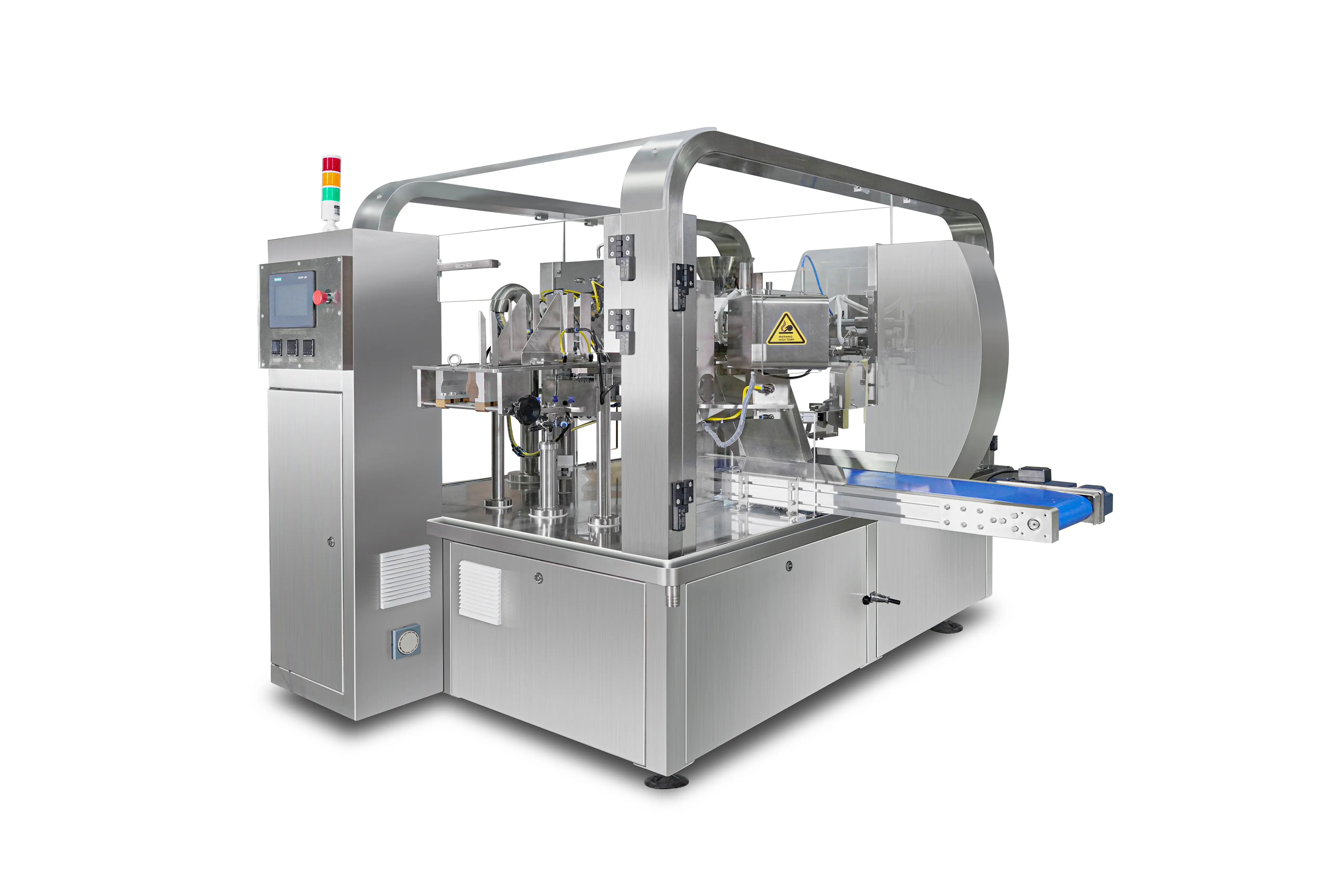
Selecting the right packing machine is one of the most critical decisions for any production facility. Whether you are expanding operations, replacing aging equipment, or entering the packaging business, the choice between a new packing machine and a used packing machine will significantly impact your operational costs, efficiency, and long-term productivity. This decision requires careful analysis of your budget, production volume, timeline, and maintenance capacity. Understanding the advantages and disadvantages of each option will help you make an informed choice that aligns with your business goals.
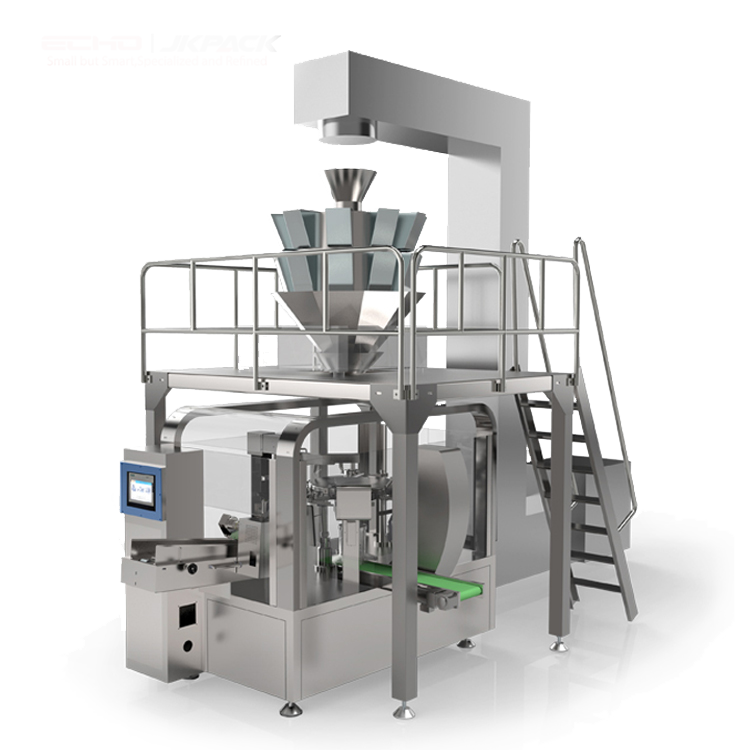
The packing machine market offers a wide range of options, each with distinct financial and operational implications. New packing machines come with manufacturer warranties, latest technology features, and predictable performance, but they require substantial upfront capital. Used packing machines, conversely, offer lower initial investment and immediate availability, yet they carry unknown maintenance histories and potentially reduced reliability. To choose wisely, you must evaluate your specific operational needs, financial constraints, and risk tolerance before committing to either path.
The most obvious financial difference between a new packing machine and a used packing machine is the purchase price. A new packing machine typically costs significantly more than a comparable used packing machine, sometimes two to three times higher depending on the model and features. However, this higher initial investment often translates to lower total cost of ownership over the equipment's lifetime. When evaluating a packing machine purchase, project your five-to-ten-year operational expenses, including energy consumption, maintenance, repairs, and potential downtime. A used packing machine may save you 40 to 60 percent on acquisition costs, but unexpected repairs could quickly erode those savings. Your budget should account not just for the packing machine price tag, but for the complete financial picture of equipment ownership.
New packing machine financing often comes with better loan terms and lower interest rates from manufacturers or financial institutions. Additionally, a new packing machine typically qualifies for accelerated depreciation schedules and tax incentives in many jurisdictions, which can offset acquisition costs over time. A used packing machine depreciates less dramatically in its remaining useful life, but you lose the opportunity to benefit from these initial depreciation advantages. When comparing the true cost of a new packing machine versus a used packing machine, consult your accounting team about available tax benefits. This professional guidance can reveal that the net financial impact of choosing a new packing machine is narrower than the simple purchase price difference suggests.
A new packing machine arrives with factory-tested components and comes backed by manufacturer warranty coverage, typically ranging from one to three years depending on the model. This warranty protects you from manufacturing defects and provides peace of mind during the critical initial operation phase. A used packing machine carries unknown stress from its previous operation; you cannot verify how it was maintained, operated, or stored. Even if a used packing machine was well maintained, its remaining useful life is uncertain. The reliability difference between a new packing machine and a used packing machine becomes especially critical if your production schedule is tight or if downtime costs are high. Some industries, such as pharmaceuticals or food production, may require the documentation and traceability that only a new packing machine can guarantee.
A new packing machine typically requires routine preventive maintenance during a break-in period, but major components are designed to operate reliably for thousands of hours. Spare parts for a new packing machine are readily available from the manufacturer, and technical support is standardized and accessible. A used packing machine may require more frequent unscheduled maintenance as components age, and locating spare parts becomes progressively harder as the packing machine model ages. If you choose a used packing machine from a manufacturer that has since exited the market or changed product lines, you may face significant challenges sourcing parts. Additionally, technical support for legacy packing machine models is often limited or unavailable. Before purchasing a used packing machine, research the manufacturer's ongoing support commitment and spare parts availability to avoid costly service delays.
Your production volume and specific packaging requirements should heavily influence whether a new packing machine or used packing machine is the right fit. If your production demands are growing and you need a packing machine with advanced features such as variable speed control, integrated inspection systems, or compatibility with new packaging formats, a new packing machine offers flexibility and future-proofing. A used packing machine may be ideal if your production volume is stable, you require a proven model that handles your current product specifications, and you are unwilling to invest in bleeding-edge technology. Match the packing machine capacity to your actual needs; buying a packing machine that is oversized or undersized wastes resources either way. For businesses with seasonal or variable production, a used packing machine may provide sufficient capability without the higher cost, whereas high-growth operations benefit from the scalability of a new packing machine.
A new packing machine is designed with modern interfaces, compatibility standards, and modular architecture that integrate smoothly with Industry 4.0 systems, real-time monitoring software, and your existing production lines. Integration of a new packing machine with your facility is typically straightforward because documentation is current and technical support is readily available. A used packing machine may have outdated connectors, proprietary communication protocols, or incompatible formats that complicate integration. If you require seamless data flow between your packing machine and other equipment, quality control systems, or management software, a new packing machine minimizes integration headaches. Conversely, if your facility uses legacy systems that align with older standards, a used packing machine may integrate more easily than a newer model designed for current platforms.
The primary risk of a used packing machine is the unknown operational history. You may purchase a used packing machine that appears functional but has internal wear, previous damage repairs, or component failures lurking beneath the surface. Request a comprehensive inspection report, service records, and a full operational demonstration before committing to a used packing machine. Some sellers provide a short trial period or money-back guarantee for a used packing machine, which adds a layer of protection. However, such protections are limited; once you own a used packing machine, you assume responsibility for all future repairs and parts sourcing. Compare this risk profile to the predictability of a new packing machine, which carries manufacturer backing and technical certainty.
If your production schedule is urgent and you need a packing machine operational immediately, a used packing machine that is already available may be the practical choice. New packing machines often face lead times of several weeks or months, depending on customization and demand. However, if your timeline allows for a short wait, investing in a new packing machine ensures you receive exactly what your facility needs without compromises. Consider whether your production can continue with interim solutions while you source a new packing machine, or whether immediate deployment of a used packing machine is essential. The decision between a new packing machine and used packing machine is not always driven by preference alone; operational urgency and supply chain realities play significant roles.
Choose a new packing machine when your budget allows, your production volume is growing, you need advanced features or specific certifications, or when your production environment demands reliability and support. A new packing machine is ideal if you operate in regulated industries, require integration with modern systems, or if total cost of ownership calculations show that reduced maintenance outweighs higher acquisition costs.
A used packing machine offers immediate cost savings, typically 40 to 60 percent lower purchase price than new equivalents. Used packing machines are available immediately without lead times, making them suitable for urgent production needs. If your operation is stable and you do not require cutting-edge features, a used packing machine can deliver reliable service if it has been well maintained and inspected thoroughly before purchase.
Request complete maintenance records, service documentation, and detailed photographs of the used packing machine before purchase. Arrange an in-person inspection or third-party technical assessment to verify mechanical condition, electrical safety, and operational performance. Ask the seller about previous downtime, repair history, and remaining useful life estimates. Consider negotiating a trial period or conditional purchase agreement for a used packing machine, and verify that spare parts remain available from the manufacturer.

2026/09/20
Premade Pouch Machines: Reduce Film Waste, Cut TCO & Achieve Faster ROI

2026/09/20
Cut Premade Pouch Machine Changeover Time by 40% with Proven Best Practices

2026/09/20
Premade Pouch Machines: Boost Throughput, Cut Waste & Improve ROI

2026/09/20
Rotary vs Inline Premade Pouch Machines: Speed, ROI & Scalability Compared

2026/09/20
Premade Pouch Machine: Boost Throughput, Cut Labor Costs & Improve Seal Integrity

2026/09/21
Premade Pouch Machine: Pouch Types, Materials & Filling Guide

