 EN
How to Reduce Film Waste with a Premade Pouch Packaging Machine?
2026/09/20
Premade Pouch Machines: Reduce Film Waste, Cut TCO & Achieve Faster ROI

2026/10/10
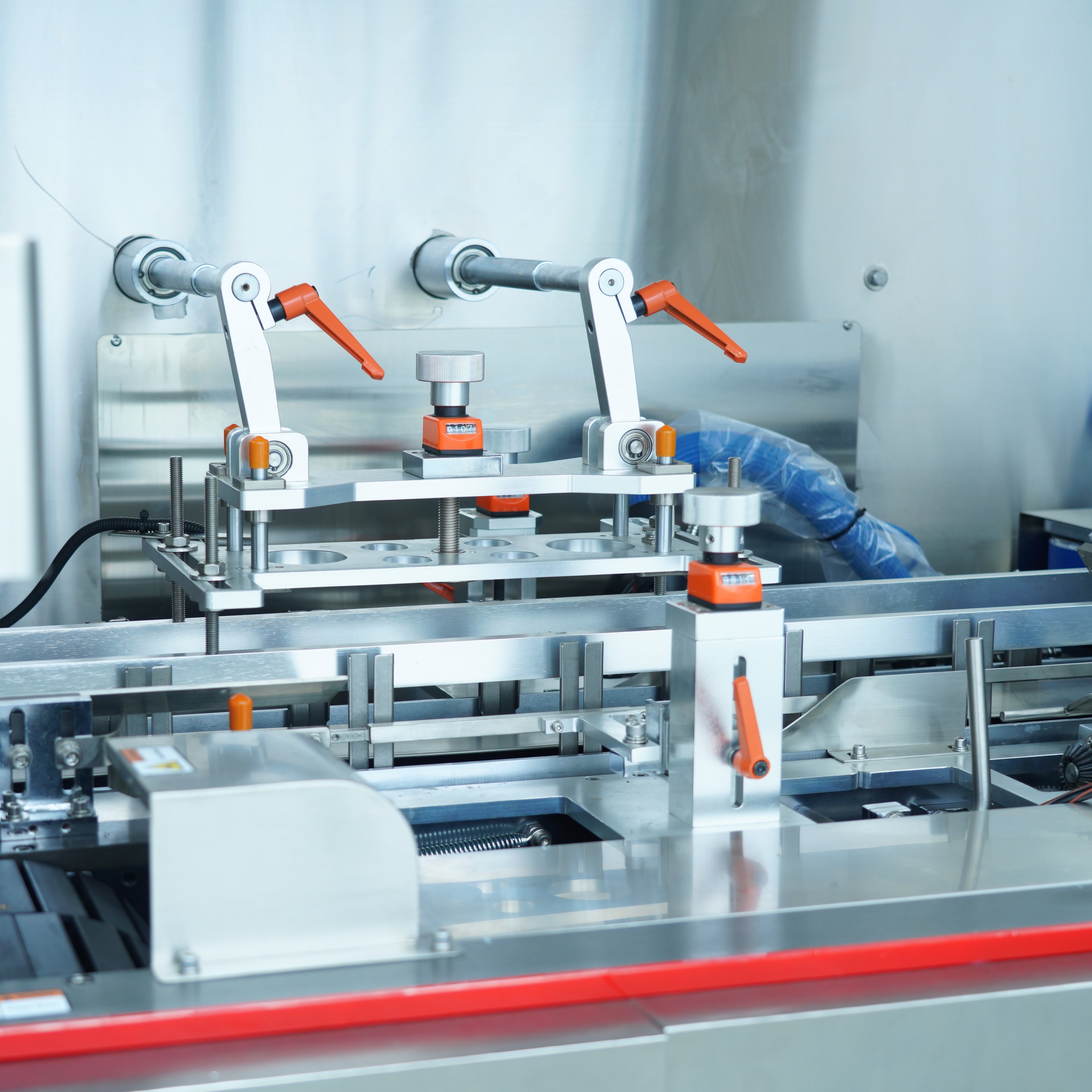
Selecting the right carton box packing machine for your production facility is one of the most critical decisions in packaging operations. The choice between semi-automatic and fully automatic carton box packing machine systems directly affects efficiency, labor costs, product consistency, and long-term profitability. Many manufacturers struggle with this decision because both solutions address real business needs, yet their capabilities, investment requirements, and operational demands differ significantly. Understanding these differences enables you to align your carton box packing machine choice with your production volume, budget constraints, and workforce availability.
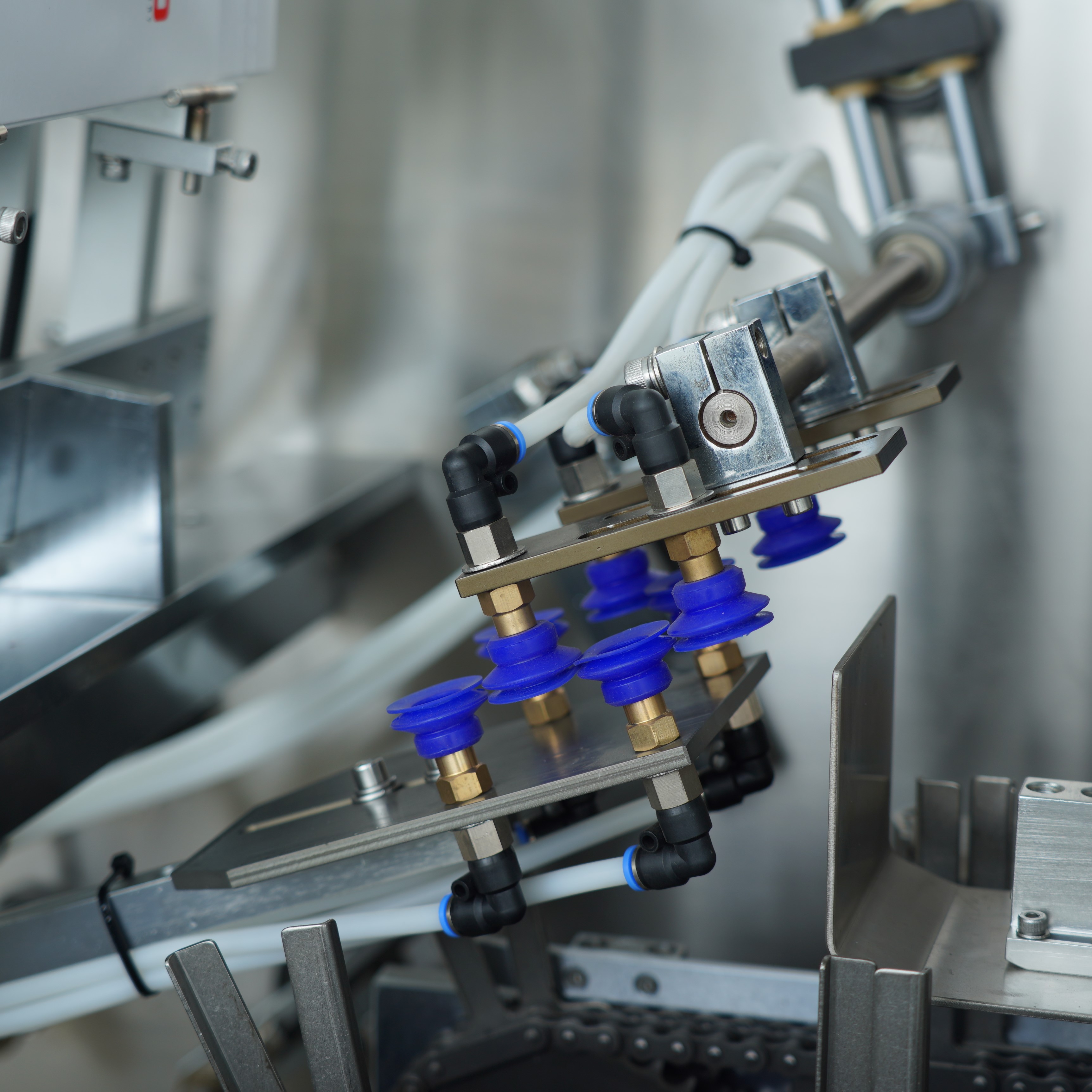
A semi-automatic carton box packing machine requires continuous operator involvement throughout the packaging cycle. Operators manually place products into cartons, position boxes under filling mechanisms, trigger sealing sequences, or execute product arrangement steps, while the machine automates specific repetitive functions. This hybrid approach means your carton box packing machine performs consistent, precise motions—such as folding, sealing, or tape application—while workers handle placement, orientation, and quality verification tasks. Semi-automatic carton box packing machine systems excel when product variations require frequent manual adjustments or when batch sizes remain moderate enough to justify operator presence.
Semi-automatic carton box packing machine solutions deliver several compelling operational benefits. Lower capital investment is the most obvious advantage: a quality semi-automatic carton box packing machine typically costs 40–60% less than a comparable fully automatic system. Flexibility represents another critical strength—operators can quickly adapt to product size changes, packaging format variations, or custom carton configurations without extensive reprogramming. Maintenance complexity is significantly reduced since a semi-automatic carton box packing machine contains fewer automated components, robotics, and control systems. This translates to lower service costs and faster repairs when issues arise. Your existing team can often operate a semi-automatic carton box packing machine after brief training, making it an accessible choice for facilities with limited automation expertise.
A fully automatic carton box packing machine operates with minimal human intervention from product arrival through final carton output. The system handles all stages: product loading, carton erection, product placement, cushioning application, box sealing, labeling, and case stacking. Advanced sensors, vision systems, and programmable logic controllers guide every motion in your fully automatic carton box packing machine. Operators monitor the system, refill consumables like tape or cushioning materials, and perform occasional maintenance or format change programming. This end-to-end automation means your fully automatic carton box packing machine achieves consistent throughput and eliminates variability introduced by manual handling.
Fully automatic carton box packing machine systems unlock substantial production advantages for high-volume operations. Throughput is dramatically higher—a fully automatic carton box packing machine typically processes 15–40 cartons per minute depending on complexity, compared to 5–15 per minute for semi-automatic solutions. This speed advantage compounds across production runs, significantly reducing per-unit packaging costs. Labor efficiency is profound: a single operator can monitor a fully automatic carton box packing machine handling 100+ cartons hourly, while semi-automatic systems require one worker per machine. Product consistency reaches measurable levels with a fully automatic carton box packing machine—every box receives identical pressure, sealing quality, and cushioning distribution. Reduced damage rates and improved compliance further enhance the business case. Your fully automatic carton box packing machine also provides detailed data logging, performance metrics, and predictive maintenance capabilities that support continuous improvement initiatives.
Production volume is the primary lever determining carton box packing machine selection. If your facility packages 1,000–5,000 cartons weekly with variable product sizes, a semi-automatic carton box packing machine likely delivers superior value because throughput requirements do not justify fully automatic investment. Conversely, if weekly volume exceeds 20,000 cartons with stable formats, a fully automatic carton box packing machine achieves lower per-unit cost despite higher upfront capital. Calculate the break-even point by comparing total cost of ownership: initial purchase price, annual labor costs, maintenance and spare parts, energy consumption, and expected useful life. For many mid-market operations, this analysis reveals that a semi-automatic carton box packing machine serves current needs effectively while a fully automatic carton box packing machine becomes economically justified only as volume scales significantly.
Your product portfolio directly influences carton box packing machine selection. Highly variable product dimensions, fragile items requiring custom cushioning, or frequently changing packaging formats favor semi-automatic carton box packing machine investment. Operators can adjust handling techniques, select appropriate cushioning density, or quickly switch carton styles on your semi-automatic carton box packing machine without reprogramming delays. By contrast, a fully automatic carton box packing machine excels with standardized, high-volume products or very consistent format families. Integrating a new product variant into a fully automatic carton box packing machine requires vision system recalibration, gripper or cushioning mechanism adjustments, and programming updates—tasks that take days rather than minutes. If your product line remains relatively stable and volume justifies the investment, your fully automatic carton box packing machine delivers years of reliable, high-speed packaging.
Labor market dynamics and available skill levels significantly impact carton box packing machine decisions. Regions facing acute labor shortages benefit greatly from fully automatic carton box packing machine investment—replacing three operators with one monitoring position generates immediate payroll savings and reduces turnover risk. Conversely, areas with abundant labor and moderate wage levels make semi-automatic carton box packing machine operation more economically attractive. Training requirements also differ: operating a semi-automatic carton box packing machine requires one or two days of practical instruction for most workers, while managing a fully automatic carton box packing machine often demands technical training in programmable logic controller fundamentals, sensor troubleshooting, and system diagnostics. Evaluate your facility's ability to hire or train maintenance personnel who can support a fully automatic carton box packing machine's complexity.
Installing a semi-automatic carton box packing machine typically requires three to five working days including equipment setup, electrical connections, product line integration, and operator training. Production resumption happens quickly, and existing staff can usually transition immediately. A fully automatic carton box packing machine installation spans two to three weeks because the system requires complex sensor calibration, software configuration, integration testing with upstream and downstream equipment, and comprehensive operator certification. This extended timeline demands careful production planning to avoid revenue loss during implementation. Additionally, your fully automatic carton box packing machine performs optimally only after weeks of performance tuning, so expect ramping efficiency during initial operation.
Upgrading a semi-automatic carton box packing machine to fully automatic operation is rarely practical or cost-effective. The mechanical architectures, control systems, and integration points differ fundamentally between semi and fully automatic models. Rather than upgrading, most facilities purchase a new fully automatic carton box packing machine when volume growth justifies the investment, then redeploy the semi-automatic carton box packing machine to a secondary production line, backup operation, or specialty product packaging. This approach avoids expensive retrofit attempts and provides backup capacity.
A semi-automatic carton box packing machine typically needs monthly inspections, quarterly seal replacements, and annual deep cleaning—requiring minimal specialized expertise. A fully automatic carton box packing machine demands comprehensive preventive maintenance schedules including monthly sensor cleaning, quarterly software updates, semi-annual gripper calibration, and ongoing monitoring of component wear. Plan for at least monthly service visits from trained technicians for your fully automatic carton box packing machine, while semi-automatic units often operate successfully with in-house maintenance teams.
Start by calculating your weekly carton volume and documenting product size variations within your packaging line. If volume is under 10,000 cartons weekly with multiple format changes, prioritize evaluating semi-automatic carton box packing machine options. If volume exceeds 15,000 cartons weekly with stable formats, request demonstrations of fully automatic carton box packing machine systems. For mid-range volumes or mixed scenarios, request trial runs on both machine types to validate throughput and assess integration fit with your existing production environment.

2026/09/20
Premade Pouch Machines: Reduce Film Waste, Cut TCO & Achieve Faster ROI

2026/09/20
Cut Premade Pouch Machine Changeover Time by 40% with Proven Best Practices

2026/09/20
Premade Pouch Machines: Boost Throughput, Cut Waste & Improve ROI

2026/09/20
Rotary vs Inline Premade Pouch Machines: Speed, ROI & Scalability Compared

2026/09/20
Premade Pouch Machine: Boost Throughput, Cut Labor Costs & Improve Seal Integrity

2026/09/21
Premade Pouch Machine: Pouch Types, Materials & Filling Guide

