EN
How to Reduce Film Waste with a Premade Pouch Packaging Machine?
2026/09/20
Premade Pouch Machines: Reduce Film Waste, Cut TCO & Achieve Faster ROI

2026/10/02
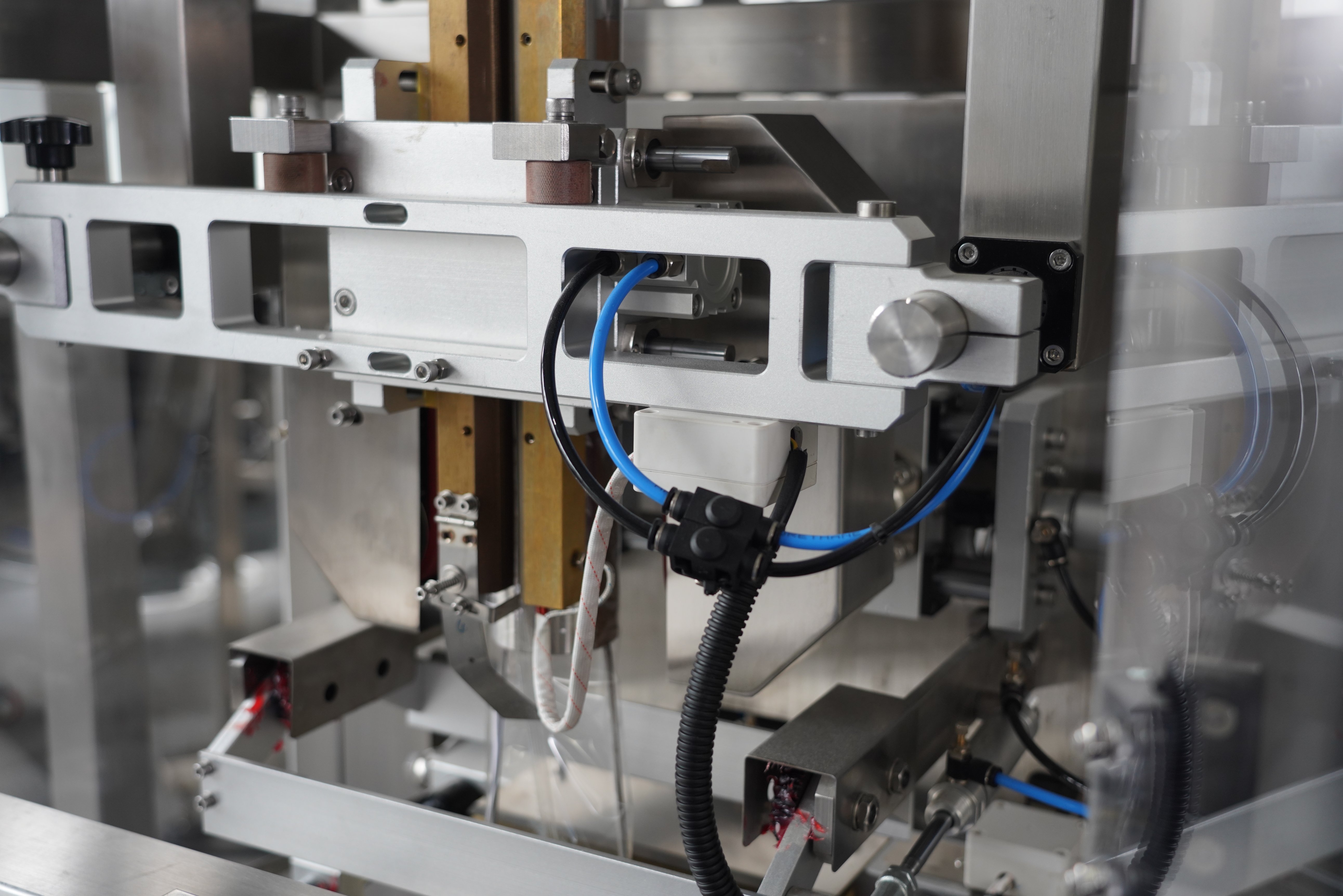
Selecting between a single and twin vertical bagger is one of the most critical decisions in packaging line design. A vertical bagger automates the process of forming bags from rollstock film, filling them with product, and sealing them in a continuous operation. The choice between single and twin configurations directly impacts production capacity, product versatility, space requirements, and capital investment. Understanding the distinct advantages and limitations of each configuration ensures you deploy the right technology for your specific operational needs.
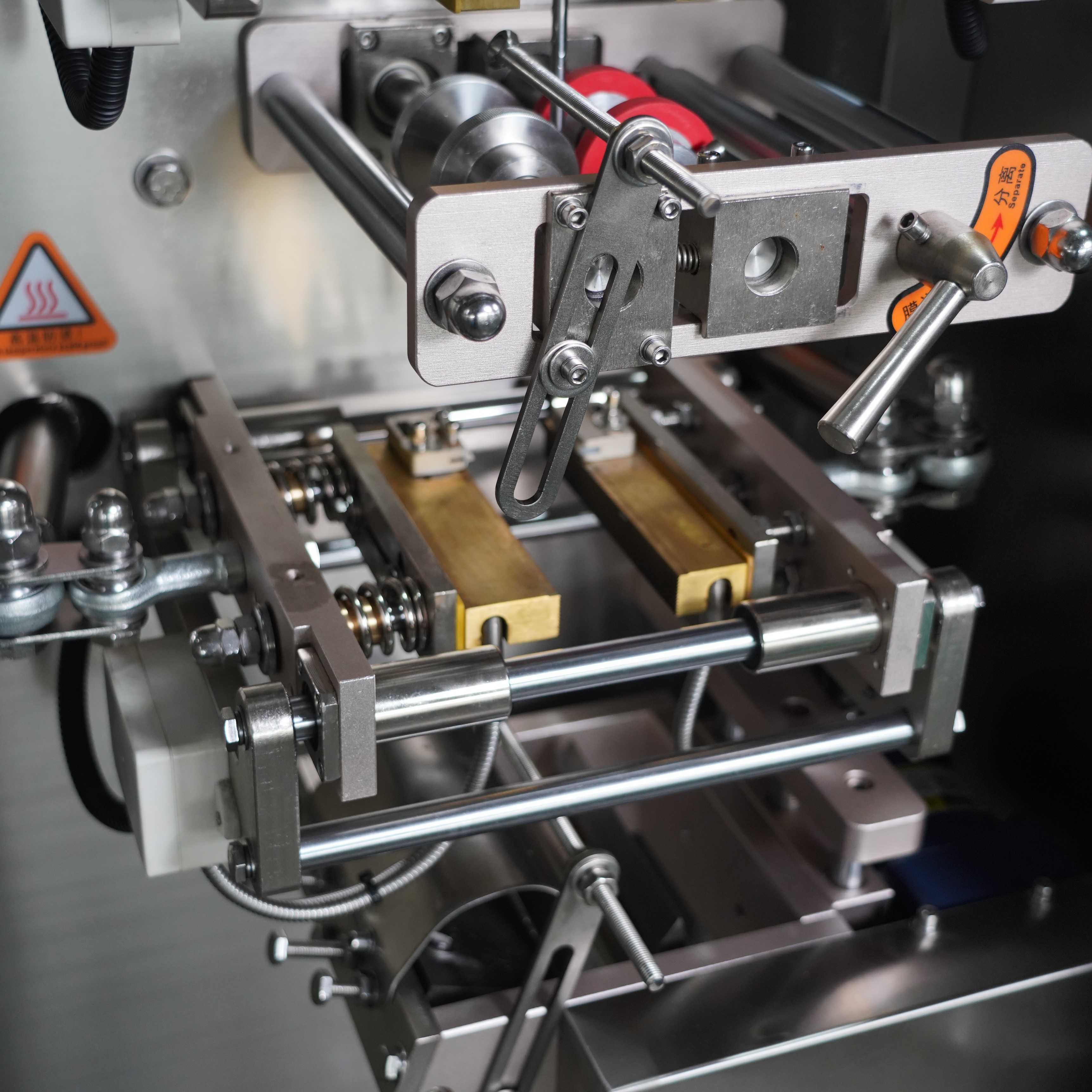
The decision to invest in a single or twin vertical bagger configuration depends on production volume, product range, floor space availability, and budget constraints. A vertical bagger equipped with dual forming stations can nearly double throughput compared to a single vertical bagger, yet the choice is not purely about speed. Cost per unit, reliability, maintenance access, and the flexibility to run multiple product formats simultaneously all factor into the selection process. This guide walks you through the key differences and helps you evaluate which configuration aligns with your production goals.
A single vertical bagger operates with one forming and filling station, processing one product stream continuously. The vertical bagger pulls film downward from a roll, creates a vertical seal along the edges, fills the resulting pocket with product, and seals the top before the bag is ejected. This straightforward workflow makes a single vertical bagger intuitive to operate and maintain. Operators interact with one primary control interface, one set of forming tooling, and one discharge point, reducing complexity and training requirements.
The single vertical bagger configuration is particularly effective for operations running long production batches of a single SKU. If your facility packages one core product repeatedly throughout the day, a single vertical bagger delivers consistent performance without changeover delays. The vertical bagger's compact footprint also suits smaller facilities or operations with limited floor space. Purchase cost is lower than twin configurations, making it accessible for startups and growing packaging operations.
A single vertical bagger typically delivers 40 to 100 bags per minute, depending on bag size and product characteristics. Smaller bags—such as snack sachets or spice pouches—reach the upper end of this range, while larger bags for bulk items run at slower speeds. The vertical bagger's speed is regulated by mechanical and control system limitations, including film feed precision, filling accuracy, and seal integrity requirements. Understanding your target throughput in bags per minute helps determine whether a single vertical bagger meets your baseline production demands.
A twin vertical bagger incorporates two independent forming, filling, and sealing stations operating simultaneously on a single machine frame. While a single vertical bagger processes one bag at a time, the twin vertical bagger configuration halves the cycle time per bag by distributing the workflow across two parallel stations. This architecture theoretically enables a twin vertical bagger to achieve 80 to 200 bags per minute, though actual throughput depends on product type and bag dimensions. The twin vertical bagger configuration is ideal for high-volume operations or facilities needing to run multiple product variants on the same machine without frequent changeovers.
The twin vertical bagger setup also provides operational flexibility. Because each station on the twin vertical bagger operates independently, you can configure them for different bag sizes or switch one station to a new SKU while the other continues running. This capability is especially valuable in contract packaging environments or facilities producing diverse product lines. A twin vertical bagger maximizes equipment utilization and reduces downtime associated with format changes.
A twin vertical bagger requires approximately 40 to 50 percent more floor space than a single vertical bagger, with a wider footprint to accommodate two forming towers. The twin vertical bagger also demands higher electrical capacity, typically 10 to 15 kilowatts depending on motor specifications and heating systems. Compressed air requirements for a twin vertical bagger are proportionally higher as well. Before selecting a twin vertical bagger, verify that your facility infrastructure—electrical service, compressed air supply, and available floor area—supports the additional demands.
Start by calculating your daily production volume in bags. If your facility requires 20,000 to 50,000 bags per day of a single format, a single vertical bagger operating one shift is usually sufficient. A vertical bagger running at 60 bags per minute produces 3,600 bags per hour or 28,800 bags in an eight-hour shift. Once daily volume exceeds 50,000 bags or if you require multiple SKUs, a twin vertical bagger becomes economically justified. The twin vertical bagger configuration often pays for itself within two to three years through reduced labor hours and increased throughput, making it the smarter long-term investment for growth-focused operations.
Evaluate seasonal volume fluctuations as well. If demand varies significantly throughout the year, a twin vertical bagger provides headroom to meet peak volume without overtime labor or outsourced packaging. Conversely, if your operation runs at consistent low volume with minimal growth projections, a single vertical bagger preserves capital for other equipment investments.
A vertical bagger requires tooling adjustments when switching between bag sizes or product formats. With a single vertical bagger, every format change triggers a complete machine stoppage, tooling swap, and verification run. If your facility packages five different SKUs daily, downtime and labor costs accumulate quickly. A twin vertical bagger mitigates this inefficiency by allowing you to dedicate one station to the primary product while reconfiguring the second station for a secondary format. The primary product on the twin vertical bagger continues running while tooling changes occur on the alternate station, dramatically reducing idle time.
Assess whether product diversity is permanent or temporary. If you occasionally run different products, stick with a single vertical bagger and accept scheduled changeovers. If format diversity is ongoing and integral to your business model, the twin vertical bagger's flexibility justifies the higher capital expenditure and operational complexity.
Initial purchase price is only one component of total cost. A single vertical bagger typically costs 30 to 40 percent less than a twin vertical bagger upfront. However, the twin vertical bagger's higher throughput reduces cost per bag manufactured. Calculate cost per unit by dividing the machine's total investment by projected annual production volume, accounting for maintenance, utilities, and labor. If a twin vertical bagger processes twice the volume with minimally higher labor cost, the per-unit economics favor the twin configuration for high-volume operations. For low-volume or emerging brands, the single vertical bagger's lower entry price and maintenance simplicity often align better with cash flow constraints.
The primary difference is throughput architecture. A single vertical bagger has one forming and filling station, processing one bag per cycle, while a twin vertical bagger operates two independent stations simultaneously. This makes a twin vertical bagger capable of roughly double the output, though it requires more space, power, and infrastructure support. A single vertical bagger is simpler to operate and maintain, while a twin vertical bagger provides flexibility for multi-SKU production and higher-volume demands.
Yes, one of the primary advantages of a twin vertical bagger is the ability to run two different products or formats simultaneously. Each station on the twin vertical bagger operates independently with its own film supply, filling hopper, and controls. This capability is invaluable for contract packagers and operations with diverse product portfolios. A single vertical bagger cannot offer this flexibility and requires complete shutdown and reconfiguration for each product change.
Evaluate your facility's daily production volume, product diversity, and growth trajectory. If you need more than 50,000 bags per day or regularly run multiple SKUs, a twin vertical bagger becomes cost-effective. If current volume is under 30,000 bags daily of consistent formats, a single vertical bagger may be the better choice. Consider consulting with equipment specialists to model production scenarios and compare long-term return on investment for your specific operational profile.
2026/09/20
Premade Pouch Machines: Reduce Film Waste, Cut TCO & Achieve Faster ROI
2026/09/20
Cut Premade Pouch Machine Changeover Time by 40% with Proven Best Practices
2026/09/20
Premade Pouch Machines: Boost Throughput, Cut Waste & Improve ROI
2026/09/20
Rotary vs Inline Premade Pouch Machines: Speed, ROI & Scalability Compared
2026/09/20
Premade Pouch Machine: Boost Throughput, Cut Labor Costs & Improve Seal Integrity
2026/09/21
Premade Pouch Machine: Pouch Types, Materials & Filling Guide