EN
How to Reduce Film Waste with a Premade Pouch Packaging Machine?
2026/09/20
Premade Pouch Machines: Reduce Film Waste, Cut TCO & Achieve Faster ROI

2026/10/22
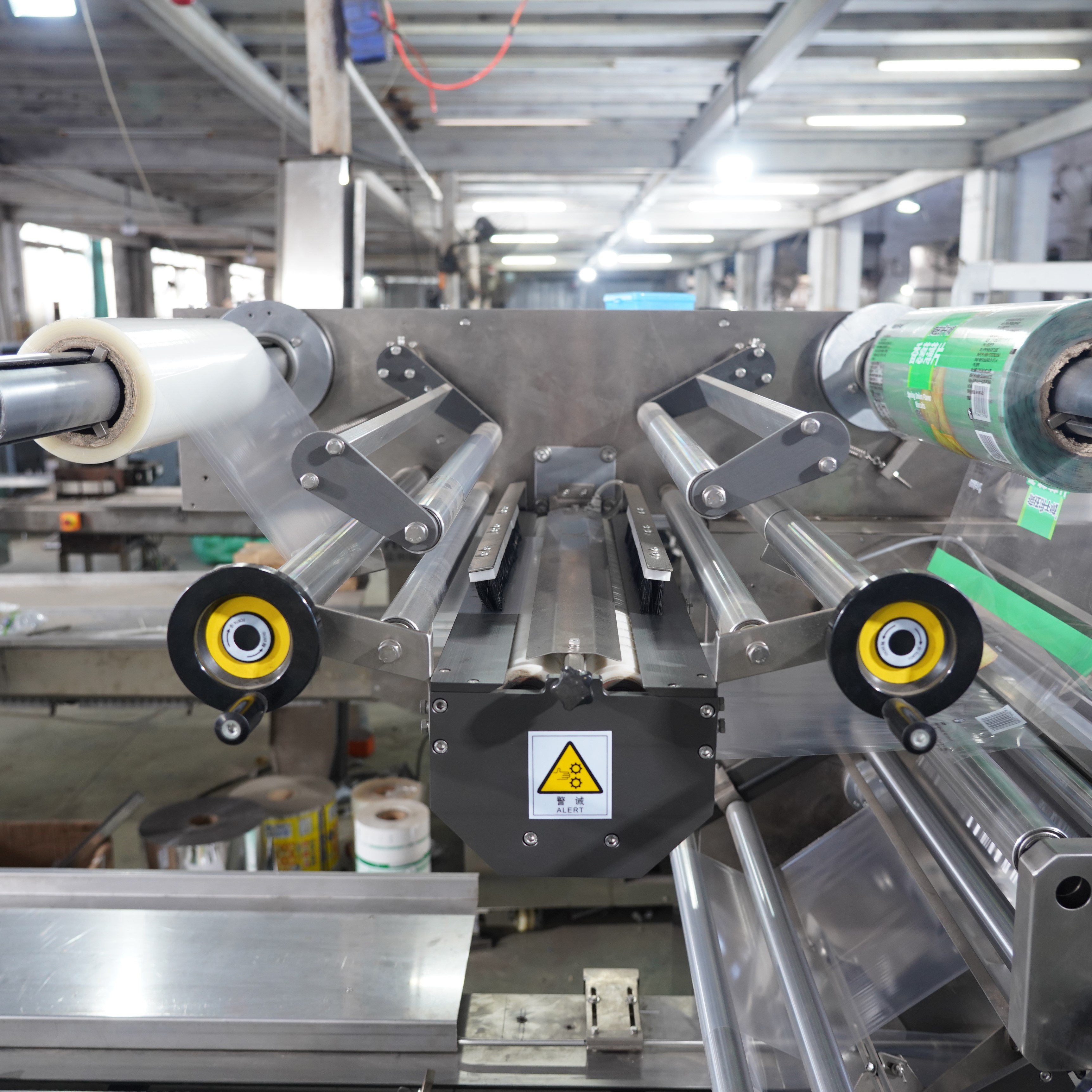
Selecting the appropriate film for your flow wrap machine is one of the most critical decisions in cold product packaging. The right flow wrap machine film directly impacts product quality, shelf appeal, and operational efficiency. When working with cold products such as frozen foods, refrigerated items, or chilled beverages, the film choice becomes even more complex because low temperatures affect film flexibility, seal integrity, and overall machine performance.
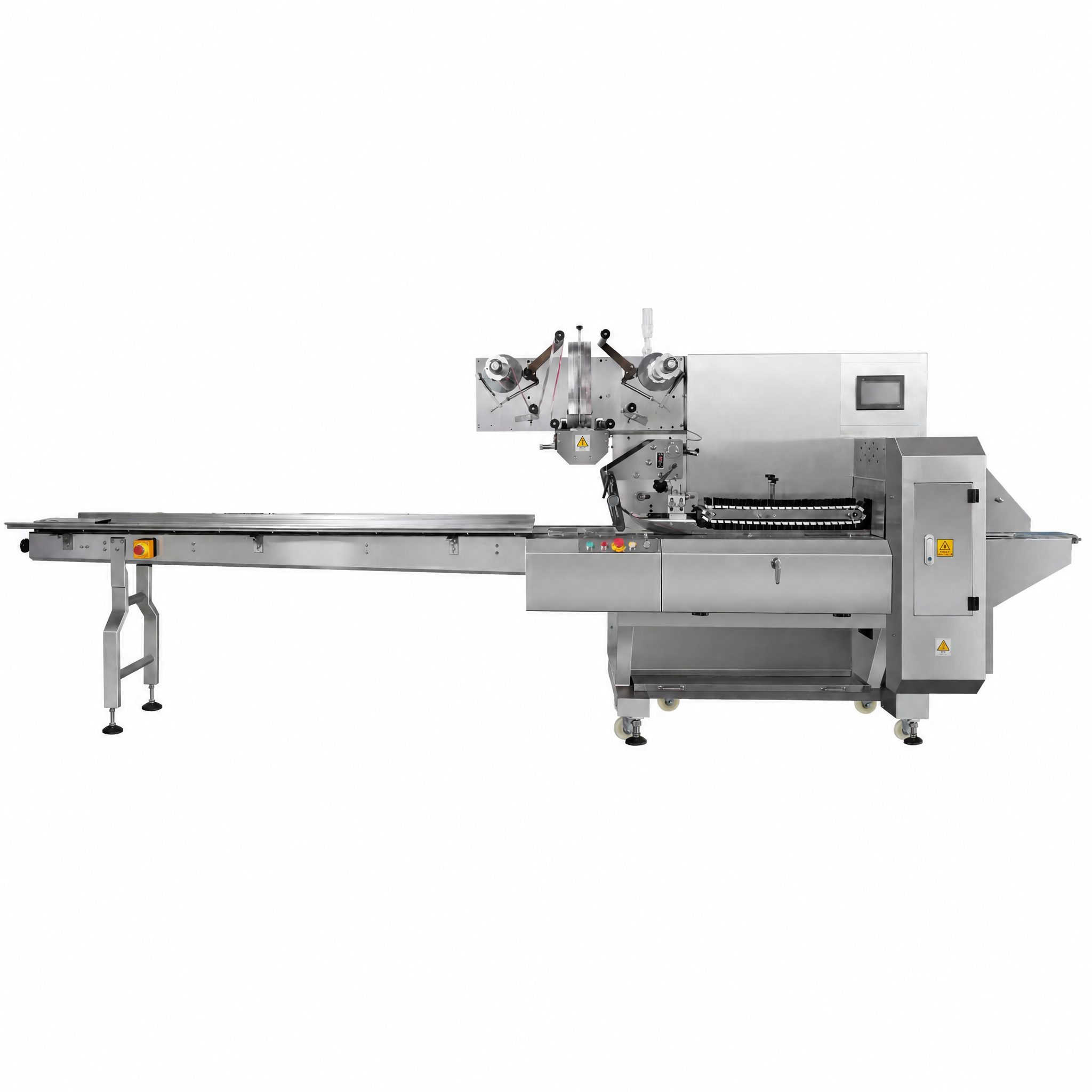
A flow wrap machine operates by wrapping products in a continuous film roll, sealing all edges to create a protective barrier. For cold products, understanding how temperature fluctuations affect your chosen film's performance is essential. This guide explores the key factors to consider when selecting flow wrap machine film, ensuring your packaging maintains product integrity while optimizing your production line.
The most common materials used in flow wrap machine applications are polyethylene and polypropylene. Polyethylene film offers excellent flexibility and puncture resistance, making it suitable for many cold product packaging needs. Polypropylene, by contrast, provides superior clarity and stiffness, which enhances shelf presentation. When operating a flow wrap machine with cold products, polyethylene remains the preferred choice because it maintains flexibility at low temperatures, whereas polypropylene can become brittle in freezing conditions. Your flow wrap machine film selection should prioritize the material that performs optimally throughout your entire cold chain supply cycle.
Advanced flow wrap machine film often incorporates barrier layers that protect against oxygen and moisture penetration. For cold products, these layers are crucial because condensation forms when frozen items transition between cold storage and warmer environments. A quality flow wrap machine film with proper barrier technology prevents this moisture from compromising product quality or causing label degradation. Metalized films and coated structures enhance barrier properties significantly, though they require specific heat-sealing adjustments on your flow wrap machine. Evaluate your flow wrap machine capabilities before selecting barrier-enhanced films to ensure compatibility.
The integrity of your seals directly determines product shelf life and protection. A flow wrap machine depends on consistent heat application to create secure seals, yet cold films behave differently than standard films during the sealing process. Low-temperature environments cause film contraction, which can weaken seals if your flow wrap machine settings remain unchanged. You must choose flow wrap machine film that maintains seal strength even when exposed to freezing conditions before and after packaging. Test your specific flow wrap machine settings with candidate films under actual cold storage conditions to verify seal reliability and prevent future product failure.
Every flow wrap machine film has a defined operating temperature range. Cold products require film that performs reliably from the freezer temperature through ambient warehouse conditions during storage and transport. Your flow wrap machine film should maintain flexibility and seal integrity across at least minus twenty to plus forty degrees Celsius. Films rated for this expanded temperature range cost slightly more but prevent production failures and product loss. Verify the manufacturer's specifications before purchasing your flow wrap machine film, and request test data specific to your cold storage temperatures.
Film thickness significantly affects both performance and cost. A flow wrap machine operating at high speeds requires film with sufficient strength to prevent breaks and jams. For cold products, thicker film generally provides better puncture resistance and moisture barrier properties. Standard flow wrap machine film ranges from 20 to 45 microns, with cold applications typically using 30 to 40 microns. Thinner film reduces material costs but increases breakage risk on your flow wrap machine, particularly during winter months when temperature shifts stress the material. Thicker film provides stability but slows your flow wrap machine speed slightly and increases packaging costs.
Your flow wrap machine must be properly configured for each film type you select. Cold-resistant flow wrap machine film often requires temperature adjustments because cold film behaves differently during sealing. The heat roller settings, pressure levels, and sealing time all impact how effectively your flow wrap machine seals the film edges. Before switching to a new cold-compatible flow wrap machine film, conduct test runs to establish optimal settings. Document these settings because seasonal temperature changes may require minor adjustments to your flow wrap machine parameters. Professional training on your specific flow wrap machine model ensures your team understands these adjustments and maintains consistent output quality.
For frozen foods, flow wrap machine film between 30 and 40 microns provides optimal balance between protection and cost efficiency. Thicker film handles the stress of freezing temperatures better, reducing seal failures and product damage. Your flow wrap machine should be capable of running this thickness without significant speed reduction or mechanical strain. Most modern flow wrap machine models accommodate this range without modification.
Cold temperatures cause film contraction and reduced tackiness, both of which challenge your flow wrap machine's sealing process. The film becomes less flexible and may crack if compressed too forcefully. Your flow wrap machine must compensate by increasing heat application and dwell time to ensure proper seal formation. Cold-specific films are designed to compensate for these temperature effects, maintaining seal strength despite the challenging environment that a flow wrap machine encounters.
Barrier film provides significant advantages for refrigerated products because condensation and temperature cycling accelerate product degradation. A flow wrap machine working with barrier film protects against oxygen ingress and moisture transfer, extending shelf life considerably. The investment in premium barrier-coated flow wrap machine film typically justifies itself through reduced product spoilage and improved customer satisfaction. Evaluate your specific product shelf life requirements before deciding whether your flow wrap machine should use standard or barrier-enhanced film.
2026/09/20
Premade Pouch Machines: Reduce Film Waste, Cut TCO & Achieve Faster ROI
2026/09/20
Cut Premade Pouch Machine Changeover Time by 40% with Proven Best Practices
2026/09/20
Premade Pouch Machines: Boost Throughput, Cut Waste & Improve ROI
2026/09/20
Rotary vs Inline Premade Pouch Machines: Speed, ROI & Scalability Compared
2026/09/20
Premade Pouch Machine: Boost Throughput, Cut Labor Costs & Improve Seal Integrity
2026/09/21
Premade Pouch Machine: Pouch Types, Materials & Filling Guide