 EN
How to Reduce Film Waste with a Premade Pouch Packaging Machine?
2026/09/20
Premade Pouch Machines: Reduce Film Waste, Cut TCO & Achieve Faster ROI

2026/10/01
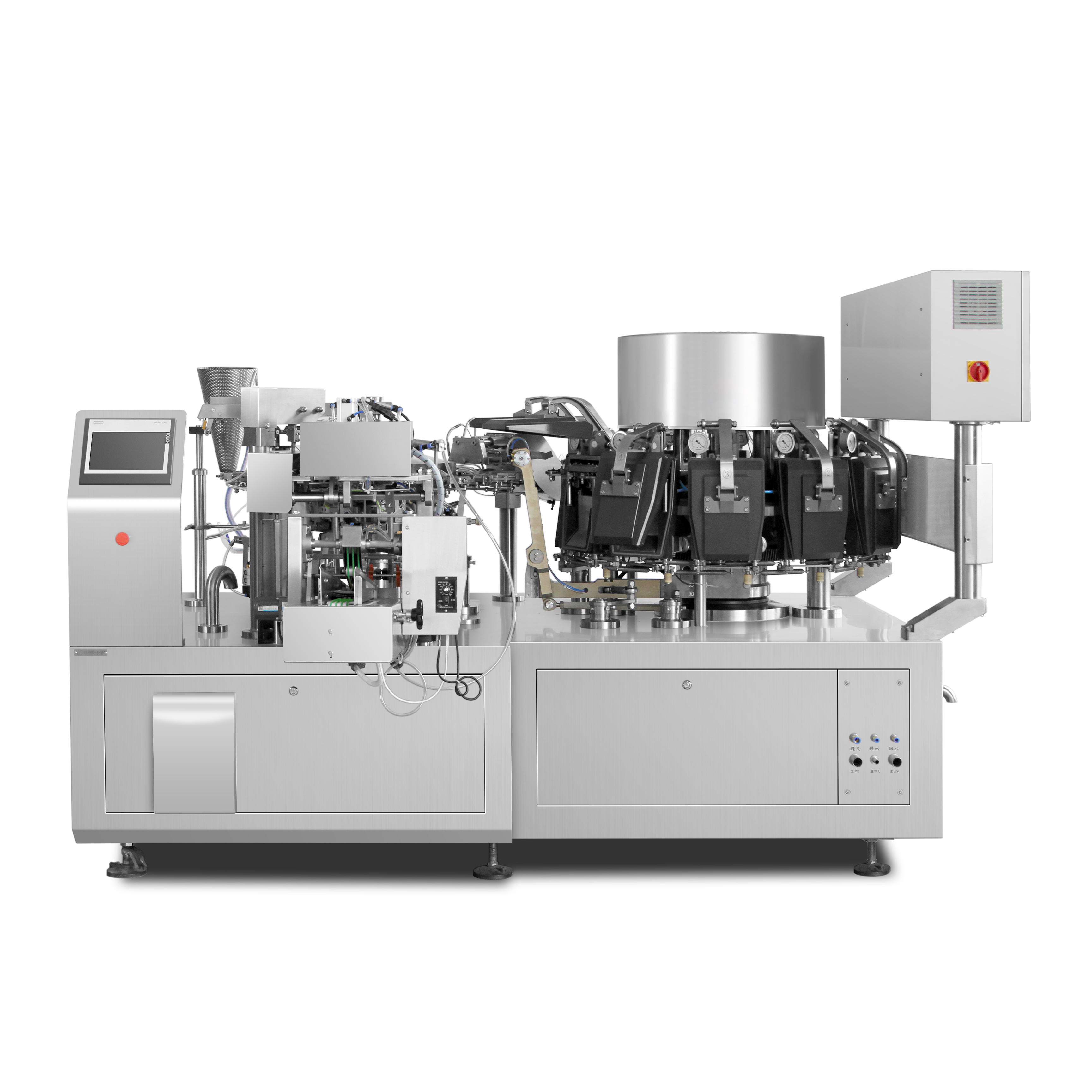
Selecting the appropriate rotary vacuum packaging machine is one of the most critical decisions for any food processing or industrial packaging operation. The size and capacity of your rotary vacuum packaging machine directly impact production efficiency, product quality, and long-term profitability. A rotary vacuum packaging machine that is too small will create bottlenecks and limit your output, while one that is oversized may waste energy and floor space. Understanding how to choose the right rotary vacuum packaging machine size requires careful evaluation of your production volume, product dimensions, and operational requirements.
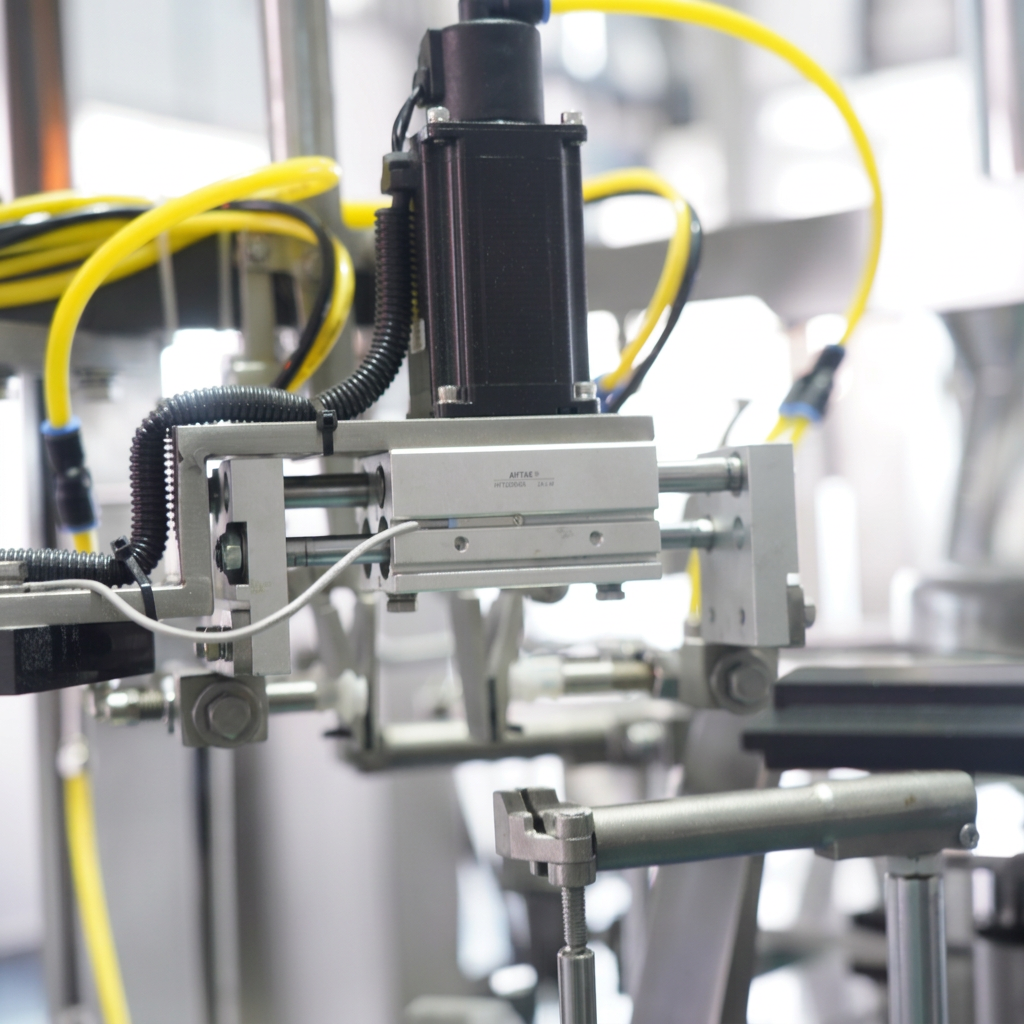
The rotary vacuum packaging machine market offers numerous size configurations to serve different industries, from small artisanal producers to large-scale manufacturing facilities. A rotary vacuum packaging machine comes in compact, mid-range, and industrial-grade models, each designed to handle specific production demands. By matching your rotary vacuum packaging machine specifications to your actual business requirements, you ensure optimal performance and return on investment.
Your daily production volume is the fundamental starting point for selecting a rotary vacuum packaging machine. Calculate your expected packages per day, then add a buffer of 20 to 30 percent to account for peak demand periods and seasonal fluctuations. A rotary vacuum packaging machine with a capacity of 40 to 60 packages per minute suits small to medium operations, while larger facilities may require a rotary vacuum packaging machine capable of processing 100 or more packages daily.
When choosing a rotary vacuum packaging machine, avoid the temptation to purchase the smallest available model that meets current needs. Business growth often outpaces expectations, and upgrading your rotary vacuum packaging machine later is costly and disruptive. Consider a mid-sized rotary vacuum packaging machine that provides headroom for expansion without excessive energy costs or floor space consumption. This balanced approach protects your investment and maintains operational flexibility.
The rotary vacuum packaging machine must accommodate the specific bag sizes and product dimensions your business requires. Measure the maximum width, length, and thickness of your products and packaging materials. A rotary vacuum packaging machine chamber should provide adequate space for your largest items while maintaining efficient sealing and vacuum integrity. Ensure the rotary vacuum packaging machine's heat seal bars and vacuum chambers are sized proportionally to your products to prevent damage, uneven sealing, or wasted vacuum capacity.
Different products require different packaging materials, and your rotary vacuum packaging machine must handle them consistently. A rotary vacuum packaging machine designed for delicate foods like cheese or seafood differs from one engineered for dry goods or industrial components. Verify that your chosen rotary vacuum packaging machine offers adjustable vacuum levels, dwell time controls, and sealing temperature settings to accommodate various material types and product sensitivities. The right rotary vacuum packaging machine balances reliability with flexibility.
A rotary vacuum packaging machine occupies significant floor space, so measure your facility carefully before purchasing. Compact models of a rotary vacuum packaging machine fit into smaller operations, while rotary vacuum packaging machine systems with multiple chambers or integrated conveyor systems require dedicated production areas. Ensure your facility provides adequate space for the rotary vacuum packaging machine, operator access, maintenance clearance, and incoming product staging. Poor layout planning can reduce the efficiency gains that a properly sized rotary vacuum packaging machine should deliver.
A rotary vacuum packaging machine varies significantly in power consumption based on its size and features. Smaller models consume 3 to 5 kilowatts, while larger rotary vacuum packaging machine systems may require 10 to 15 kilowatts or more. Verify your facility's electrical capacity before finalizing your rotary vacuum packaging machine purchase, as inadequate power supply can force expensive infrastructure upgrades. Additionally, a rotary vacuum packaging machine requires regular maintenance and spare parts availability, so choose a rotary vacuum packaging machine model supported by reliable service networks.
A rotary vacuum packaging machine typically processes 30 to 120 bags per minute, depending on bag size, seal complexity, and product type. Entry-level rotary vacuum packaging machine models operate at the lower end of this range, while industrial-grade systems achieve higher speeds. When evaluating a rotary vacuum packaging machine, confirm that stated speeds apply to your specific product and bag dimensions, not just ideal conditions.
While minor upgrades like improved vacuum pumps or additional heat seal elements are possible on some models, a rotary vacuum packaging machine cannot be fundamentally enlarged. Replacing your rotary vacuum packaging machine entirely is more cost-effective than attempting complex modifications. Starting with a properly sized rotary vacuum packaging machine avoids costly replacement cycles and production disruptions down the road.
Bag size directly determines the chamber dimensions, seal bar width, and overall footprint of your rotary vacuum packaging machine. A rotary vacuum packaging machine designed for small bags operates differently from one engineered for large format packaging. Your rotary vacuum packaging machine supplier should verify that the machine accommodates your standard bag sizes and can efficiently seal your product without waste or quality issues.

2026/09/20
Premade Pouch Machines: Reduce Film Waste, Cut TCO & Achieve Faster ROI

2026/09/20
Cut Premade Pouch Machine Changeover Time by 40% with Proven Best Practices

2026/09/20
Premade Pouch Machines: Boost Throughput, Cut Waste & Improve ROI

2026/09/20
Rotary vs Inline Premade Pouch Machines: Speed, ROI & Scalability Compared

2026/09/20
Premade Pouch Machine: Boost Throughput, Cut Labor Costs & Improve Seal Integrity

2026/09/21
Premade Pouch Machine: Pouch Types, Materials & Filling Guide

