 EN
How to Reduce Film Waste with a Premade Pouch Packaging Machine?
2026/09/20
Premade Pouch Machines: Reduce Film Waste, Cut TCO & Achieve Faster ROI

2026/10/16
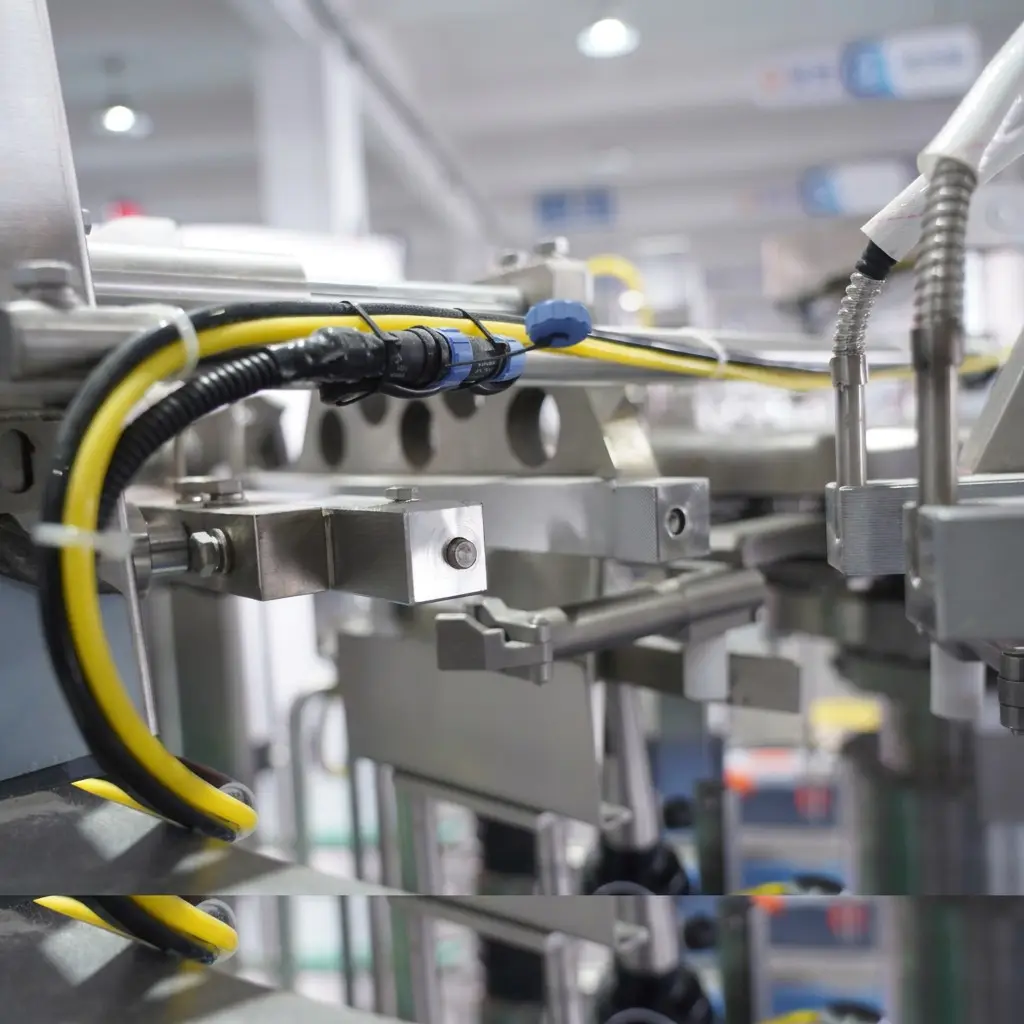
Maintaining a pillow packing machine between batches is critical for operational efficiency and product quality. Regular cleaning prevents residue buildup, reduces contamination risk, and extends equipment lifespan significantly. A well-maintained pillow packing machine operates smoothly, minimizes downtime, and ensures consistent packaging standards across production runs. Proper cleaning protocols also reduce maintenance costs by preventing mechanical wear and component degradation.
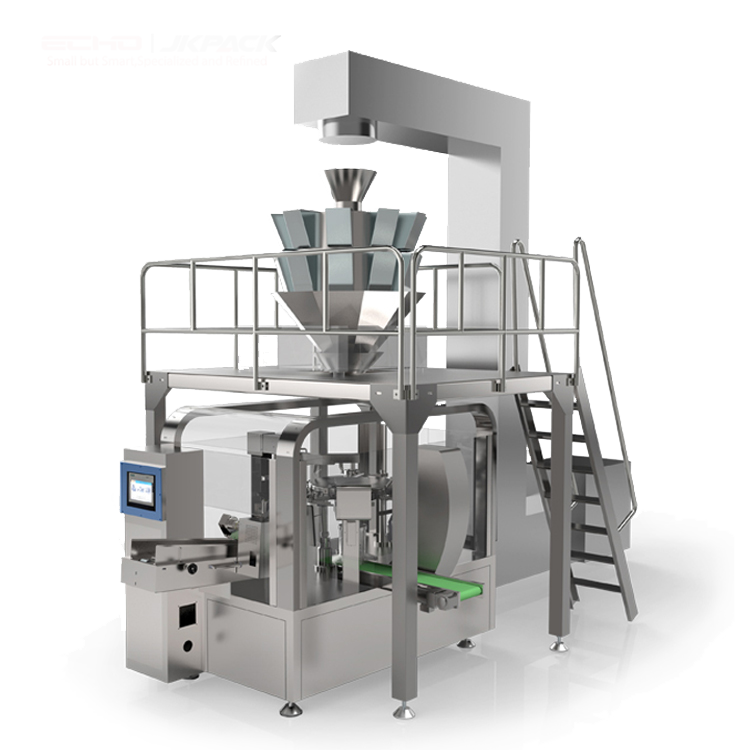
The process of cleaning a pillow packing machine between batches involves multiple steps that must be executed systematically to achieve optimal results. Understanding each stage ensures you remove contaminants effectively while protecting sensitive machine components from damage. This comprehensive guide walks through the essential procedures, best practices, and safety considerations for maintaining your pillow packing machine in peak working condition throughout the production day.
Before starting any cleaning routine, your pillow packing machine must be completely powered down and allowed to cool. This critical step prevents electrical hazards, thermal burns, and accidental equipment activation during cleaning. Allow at least 15 to 30 minutes for a pillow packing machine to cool after heavy production runs, ensuring all moving components come to rest and internal temperatures drop to safe levels.
Conduct a visual inspection of your pillow packing machine to identify where product residue has accumulated. Common areas include filling chutes, sealing bars, product guides, and belt surfaces. Different pillow filling materials leave different residue patterns, so inspect your specific pillow packing machine thoroughly. Check for dust, crumbs, oil buildup, and any material fragments that could contaminate the next batch.
Use compressed air or a soft-bristle brush to remove loose particles from your pillow packing machine. Direct the compressed air across filling hoppers, sealing areas, and conveyor belts. Work methodically from top to bottom so debris falls away from the machine rather than settling on cleaned surfaces. Never use excessive air pressure that could damage delicate sensors or drive components of your pillow packing machine.
The sealing bars and forming jaws of your pillow packing machine experience the most direct contact with filling material. Use a lint-free cloth slightly dampened with approved cleaning solution to wipe these surfaces. For stubborn residue on your pillow packing machine, apply mild heat with a heat gun to soften buildup before wiping. Never soak sealing components, as moisture entering electrical connections can cause equipment failure.
Conveyor belts and chain drives require regular sanitization to prevent cross-contamination between batches. Run your pillow packing machine at slow speed with a damp cloth against the belt surface to capture residual material. For heavily soiled belts on your pillow packing machine, use approved food-grade cleaning agents diluted with water. Ensure all cleaning solutions dry completely before resuming production to avoid slipping hazards.
After cleaning your pillow packing machine, verify that all mechanical components move freely and smoothly. Rotate the main drive shaft by hand to ensure no debris blocks movement. Listen for unusual grinding or scraping sounds that indicate remaining contamination inside your pillow packing machine. Test all actuators and pneumatic systems to confirm responsive operation without hesitation.
Apply manufacturer-recommended lubricants to pivot points, bearings, and chain drives on your pillow packing machine. Use only approved lubricants that won't attract dust or interfere with product quality. Wipe away excess oil to keep your pillow packing machine clean and prevent slipping hazards. Perform a complete visual inspection before restarting production to confirm your pillow packing machine is ready for the next batch.
Run your pillow packing machine through a short test cycle with empty packaging materials before processing products again. Monitor for any unusual sounds, vibrations, or misalignment during this test. Check that sealing quality meets specifications and all sensors respond correctly. Only resume full production with your pillow packing machine once the test run confirms proper operation.
Clean your pillow packing machine between every batch to prevent contamination and residue buildup. For high-volume production runs, additional quick cleaning sessions during breaks can prevent material accumulation. The exact frequency depends on your pillow packing machine's design, product type, and production schedule, but regular inter-batch cleaning is essential for maintaining hygiene standards and equipment performance.
Use food-grade, machine-approved cleaning agents specifically formulated for food packaging equipment. Avoid harsh chemicals that corrode metal components or leave residues on your pillow packing machine. Always consult your equipment manual for approved cleaning products and dilution ratios before applying any solution to your pillow packing machine. Test new cleaning agents on inconspicuous areas first to ensure compatibility.
Compressed air is generally safe for your pillow packing machine when used with appropriate pressure settings. However, excessive pressure can dislodge delicate sensors or force debris deeper into mechanical assemblies of your pillow packing machine. Use low to moderate air pressure settings, maintain distance from sensitive components, and direct airflow away from sealed electrical connections on your pillow packing machine. Always follow manufacturer guidelines for safe air pressure ranges.

2026/09/20
Premade Pouch Machines: Reduce Film Waste, Cut TCO & Achieve Faster ROI

2026/09/20
Cut Premade Pouch Machine Changeover Time by 40% with Proven Best Practices

2026/09/20
Premade Pouch Machines: Boost Throughput, Cut Waste & Improve ROI

2026/09/20
Rotary vs Inline Premade Pouch Machines: Speed, ROI & Scalability Compared

2026/09/20
Premade Pouch Machine: Boost Throughput, Cut Labor Costs & Improve Seal Integrity

2026/09/21
Premade Pouch Machine: Pouch Types, Materials & Filling Guide

