 EN
How to Reduce Film Waste with a Premade Pouch Packaging Machine?
2026/09/20
Premade Pouch Machines: Reduce Film Waste, Cut TCO & Achieve Faster ROI

2026/09/30
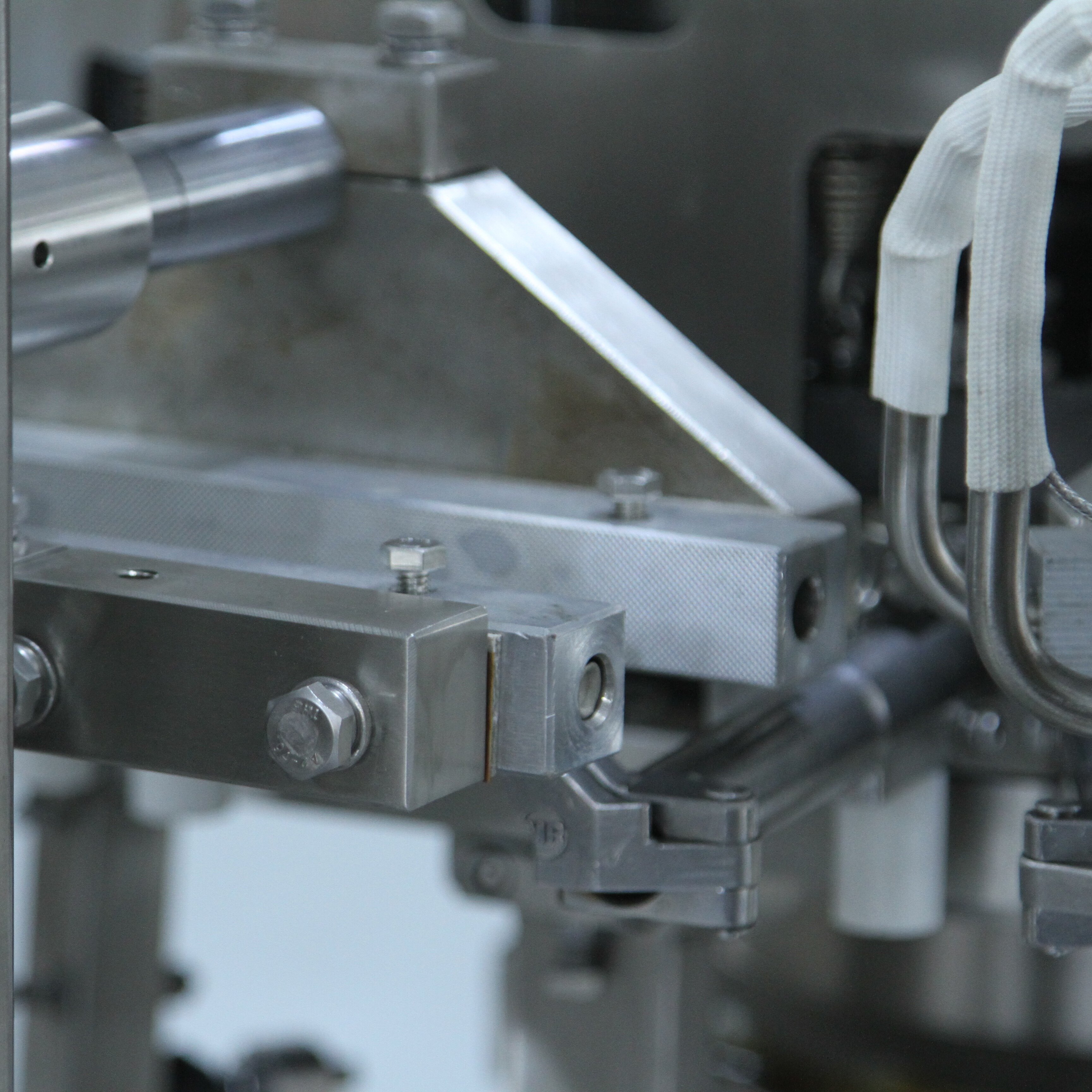
Maintaining a rotary pouch packing machine between production runs is critical for ensuring consistent product quality, extending equipment lifespan, and meeting strict hygiene standards across food, pharmaceutical, and chemical manufacturing sectors. Regular cleaning of a rotary pouch packing machine prevents residue buildup, contamination, and mechanical wear that can lead to costly downtime and quality issues. Whether you operate a high-speed rotary pouch packing machine in a busy production facility or manage intermittent packaging operations, understanding the proper cleaning protocols ensures your equipment performs reliably and safely throughout each production day.
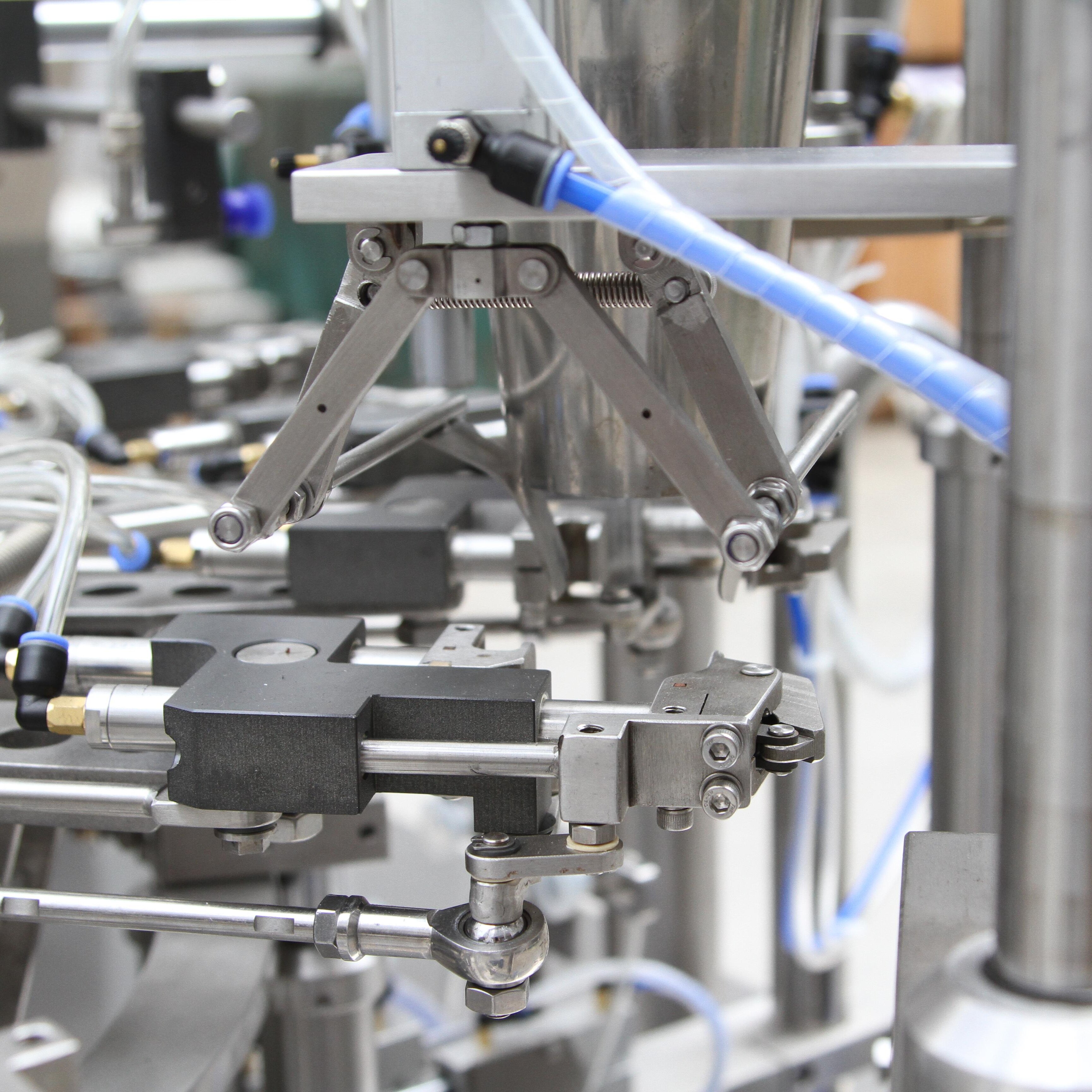
Between production runs, a rotary pouch packing machine accumulates various contaminants including product residue, dust, oil, and moisture that can compromise the next batch of products. The cleaning process must be systematic and thorough to address all accessible surfaces, sealing components, filling nozzles, and conveyor elements. Understanding the specific design of your rotary pouch packing machine, including its material composition and seal mechanisms, allows you to select appropriate cleaning agents and methods that remove contaminants without damaging precision components or causing premature wear to critical parts.
A rotary pouch packing machine contains multiple zones where product residue and contamination accumulate most heavily. The filling nozzles and tube forming mandrels of a rotary pouch packing machine come into direct contact with product material and require meticulous cleaning to prevent cross-contamination between runs. The sealing head and jaw assemblies also trap product particles that can cause seal failures or pouch defects if not removed thoroughly. The rotary pouch packing machine's conveyor system, including the belt or chain drive and support rollers, accumulates dust and dried product that can lead to uneven product flow and misalignment during subsequent production cycles. Additionally, the pouches themselves may leave behind debris around the pouch feed system and forming tube of a rotary pouch packing machine, making these areas priority zones during cleaning intervals.
Before cleaning your rotary pouch packing machine, verify the material compatibility of all cleaning agents with the equipment's construction materials, including stainless steel, aluminum, and plastic components. Corrosive or abrasive cleaners can damage seals, gaskets, and precision-machined surfaces on a rotary pouch packing machine, leading to leaks and reduced seal integrity. Always consult the equipment manufacturer's guidelines for your specific rotary pouch packing machine model to identify approved cleaning solutions and methods. Ensure adequate ventilation when using chemical cleaners, and always allow a rotary pouch packing machine to cool sufficiently before beginning the cleaning process to prevent thermal shock and burns. Wearing appropriate protective equipment, including gloves and eye protection, is essential when handling cleaning agents around a rotary pouch packing machine.
Begin cleaning your rotary pouch packing machine by thoroughly inspecting all visible surfaces for residual product, dust, and debris accumulation. Use compressed air and soft-bristled brushes to remove loose particles from the exterior and accessible internal areas of a rotary pouch packing machine, including the forming tube and filling zone. Pay special attention to crevices, seams, and tight spaces where product can hide and fossilize during the next production run. For a rotary pouch packing machine operating with dry products, compressed air often removes most residue effectively without requiring liquid cleaning agents. Document any areas where product buildup is excessive or difficult to remove, as these may indicate seal wear or misalignment that requires service attention on your rotary pouch packing machine.
After removing loose material, proceed with wet cleaning of your rotary pouch packing machine using a solution appropriate to the product type and machine materials. For a rotary pouch packing machine handling food products, use food-safe, approved cleaning agents that effectively dissolve oils and residues without leaving harmful residues themselves. Apply the cleaning solution to all contact surfaces of a rotary pouch packing machine, including the filling nozzles, sealing components, and product hopper, allowing adequate contact time for the solution to penetrate and break down stubborn residue. Use soft cloths, sponges, and non-abrasive brushes to gently scrub surfaces on a rotary pouch packing machine, avoiding scratching or gouging precision components. For a rotary pouch packing machine with complex internal geometries, consider using low-pressure water spray systems or ultrasonic cleaning modules to reach otherwise inaccessible areas without disassembling the equipment.
Once wet cleaning is complete, thoroughly dry all components of your rotary pouch packing machine using clean, lint-free cloths and compressed air to prevent moisture-related corrosion and electrical hazards. Pay particular attention to sealing components and electrical connection points on a rotary pouch packing machine, as residual moisture can compromise performance and safety. Apply manufacturer-approved lubricants to moving parts and cam mechanisms of a rotary pouch packing machine as specified in the equipment manual, taking care not to over-apply lubricant which can attract dust and reduce seal effectiveness. Conduct a final visual inspection of a rotary pouch packing machine to confirm all cleaning residue has been removed and all components are dry before resuming production. Verify that seals are properly seated and no debris remains in critical areas of a rotary pouch packing machine before running a test cycle with empty pouches to confirm proper operation.
The optimal cleaning frequency for a rotary pouch packing machine depends on product type, moisture content, production duration, and facility environment. High-speed rotary pouch packing machine operations with sticky or oily products may require cleaning after every production shift, while dry product applications may allow daily or twice-daily intervals. Establish a documented cleaning schedule for your rotary pouch packing machine that balances thorough decontamination with operational efficiency, and assign responsibility to specific team members. Maintain a maintenance log for a rotary pouch packing machine that records cleaning dates, observed conditions, parts requiring attention, and any seal failures or performance issues noted during or after cleaning. This rotary pouch packing machine documentation helps identify patterns in equipment degradation and informs decisions about preventive maintenance, parts replacement, and operational scheduling.
Implementing preventive measures reduces the cleaning burden on a rotary pouch packing machine and extends the interval between deep cleaning sessions. Use strainer screens or pre-filtration systems on product hoppers connected to your rotary pouch packing machine to prevent oversized particles from entering filling mechanisms. Maintain proper product feed consistency and hopper levels on a rotary pouch packing machine to minimize spillage and material escape during operation. Isolate a rotary pouch packing machine from dust and environmental contaminants through proper facility design, air filtration, and personnel protocols in production areas. Regular training for operators of a rotary pouch packing machine ensures consistent handling practices that minimize product spillage and damage to sensitive components. Promptly address any seal leaks, worn components, or misalignment issues on a rotary pouch packing machine to prevent secondary contamination and reduce overall cleaning difficulty between runs.
The cleaning duration for a rotary pouch packing machine typically ranges from 15 to 45 minutes, depending on the product type, residue complexity, and the specific design of your rotary pouch packing machine. Dry product applications usually require less time than sticky or oily products, and a rotary pouch packing machine with accessible, simplified design cleans faster than complex models with multiple internal chambers. Planning adequate time in your production schedule for a rotary pouch packing machine cleaning ensures quality outcomes without rushing through essential decontamination steps.
Using universal cleaning solutions for a rotary pouch packing machine is generally not recommended, particularly when switching between food, pharmaceutical, and chemical products. Each product category has specific contamination characteristics, and a rotary pouch packing machine requires compatible cleaning agents that effectively remove residues without leaving harmful traces. Consult the equipment manufacturer's guidelines for your rotary pouch packing machine to identify approved solutions for each product type you process, and maintain separate cleaning protocols when necessary to ensure regulatory compliance and product safety.
If a rotary pouch packing machine exhibits persistent seal leaks, uneven pouch formation, incomplete seals, or product spillage despite thorough cleaning, professional service may be required to address underlying mechanical issues. Visible wear, damaged sealing jaws, misaligned components, or unusual sounds from a rotary pouch packing machine indicate that standard cleaning alone cannot resolve problems, and qualified technicians should inspect the equipment. Regular cleaning of a rotary pouch packing machine helps identify these issues early, allowing you to schedule preventive maintenance before performance degradation affects production quality.

2026/09/20
Premade Pouch Machines: Reduce Film Waste, Cut TCO & Achieve Faster ROI

2026/09/20
Cut Premade Pouch Machine Changeover Time by 40% with Proven Best Practices

2026/09/20
Premade Pouch Machines: Boost Throughput, Cut Waste & Improve ROI

2026/09/20
Rotary vs Inline Premade Pouch Machines: Speed, ROI & Scalability Compared

2026/09/20
Premade Pouch Machine: Boost Throughput, Cut Labor Costs & Improve Seal Integrity

2026/09/21
Premade Pouch Machine: Pouch Types, Materials & Filling Guide

