 EN
How to Reduce Film Waste with a Premade Pouch Packaging Machine?
2026/09/20
Premade Pouch Machines: Reduce Film Waste, Cut TCO & Achieve Faster ROI

2026/10/25
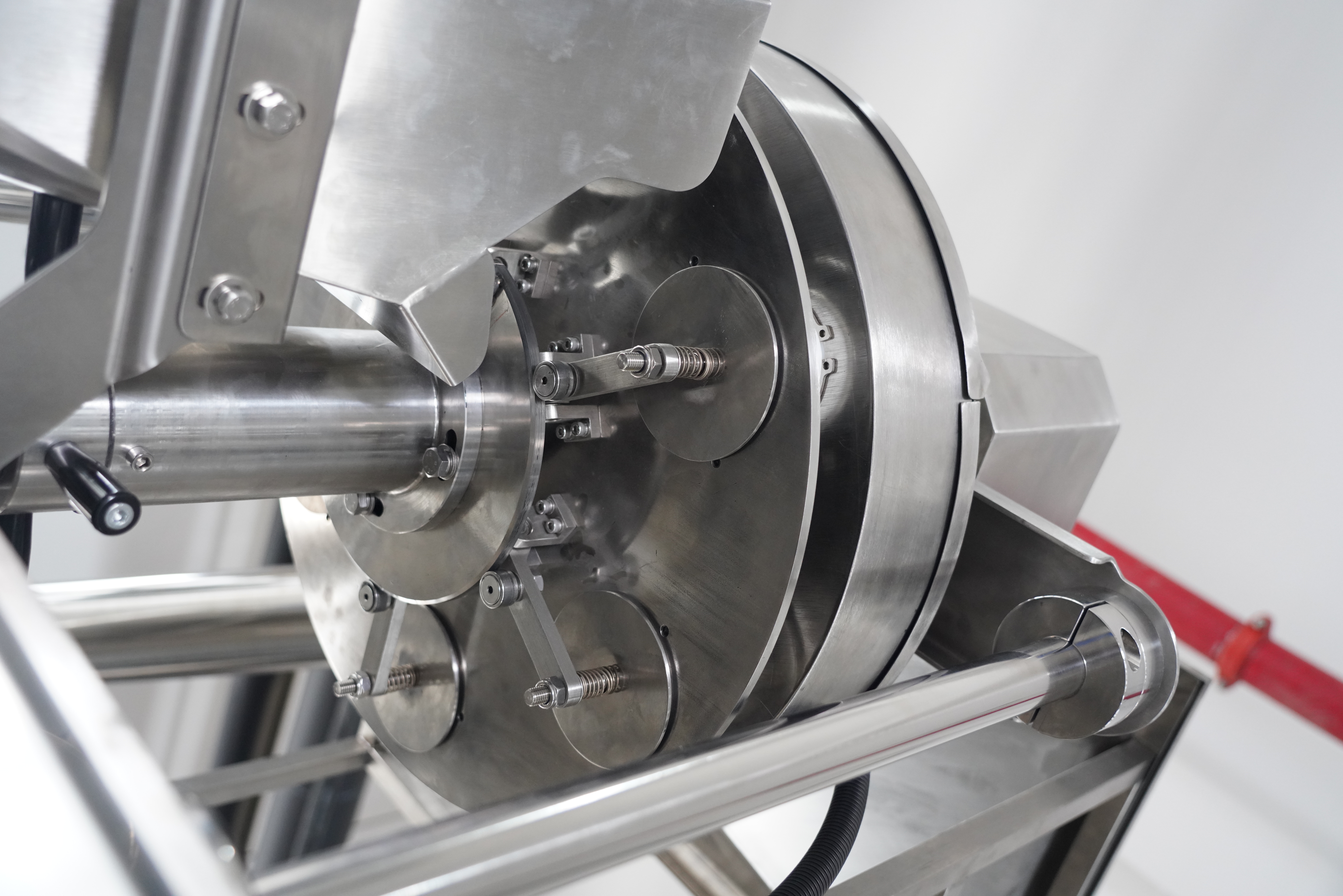
Food safety compliance depends heavily on proper equipment maintenance, and a vffs machine is one of the most critical assets in any food packaging operation. The vffs machine, also known as a vertical form fill seal machine, handles the delicate task of forming, filling, and sealing pouches with food products at high speeds. Without regular and thorough cleaning, a vffs machine can become a source of contamination, leading to product recalls, customer harm, and regulatory penalties. This guide walks you through the essential cleaning procedures that will keep your vffs machine operating safely and efficiently while protecting your brand reputation and consumer health.
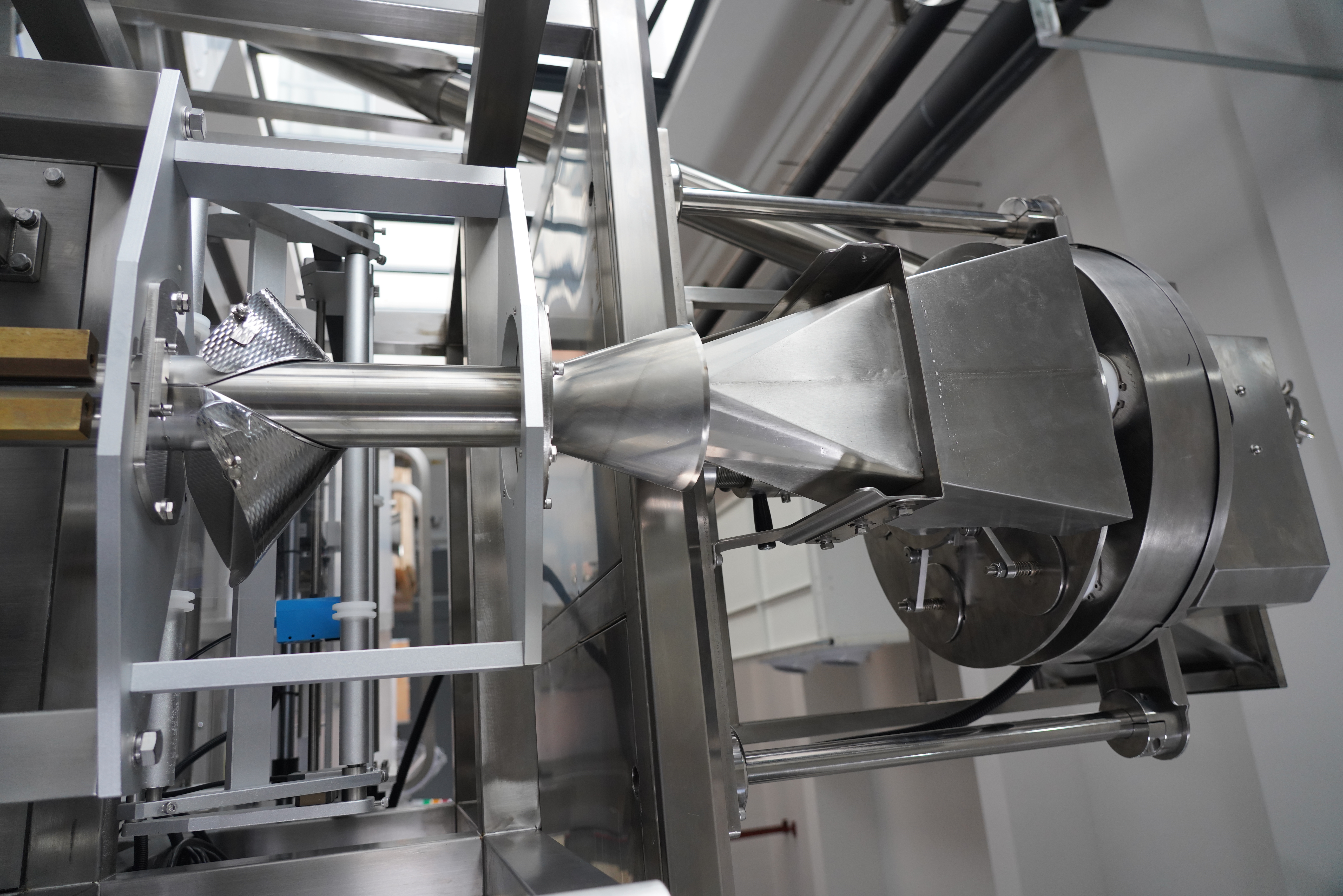
Cleaning a vffs machine requires understanding both the mechanical components and the food contact surfaces where pathogens and residues accumulate. The vffs machine design includes multiple zones where film, product, and sealing materials interact, creating potential contamination points if not properly sanitized. Implementing a structured cleaning schedule and using the right techniques ensures that every surface of your vffs machine meets regulatory requirements and maintains the integrity of your food products throughout the packaging process.
A vffs machine operates in an environment where food particles, oils, and moisture create ideal conditions for bacterial growth. Every time your vffs machine cycles through a production run, residue builds up on sealing jaws, film rollers, and product contact surfaces. If your vffs machine is not cleaned regularly, these residues become cross-contamination vectors, potentially transferring pathogens to subsequent batches. Food safety regulations such as FDA guidelines and FSMA requirements mandate that equipment used in food production must be cleaned frequently enough to prevent contamination. Your vffs machine is no exception and must be treated as a critical control point in your food safety plan.
Compliance frameworks require documented cleaning procedures for all food contact equipment, including your vffs machine. The vffs machine must be cleaned according to sanitization protocols specific to the food category you produce, whether dairy, meat, beverage, or dry goods. HACCP plans typically mandate that your vffs machine cleaning frequency be based on product type and production volume. Standard practice involves daily cleaning of surfaces that contact food and weekly deep cleaning of the entire vffs machine assembly. Regulatory audits will verify that your vffs machine cleaning logs are complete, that you use approved sanitizers, and that your vffs machine maintenance intervals align with food safety risk assessments.
Before you begin the cleaning process, power down your vffs machine and ensure all moving parts have come to a complete stop. Lock out the vffs machine using proper lockout-tagout procedures to prevent accidental startup during cleaning. Remove any visible bulk material, spilled product, or debris from the vffs machine exterior and work area. For your vffs machine, identify all removable components such as product guides, film rollers, and sealing jaw assemblies that can be taken out for detailed cleaning. Document the configuration of your vffs machine before disassembly so reassembly is accurate and no steps are skipped.
The sealing jaws are among the most critical food contact areas on your vffs machine and require particular attention. Use a soft brush or non-abrasive cloth to remove dried product buildup from the sealing jaws of your vffs machine, then wipe with a damp cloth using warm water. For your vffs machine, apply an approved food-grade sanitizer to all sealing jaw surfaces and allow contact time as specified by the sanitizer manufacturer. The film rollers of your vffs machine should be cleaned with a lint-free cloth to remove accumulated film residue and dust, which can cause uneven sealing and product inconsistency. Product contact tubes and hoppers on your vffs machine should be disassembled if possible and washed with warm soapy water, followed by a sanitizer rinse. Ensure that your vffs machine's film path is clear of any debris, and use a cloth dampened with the approved sanitizer to wipe this critical path.
Your vffs machine contains numerous crevices and internal passages where bacteria can hide if not properly sanitized. Use compressed air to blow out dust and debris from motor vents, sensor areas, and internal channels of your vffs machine. For your vffs machine, spray approved sanitizer into hard-to-reach areas and allow it to drip through, or use a soft brush to manually work sanitizer into these zones. The electrical components of your vffs machine must be protected from direct water spray; instead, wipe around these areas with a damp cloth rather than soaking. Pay special attention to the seal between the fill tube and the film path on your vffs machine, as this is a known contamination hotspot in vertical form fill seal equipment.
After cleaning, allow all components of your vffs machine to air dry completely before reassembly to prevent trapping moisture that could encourage mold growth. Refer to the configuration notes you made before disassembly to ensure every component of your vffs machine is correctly repositioned. Verify that sealing jaws are aligned symmetrically on your vffs machine and that product guides are seated firmly. For your vffs machine, check that film rollers spin freely without resistance and that all connection points are secure. Do not begin operation of your vffs machine until you have confirmed that all guards are in place and all removable parts are properly installed.
Before returning your vffs machine to production, run a test cycle with non-product film to verify that all sealing and movement functions work correctly. Record the cleaning date, time, materials used, and personnel responsible on your vffs machine maintenance log. Your vffs machine cleaning documentation should include photographs of any issues encountered and corrective actions taken. This documentation proves to auditors that your vffs machine is maintained to regulatory standards and creates a baseline for trend analysis. If your vffs machine exhibits unusual sounds, uneven sealing, or film jamming after cleaning, do not resume production and investigate the cause immediately.
A vffs machine operates at peak food safety and production efficiency when preventive maintenance is scheduled on a strict calendar. Daily cleaning of the vffs machine should focus on food contact surfaces, while weekly deep cleaning addresses seals, motors, and internal assemblies. Monthly inspections of your vffs machine should include verification of film tension, alignment checks, and lubrication of moving parts with food-grade lubricant. Quarterly reviews of your vffs machine performance trends can reveal early signs of wear that might compromise seal quality or increase contamination risk. By investing in consistent maintenance, your vffs machine will deliver years of reliable, food-safe packaging performance and lower your risk of recalls or compliance violations.
Your vffs machine should be cleaned daily at a minimum, with food contact surfaces sanitized before each production shift. A comprehensive deep clean of your vffs machine should occur at least weekly, and more frequently if processing highly perishable or high-risk products. The exact cleaning frequency for your vffs machine depends on your food category, production volume, and regulatory requirements specific to your facility.
Water alone is insufficient for thorough sanitation of your vffs machine; approved food-grade sanitizers are required to eliminate pathogens and meet regulatory standards. While your vffs machine can be pre-rinsed with water to remove bulk debris, this must be followed by chemical sanitization to ensure food safety compliance. Your vffs machine's food contact surfaces must have documented contact time with approved sanitizer to be considered properly cleaned.
If your vffs machine shows signs of corrosion or damaged seals discovered during cleaning, stop production immediately and contact the equipment manufacturer for repairs. Do not resume operation of your vffs machine until all damage has been professionally addressed, as compromised seals can lead to product contamination. Document all damage and repairs in your vffs machine maintenance log for regulatory compliance and warranty purposes.

2026/09/20
Premade Pouch Machines: Reduce Film Waste, Cut TCO & Achieve Faster ROI

2026/09/20
Cut Premade Pouch Machine Changeover Time by 40% with Proven Best Practices

2026/09/20
Premade Pouch Machines: Boost Throughput, Cut Waste & Improve ROI

2026/09/20
Rotary vs Inline Premade Pouch Machines: Speed, ROI & Scalability Compared

2026/09/20
Premade Pouch Machine: Boost Throughput, Cut Labor Costs & Improve Seal Integrity

2026/09/21
Premade Pouch Machine: Pouch Types, Materials & Filling Guide

