 EN
How to Reduce Film Waste with a Premade Pouch Packaging Machine?
2026/09/20
Premade Pouch Machines: Reduce Film Waste, Cut TCO & Achieve Faster ROI

2026/10/17
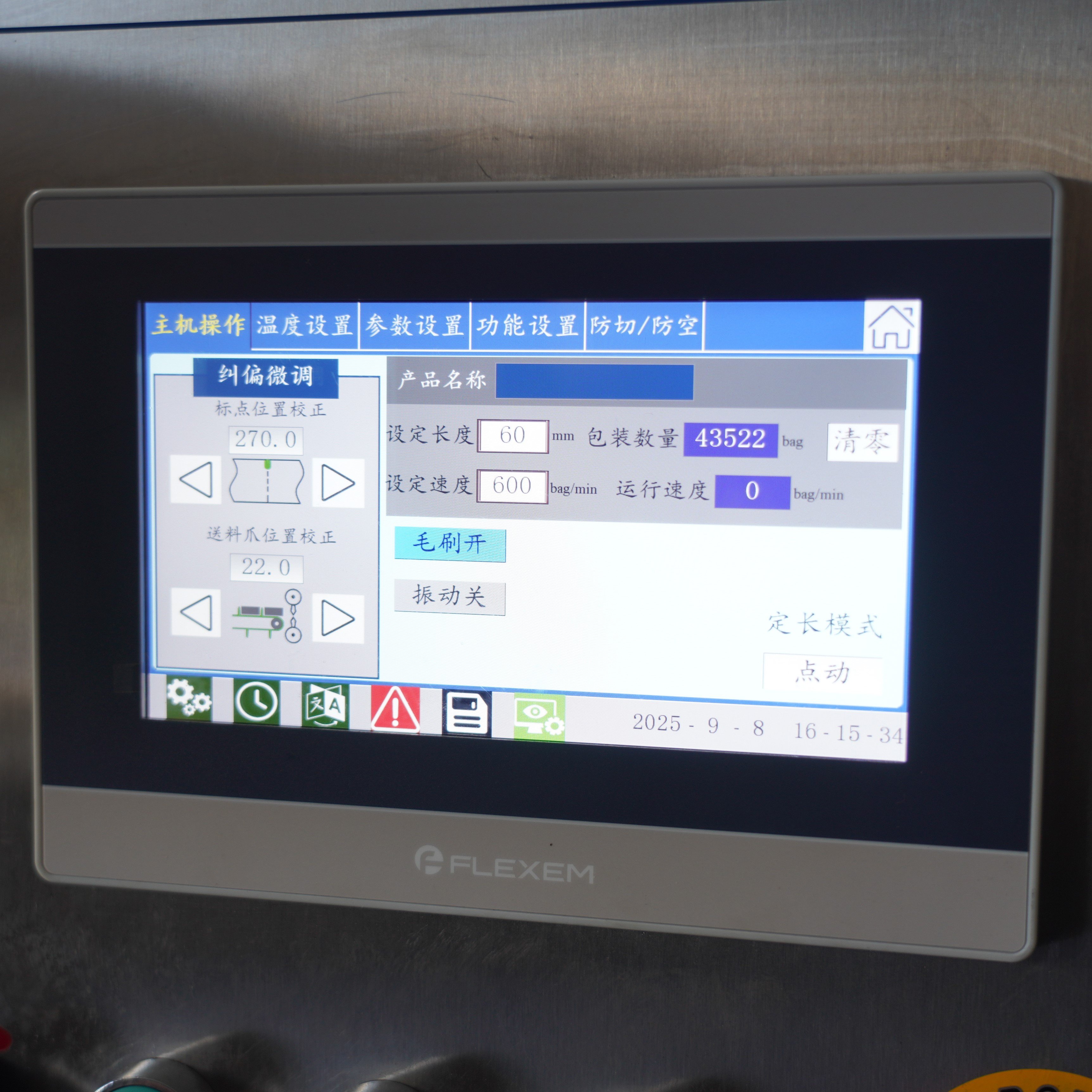
Selecting the right pillow packing machine manufacturer is one of the most critical decisions you'll make for your packaging operation. With dozens of suppliers offering equipment at varying price points and capability levels, the comparison process can feel overwhelming. However, understanding the key criteria to evaluate will help you identify which pillow packing machine manufacturer best matches your production needs, budget constraints, and long-term operational goals. This guide walks you through the essential factors that separate quality pillow packing machine manufacturers from the rest.
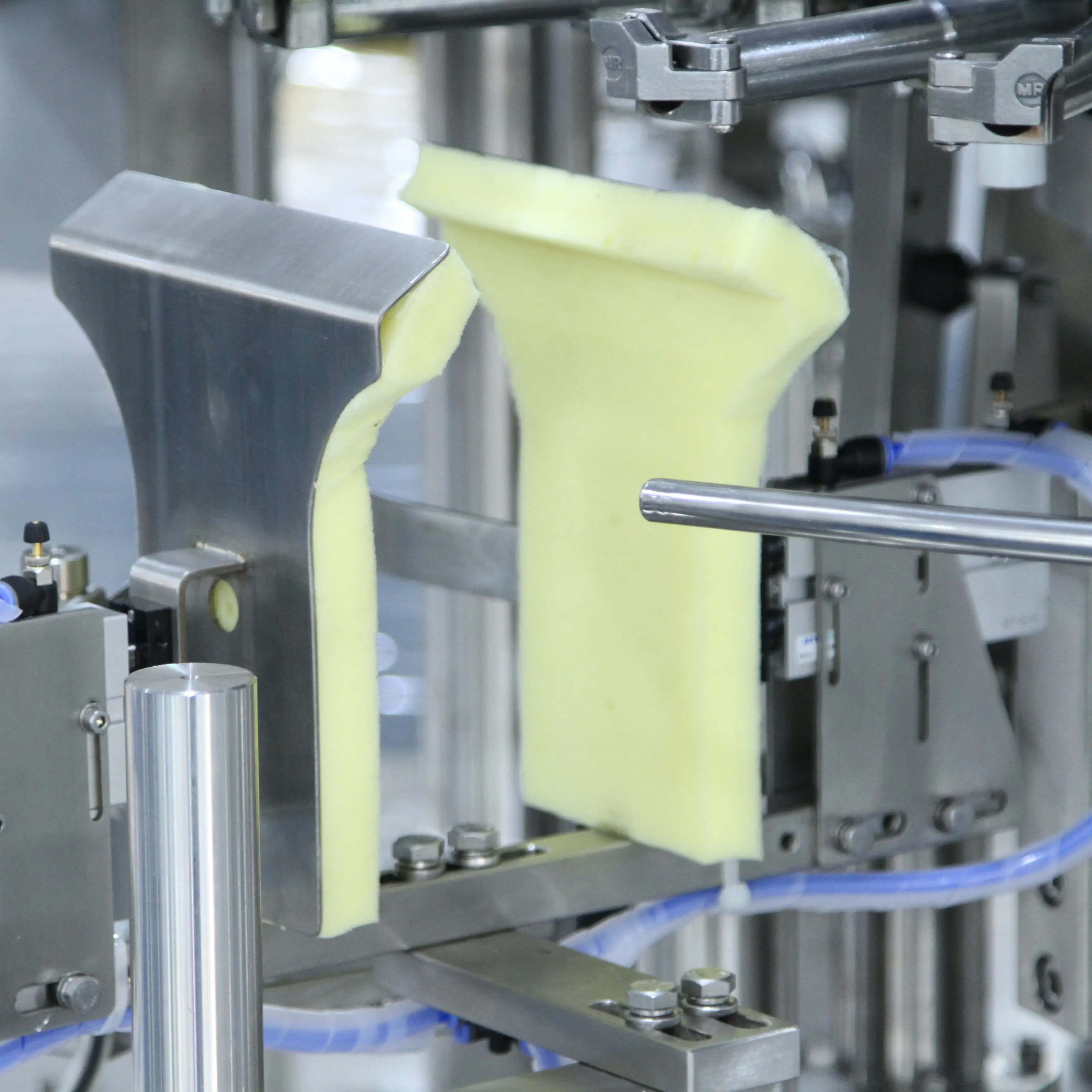
The pillow packing machine market includes manufacturers ranging from small regional builders to large multinational equipment suppliers. Each brings different strengths in engineering, after-sales support, customization options, and pricing models. Your comparison should focus not just on the initial equipment cost, but on the total value proposition each pillow packing machine manufacturer delivers throughout the machine's operational lifetime.
The first step in comparing pillow packing machine manufacturers is determining your actual production capacity needs. Speed ratings vary significantly among pillow packing machine models, typically ranging from 20 to 200 packages per minute depending on product size and complexity. Reputable pillow packing machine manufacturers will clearly specify not just theoretical maximum speeds, but realistic throughput under standard operating conditions with average product weights and dimensions. Request performance data for the specific product you intend to package, and verify whether published speeds apply to your exact use case or if they require optimization.
Top pillow packing machine manufacturers provide transparent capacity testing and often invite potential buyers to witness live demonstrations with representative samples. This transparency signals confidence in their pillow packing machine performance claims and allows you to make data-driven decisions. Compare actual output rates between manufacturers rather than relying solely on specification sheets, as real-world conditions often differ from laboratory benchmarks.
Different pillow packing machine manufacturers employ varying sealing technologies, including impulse sealing, ultrasonic sealing, and heat-seal methods. Each approach has distinct advantages depending on your packaging film type, product moisture content, and shelf-life requirements. Established pillow packing machine manufacturers typically offer multiple sealing options and can provide guidance on which technology suits your specific application best. Ask manufacturers whether their pillow packing machine can handle the range of film thicknesses and material compositions your supply chain might require, including modifications for future product line expansions.
Quality pillow packing machine manufacturers design their sealing systems with adjustable parameters, allowing fine-tuning without complete equipment replacement. This flexibility protects your investment and reduces downtime when transitioning between product batches or film suppliers. Request case studies showing how the pillow packing machine manufacturer has successfully adapted their equipment to similar applications in your industry.
One of the most overlooked factors when comparing pillow packing machine manufacturers is their service and support network. A pillow packing machine is only valuable if it runs consistently, which depends heavily on the manufacturer's ability to provide rapid maintenance support and genuine spare parts. Examine whether each pillow packing machine manufacturer maintains regional service centers or employs authorized dealers near your facility. Response time becomes critical during unexpected downtime, potentially costing hundreds or thousands in lost production.
Leading pillow packing machine manufacturers maintain documented spare parts inventories and commit to specific response times for maintenance calls. They typically offer extended service contracts, predictive maintenance programs, and technician training to keep your operation running smoothly. Verify that the pillow packing machine manufacturer you're considering has been in business long enough that spare parts will remain available throughout your equipment's useful life, typically 10 to 15 years.
Comprehensive technical documentation and operator training directly impact your team's ability to maintain the pillow packing machine efficiently and troubleshoot minor issues independently. Professional pillow packing machine manufacturers provide detailed operating manuals, maintenance schedules, and troubleshooting guides in your preferred language. They should offer both on-site training during installation and ongoing support through video tutorials or remote assistance platforms. This educational investment reduces dependency on outside service providers and accelerates your team's competency with the pillow packing machine.
Compare the depth of training each pillow packing machine manufacturer offers before committing to purchase. Quality manufacturers view training as essential to customer success, not as an add-on service. Ask whether they provide certification programs for operators and maintenance technicians, which adds credibility to your staff's expertise and improves overall operational reliability of your pillow packing machine.
Your business needs will evolve, and your pillow packing machine should accommodate growth without complete replacement. Evaluate how each pillow packing machine manufacturer approaches customization and modular design. Advanced manufacturers build their equipment on scalable platforms that allow you to add components like automated feeding systems, labeling modules, or case-packing integration as your operation expands. This modularity protects your initial investment and reduces the cost of upgrading when production demands increase or product lines expand.
Leading pillow packing machine manufacturers document their customization capabilities through case studies showing how they've adapted equipment for different industries and product types. Ask specifically whether the pillow packing machine manufacturer has experience with your exact product category and whether they can provide references from similar operations. Understanding the manufacturer's flexibility helps you assess whether the system will grow with your business or require replacement within five years.
Modern facilities require seamless integration between the pillow packing machine and upstream production equipment, data collection systems, and downstream case-packing or shipping operations. Quality pillow packing machine manufacturers design their equipment with multiple integration points, including conveyor interfaces, electrical signal compatibility, and networking capabilities for Industry 4.0 environments. They should provide technical specifications for electrical requirements, compressed air specifications, and any special utility demands before you finalize your facility design.
The pillow packing machine manufacturer's ability to interface with your existing control systems and data collection infrastructure directly impacts your operation's efficiency and real-time visibility. Discuss communication protocols, software compatibility, and any middleware requirements needed to connect your pillow packing machine to your manufacturing execution system.
Pillow packing machine prices typically range from $30,000 to $150,000 depending on speed, materials of construction, customization level, and brand reputation. Entry-level models designed for small batch operations start around $25,000, while high-speed systems for large-scale production can exceed $200,000. Additional costs include installation, training, and spare parts inventory. When comparing pillow packing machine manufacturers, request itemized quotes that separate equipment cost from installation and auxiliary expenses. The least expensive pillow packing machine is rarely the best long-term value if it lacks reliability, support, or durability.
Most pillow packing machine manufacturers schedule installation and commissioning within two to four weeks after equipment delivery, though timelines vary based on facility preparation and any required facility modifications. During this period, the pillow packing machine manufacturer's technicians will install the equipment, conduct performance testing, and train your staff. More complex installations involving integration with existing production lines may extend the timeline to six to eight weeks. Plan facility downtime accordingly and coordinate with your pillow packing machine manufacturer well in advance to avoid production delays. Always confirm commissioning timelines in your purchase agreement.
Standard warranties from quality pillow packing machine manufacturers usually cover parts and labor for 12 to 24 months after installation. Extended warranties up to five years are commonly available as add-on options. Most pillow packing machine manufacturers offer service contracts that include preventive maintenance visits, priority response times for emergency repairs, and discounted spare parts pricing. Some advanced manufacturers provide performance guarantees ensuring the pillow packing machine meets specified speed and accuracy standards, with penalty clauses or compensation if targets aren't met. Compare total cost of ownership including warranty, maintenance, and support options when evaluating competing pillow packing machine manufacturers.

2026/09/20
Premade Pouch Machines: Reduce Film Waste, Cut TCO & Achieve Faster ROI

2026/09/20
Cut Premade Pouch Machine Changeover Time by 40% with Proven Best Practices

2026/09/20
Premade Pouch Machines: Boost Throughput, Cut Waste & Improve ROI

2026/09/20
Rotary vs Inline Premade Pouch Machines: Speed, ROI & Scalability Compared

2026/09/20
Premade Pouch Machine: Boost Throughput, Cut Labor Costs & Improve Seal Integrity

2026/09/21
Premade Pouch Machine: Pouch Types, Materials & Filling Guide

