 EN
How to Reduce Film Waste with a Premade Pouch Packaging Machine?
2026/09/20
Premade Pouch Machines: Reduce Film Waste, Cut TCO & Achieve Faster ROI

2026/10/05
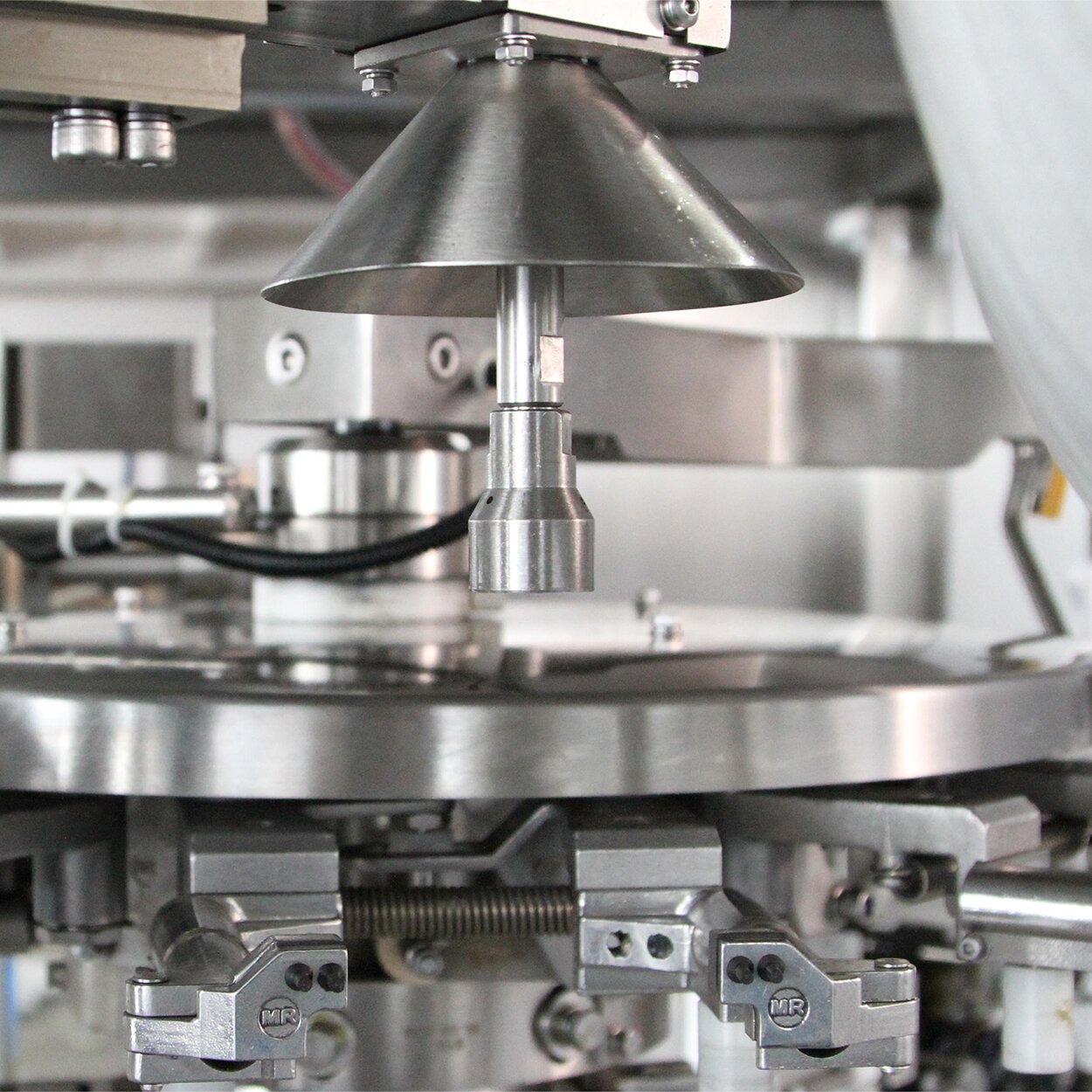
When evaluating packaging equipment for your production facility, understanding the relationship between cost and value is essential. A rotary vacuum packing machine represents a significant capital investment, and many manufacturers struggle to justify the expense without clear insight into long-term returns. The price tag on a rotary vacuum packing machine can vary dramatically based on capacity, speed, and features, but focusing solely on upfront cost often leads to poor purchasing decisions. This guide explores how to evaluate a rotary vacuum packing machine by weighing its price against the tangible value it delivers to your operation.
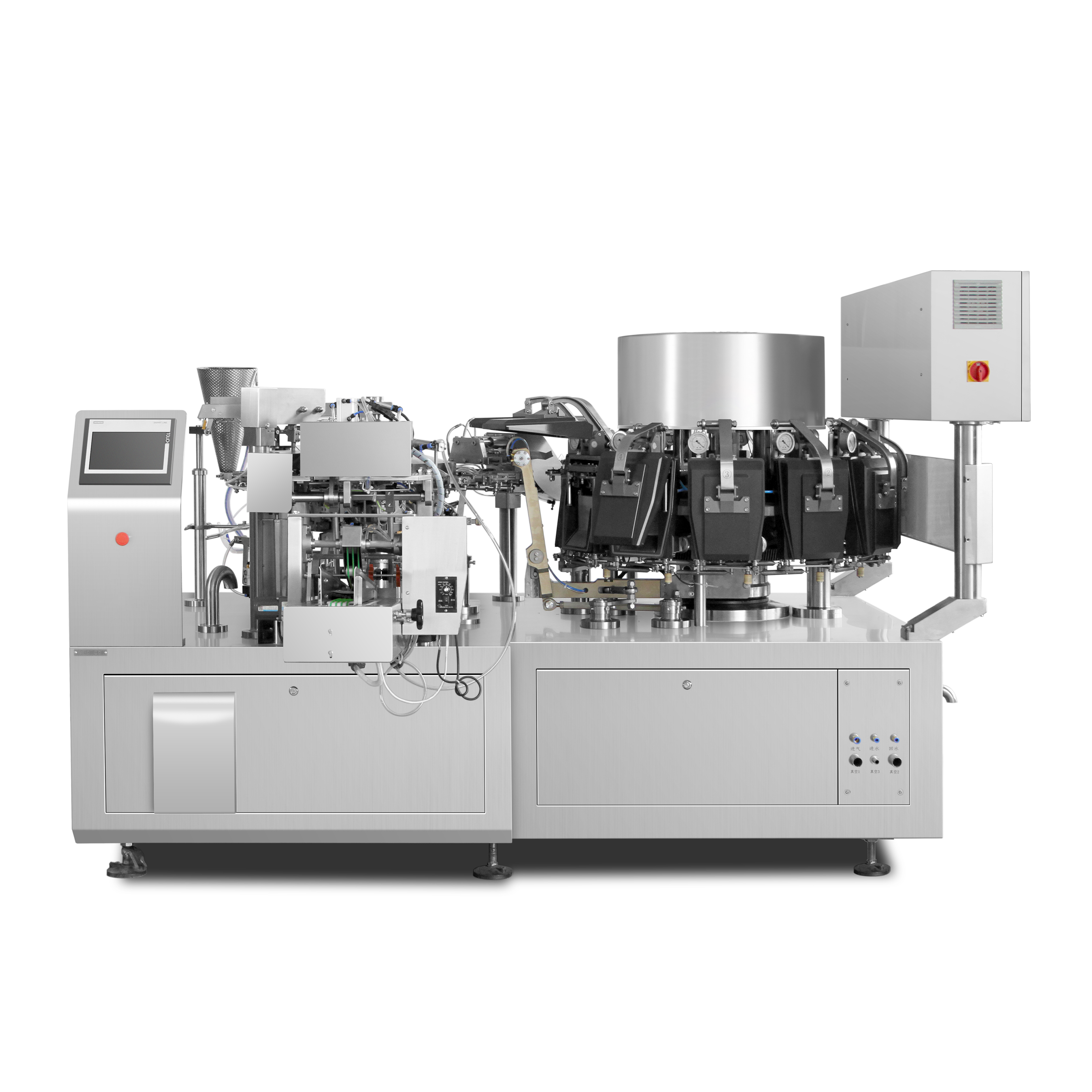
The true measure of a rotary vacuum packing machine investment extends far beyond its initial purchase price. Value encompasses operational efficiency, product shelf life extension, waste reduction, labor cost savings, and production consistency. A rotary vacuum packing machine that costs more upfront but delivers superior sealing quality and faster cycle times often generates better overall ROI than a cheaper alternative that produces inferior results. Understanding these value drivers allows you to make informed decisions aligned with your facility's specific production demands and financial goals.
The price of a rotary vacuum packing machine is fundamentally tied to its technical specifications and production capacity. Machines designed for high-speed operations typically command premium pricing, reflecting advanced servo control systems, precision sensors, and rapid evacuation pumps. A rotary vacuum packing machine with greater bag width capacity and faster cycle times will generally cost more than single-lane models, but the price difference often reflects proportional increases in throughput. Entry-level models may handle smaller products with slower speeds, while industrial-grade rotary vacuum packing machines support multiple bag formats and ultra-fast cycles. Understanding what specifications you actually need versus nice-to-have features is critical for avoiding overspending on unnecessary capabilities.
Modern rotary vacuum packing machines incorporate varying levels of automation, which directly influences price. Basic models offer manual control with simple push-button operation, while premium versions feature programmable logic controllers, touchscreen interfaces, and integrated data logging. Some rotary vacuum packing machines include advanced features like multi-gas flushing, nitrogen injection for extend shelf life, and automatic bag detection systems. Automation that reduces operator intervention and minimizes setup time adds to the purchase price but contributes significantly to operational value. When comparing rotary vacuum packing machine options, evaluate whether advanced features align with your production complexity and whether simpler models would adequately serve your needs.
The real value of a rotary vacuum packing machine emerges through increased production capacity and consistent output quality. If a rotary vacuum packing machine increases your throughput from fifty bags per hour to one hundred fifty bags per hour, that efficiency gain translates directly to revenue growth without requiring facility expansion. Superior sealing performance from a higher-quality rotary vacuum packing machine reduces reject rates and rework, eliminating waste that directly impacts profitability. Many manufacturers focus only on the rotary vacuum packing machine price tag and overlook how cycle time improvements compound into significant annual value. A machine that costs more but produces five percent fewer defects pays for itself through quality improvements within months in high-volume operations.
Excellent sealing quality from a premium rotary vacuum packing machine extends product shelf life, giving your goods competitive advantage in retail environments. Vacuum-sealed products maintain freshness longer, allowing distribution to wider geographic areas and capture of previously unreachable markets. The rotary vacuum packing machine's ability to create consistent, airtight seals protects products from oxidation and contamination, supporting premium pricing strategies. When your rotary vacuum packing machine delivers superior packaging quality, retailers prioritize your products, and consumers perceive higher value. This market positioning benefit often justifies higher equipment investment because it directly increases revenue per unit sold rather than merely reducing costs.
The total cost of owning a rotary vacuum packing machine includes regular maintenance, spare parts availability, and eventual replacement cycles. Premium rotary vacuum packing machines from established manufacturers typically offer better spare parts accessibility and lower maintenance downtime compared to budget alternatives. Cheaper equipment may require frequent repairs, creating production disruptions that exceed the savings from lower initial purchase price. A rotary vacuum packing machine designed with modular components and easy serviceability reduces technician time and minimizes costly facility shutdowns. Evaluating vendor support quality, spare parts cost structure, and equipment durability through warranty terms helps identify whether a higher-priced rotary vacuum packing machine actually delivers lower total cost of ownership over ten years of operation.
Selecting a rotary vacuum packing machine with adequate capacity reserve for anticipated production growth prevents premature equipment obsolescence. If your business is expanding, undersized equipment forces costly replacements within a few years, negating initial savings. A rotary vacuum packing machine with modular design or expandable configurations provides flexibility to accommodate market growth without complete equipment replacement. Forward-thinking businesses often invest in higher-capacity rotary vacuum packing machine models that exceed immediate needs because the price premium proves negligible compared to future replacement and installation costs. This strategic perspective transforms the rotary vacuum packing machine decision from a current-year expense into a multi-year asset that grows with your business demands.
Industrial rotary vacuum packing machines range from thirty thousand to over three hundred thousand dollars depending on speed, capacity, and automation features. Entry-level models handling standard bag formats typically cost between thirty and seventy thousand dollars. Mid-range rotary vacuum packing machines with faster cycles and multiple configurations cost seventy to one hundred fifty thousand dollars. Premium high-speed rotary vacuum packing machine systems with advanced automation and multi-lane capability exceed one hundred fifty thousand dollars. Your specific requirements, production volume, and product characteristics determine where within this range your ideal rotary vacuum packing machine falls.
Calculate rotary vacuum packing machine ROI by comparing the equipment cost against annual value gains including increased throughput, reduced waste, extended shelf life benefits, and labor savings. Start with baseline production costs and defect rates, then project improvements from your new rotary vacuum packing machine over three to five years. Include maintenance costs, training expenses, and utility consumption in total cost calculations. Most industrial facilities achieve rotary vacuum packing machine payback within eighteen to thirty-six months through efficiency gains alone. Conduct detailed financial modeling specific to your product, production scale, and market positioning to ensure the rotary vacuum packing machine investment aligns with your business strategy.
Prioritizing lowest price when selecting a rotary vacuum packing machine frequently results in higher total costs through increased downtime, maintenance expenses, and reduced output quality. Budget rotary vacuum packing machines often lack engineering refinement, reliability, and vendor support necessary for consistent production performance. Mid-range rotary vacuum packing machine options typically provide superior value by balancing reasonable pricing with proven reliability and adequate features. The best rotary vacuum packing machine choice matches your specific needs rather than simply selecting the cheapest option available. Evaluate total cost of ownership, including support and maintenance, rather than purchase price alone when making your rotary vacuum packing machine decision.

2026/09/20
Premade Pouch Machines: Reduce Film Waste, Cut TCO & Achieve Faster ROI

2026/09/20
Cut Premade Pouch Machine Changeover Time by 40% with Proven Best Practices

2026/09/20
Premade Pouch Machines: Boost Throughput, Cut Waste & Improve ROI

2026/09/20
Rotary vs Inline Premade Pouch Machines: Speed, ROI & Scalability Compared

2026/09/20
Premade Pouch Machine: Boost Throughput, Cut Labor Costs & Improve Seal Integrity

2026/09/21
Premade Pouch Machine: Pouch Types, Materials & Filling Guide

