 EN
How to Reduce Film Waste with a Premade Pouch Packaging Machine?
2026/09/20
Premade Pouch Machines: Reduce Film Waste, Cut TCO & Achieve Faster ROI

2026/10/03
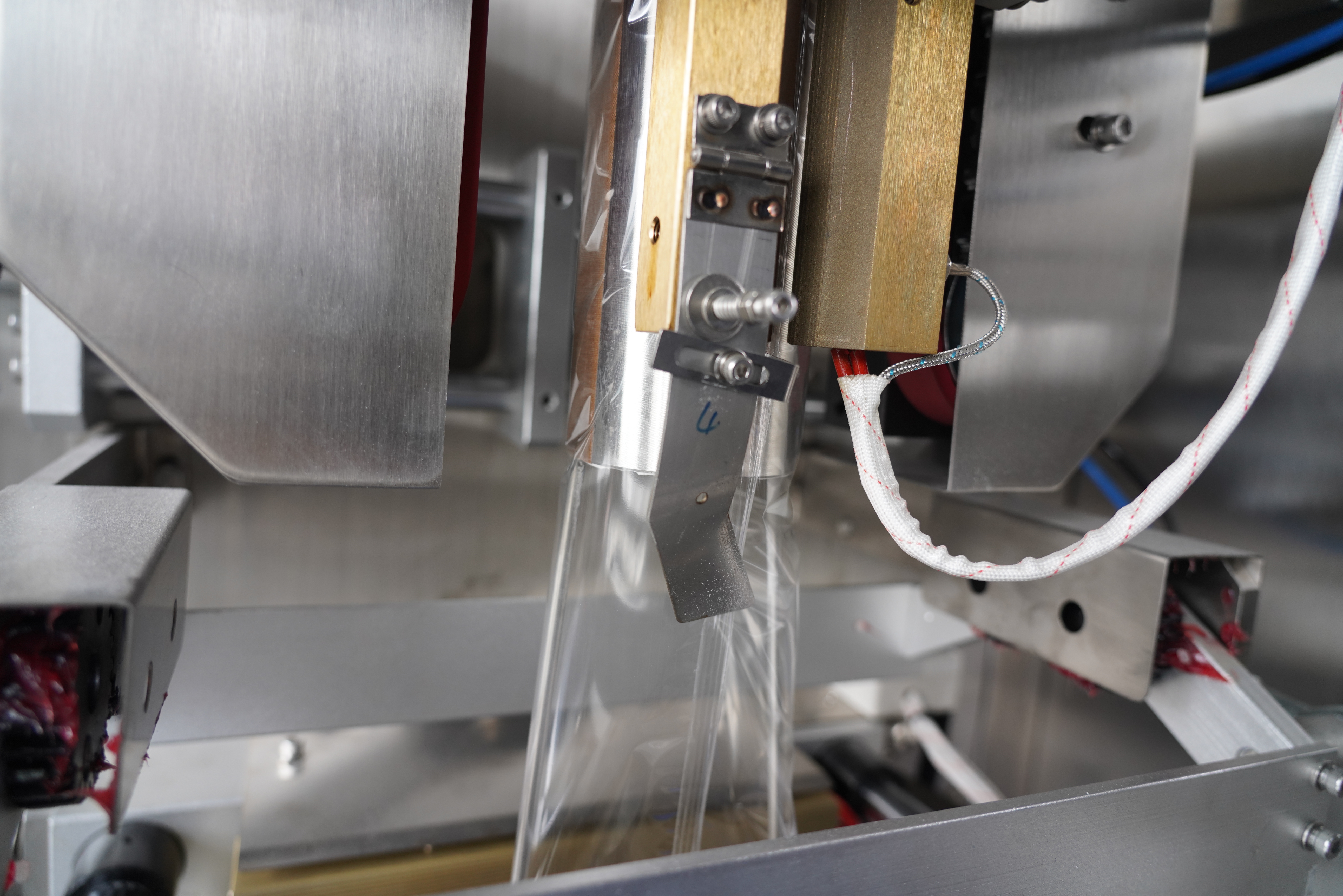
Selecting a vertical bagger from the right supplier is one of the most critical decisions in packaging operations. The quality of your vertical bagger directly impacts production efficiency, downtime frequency, maintenance costs, and product consistency. Many procurement teams struggle to compare vertical bagger options effectively because build quality varies significantly across suppliers, and performance differences only become apparent after months of operation. Understanding how to evaluate vertical bagger construction, materials, and design specifications before purchase can save your facility from costly mistakes and performance disappointment.
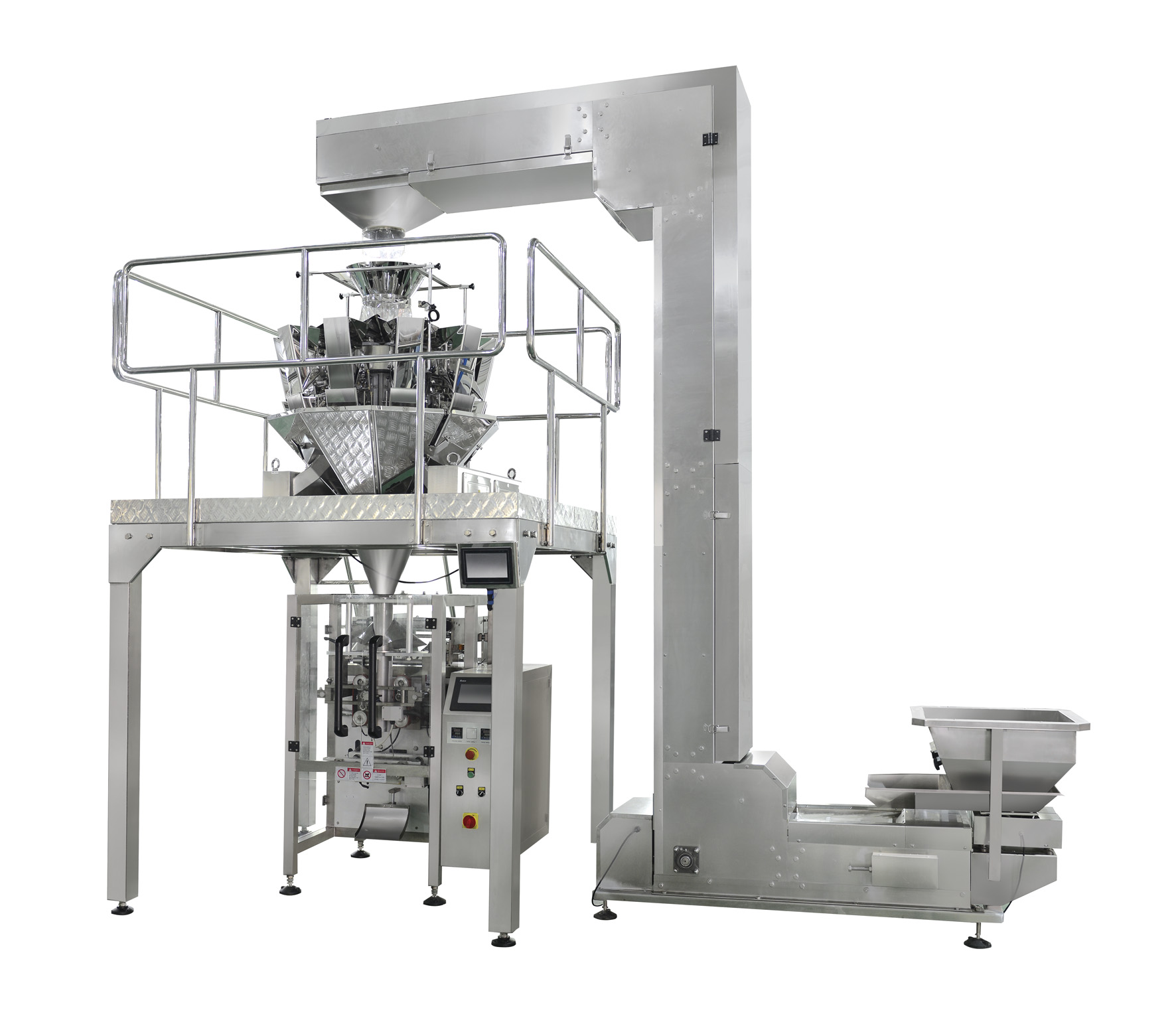
When comparing vertical bagger suppliers, quality assessment requires a structured approach that goes beyond price and brand reputation. A robust vertical bagger combines precision engineering, durable component selection, reliable control systems, and proven track record in your specific application. This guide walks you through the essential criteria for evaluating vertical bagger build quality, helping you identify which supplier offers the best value and reliability for your packaging line.
The material composition of a vertical bagger determines its longevity in demanding environments. High-quality vertical bagger manufacturers use food-grade stainless steel (typically 304 or 316) for contact surfaces and structural frames. When comparing vertical bagger options, examine the thickness and grade specifications of all stainless steel components, particularly the film guide rails, forming tube, and sealing jaw areas. A vertical bagger with thicker gauge stainless steel resists warping, vibration-induced wear, and corrosion better than thinner alternatives. Ask suppliers for material certifications and test reports confirming corrosion resistance ratings for their vertical bagger models.
The internal mechanics of a vertical bagger rely on precision bearings, drive belts, and actuators that must withstand continuous operation cycles. Superior vertical bagger designs use sealed ball bearings with lubrication systems that extend component life significantly. When evaluating vertical bagger suppliers, inquire about bearing specifications, maintenance intervals, and replacement costs. Compare the quality of the servo motors, pneumatic cylinders, and proximity sensors used in each vertical bagger model. A vertical bagger built with industrial-grade components typically operates 50,000 to 100,000 hours before major maintenance, whereas budget alternatives may require servicing every 10,000 to 20,000 hours of runtime.
Sealing consistency separates premium vertical bagger systems from mediocre ones. A high-quality vertical bagger maintains uniform seal strength across all four edges of the pouch, preventing leaks and ensuring product integrity. Examine how each vertical bagger supplier controls film tension, heating element temperature, and seal dwell time. Advanced vertical bagger systems feature programmable logic controllers (PLCs) that adjust parameters in real-time based on film thickness and material type. During equipment demonstrations, test the vertical bagger's ability to handle different film materials, seal widths, and pouch sizes without manual recalibration between runs.
Modern vertical bagger equipment should provide intuitive operator controls and comprehensive diagnostic tools. A well-designed vertical bagger interface displays real-time machine status, error codes, production statistics, and maintenance alerts. Compare vertical bagger suppliers on their control panel design, touchscreen responsiveness, and ease of troubleshooting. Premium vertical bagger systems enable remote diagnostics, allowing your supplier to identify issues without onsite visits. When evaluating a vertical bagger, confirm that the control system stores historical data for predictive maintenance and performance trending, which helps optimize uptime and reduce unexpected failures.
A vertical bagger must maintain structural integrity under continuous mechanical stress. Inspect the frame welds, reinforcement ribs, and foundation design of each vertical bagger model you are considering. High-performance vertical bagger systems feature reinforced frames with vibration-dampening materials that reduce noise and protect sensitive electronic components. Ask suppliers to provide technical drawings showing how the vertical bagger frame is reinforced and whether it meets industrial vibration standards. A rigid vertical bagger frame minimizes film tracking errors, reduces seal defects, and improves overall package quality consistency.
Long-term success with your vertical bagger depends on supplier responsiveness and technical support quality. Evaluate whether each vertical bagger supplier offers comprehensive operator training, technical documentation, and spare parts availability. Ask about average response times for emergency service calls and whether the vertical bagger supplier maintains local inventory for critical replacement parts. Verify that your vertical bagger supplier provides software updates, firmware patches, and performance optimization recommendations throughout the equipment lifecycle. A trustworthy vertical bagger partner not only delivers equipment but also ensures smooth implementation, ongoing training, and proactive maintenance support.
After installing your vertical bagger, monitor seal strength consistency, production speed accuracy, film rejection rates, and maintenance interval compliance. Track how your vertical bagger performs against baseline specifications documented during equipment commissioning. Use the vertical bagger's built-in diagnostics to log temperature variations, cycle time deviations, and component wear patterns. This data helps you identify whether your vertical bagger is operating within optimal parameters and when preventive maintenance should be scheduled. A well-functioning vertical bagger maintains stable performance metrics month after month, while performance degradation signals potential component wear or calibration drift.
Most vertical bagger manufacturers recommend preventive maintenance every 500 to 1,000 operating hours, depending on production volume and material types processed. Your vertical bagger service schedule should include lubrication of all moving components, inspection of sealing elements, verification of electrical connections, and testing of safety systems. A vertical bagger receiving regular maintenance experiences fewer unexpected breakdowns and maintains consistent package quality throughout its operational life. Always follow your vertical bagger supplier's recommended maintenance protocol, as neglecting this responsibility voids warranties and accelerates component degradation.
Many vertical bagger suppliers offer modular designs that permit upgrades and customizations to accommodate changing production requirements. Ask whether your vertical bagger can be retrofitted with different forming tubes, sealing head configurations, or integrated weighing systems. Some vertical bagger platforms support firmware updates that add new capabilities or improve performance without replacing hardware. However, upgrade costs and downtime implications vary significantly between suppliers, so confirm compatibility and upgrade pathways before purchase. A vertical bagger built on a scalable platform provides flexibility for future business expansion without requiring complete equipment replacement.

2026/09/20
Premade Pouch Machines: Reduce Film Waste, Cut TCO & Achieve Faster ROI

2026/09/20
Cut Premade Pouch Machine Changeover Time by 40% with Proven Best Practices

2026/09/20
Premade Pouch Machines: Boost Throughput, Cut Waste & Improve ROI

2026/09/20
Rotary vs Inline Premade Pouch Machines: Speed, ROI & Scalability Compared

2026/09/20
Premade Pouch Machine: Boost Throughput, Cut Labor Costs & Improve Seal Integrity

2026/09/21
Premade Pouch Machine: Pouch Types, Materials & Filling Guide

