 EN
How to Reduce Film Waste with a Premade Pouch Packaging Machine?
2026/09/20
Premade Pouch Machines: Reduce Film Waste, Cut TCO & Achieve Faster ROI

2026/10/08
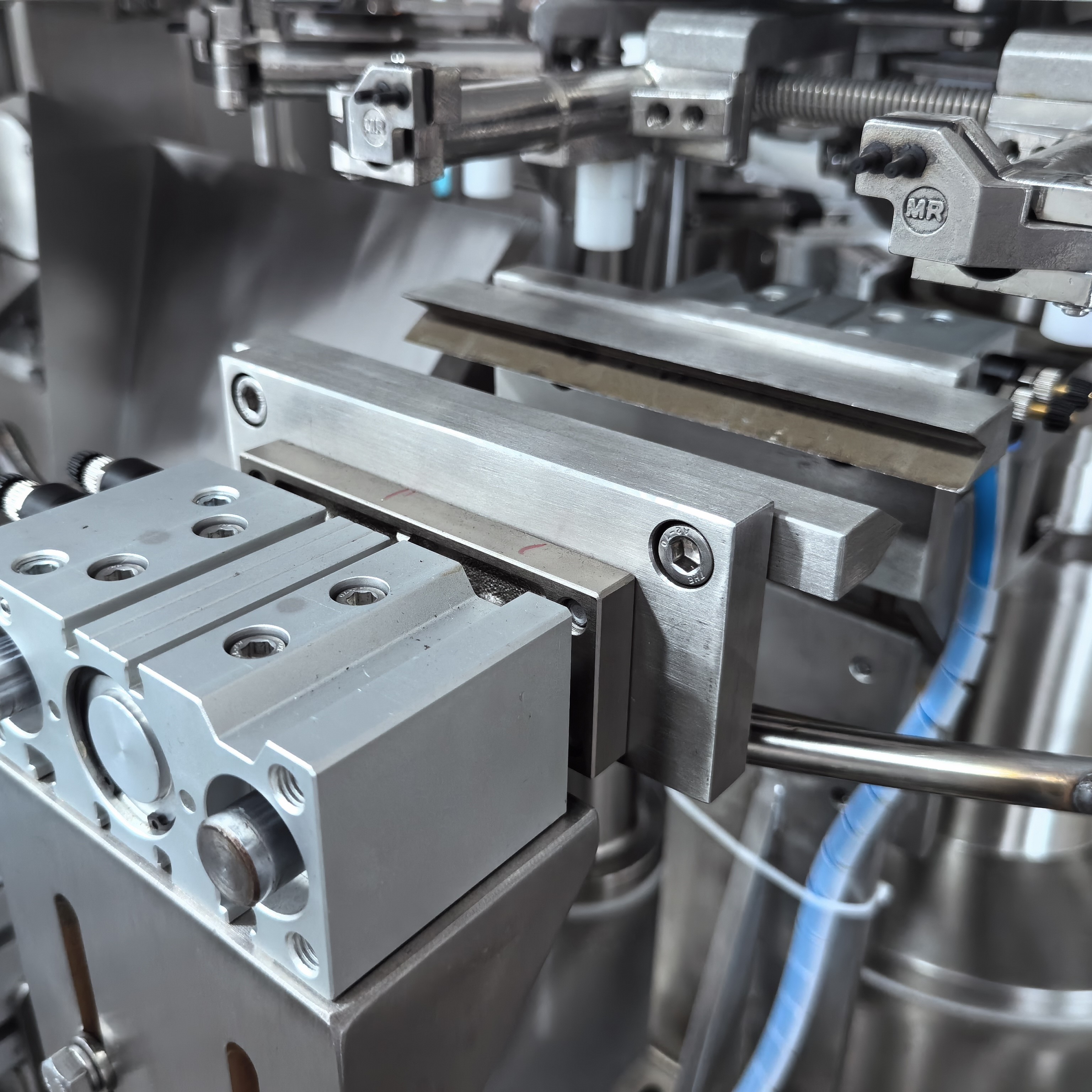
Achieving consistent gas flush in a rotary vacuum packing machine is essential for maintaining product freshness, extending shelf life, and preserving food quality across your production line. The precision of gas introduction during the vacuum cycle directly impacts packaging integrity, preventing oxidation and microbial contamination that can compromise product safety and consumer satisfaction. Understanding the mechanics and best practices behind consistent gas flushing will help you optimize your rotary vacuum packing machine performance and reduce waste from substandard seal quality.
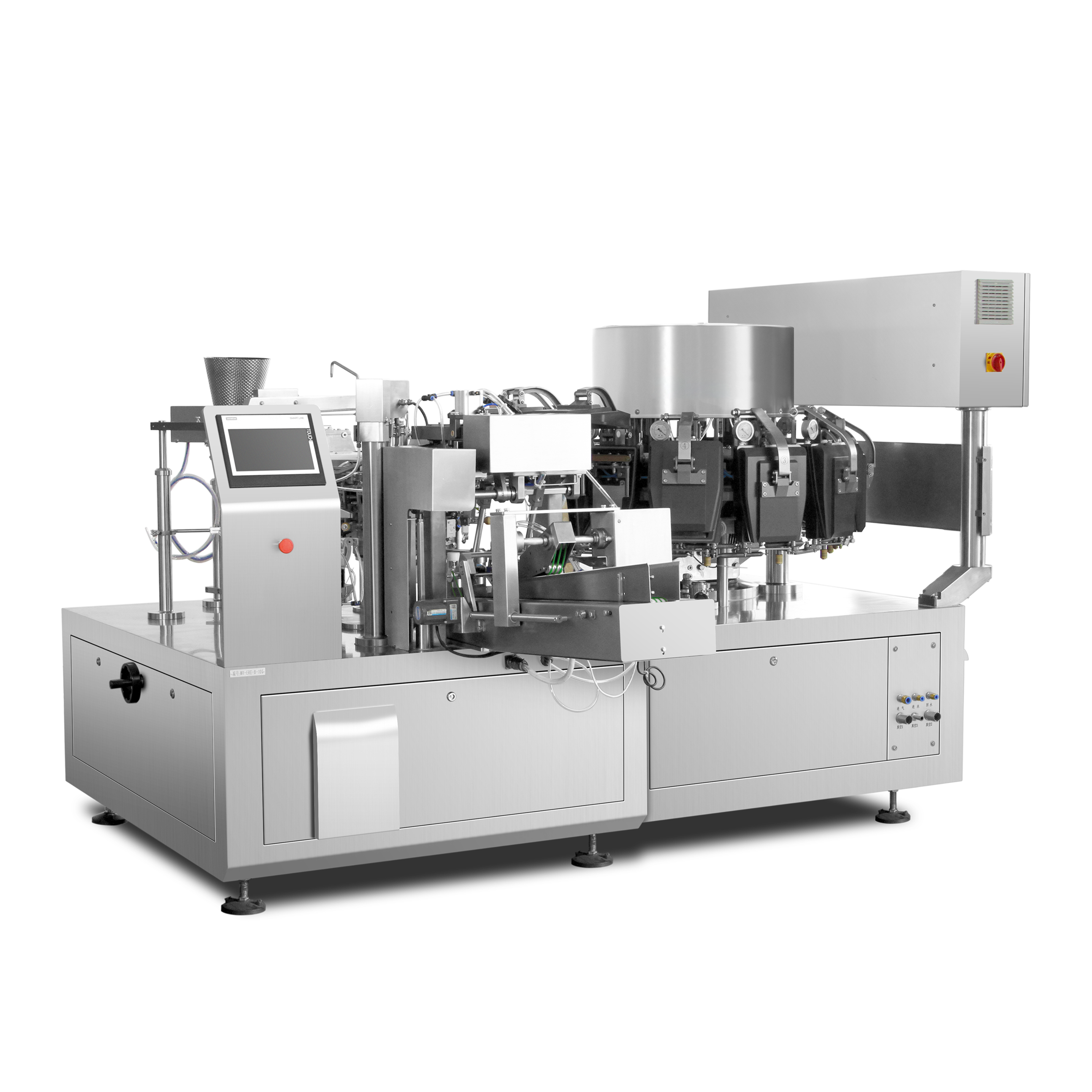
A rotary vacuum packing machine operates on a controlled cycle that begins with air removal, followed by gas injection, and final seal formation. During the vacuum phase, the rotary vacuum packing machine removes oxygen from the package pouch, creating a partial vacuum that enables efficient gas diffusion. When gas enters the chamber during the flushing stage, it must disperse evenly throughout the pouch volume without creating air pockets or uneven pressure zones that compromise seal quality.
The gas flushing mechanism in a rotary vacuum packing machine relies on precise timing and pressure regulation to ensure the injected gas reaches all areas of the pouch simultaneously. If gas enters too quickly, turbulence creates inconsistent distribution; if it enters too slowly, vacuum pressure may re-compress before full chamber saturation occurs. The design of the rotary vacuum packing machine chamber and gas inlet ports directly influence how effectively gas permeates the pouch and maintains consistent flushing performance across all production cycles.
Vacuum depth—measured in millibar or kilopascals—establishes the foundation for effective gas flushing in any rotary vacuum packing machine. A rotary vacuum packing machine that pulls insufficient vacuum will retain residual oxygen, reducing the effectiveness of nitrogen replacement and shortening product shelf life. Conversely, excessive vacuum can damage delicate food products or create stress points in the pouch that weaken seals.
Gas pressure during the flushing phase must be calibrated relative to the residual vacuum level in the rotary vacuum packing machine chamber. When gas pressure equals or slightly exceeds the vacuum depth, it enables smooth, uniform flooding of the chamber. If gas pressure is too low relative to vacuum depth, the rotary vacuum packing machine cannot achieve complete oxygen replacement; if pressure is too high, it risks compromising pouch integrity or forcing gas through weak seal points before final heating.
Modern rotary vacuum packing machines depend on pressure sensors to monitor vacuum levels and trigger gas injection at the optimal moment. Inaccurate or drift-prone sensors cause the rotary vacuum packing machine to initiate flushing at inconsistent vacuum depths, resulting in variable gas distribution and uneven packaging quality. Sensor calibration should occur monthly or quarterly depending on production volume and environmental conditions affecting your rotary vacuum packing machine.
Vacuum gauges and pressure transducers on your rotary vacuum packing machine must be verified against certified reference standards to ensure they report true chamber pressure. A rotary vacuum packing machine with miscalibrated sensors may appear to function normally while systematically producing substandard flushing due to timing errors that compound across production runs. Implementing a preventive maintenance schedule that includes sensor validation protects the consistency of your rotary vacuum packing machine output and reduces the risk of costly quality failures.
The quality of nitrogen or inert gas supplied to your rotary vacuum packing machine directly impacts flushing uniformity and final product integrity. Gas with moisture, particulates, or trace contaminants can interfere with seal formation and compromise the protective atmosphere inside the package. A rotary vacuum packing machine equipped with inline gas filters and regulators ensures that only clean, dry gas enters the flushing system, maintaining consistent performance across all packaging cycles.
Flow rate regulation controls how quickly gas fills the chamber during the flushing phase of your rotary vacuum packing machine cycle. If the rotary vacuum packing machine allows excessive flow rate, turbulence and pressure spikes can disrupt uniform gas distribution; if flow is too restricted, the rotary vacuum packing machine cannot achieve full oxygen displacement within the programmed cycle time. Flow control valves should be tested regularly to verify they maintain the target flow rate, and adjustments should account for seasonal changes in gas supply pressure that affect your rotary vacuum packing machine performance.
The physical design of the chamber in your rotary vacuum packing machine influences how effectively gas disperses throughout the package volume. Chamber geometry, gas inlet port positioning, and vent hole placement all affect pressure equalization timing and gas diffusion patterns within your rotary vacuum packing machine. A rotary vacuum packing machine with poorly positioned gas inlets may create dead zones where oxygen remains trapped, reducing shelf life protection despite proper vacuum and gas pressure readings.
Seal bar configuration in your rotary vacuum packing machine must allow gas to escape before heat is applied to prevent pressure buildup that can rupture seals. A rotary vacuum packing machine with undersized vent holes will restrict gas escape, creating back-pressure that weakens seal formation; oversized vents allow premature gas loss before full chamber saturation. Testing different pouch sizes and material thicknesses with your rotary vacuum packing machine helps identify optimal vent sizing that maintains consistent flushing across your product range.
Achieving consistent gas flush in a rotary vacuum packing machine requires precise sequencing of vacuum, flush, and seal phases within the programmed cycle. Each phase must overlap or transition with precise timing to prevent vacuum loss before gas injection or pressure loss during sealing. Your rotary vacuum packing machine should include adjustable dwell times that allow complete chamber equalization between phases, ensuring gas permeates the entire pouch before heat sealing begins.
The rotary vacuum packing machine cycle should account for pouch volume variability by monitoring actual pressure changes rather than relying solely on fixed time intervals. When your rotary vacuum packing machine detects that vacuum depth has stabilized at the target level, it signals gas injection to begin, ensuring optimal timing regardless of minor variations in pouch fill volume or seal tightness. This feedback-driven approach improves consistency of your rotary vacuum packing machine flushing performance and reduces defects from premature or delayed gas introduction.
Regular maintenance of your rotary vacuum packing machine preserves flushing consistency by preventing component wear that degrades seal quality and gas distribution. Vacuum pump oil levels, filter cleanliness, and pump valve condition must be checked weekly on any rotary vacuum packing machine operating at production volume. Worn vacuum pumps reduce achievable vacuum depth, forcing your rotary vacuum packing machine to compensate with higher gas pressure that increases sealing stress and reduces consistency.
Cleaning and inspection of gas inlet ports, vent holes, and chamber walls on your rotary vacuum packing machine removes residue that interferes with gas flow and seal formation. A rotary vacuum packing machine with buildup inside the chamber experiences reduced gas diffusion efficiency and may trap pockets of oxygen that compromise shelf life. Implementing monthly deep cleaning and quarterly replacement of sealing gaskets maintains the rotary vacuum packing machine reliability needed for consistent flushing across extended production campaigns.
Inconsistent gas flush in a rotary vacuum packing machine leads to variable residual oxygen levels, shortened shelf life, product degradation, and customer complaints about premature spoilage. Some packages may retain too much oxygen, reducing protective atmosphere effectiveness, while others may experience pressure imbalances that weaken seals. This variability increases waste, damages brand reputation, and makes reliable shelf life claims impossible when your rotary vacuum packing machine operates without consistent flushing control.
Sensors on your rotary vacuum packing machine should be calibrated monthly for high-volume production or quarterly for moderate use to maintain flushing consistency. Environmental factors like temperature fluctuations and sensor drift over time cause inaccurate readings that compromise your rotary vacuum packing machine performance. Regular calibration against certified standards ensures your rotary vacuum packing machine maintains the accuracy needed to trigger gas injection at optimal vacuum depths.
Yes, pouch material thickness, barrier properties, and seal design significantly influence how effectively a rotary vacuum packing machine achieves consistent gas flushing. Thicker materials require longer dwell times for gas diffusion, and materials with high barrier properties may need adjusted vacuum depths for your rotary vacuum packing machine to perform optimally. Testing your rotary vacuum packing machine with each pouch material type ensures parameters are configured to deliver consistent flushing across all packaging formats you produce.

2026/09/20
Premade Pouch Machines: Reduce Film Waste, Cut TCO & Achieve Faster ROI

2026/09/20
Cut Premade Pouch Machine Changeover Time by 40% with Proven Best Practices

2026/09/20
Premade Pouch Machines: Boost Throughput, Cut Waste & Improve ROI

2026/09/20
Rotary vs Inline Premade Pouch Machines: Speed, ROI & Scalability Compared

2026/09/20
Premade Pouch Machine: Boost Throughput, Cut Labor Costs & Improve Seal Integrity

2026/09/21
Premade Pouch Machine: Pouch Types, Materials & Filling Guide

