 EN
How to Reduce Film Waste with a Premade Pouch Packaging Machine?
2026/09/20
Premade Pouch Machines: Reduce Film Waste, Cut TCO & Achieve Faster ROI

2026/10/24
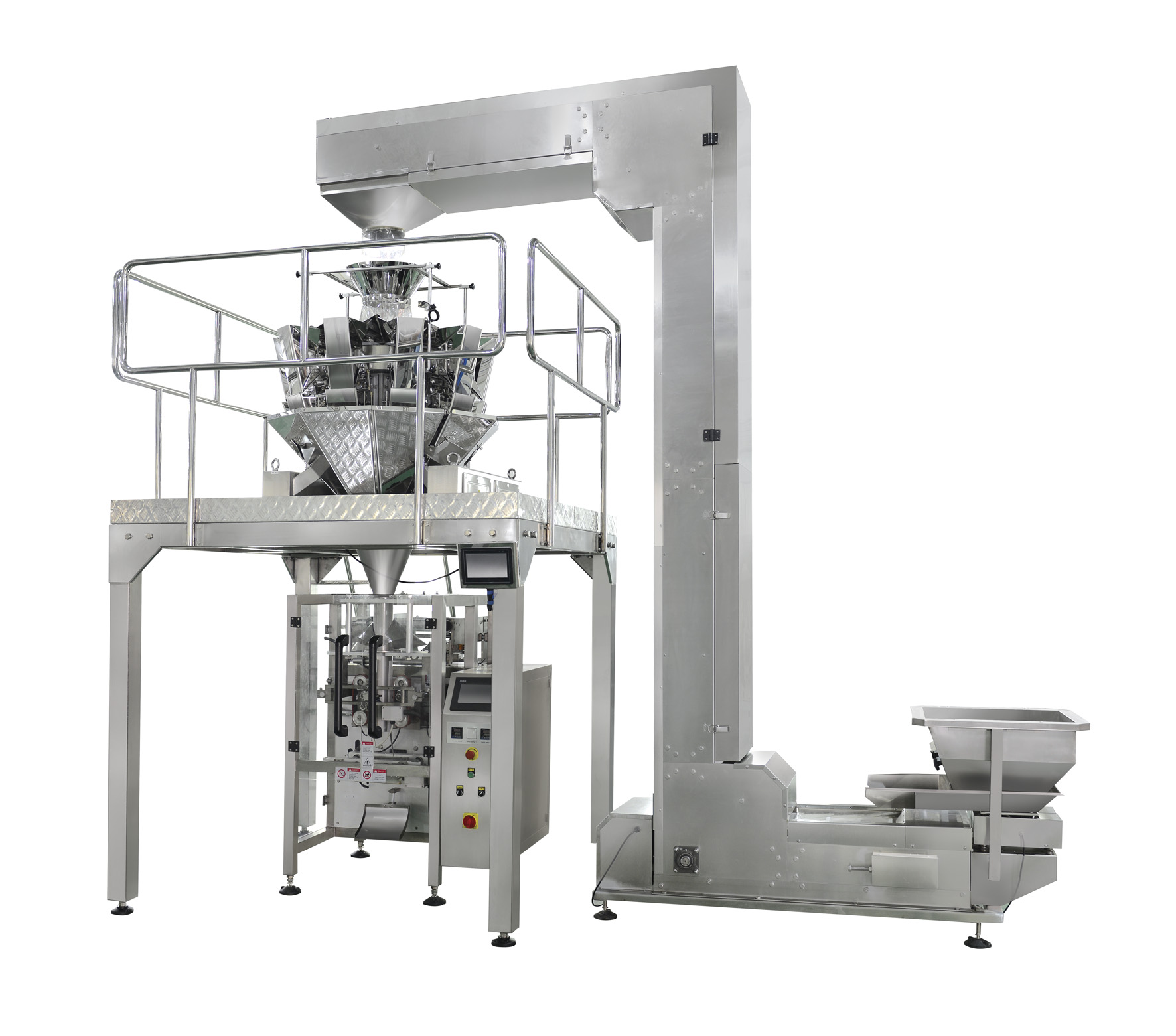
Seal integrity stands as one of the most critical performance indicators for any vffs machine operation in the packaging industry. A vffs machine that maintains strong, consistent seals directly impacts product freshness, shelf stability, and customer satisfaction while reducing costly rework and waste. Understanding how to improve vffs machine seal integrity requires a systematic approach that combines equipment knowledge, preventive maintenance, material compatibility, and operator training. This comprehensive guide explores the practical strategies that manufacturers and packaging professionals use to achieve and maintain superior vffs machine seal quality throughout production runs.
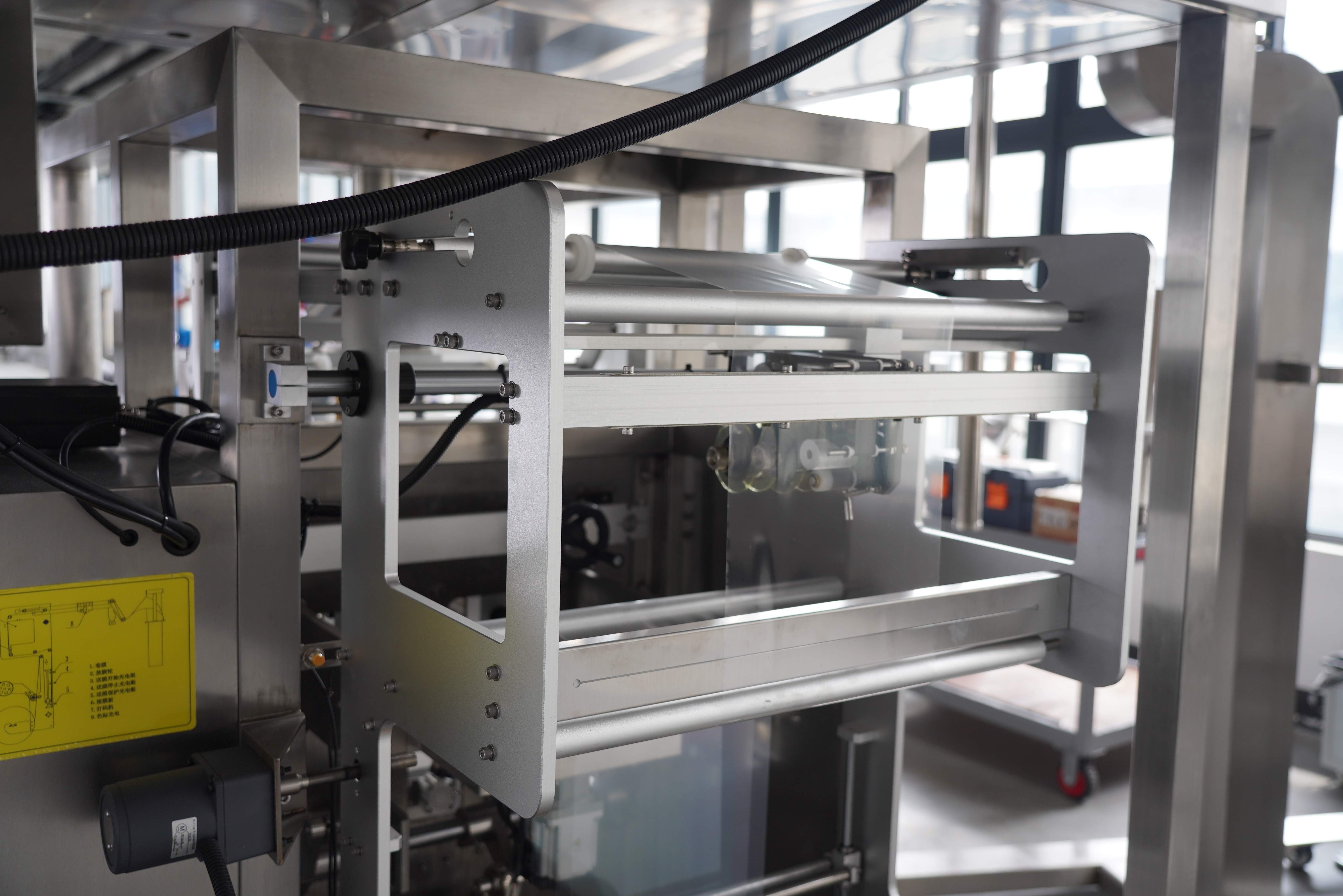
Every vffs machine operator and maintenance technician understands that seal failures translate directly into lost revenue, customer complaints, and potential product recalls. The vffs machine design depends on precise thermal control, material feed consistency, and proper jaw pressure alignment to create reliable seals that withstand transport, storage, and handling. Investing time in vffs machine seal optimization delivers measurable returns through improved first-pass yield, reduced material waste, and enhanced brand reputation in competitive markets.
The seal temperature is the foundation of vffs machine performance, yet many operators run default settings without understanding their material-specific requirements. Each film type, thickness, and coating requires a precise temperature window for optimal vffs machine sealing. Testing temperatures systematically from low baseline settings upward helps identify the minimum heat needed to create durable seals without degrading the film structure. Most vffs machine manufacturers recommend starting 10–15 degrees Celsius below the target and increasing gradually until consistent, strong seals appear.
Temperature variance across the sealing jaw is another hidden cause of vffs machine seal inconsistency. Infrared thermometers and thermal imaging cameras reveal hot spots and cold zones on your vffs machine sealing surfaces that compromise seal quality. Regular thermal profiling of the vffs machine jaw surfaces ensures uniform heat distribution and helps identify degraded heating elements before they impact production. Documentation of temperature readings over time creates a maintenance baseline for your vffs machine and triggers corrective action when values drift beyond acceptable ranges.
Rushing into production before your vffs machine reaches thermal equilibrium is a common mistake that causes seal defects in initial product batches. The sealing jaws on a vffs machine require adequate warm-up time to reach stable operating temperature and maintain consistency throughout the shift. Implementing a standardized vffs machine warm-up protocol—typically 15–30 minutes depending on equipment size—allows thermal stability before high-speed runs commence. This practice eliminates the first 50–100 packages that often show seal weakness due to incomplete thermal conditioning of the vffs machine.
The pressure applied by the sealing jaws directly determines how effectively the vffs machine creates hermetic seals and how much material deformation occurs during the process. Insufficient pressure leaves weak seals vulnerable to puncture and delamination, while excessive vffs machine pressure can degrade film integrity and accelerate jaw wear. Most vffs machine manufacturers specify optimal pressure ranges in their technical documentation, but field conditions often require fine-tuning based on film type, thickness, and ambient humidity. Using a pressure gauge or measurement device during setup ensures your vffs machine operates within the ideal range consistently.
Jaw wear and misalignment silently degrade vffs machine seal quality over thousands of cycles. The sealing surfaces of a vffs machine gradually develop micro-scratches, indentations, and uneven contact patterns that compromise the seal consistency. Visual inspection under magnification, coupled with seal pull tests on sample packages, reveals whether your vffs machine jaws need adjustment or replacement. Regular maintenance schedules for your vffs machine—typically based on production hours or number of cycles—prevent preventable seal defects from becoming systemic quality issues.
The dwell time, or the duration the vffs machine holds the sealing jaws closed against the film, directly affects seal strength and consistency. Insufficient dwell time prevents the vffs machine from achieving complete molecular bonding between film layers, resulting in weak seals that fail in handling. Excessive dwell time on a vffs machine can cause unnecessary film degradation and slow production throughput without proportional seal improvements. The optimal vffs machine dwell time balances complete thermal fusion with production speed and varies with film type, thickness, and material composition.
The cooling phase after the vffs machine sealing jaws release is equally critical but often overlooked. Allowing adequate cooling time before the vffs machine moves the package forward ensures the seal solidifies completely and develops full tensile strength. On high-speed vffs machine operations, this cooling period may be only milliseconds, but it represents the difference between strong, reliable seals and seals prone to creep and failure. Adjusting the vffs machine conveyor speed and cooling tower settings ensures packages exit the sealing zone with fully set, durable seals.
Not all films perform identically on a vffs machine, and material selection dramatically influences seal integrity and overall equipment performance. Polyethylene, polypropylene, polyester, and specialty coated films each possess unique melting points, sealing windows, and mechanical properties that affect vffs machine seal quality. Choosing a vffs machine-compatible film with appropriate heat-sealability ratings ensures the material responds predictably to the vffs machine's thermal profile. Consulting material datasheets and conducting trial runs with your specific vffs machine prevents costly production delays and seal defects caused by incompatible materials.
Moisture content in film materials creates hidden challenges for vffs machine seal integrity. Films stored in humid environments absorb moisture that interferes with the vffs machine's sealing process and weakens the molecular bonds between layers. Pre-conditioning film at controlled humidity and temperature before loading into your vffs machine significantly improves seal consistency. Many advanced vffs machine installations include climate control or desiccant storage systems to maintain optimal film conditions and maximize seal reliability during production.
Systematic film testing protocols ensure your vffs machine operates with materials proven to deliver strong seals. Peel strength testing, burst strength evaluation, and vacuum retention tests on sealed samples reveal whether your vffs machine produces seals meeting product specifications. Creating a material qualification matrix for your vffs machine documents which films work optimally under specific settings and speeds. This reference guide eliminates guesswork when material changes occur or new film suppliers are evaluated for your vffs machine.
Tracking seal quality metrics over time reveals trends in your vffs machine performance and highlights when corrective maintenance becomes necessary. Implementing statistical process control or defect tracking systems specific to your vffs machine provides early warning of seal degradation before widespread production failures occur. Regular audits of seal test results guide vffs machine maintenance decisions and support continuous improvement efforts that compound seal reliability gains across multiple production periods.
Common vffs machine seal failures stem from inadequate jaw temperature, misaligned sealing surfaces, insufficient dwell time, or incompatible film materials. Temperature drift occurs when heating elements degrade, causing the vffs machine to lose thermal consistency. Worn or shifted jaws prevent uniform pressure distribution, leaving weak seals along the edges. High humidity or moisture in film storage also compromises vffs machine seal integrity by interfering with molecular bonding. Regular temperature monitoring, jaw alignment checks, and film conditioning prevent most vffs machine seal defects before they impact production.
Most manufacturers recommend daily visual inspections of the vffs machine sealing jaws and weekly thermal profiling to catch emerging issues early. Comprehensive vffs machine maintenance including pressure calibration, thermal mapping, and seal pull testing should occur monthly or quarterly depending on production volume. High-speed or continuous-operation vffs machine installations benefit from weekly maintenance routines to maintain seal quality consistently. Tracking maintenance intervals relative to seal defect rates helps optimize your vffs machine service schedule and prevent unnecessary downtime.
Yes, a properly configured vffs machine can handle multiple film types by adjusting temperature, pressure, and dwell time for each material. However, frequent material changes require careful recalibration of the vffs machine settings and validation testing to ensure seals meet specifications. Documenting optimized vffs machine parameters for each approved film enables rapid changeovers and consistent seal quality across material types. Creating a vffs machine setup guide with tested settings for each material accelerates production transitions and minimizes seal defects during changeover periods.

2026/09/20
Premade Pouch Machines: Reduce Film Waste, Cut TCO & Achieve Faster ROI

2026/09/20
Cut Premade Pouch Machine Changeover Time by 40% with Proven Best Practices

2026/09/20
Premade Pouch Machines: Boost Throughput, Cut Waste & Improve ROI

2026/09/20
Rotary vs Inline Premade Pouch Machines: Speed, ROI & Scalability Compared

2026/09/20
Premade Pouch Machine: Boost Throughput, Cut Labor Costs & Improve Seal Integrity

2026/09/21
Premade Pouch Machine: Pouch Types, Materials & Filling Guide

