 EN
How to Reduce Film Waste with a Premade Pouch Packaging Machine?
2026/09/20
Premade Pouch Machines: Reduce Film Waste, Cut TCO & Achieve Faster ROI

2026/10/15
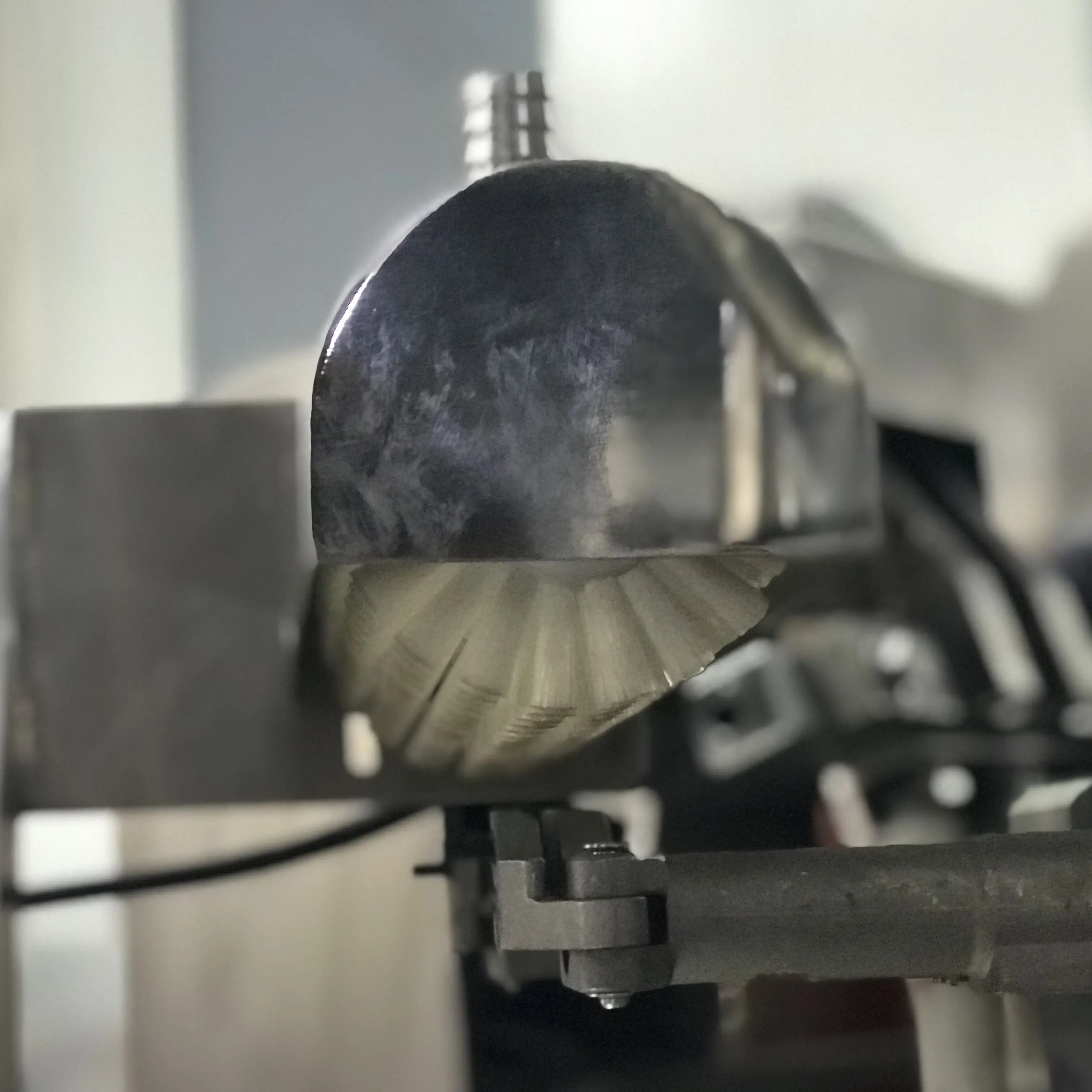
Increasing the output speed of your pillow packing machine is essential for meeting growing production demands while maintaining profitability. A pillow packing machine that operates at optimal speed directly impacts your manufacturing efficiency, reduces labor costs, and allows you to fulfill larger orders without expanding your facility footprint. Whether you operate a small packaging line or manage a large industrial operation, understanding how to enhance your pillow packing machine performance can transform your business results. The good news is that speed optimization does not always require expensive equipment replacement; strategic adjustments, maintenance protocols, and targeted upgrades can deliver significant gains in throughput and reliability.
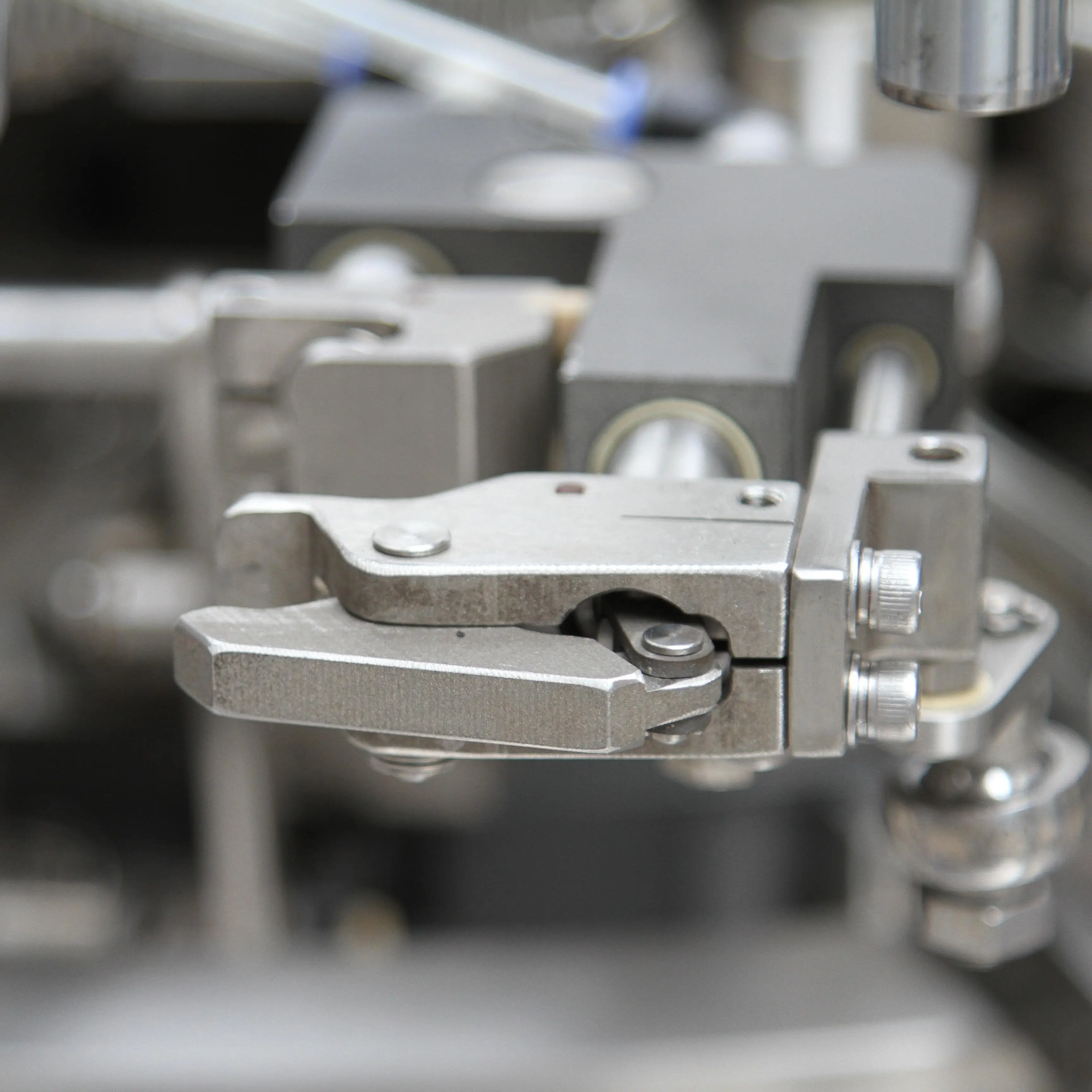
A pillow packing machine running at full speed requires pristine mechanical and electrical components. Preventive maintenance is the foundation of sustained output performance because worn parts, misaligned seals, and sluggish motors inevitably slow production. Establish a regular cleaning schedule to remove dust, product residue, and film fragments from guide rails, rollers, and seal heads. Over time, these deposits accumulate and increase friction, forcing your pillow packing machine to work harder and move slower. Deep cleaning every two weeks, combined with visual inspections for wear patterns, will help identify emerging problems before they escalate into costly downtime.
Lubrication is equally critical for maintaining speed on your pillow packing machine. Moving parts—bearings, chain drives, and cam mechanisms—depend on proper lubrication to reduce resistance and operate smoothly. Use manufacturer-approved lubricants and apply them according to the maintenance manual schedule. Dry or degraded lubricant significantly increases friction, causing motors to strain and the machine to slow down. Additionally, check belt tension regularly; a loose belt slips and reduces the transmission of power to the pillow packing machine's key moving components, directly impacting output speed.
The seal head is the heart of any pillow packing machine, and its condition directly determines sealing speed and reliability. When seal plates become worn, coated with residue, or misaligned, they require longer dwell time to achieve proper seals, forcing the machine to operate at reduced speed. Clean seal plates daily using a soft cloth and approved solvents; buildup on heat-sensitive surfaces prevents proper heat transfer and seal formation. Inspect the pillow packing machine's film path weekly for wrinkles, twists, or misalignment that forces the operator to slow the line manually while correcting the problem.
Guide rollers and tension systems must also maintain precise alignment for the film to move smoothly through your pillow packing machine. Misaligned rollers create drag, cause film steering issues, and slow production. Use a straightedge or laser alignment tool quarterly to verify roller parallelism. Additionally, ensure the pillow packing machine's tension control system is functioning correctly; insufficient tension allows the film to slip, while excessive tension strains motors and reduces speed capacity. Calibrate tension settings according to film type and thickness at least monthly.
Every pillow packing machine operates according to programmed timing sequences that govern when film advances, heat is applied, products are loaded, and seals are formed. These parameters directly control how fast the machine can reliably cycle. Review your pillow packing machine's current dwell time—the duration the seals hold heat—and compare it to the film and product specifications. Modern films often seal at lower temperatures and require shorter dwell times than older materials. If your dwell settings are unnecessarily long, reducing them by even 50–100 milliseconds per cycle can yield substantial throughput gains without compromising seal quality.
Test parameter adjustments incrementally on your pillow packing machine, starting with small changes and monitoring seal integrity through physical testing. Many operators find that optimal speed occurs not at maximum motor speed but at a balanced setting where mechanical systems operate smoothly and seals form reliably. Your pillow packing machine manufacturer typically provides recommended speed ranges for different film types and pouch sizes. Understand these baselines and gradually increase speed while inspecting random sample pouches for seal strength, film wrinkles, and overall quality. Once you identify the maximum speed where quality remains acceptable, lock those settings as your new operational standard.
Consistent product feeding is crucial for sustaining speed on your pillow packing machine. If products arrive at the loading station irregularly, the machine must slow down to prevent jams or mispositioned pouches. Evaluate your upstream process—whether manual placement, vibratory feeders, or automated conveyors supply products to the pillow packing machine. Unstable or inconsistent feeding forces the machine to wait, reducing effective output speed. Install buffer hoppers or gravity-feed systems that maintain steady product flow to your pillow packing machine's loading mechanism, ensuring the machine never waits for material.
When maintenance and parameter tuning reach their limits, targeted component upgrades can unlock significant speed improvements without replacing the entire pillow packing machine. High-speed seal heads, servo-driven film advance systems, and upgraded motors are common upgrades that increase output capacity. Servo motors, in particular, offer superior precision and speed consistency compared to older stepper or AC motors, allowing your pillow packing machine to operate at faster, more stable rates. Variable frequency drives (VFDs) on the main motor enable smooth acceleration and dynamic speed control, helping your pillow packing machine optimize energy use while reaching higher output speeds.
Evaluate the cost-benefit of upgrades against your current production constraints. If your pillow packing machine consistently runs at 80–90% capacity and upgrades cost 20–30% of the machine's original price, they often deliver faster ROI than purchasing new equipment. Consult with your equipment supplier or manufacturer about which components on your specific pillow packing machine model will deliver the greatest speed improvement relative to cost. High-speed film reels, improved cutting systems, and advanced control software can collectively accelerate your pillow packing machine's throughput by 15–30%.
If your existing pillow packing machine approaches the end of its service life, requires frequent repairs, or can no longer meet production targets even with upgrades, investing in modern equipment may be the right decision. Today's pillow packing machines incorporate digital controls, predictive maintenance sensors, and integrated quality monitoring that older machines lack. A high-speed modern pillow packing machine can operate 30–50% faster than older models while using less energy and requiring less manual intervention. When capital is available and your facility can support the transition, new equipment often reduces operational stress, improves product consistency, and provides room for future growth.
The decision between upgrading and replacing depends on your production forecast, budget constraints, and operational goals. Conduct a thorough cost analysis comparing the lifetime value of optimizing your current pillow packing machine against purchasing newer equipment. Factor in energy savings, reduced downtime, improved quality consistency, and increased flexibility with a modern pillow packing machine. If you project production growth of more than 20–30% over the next three years, a newer pillow packing machine may position you better than incremental upgrades to aging equipment.
Modern pillow packing machines can operate at speeds ranging from 40 to 120+ pouches per minute, depending on pouch size, film thickness, and machine design. High-speed variants engineered for smaller pouches and thinner films achieve the highest output rates. Most industrial pillow packing machines operate effectively in the 60–100 pouches-per-minute range. Your specific pillow packing machine's maximum speed depends on its motor power, servo precision, seal head design, and product specifications. Always consult your equipment manual for the rated speed range to avoid pushing the machine beyond safe operational limits.
Film thickness, heat-seal characteristics, and consistency directly impact how fast your pillow packing machine can operate. Films that seal reliably at lower temperatures allow your pillow packing machine to reduce dwell time and increase speed without sacrificing seal quality. Poor-quality films that have inconsistent thickness or unreliable seal properties force slower operation to ensure reliable sealing. Premium films engineered for high-speed packaging enable your pillow packing machine to achieve maximum throughput. Investing in higher-quality materials often pays dividends by allowing your pillow packing machine to run faster while reducing waste and quality defects.
Daily cleaning, weekly inspections, and monthly calibration are the foundation of a productive pillow packing machine maintenance routine. Deep maintenance—seal plate replacement, roller alignment checks, and sensor cleaning—should occur quarterly. Your pillow packing machine manufacturer may recommend more frequent service intervals based on usage intensity and product type. Document all maintenance activities to track your pillow packing machine's performance trends and predict when major components may require replacement. Consistent, well-documented maintenance extends the life of your pillow packing machine and enables you to sustain higher output speeds with fewer interruptions.

2026/09/20
Premade Pouch Machines: Reduce Film Waste, Cut TCO & Achieve Faster ROI

2026/09/20
Cut Premade Pouch Machine Changeover Time by 40% with Proven Best Practices

2026/09/20
Premade Pouch Machines: Boost Throughput, Cut Waste & Improve ROI

2026/09/20
Rotary vs Inline Premade Pouch Machines: Speed, ROI & Scalability Compared

2026/09/20
Premade Pouch Machine: Boost Throughput, Cut Labor Costs & Improve Seal Integrity

2026/09/21
Premade Pouch Machine: Pouch Types, Materials & Filling Guide

