 EN
How to Reduce Film Waste with a Premade Pouch Packaging Machine?
2026/09/20
Premade Pouch Machines: Reduce Film Waste, Cut TCO & Achieve Faster ROI

2026/10/01
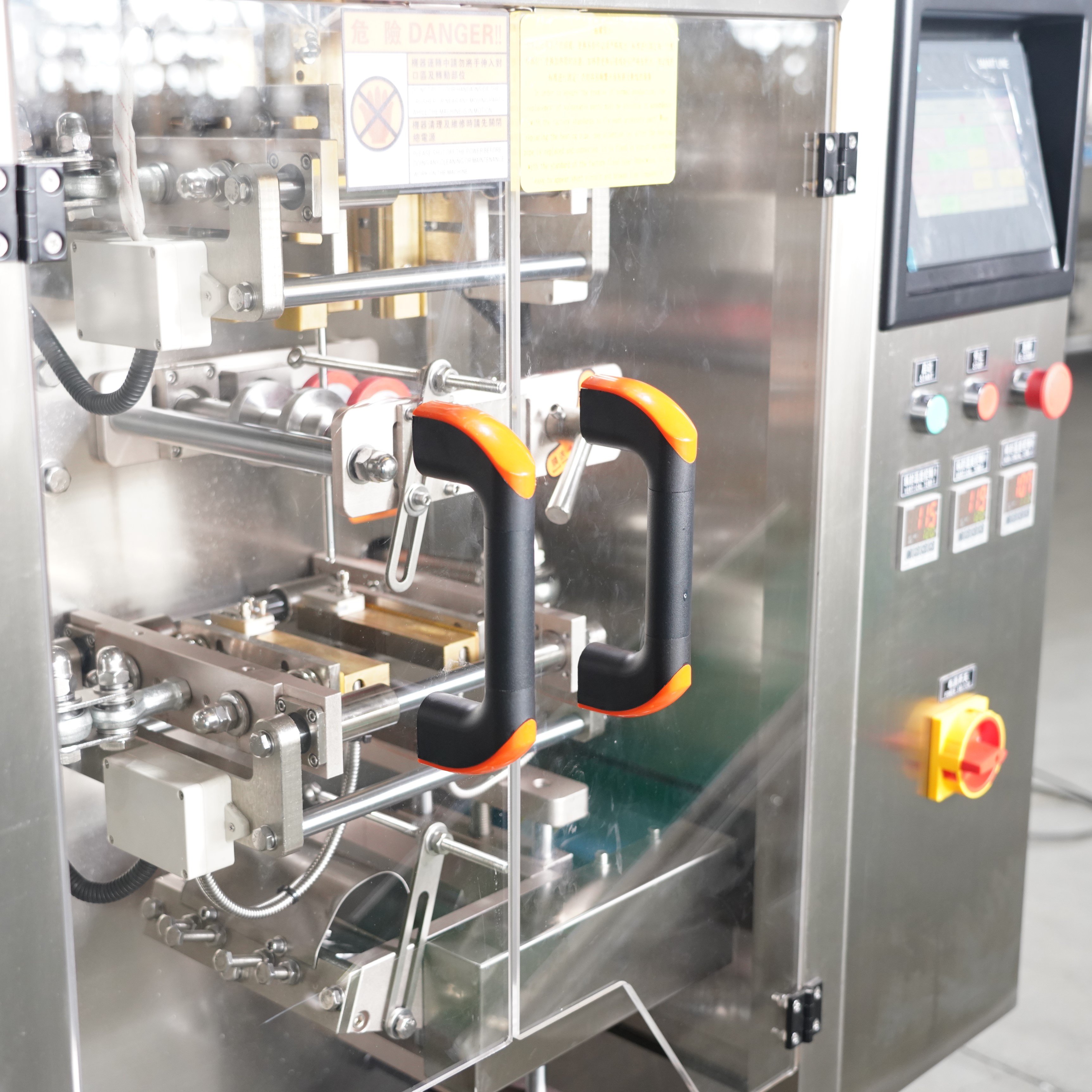
Maximizing the output speed of your vertical packaging machine is essential for maintaining competitive production rates and improving profitability in today's fast-paced manufacturing environment. Whether you operate a small-scale facility or a large industrial operation, understanding how to effectively increase vertical packaging machine performance can directly impact your bottom line and market responsiveness. The challenge lies in balancing speed optimization with product quality, cost efficiency, and equipment reliability.
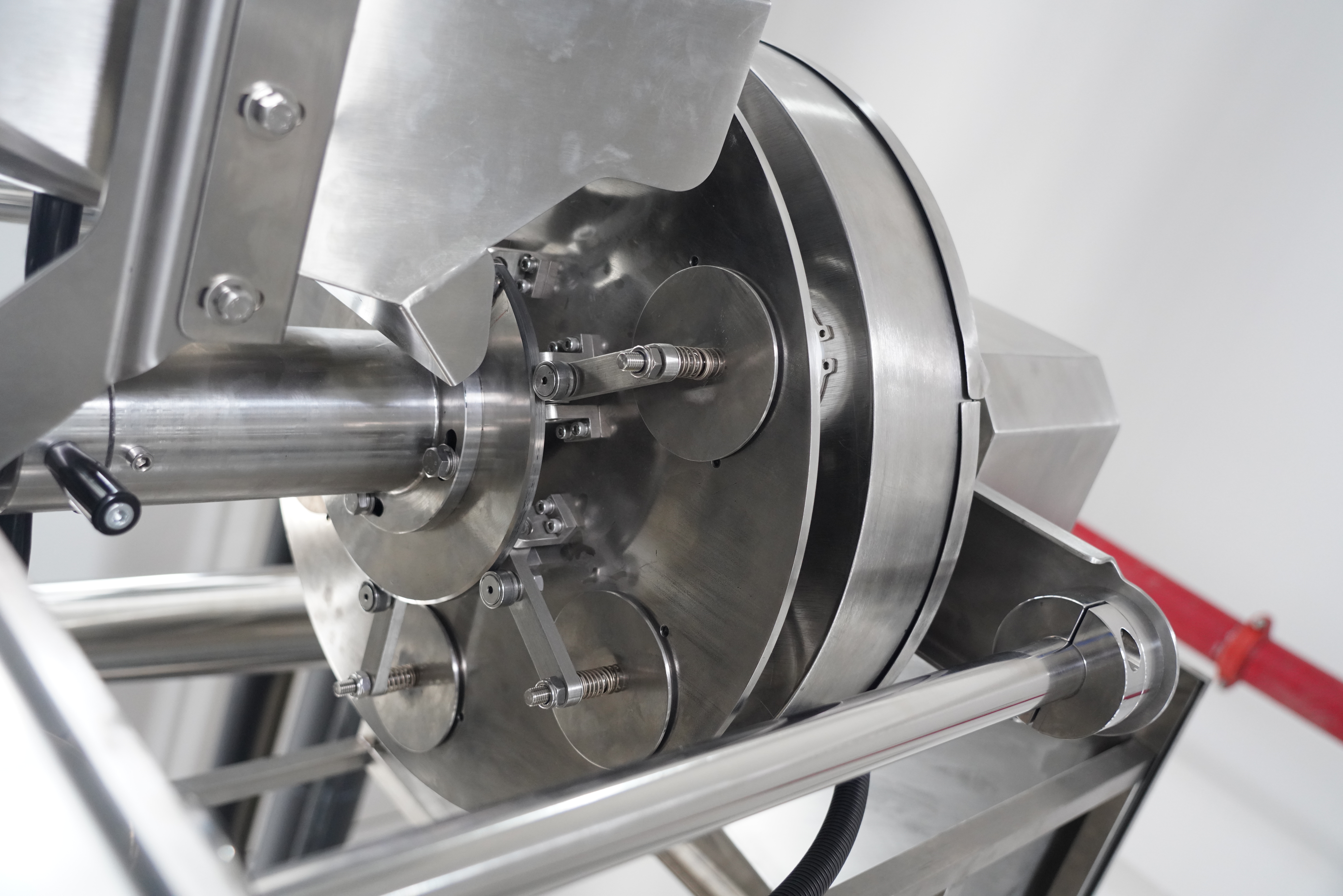
A vertical packaging machine represents one of the most critical investments for food, pharmaceutical, and specialty product manufacturers. These machines are engineered to handle various products from powders to liquids while maintaining seal integrity and product safety. To increase throughput without sacrificing quality or safety, operators and maintenance teams must understand the mechanical, operational, and maintenance factors that govern vertical packaging machine speed capabilities.
Every vertical packaging machine has built-in mechanical speed ratings established by manufacturers during design and testing phases. These limits reflect the machine's structural integrity, motor capacity, and seal-quality performance under continuous operation. Attempting to exceed the manufacturer's specified maximum speed on your vertical packaging machine risks product damage, seal failures, and equipment breakdown. Understanding your specific machine's rated capacity is the foundation for any legitimate speed optimization effort.
The servo motor, bag-forming mechanism, and heat-sealing system represent the primary speed bottlenecks in most vertical packaging machine designs. Modern systems use advanced servos and precision timing to coordinate these functions, but material thickness, seal width, and cooling requirements create natural operational ceilings. Rather than fighting these constraints, savvy operators work within them to extract maximum efficiency from their vertical packaging machine investment.
The type and properties of your product significantly affect how quickly your vertical packaging machine can operate safely. Fragile items, products with high moisture content, and temperature-sensitive materials all demand slower processing speeds to ensure proper packaging integrity. Before attempting to increase vertical packaging machine output, assess whether your product characteristics and packaging specifications allow for faster speeds. Some applications simply cannot exceed certain thresholds without compromising final product quality.
Proper calibration is the quickest path to legitimately increase vertical packaging machine performance without hardware modifications. Many facilities discover their vertical packaging machine operates below potential simply due to conservative or outdated parameter settings. Start by reviewing the machine's current speed settings, bag length specifications, and seal temperature configurations against the manufacturer's latest recommendations. Modern vertical packaging machine software often includes optimization protocols that balance speed with quality metrics.
Adjusting the anticipation time, which controls when the machine begins forming the next bag before the current seal completes, directly impacts how quickly your vertical packaging machine cycles. Incrementally testing anticipation increases while monitoring seal quality allows you to safely increase vertical packaging machine speed without introducing failures. Similarly, optimizing the dwell time for heat sealing—the duration the sealing jaws remain closed—can improve cycle efficiency without compromising seal strength.
Inconsistent product feed creates bottlenecks that reduce the effective speed of your vertical packaging machine regardless of other optimizations. Ensuring precise, uniform product portions before they enter your vertical packaging machine allows the system to maintain consistent cycle times. Invest in upstream equipment like volumetric feeders, weighing scales, or portion controls that coordinate seamlessly with your vertical packaging machine timing. This synchronization is essential to increase vertical packaging machine output without causing jams, product spillage, or quality issues.
Degraded mechanical components are the silent killers of vertical packaging machine speed. Worn belt drives, misaligned guide rails, and loose fasteners create friction and timing inconsistencies that force operators to reduce speed for safety. Establishing a rigorous preventive maintenance schedule specifically designed to increase vertical packaging machine reliability directly translates to higher sustainable speeds. Regular inspection of the film advance mechanism, pulling belts, and sealing jaw alignment prevents the creep toward slower operational speeds that develops over months of use.
Lubrication schedules deserve special attention when working to increase vertical packaging machine performance. Proper lubrication reduces friction in the bag-forming and seal systems, allowing your vertical packaging machine to achieve faster speeds with less mechanical stress. Many operators overlook this simple maintenance factor, yet it represents one of the easiest wins for speed improvement. Check manufacturer guidelines for recommended lubricant types and intervals—using the wrong lubricant can actually slow your vertical packaging machine or create buildup that interferes with precision timing.
The heat-sealing system often determines the maximum realistic speed of your vertical packaging machine. If sealing jaws are misaligned or heating elements are degraded, the machine must slow down to achieve proper seal quality. Professional inspection of jaw alignment and heat distribution across the sealing surface can reveal opportunities to increase vertical packaging machine speed. Some facilities upgrade to higher-capacity heating systems designed for their specific vertical packaging machine model, enabling faster cycle times while maintaining seal integrity.
The packaging film you select influences how quickly your vertical packaging machine can process packages. Films with better heat conductivity seal more efficiently at higher speeds, while films prone to slippage require slower advance rates. Consulting with your vertical packaging machine manufacturer about film compatibility and speed optimization helps identify premium materials that facilitate faster processing. Some modern film formulations are specifically engineered to work with high-speed vertical packaging machine operations, making the material investment worthwhile for high-volume producers.
Increasing your vertical packaging machine speed only matters if downstream and upstream processes can match the faster pace. Bottlenecks in carton sealing, labeling, or palletization completely negate vertical packaging machine speed improvements. A holistic review of your entire packaging line helps identify whether your vertical packaging machine speed increase will actually improve overall facility throughput. Sometimes the real opportunity to increase vertical packaging machine output lies in optimizing the systems that feed it and receive from it, not the machine itself.
Most vertical packaging machine operations can safely increase speed by 10 to 25 percent through proper optimization and maintenance, without hardware upgrades. This depends entirely on how conservatively the vertical packaging machine was originally configured and the current condition of mechanical components. Aggressive increases beyond 25 percent typically require equipment modifications, upgraded components, or engineering consultation specific to your vertical packaging machine model.
Yes, manufacturers often offer upgrade packages that enhance the vertical packaging machine speed capability through faster servo motors, improved sealing systems, or enhanced control software. Before pursuing expensive upgrades, exhaustively optimize settings and maintenance on your existing vertical packaging machine to understand its true potential. Consulting with the vertical packaging machine manufacturer or authorized service providers ensures upgrades are appropriate for your specific equipment and production needs.
Track key metrics including bags per minute, product waste rates, seal failure rates, and energy consumption as you increase vertical packaging machine speed. A successful speed increase should show higher output without quality degradation or safety issues. Monitor these metrics continuously to identify the optimal speed point for your specific vertical packaging machine, product, and facility conditions—this balance point maximizes profitability while ensuring reliability.

2026/09/20
Premade Pouch Machines: Reduce Film Waste, Cut TCO & Achieve Faster ROI

2026/09/20
Cut Premade Pouch Machine Changeover Time by 40% with Proven Best Practices

2026/09/20
Premade Pouch Machines: Boost Throughput, Cut Waste & Improve ROI

2026/09/20
Rotary vs Inline Premade Pouch Machines: Speed, ROI & Scalability Compared

2026/09/20
Premade Pouch Machine: Boost Throughput, Cut Labor Costs & Improve Seal Integrity

2026/09/21
Premade Pouch Machine: Pouch Types, Materials & Filling Guide

