 EN
How to Reduce Film Waste with a Premade Pouch Packaging Machine?
2026/09/20
Premade Pouch Machines: Reduce Film Waste, Cut TCO & Achieve Faster ROI

2026/10/12
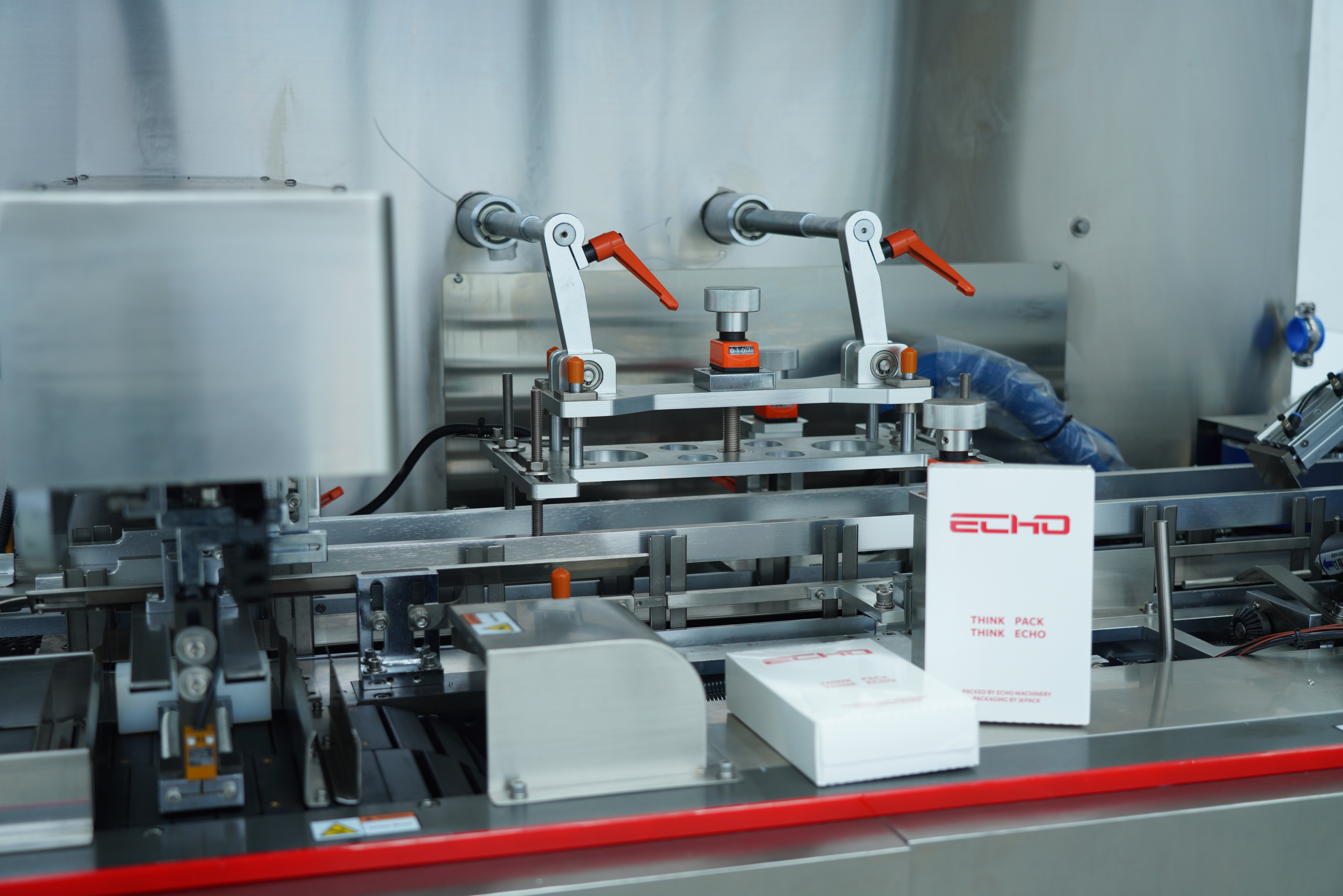
Integrating a box cartoner with filling machines represents one of the most critical decisions in modern packaging automation. A properly configured box cartoner system ensures that filled products transfer smoothly from filling equipment into ready-to-ship cartons without interruption, damage, or production delays. Understanding the technical and operational requirements of box cartoner integration allows manufacturers to maximize throughput, minimize waste, and maintain consistent product quality across every production cycle.
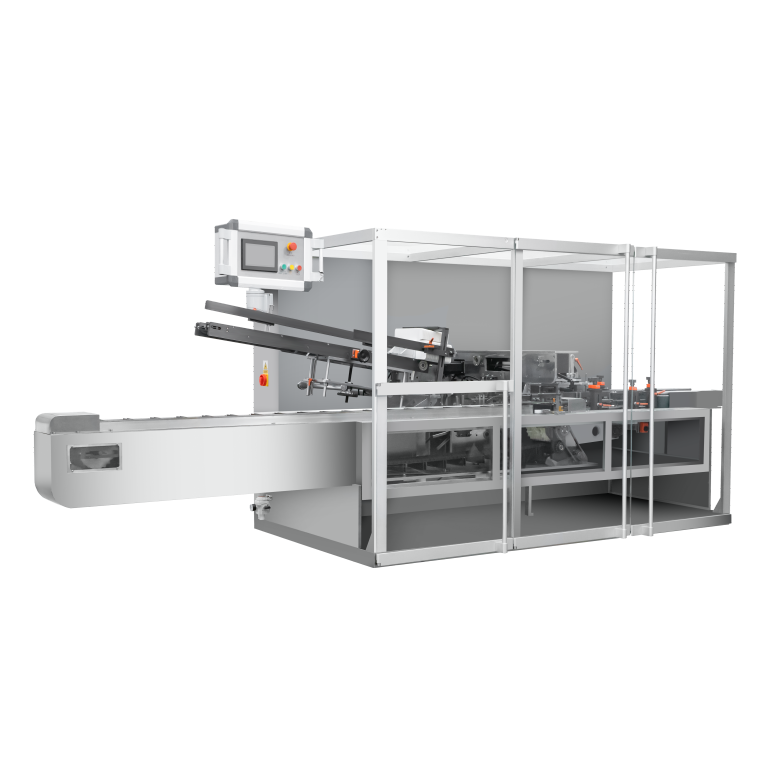
The integration process involves far more than simply positioning equipment side by side. A successful box cartoner integration requires alignment of mechanical interfaces, synchronization of control systems, buffer management between stages, and careful attention to product flow dynamics. Whether you operate a small-scale facility or a large manufacturing plant, understanding these integration principles will help you design a box cartoner setup that operates reliably and meets your production targets consistently.
Box cartoner integration refers to the process of connecting a box cartoner machine to upstream filling or packaging equipment and downstream conveyor systems to create a continuous, automated production line. When a box cartoner operates in isolation, operators must manually feed products and cartons, severely limiting throughput. Integration transforms this into a streamlined workflow where the box cartoner receives filled products automatically, loads them into cartons, and passes completed packages forward without manual intervention between stages.
The core challenge of box cartoner integration lies in matching the output rate and timing of your filling machine with the loading capacity and cycle speed of the box cartoner. A filling machine may operate at a different pace than your box cartoner, requiring synchronized controls and buffering zones. Proper box cartoner integration also addresses product orientation consistency, carton positioning accuracy, and fail-safe mechanisms that prevent jams or misfeeds that could halt your entire production line.
An improperly configured box cartoner integration can become your facility's primary bottleneck. If your box cartoner cannot keep pace with filled product output, products pile up and risk damage or contamination. Conversely, if your box cartoner operates faster than products arrive, the box cartoner remains idle and your labor costs increase. Through careful integration, your box cartoner maintains optimal rhythm with upstream and downstream equipment, minimizing downtime and maximizing the return on your packaging technology investment.
Mechanical compatibility forms the foundation of any box cartoner integration project. Your filling machine discharge height, product velocity, and orientation must match the input specifications of your box cartoner. Most modern box cartoner equipment features adjustable input conveyors and product guides to accommodate slight variations, but extreme misalignment requires structural modifications or the selection of a different box cartoner model. Standard industry interface specifications ensure that products transition smoothly from the filling machine onto the box cartoner's input conveyor without spillage, tipping, or speed-related damage.
When planning box cartoner integration, verify that carton supply mechanisms align with your chosen product format. A box cartoner designed for rigid boxes operates fundamentally differently from one configured for flexible pouches or stand-up containers. The box cartoner must accommodate your specific carton type, and this compatibility requirement influences every subsequent integration decision you make throughout your facility layout and control strategy.
Modern packaging lines demand that your filling machine and box cartoner communicate continuously through control system networks. Most manufacturers employ either traditional parallel wiring, industrial fieldbus systems like Profibus or EtherCAT, or more recent IoT-based communication architectures. Your box cartoner integration strategy must ensure that start signals, stop commands, speed adjustments, and fault notifications transmit instantly between equipment without latency or signal loss.
The control system coordination in your box cartoner integration prevents the filling machine from releasing products faster than the box cartoner can process them. Sensors on the box cartoner input conveyor communicate product count and positioning data back to the filling machine, which modulates its output rate accordingly. This closed-loop control system ensures your box cartoner operates at maximum efficiency without starvation or overflow conditions that would compromise production quality or safety.
Effective box cartoner integration incorporates strategic buffer zones between your filling machine and the box cartoner entrance. These buffers prevent direct mechanical coupling between equipment and allow temporary speed variations to balance without line stoppages. A properly sized accumulation conveyor upstream of your box cartoner accommodates brief speed mismatches and provides emergency storage if the box cartoner requires momentary pauses for product orientation or carton transitions. Without adequate buffering in your box cartoner integration, even minor operational variations trigger cascading delays throughout your entire production facility.
Flow management also requires careful attention to product spacing on the input conveyor to your box cartoner. If products arrive too close together, the box cartoner cannot separate and orient them correctly before loading into cartons. Too much spacing reduces your box cartoner throughput inefficiently. Your box cartoner integration design should include product spacing controls that maintain optimal gaps throughout the line, adapting to different product sizes and carton configurations as production requirements change.
Before declaring your box cartoner integration complete, conduct comprehensive testing across your entire intended operating range. Run your box cartoner at minimum, nominal, and maximum speeds while monitoring product quality, carton closure reliability, and system responsiveness. Verify that your box cartoner handles orientation errors gracefully without jamming or requiring manual intervention. Test your box cartoner integration with different product weights, sizes, and carton types to confirm that all anticipated production scenarios operate safely and efficiently.
Documentation of your box cartoner integration parameters provides invaluable reference material for troubleshooting and training. Record optimal speed ratios, buffer capacities, sensor calibration values, and emergency procedures specific to your box cartoner installation. This documentation ensures that your box cartoner integration remains maintainable and that any personnel changes do not result in performance degradation or safety risks from improperly configured box cartoner systems.
Once your box cartoner integration reaches full production, establish preventive maintenance schedules that account for the integrated nature of your equipment. Wear patterns on your box cartoner input conveyor may differ from standalone operation due to specific flow dynamics in your facility. Lubrication requirements for box cartoner mechanical components may change based on the ambient conditions created by nearby filling equipment. Your box cartoner integration success depends on recognizing these dependencies and adjusting maintenance practices accordingly.
Ongoing optimization of your box cartoner integration often reveals opportunities to increase throughput or reduce operating costs without equipment replacement. Fine-tuning conveyor speeds, adjusting product spacing controls, or reconfiguring carton magazine positioning might provide substantial improvements to your box cartoner performance. Many facilities discover that their box cartoner integration can achieve higher speeds than initially anticipated once operators gain experience and confidence with the integrated system.
Box cartoner integration works effectively with rigid cartons, folding boxes, and semi-rigid containers filled with solid or semi-solid products. Beverages, powders, tablets, and pre-packaged items all integrate successfully with modern box cartoner equipment. The compatibility depends primarily on whether your specific box cartoner model accommodates your product dimensions and carton style. Consult with your box cartoner manufacturer to confirm that your particular product requirements align with available integration options and to identify any necessary customization or equipment selection changes.
Box cartoner integration timelines vary based on facility complexity and the condition of your existing equipment. Simple integrations with new, standardized packaging lines may require only two to four weeks from equipment installation through final validation. Complex retrofits involving legacy equipment, custom mechanical modifications, or specialized control system programming may extend timelines to three to six months. Planning your box cartoner integration with adequate time buffers and experienced technical staff ensures successful completion without rushing critical alignment, calibration, and testing phases that directly impact operational reliability.
Frequent box cartoner integration challenges include inadequate product spacing from upstream equipment, insufficient buffering capacity between filling and cartoning stages, and misaligned communication between control systems that causes synchronization failures. Physical misalignment of conveyor heights or angles can create product spillage or damaged items that waste materials and reduce throughput. Many facilities initially underestimate the importance of comprehensive testing, leading to hidden box cartoner integration issues that emerge only during full-scale production ramp-up. Engaging experienced technical resources and allowing adequate testing time prevents these common box cartoner integration problems from compromising your manufacturing operations.

2026/09/20
Premade Pouch Machines: Reduce Film Waste, Cut TCO & Achieve Faster ROI

2026/09/20
Cut Premade Pouch Machine Changeover Time by 40% with Proven Best Practices

2026/09/20
Premade Pouch Machines: Boost Throughput, Cut Waste & Improve ROI

2026/09/20
Rotary vs Inline Premade Pouch Machines: Speed, ROI & Scalability Compared

2026/09/20
Premade Pouch Machine: Boost Throughput, Cut Labor Costs & Improve Seal Integrity

2026/09/21
Premade Pouch Machine: Pouch Types, Materials & Filling Guide

