 EN
How to Reduce Film Waste with a Premade Pouch Packaging Machine?
2026/09/20
Premade Pouch Machines: Reduce Film Waste, Cut TCO & Achieve Faster ROI

2026/10/02
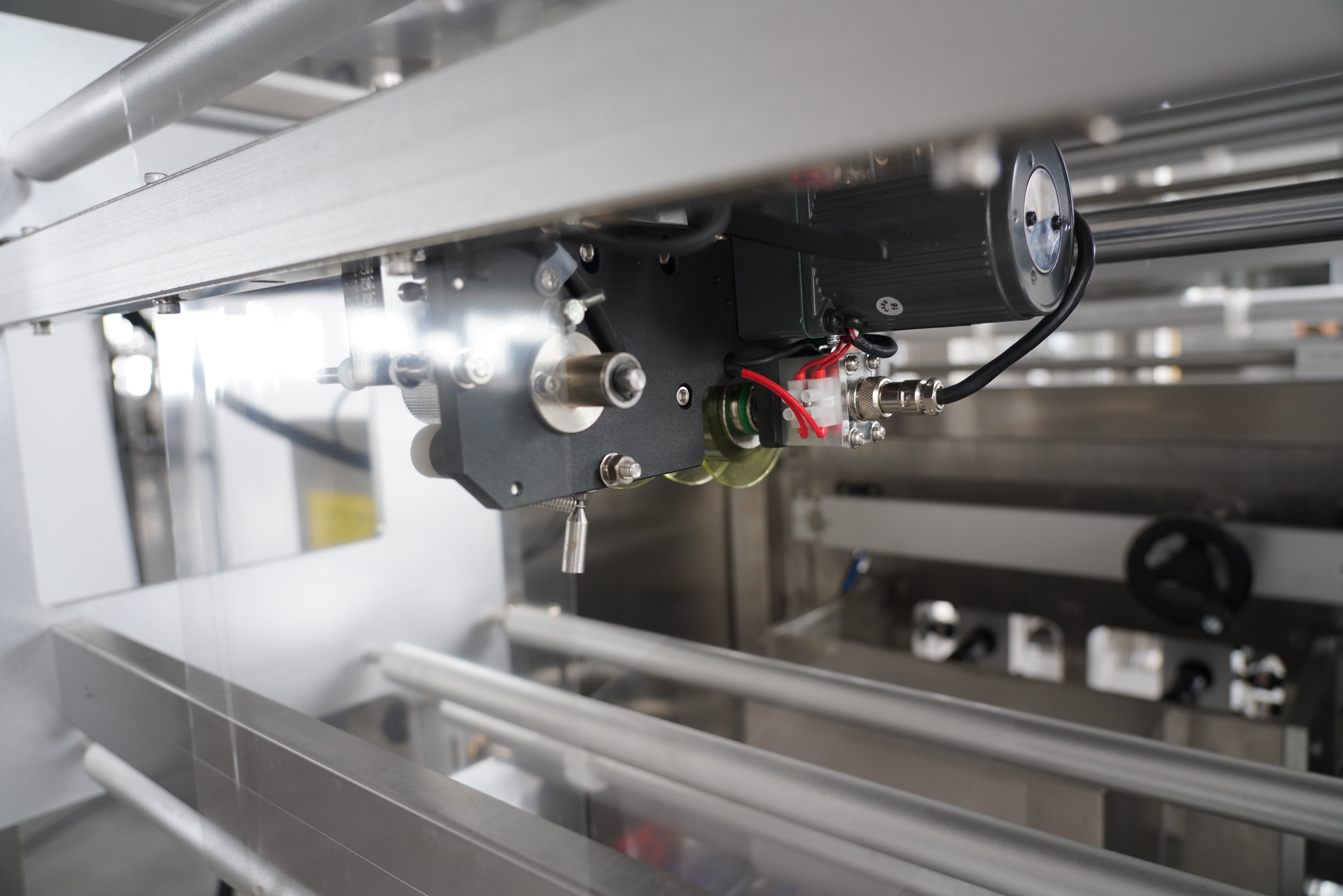
Integrating a vertical bagger with filling systems represents one of the most critical decisions in modern packaging operations. A vertical bagger is a specialized machine that forms, fills, and seals bags in a continuous vertical motion, making it essential for companies seeking efficiency, consistency, and scalability. When properly integrated with filling systems, a vertical bagger can dramatically improve production throughput, reduce material waste, and ensure product quality across high-volume manufacturing environments. This integration requires careful planning, technical understanding, and attention to compatibility factors that directly impact operational success.
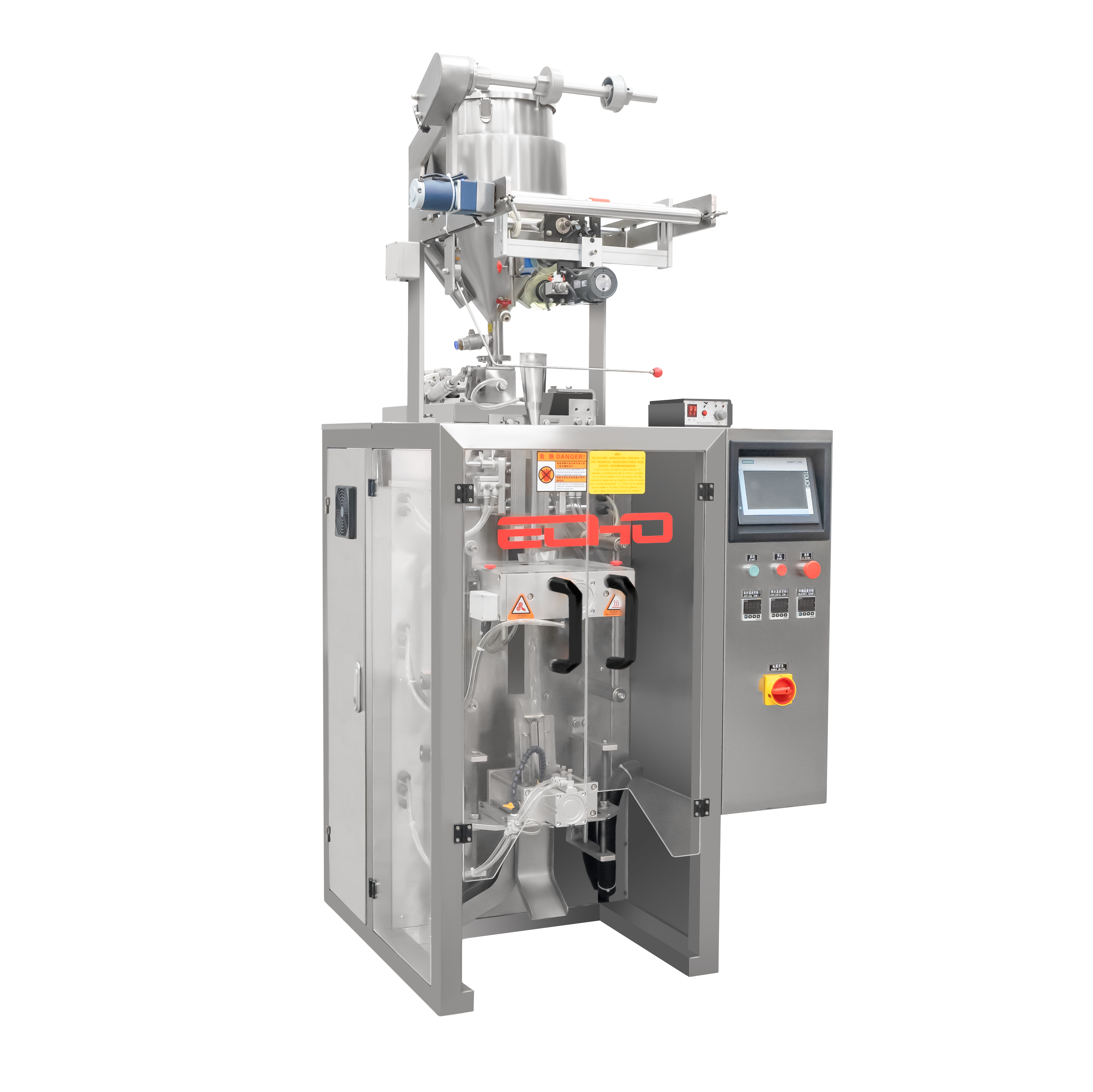
Understanding how to integrate a vertical bagger with filling systems requires knowledge of both mechanical alignment and operational workflow. The process involves more than simply connecting equipment; it demands comprehensive evaluation of production requirements, material specifications, space constraints, and integration points between the filling system and the vertical bagger unit. This article provides practical guidance on integration methodology, key compatibility considerations, and best practices for achieving optimal performance when combining these critical packaging components.
Before integrating a vertical bagger with your filling system, thorough assessment of your existing equipment is essential. A vertical bagger must align with your specific filling methodology, whether you use volumetric fillers, auger fillers, cup fillers, or liquid pumps. Each filling system type has distinct output characteristics, speed capabilities, and product flow patterns that directly influence how the vertical bagger performs. The filling system's accuracy and consistency determine the quality of output from the vertical bagger, making compatibility evaluation a foundational step in successful integration.
Material compatibility is critical when integrating a vertical bagger with filling systems. Your chosen vertical bagger must accommodate the specific bag materials you plan to use, whether polyethylene, polypropylene, laminated films, or specialty materials. The filling system's chemical compatibility with your products must also align with the vertical bagger's material handling capabilities. Products like powders, granules, liquids, and semi-solids each require different vertical bagger settings and configurations. Verifying that both the filling system and the vertical bagger support your product specifications prevents costly equipment modifications and production delays during integration.
Successful integration of a vertical bagger with filling systems begins with precise layout planning. The vertical bagger must be positioned to receive product flow from your filling system at optimal angles and heights, minimizing product handling and spillage. Space constraints often determine whether a vertical bagger can be installed adjacent to existing filling systems or requires intermediate conveying equipment. Vertical bagger positioning affects operator access, maintenance accessibility, and future production line modifications. Working with equipment suppliers to develop detailed CAD layouts ensures your vertical bagger integrates seamlessly into your facility's packaging workflow before installation begins.
A vertical bagger must communicate with your filling system through synchronized control interfaces. Modern packaging operations require the vertical bagger to receive synchronization signals from the filling system, ensuring bags are positioned correctly when product is dispensed. Control integration involves establishing electrical connections, pneumatic lines, and sensor communication protocols between the filling system and the vertical bagger. Depending on your existing automation infrastructure, the vertical bagger may require PLC integration, servo motor coordination, or simple mechanical synchronization. Properly configured control integration allows your vertical bagger to operate as a unified system with your filling equipment rather than as independent machines.
After physically installing your vertical bagger with filling systems, precise calibration is necessary for optimal performance. The vertical bagger's seal settings, film advance speed, and cutting mechanisms must be calibrated to match your filling system's product output rate. Speed synchronization between the filling system and the vertical bagger prevents overfilling, underfilling, or product spillage. Testing with your specific products and bag materials allows technicians to fine-tune the vertical bagger's temperature, pressure, and timing parameters. This calibration phase typically requires several production runs and continuous monitoring to achieve consistent, high-quality packaged products.
Once your vertical bagger integration with filling systems is complete, ongoing monitoring ensures sustained performance. Key performance indicators include bag fill accuracy, seal integrity, production speed, and material waste rates. Regular maintenance of the vertical bagger's heat seals, film advancement mechanisms, and cutting blades prevents degradation and maintains integration efficiency. Operators should track production data from both the filling system and the vertical bagger to identify efficiency trends or compatibility issues. A structured maintenance schedule and performance monitoring system extend the operational life of your vertical bagger and maintain high-quality output throughout its service period.
Most filling system types including volumetric fillers, auger fillers, cup fillers, and liquid pumps integrate effectively with a vertical bagger when properly configured. The key is ensuring synchronization between the filling system's output speed and the vertical bagger's film advancement and sealing cycles. The best compatibility exists when filling systems operate at consistent output rates and can interface with the vertical bagger's control system through electrical or pneumatic signals.
Integration time for a vertical bagger with filling systems varies based on complexity, ranging from one to three weeks from site assessment to full production. Simple installations with existing infrastructure may complete in shorter timeframes, while extensive modifications or custom control integration may extend the timeline. Proper planning, pre-installation testing, and supplier support significantly reduce integration duration and minimize production downtime during the installation phase of your vertical bagger system.
Yes, a vertical bagger can be retrofitted into most existing filling system lines through careful assessment and appropriate modifications. Retrofitting requires evaluating available space, electrical capacity, and control system compatibility between your existing filling systems and the new vertical bagger equipment. While retrofitting often involves higher costs than new installations, modern vertical baggers are designed for flexible integration into diverse production environments and legacy equipment configurations.

2026/09/20
Premade Pouch Machines: Reduce Film Waste, Cut TCO & Achieve Faster ROI

2026/09/20
Cut Premade Pouch Machine Changeover Time by 40% with Proven Best Practices

2026/09/20
Premade Pouch Machines: Boost Throughput, Cut Waste & Improve ROI

2026/09/20
Rotary vs Inline Premade Pouch Machines: Speed, ROI & Scalability Compared

2026/09/20
Premade Pouch Machine: Boost Throughput, Cut Labor Costs & Improve Seal Integrity

2026/09/21
Premade Pouch Machine: Pouch Types, Materials & Filling Guide

