EN
How to Reduce Film Waste with a Premade Pouch Packaging Machine?
2026/09/20
Premade Pouch Machines: Reduce Film Waste, Cut TCO & Achieve Faster ROI

2026/10/22
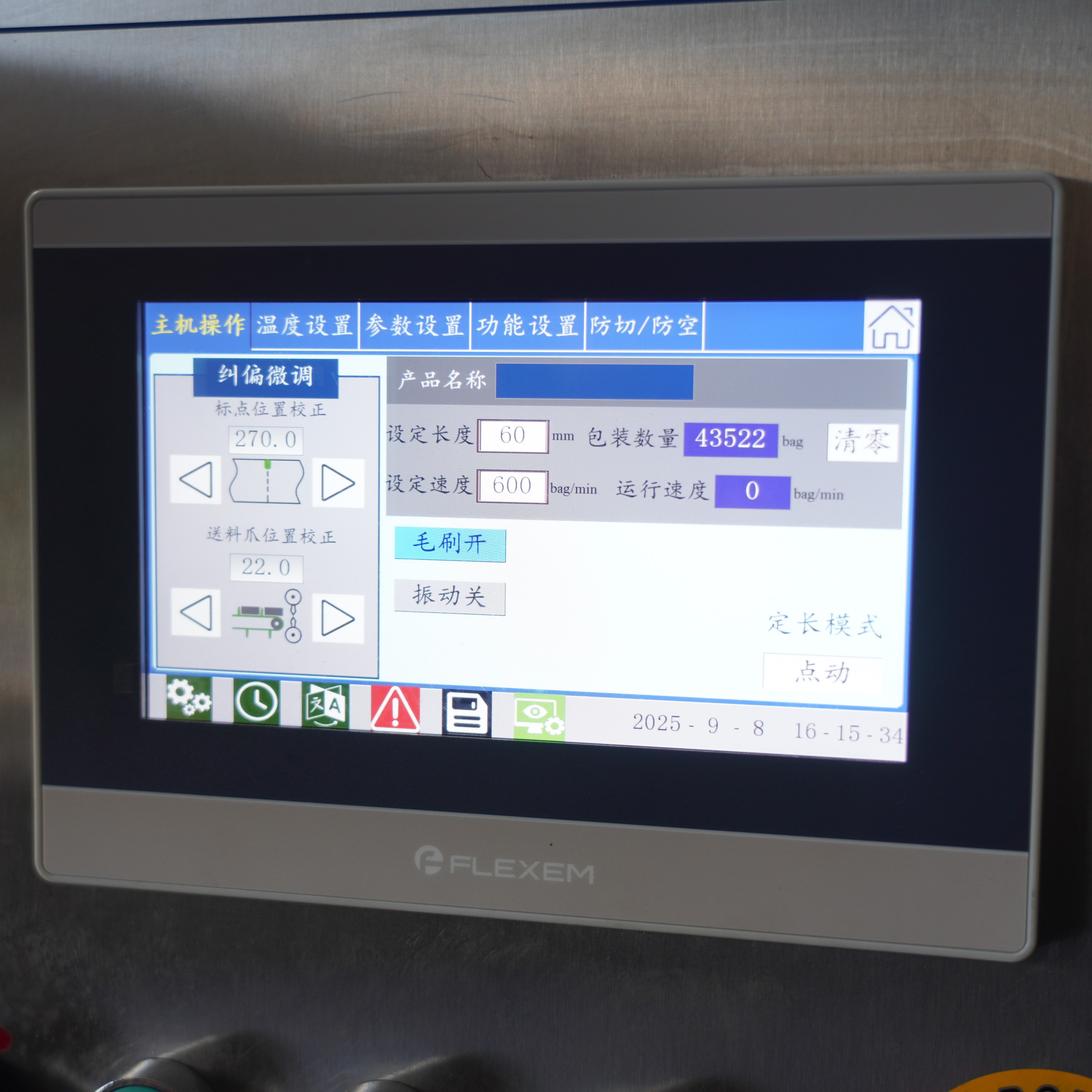
Integrating a flow wrap machine with a metal detector system represents a critical quality assurance step in modern packaging operations. When a flow wrap machine handles food, pharmaceuticals, or consumer goods, metal contamination detection becomes non-negotiable for brand protection and regulatory compliance. The flow wrap machine operates by wrapping products in film at high speeds, and coupling this process with metal detection ensures that any metallic particles are identified and rejected before products reach customers. This integration demands careful planning, proper equipment selection, and precise alignment between the flow wrap machine's output and the metal detector's input specifications.
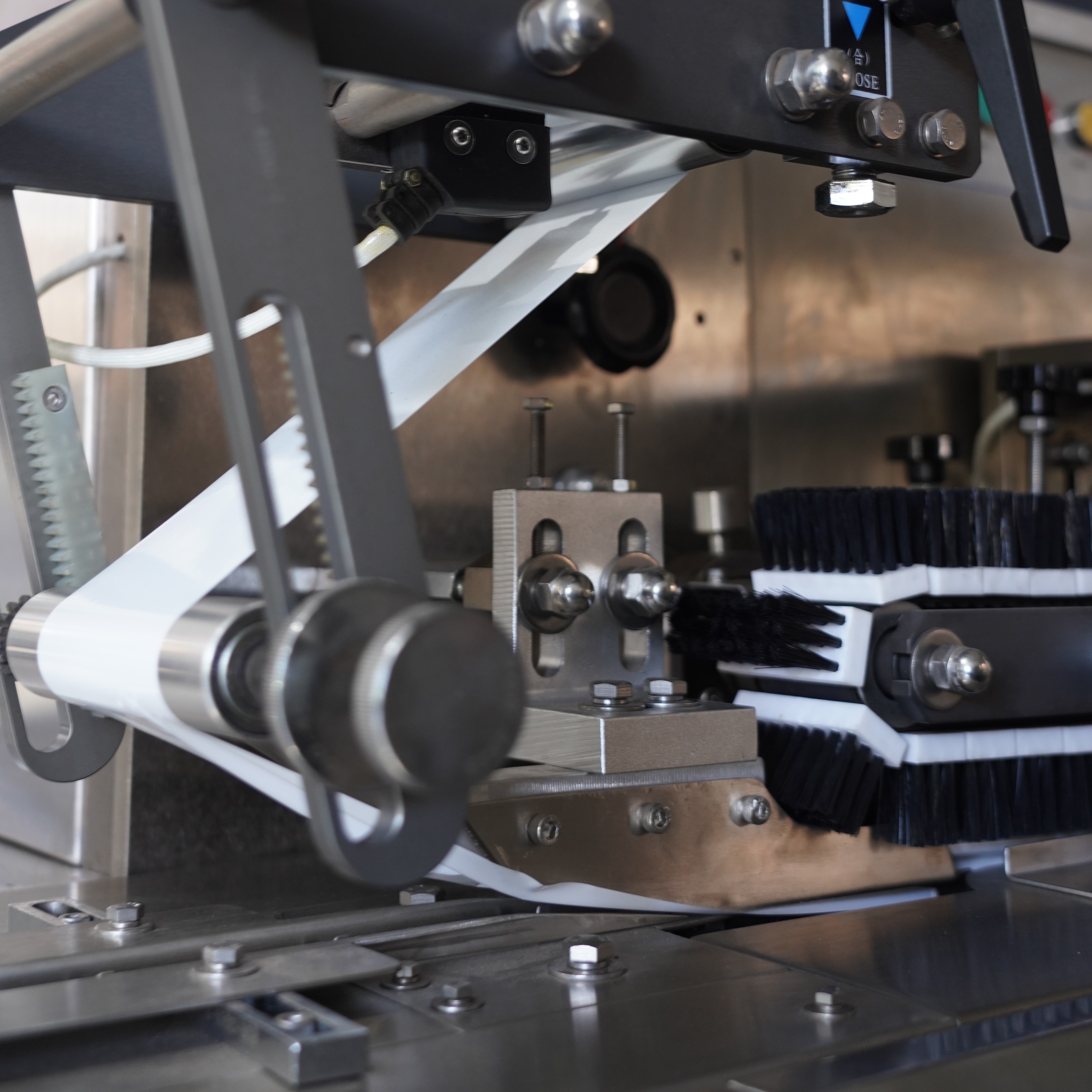
Successfully implementing a flow wrap machine and metal detector combination requires understanding the mechanical, electrical, and software interfaces between both systems. The flow wrap machine produces wrapped packages at a consistent rate, and the metal detector must process them without creating bottlenecks or production delays. Real-time coordination between the flow wrap machine's conveyor speed and metal detector scanning cycles ensures that no product is missed while maintaining throughput. This article walks through the essential considerations, technical requirements, and best practices for integrating a flow wrap machine with metal detection capabilities into your packaging line.
A flow wrap machine typically operates on standardized conveyor systems with defined widths and speeds. Before integrating a metal detector, you must verify that the flow wrap machine's output conveyor width matches the metal detector's aperture size. The metal detector must accommodate the wrapped package dimensions produced by your flow wrap machine without requiring product reformatting or manual adjustments. Conveyor speed alignment is equally critical; if your flow wrap machine operates at 60 packages per minute, the metal detector must scan at that frequency or faster to prevent product jams. The flow wrap machine's electrical interface should support trigger signals that communicate with the metal detector's rejection or alarm systems, enabling automated responses when contamination is detected.
Before purchasing a metal detector for your flow wrap machine setup, measure the exact dimensions of packages emerging from the flow wrap machine. Length, width, and thickness all influence metal detector aperture selection. The flow wrap machine's conveyor speed, typically measured in packages per minute or meters per minute, determines the scan frequency your metal detector must support. Document the material composition of the wrapped packages as well, since multi-layer film or foil laminates may affect metal detection sensitivity. Your flow wrap machine's control panel should display these specifications; cross-reference them with the metal detector manufacturer's technical data sheets to confirm compatibility before installation.
Proper alignment between your flow wrap machine's output conveyor and the metal detector's input conveyor is essential for uninterrupted package flow. The surfaces should be level or follow a gentle incline, ensuring packages from the flow wrap machine transition smoothly into the metal detector. Height differences between the flow wrap machine conveyor and metal detector entry point can cause packages to shift or tip, leading to missed scans or false alarms. Use leveling adjusters on the metal detector frame to match the flow wrap machine's conveyor height precisely. Most flow wrap machine installations include adjustable feet or shim spaces; use these to fine-tune alignment. Test the transition by running empty film through the flow wrap machine and observing package movement through the metal detector entry without any products inside.
The flow wrap machine and metal detector must communicate via electrical signals to coordinate operation and manage rejection events. Typically, a 24V DC signal from the flow wrap machine indicates that a package has been wrapped and is ready for scanning. The metal detector receives this signal and initiates a scan cycle synchronized with the package's position. If contamination is detected, the metal detector sends a rejection signal back to the flow wrap machine, which can trigger a mechanical reject arm or alert the operator. Consult the control panel documentation for both the flow wrap machine and metal detector to identify the correct terminal connections. Use shielded cables to minimize electromagnetic interference, and route all cables away from high-voltage lines associated with the flow wrap machine's heating elements or motor drives.
Once the flow wrap machine and metal detector are physically installed and connected, sensitivity calibration determines detection performance. Start with the metal detector sensitivity set at a moderate level, then run test packages through the flow wrap machine that contain known metal samples: ferrous particles, non-ferrous metal fragments, and stainless steel objects. This baseline testing establishes whether the metal detector reliably identifies contaminants typical to your product. Sensitivity adjustments should account for the film material from your flow wrap machine; aluminum-foil-lined packages may require different settings than plastic film. The metal detector's operating manual provides guidance on sensitivity thresholds; set the flow wrap machine to operate in test mode during this phase to prevent accidental product rejection during calibration. Document the final sensitivity settings for future reference and staff training.
The flow wrap machine's production rate must align with the metal detector's scanning capability to avoid bottlenecks. If your flow wrap machine wraps 80 packages per minute but the metal detector can only scan 50 per minute, packages will accumulate and potentially tip over during transition. Conversely, if the metal detector's scan cycle is faster than the flow wrap machine's output rate, the metal detector will complete scans before the next package arrives, creating idle time but no operational problems. Review the metal detector's technical specifications to confirm its maximum throughput matches or exceeds your flow wrap machine's speed. Modern flow wrap machine systems offer adjustable speeds, allowing you to optimize both equipment to operate harmoniously. Run extended production trials with the flow wrap machine operating at full speed while the metal detector monitors output; verify that no packages bypass the metal detector and that scan accuracy remains consistent over time.
The ideal sensitivity depends on your product type, film material, and acceptable contamination threshold. Most industries start with a sensitivity setting that reliably detects a 1.5 mm ferrous particle, 1.5 mm non-ferrous particle, and 2.0 mm stainless steel particle. Test your flow wrap machine's output with these standard reference samples to establish a baseline, then adjust upward only if your specific contamination risk profile justifies higher sensitivity. Running test samples weekly through the flow wrap machine and metal detector combination helps confirm that sensitivity settings remain optimized for your product.
Conduct monthly functionality tests by running a known metal sample through the system to confirm detection and rejection work correctly. Daily visual inspections of the conveyor alignment between the flow wrap machine and metal detector catch any drift caused by equipment vibration. Weekly sensitivity verification using reference test samples ensures the metal detector maintains its configured detection capability. Some regulated industries require daily documentation of system performance; consult your industry standards and customer requirements to determine the testing frequency appropriate for your flow wrap machine and metal detector setup.
Yes, retrofitting is possible if the flow wrap machine's output conveyor dimensions and speeds are compatible with the metal detector you select. Verify that your flow wrap machine has adequate electrical capacity to support additional control signals, and ensure physical space exists in your production line for the metal detector installation. Retrofitting typically requires mechanical alignment adjustments, electrical wiring, and possible control panel modifications. Consult the flow wrap machine manufacturer's retrofit guidelines and the metal detector supplier's installation documentation to assess feasibility and timeline before proceeding with a retrofit project.
2026/09/20
Premade Pouch Machines: Reduce Film Waste, Cut TCO & Achieve Faster ROI
2026/09/20
Cut Premade Pouch Machine Changeover Time by 40% with Proven Best Practices
2026/09/20
Premade Pouch Machines: Boost Throughput, Cut Waste & Improve ROI
2026/09/20
Rotary vs Inline Premade Pouch Machines: Speed, ROI & Scalability Compared
2026/09/20
Premade Pouch Machine: Boost Throughput, Cut Labor Costs & Improve Seal Integrity
2026/09/21
Premade Pouch Machine: Pouch Types, Materials & Filling Guide